
 Access Backstage Pass




Here’s the thing. Choosing the 100 greatest guitarists of all time turned out to be just too darned tough for Total Guitar’s fanatical team of guitar nerds. So, armed with a ‘shortlist’ of over 250 players, we asked our lovely readers to have the casting vote in an online poll on Guitar World. Here’s how it works.
We took 170 guitarists from our big list and grouped them into six categories: classic rock, blues, heavy metal, shred, indie/alternative and a ‘best right now’ contemporary poll. Six categories and six polls later, we had some results. The winning guitarists make up 80 of the 100 you’ll see here.
We've also singled out a number of other players we deemed too important to leave out, who appear at the end of each section as ‘Also in the running…’, as well as early innovators, trailblazers, acoustic, and jazz/fusion categories.
Read on for the lowdown on all 100 players – you can use the handy navigation bar above to jump between categories.
The best rock guitarists of all time

1. Brian May
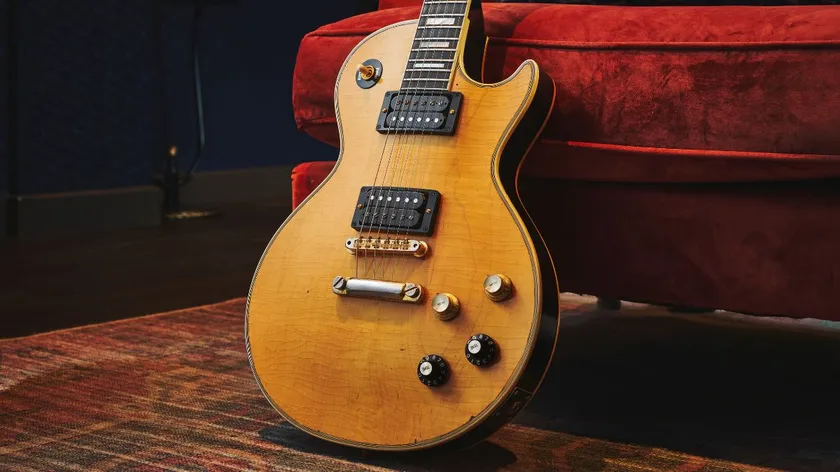
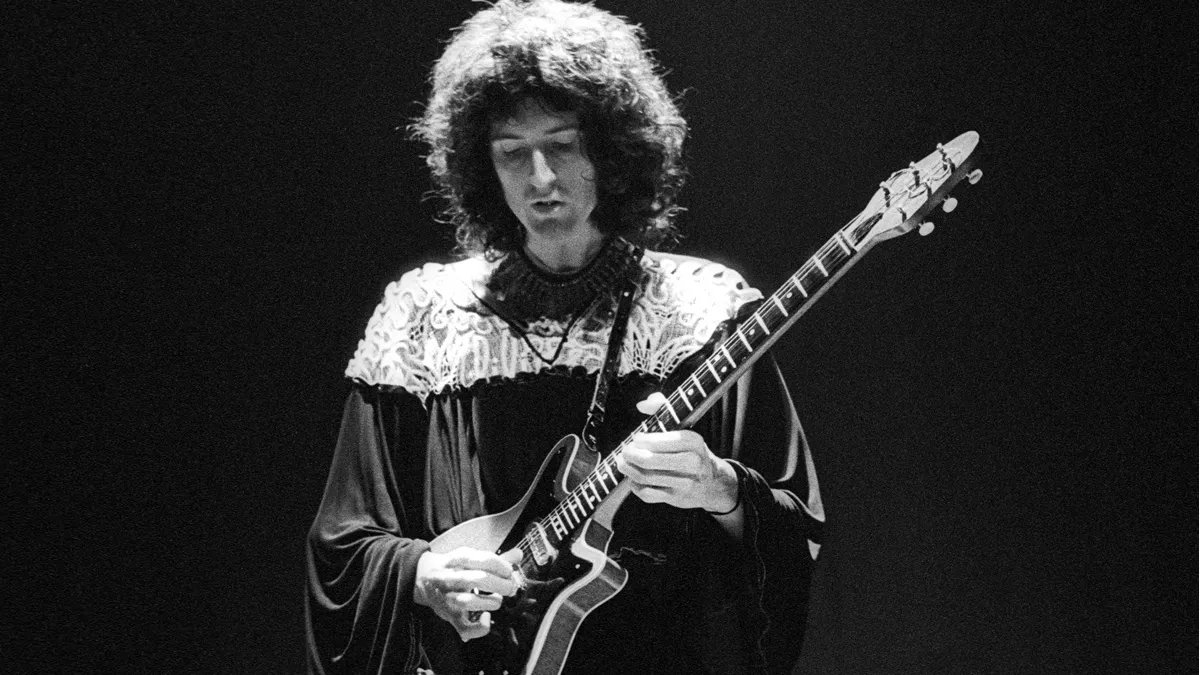
Arise, Sir Brian Harold May, the greatest guitarist of all time, the player most regal, and the one whose pathway to the summit began in the most unorthodox fashion, with a father-and-son woodcraft project converting a fireplace into one of the most inventive electric guitars ever made, the Red Special.
This homespun mad scientist sensibility served May well. Just look at how he used the Deacy amp. Appropriating a sixpence for a guitar pick, he would develop a sound that was instantly and unmistakably his, a three-dimensional cushion of overdrive that ferried Queen’s magisterial songs through the ether.
There really is something texturally gourmand about May’s tone, a phalanx of Vox AC30s, with the Dallas Rangemaster in front, the phase shifting, the tape echo. As for his playing, it was sheer rock as theater, the fire to match the bombast, and the operatic splendor of a peerless band whose frontman must have been a dream to play alongside.
Indeed, with Freddie Mercury’s voluminous charisma onstage, May was given free rein to be himself as a guitarist, to make his sound as big or small as the song needed to be. He made full use of that freedom, with solos you could sing along to, melodies that stuck with you for days, and timeless riffs that will forever remain exhilarating as the first time we ever heard them.

2. Jimi Hendrix
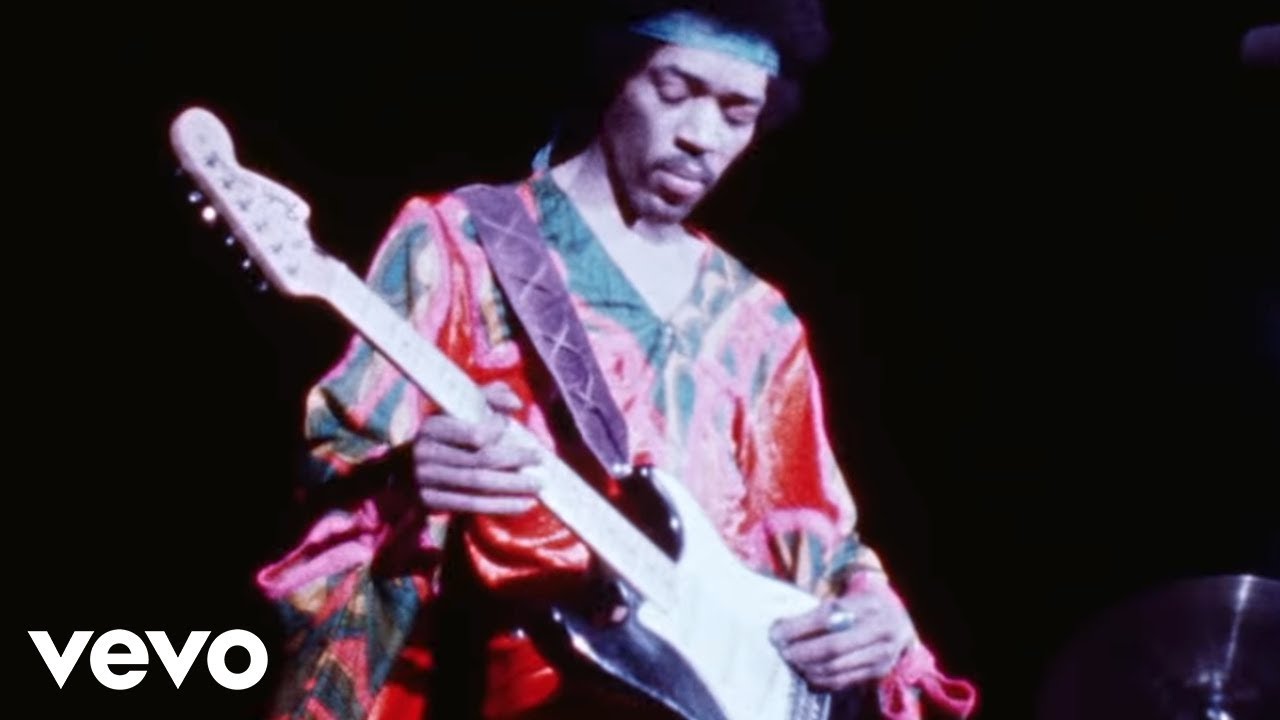
Jimi Hendrix was the supernova of creativity that the electric guitar had been waiting for. It’s tempting to say that Hendrix was ahead of his time, and yes, it’s true, he was. There’s a stronger case explaining why he was born just at the right time.
Gear had evolved enough to accommodate high volumes and new noise, rock ’n’ roll had deflowered pop culture, the time was just right. And if he were born any later, say, in today’s climate, would he have been so free to shepherd that squall of feedback in an era in which limits are placed on stage noise, in-ears and all that jazz? Would he be lost to TikTok?
For better or worse, Hendrix lived free in an age of danger, and took the guitar to the limit, pushing it with this newfound technological superpower, the Marshall stack, and the supplementary ordnance provided on the floor by Roger Mayer et al – wah, fuzz, Uni-Vibe, all those new toys. And he used them to spectacular effect, turning blues into rock, into a fug of psychedelia.
At times, the whump-whump pulse of the Leslie effect would knock you sideways, but for the most part Hendrix knew when to roll the crazy back and let that phrasing of his, those chord inversions and vibrato speak for itself. His was a guitar sound you heard in color. Oh, he set his guitar on fire? It was was always on fire…
3. Jimmy Page
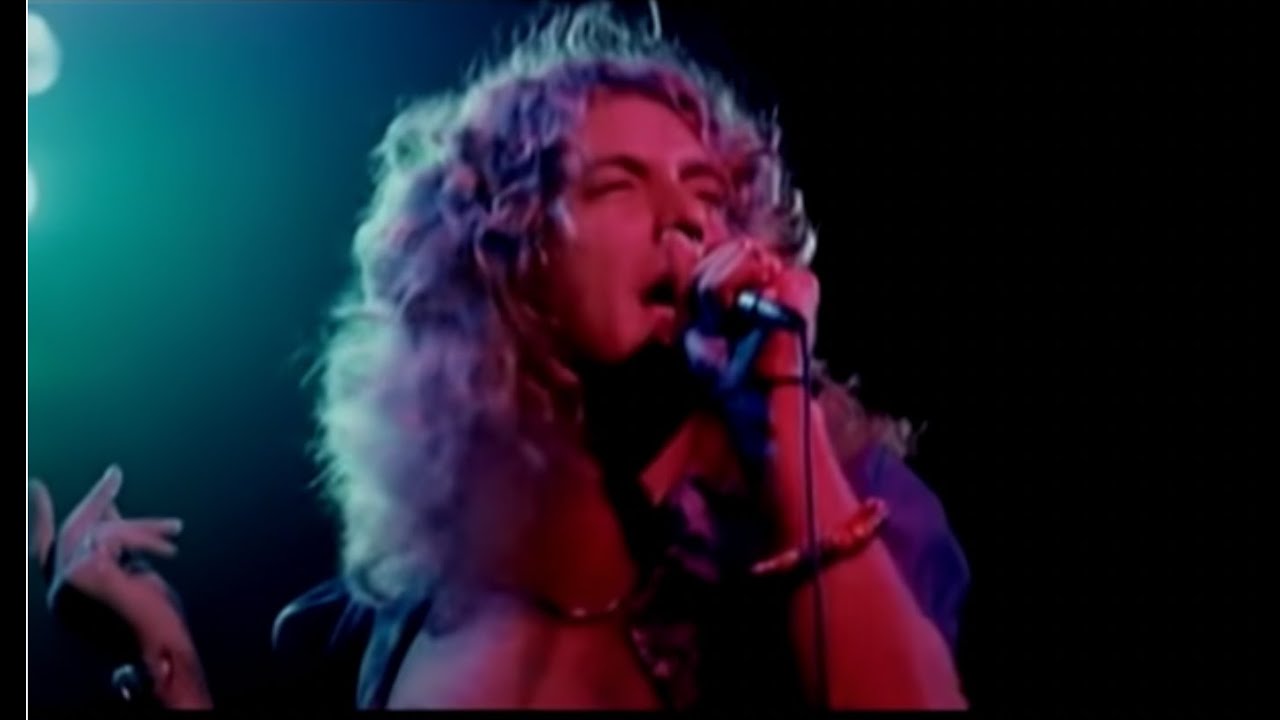
Years honing his chops as an on-call session musician had prepared Jimmy Page for what was to come, namely being guitarist and producer of the biggest rock band on the planet, a band whose creative ambition matched the scale of their success.
Like Eric Clapton and Jeff Beck, Page was an alumni of the Yardbirds, at first on bass guitar, then guitar, briefly alongside Jeff Beck. The signs were there that Page was going to be different breed of guitar player. He used a bow on the guitar. Like Beck, he too appreciated the creative potential of high-volume, fuzz, wah and all the good stuff, and he took those creative epiphanies with them into Led Zeppelin.
Page would be the first to tell you that it was the chemistry between the players that made Led Zeppelin what they were. There were no weak links. That meant anything was possible.
Albums I and II brought riff after riff, Page opening his account with his Telecaster, a gift from Beck, moving to the Les Paul, experimenting with more gear, acoustics, 12-string electrics, Echoplex tape echo, adding more layers, folk and blues brought into rock and all emulsified by his singular vision. And then you have those solos, teetering on the edge, the suspense not killing you but leaving you having on every note to see if he can stick the landing. Spoilers: he did.
4. Eddie Van Halen
We can argue over who is the greatest guitarist of all time but surely none have been more entertaining than Eddie Van Halen, whose hot-wiring of hard rock norms was like a power-up for electric guitar culture, making a spectacle of the instrument that could rival the Super Bowl, Hollywood, the aurora borealis… great herds of wildebeest migrating across the Serengeti.
EVH did all this by restlessly MacGyvering his gear, pressing a Variac into service, monstering a Strat, D-Tunas, double-locking vibratos, just looking for that tone, the so-called Brown Tone. You know it when you hear it: juicy, all harmonics, crunch – again so, so very electric.
He did all this by similarly redrafting the guitar player’s technique, most notably an approach to two-handed tapping that remained exhilarating in his hands even after a generation had rotated it into their trick back. Thing is, no one could quite do it like Van Halen; it always sounded just like him. When all is said and done, that’s what a great guitar player is. They sound like no other.
5. Eric Clapton
The writing on the walls of 1960s London said everything: “Clapton Is God”. Theologically unsound? Sure. But back then Clapton was providing plenty of evidence. He introduced himself with The Yardbirds before leaving for John Mayall And The Bluesbreakers.
The band’s studio debut, simply titled Blues Breakers with Eric Clapton but most commonly known as The Beano Album, remains a touchstone. But more greatness was incoming, and Clapton was in a hurry. He formed Cream with fellow Bluesbreakers alumnus Jack Bruce and cut some of the most classic rock tracks of all time.
The Marshall stack was expanding the possibilities, and Clapton’s ‘woman tone’ brought the electric guitar – in this instance his 1964 Gibson SG – closer to a soul singer’s voice than anyone had got before. After Cream came the short-lived supergroup Blind Faith, before he recorded his masterpiece, Layla and Other Assorted Love Songs with Derek and the Dominos in 1970.
Solo success, addiction and redemption followed. A disciple of the electric blues progenitors, Muddy Waters et al, and of Robert Johnson, Clapton immersed himself in blues history – an education that informed his playing across his career. The vibrato, however, that was all him. And it is godly.
6. David Gilmour
Great civilizations have risen and fallen in the time that it has taken for one of David Gilmour’s notes to decay. It is as though Gilmour’s career has been one long stand against time, a battle to make time itself dance to his tune. Notes are fretted, picked and soar through the firmament, receiving guests in planetary orbit for tea before gracefully making their way back to terra firma. The effect on the audience is transcendent.
Replacing Syd Barrett in Pink Floyd was no easy task. Gilmour, however, had the vision, the chops, and the proficiency with a Binson Echorec to take the British prog icons’ sound to the next level.
Gilmour’s playing and songwriting nous allowed Pink Floyd to expand into grandiose concept albums without them being leaden by the gravitational weight of their own ambition. Because, of course, it is not just that great Strat tone, carried on the wings of fuzz and echo, it’s the writing, the changes, all calibrated to land an emotional punch, to make us think the big thoughts along the way.
7. Ritchie Blackmore

Hard rock’s own Man in Black, Ritchie Blackmore redefined guitar for a generation. Okay, we are at that spot in the list where everyone is redefining things but, really, he was the one who made the riffs harder and the solos that bit more ambitious with Deep Purple, who looked beyond the Pentatonic shapes and towards classical music for inspiration, classing up the denim-and-leather demographic and expanding its horizons.
And of course, he is a character, too, and in this game that goes a long way. Blackmore might have been a renaissance man who enjoyed a little Baroque ’n’ roll when it came down to what was right there before him on the treble clef, but he was volatile, too. It was often thus, that the geniuses among us have something of the unexploded bomb about their personalities.
Without Blackmore, it is hard to see Yngwie Malmsteen operating out there on the neoclassical frontier. Without Blackmore, it is hard to envisage power metal happening.
8. Alex Lifeson
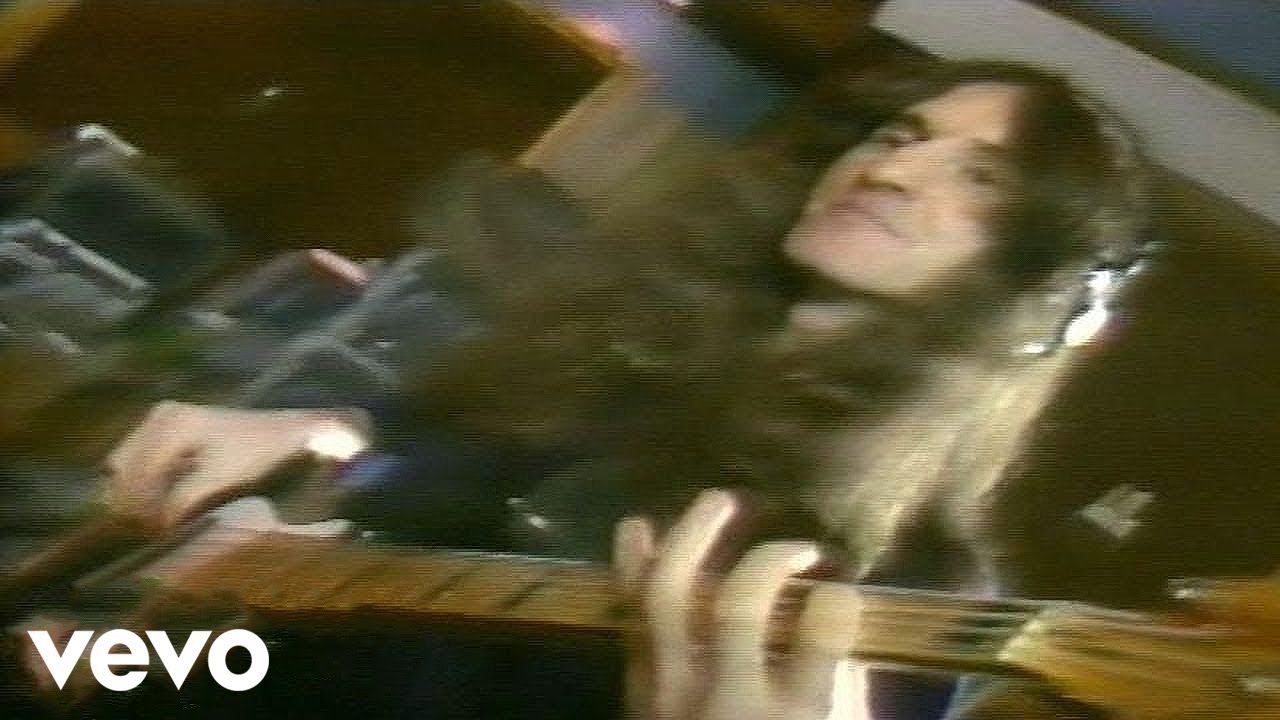
Rush had many artistic triumphs, but if we take the broad view of their career it was the Canadian trio’s ability to make progressive rock translate to all comers that is most impressive. Quite how they did it is an open secret. Their songs could be Joycean epics, complex, knowing, but they always radiated humanity, and Alex Lifeson’s note choices, his ear for a melody enriched their biggest ideas with hooks that pulled us along for the ride.
With Lifeson on guitar, and the warmth of Geddy Lee on the mic, prog was for all. Or at least pretty much all. Lifeson’s chord choices were inspired, dropping in suspended chords and letting them hang there in the air – an evening with Rush was an indoctrination of sorts into the musical appeal of the F#11, the sus2, and how open strings could transform a chord voicing and deepen the meaning of the song.
Heck, Lifeson is so good, he can even rock a Gibson Les Paul with a Floyd Rose double-locking vibrato. That’s a little like painting the Bentley neon pink, plimsolls with a suit, but go on, Alex, you’ve earned it.
9. Jeff Beck
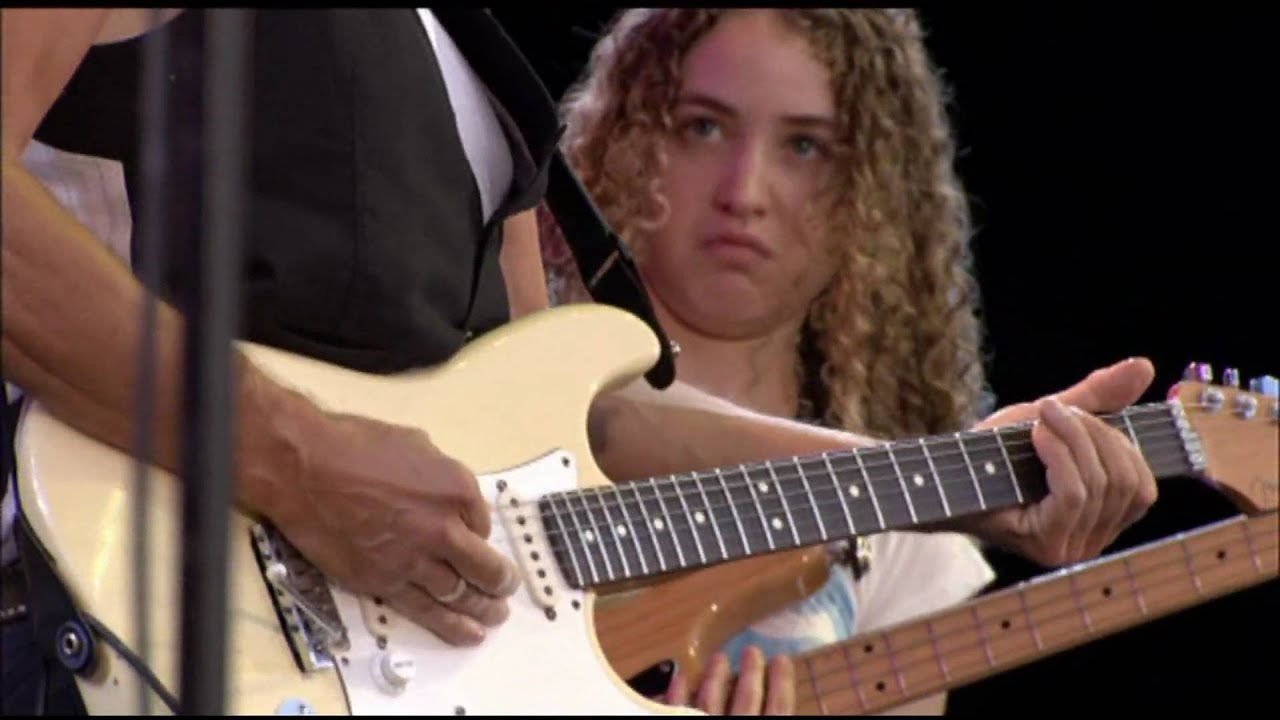
Yet another genius player to emerge from the Yardbirds to carve out a singular career, Jeff Beck was the guitar player’s guitar hero. He was the player who eschewed the pick, used his Strat’s whammy bar as truly an extension of himself, and spent his career chasing down every dynamic he could find from the instrument.
The guitar was already electric by the time Beck picked it up but there was always the sense that he hacked the grid and upped the voltage, ushering in a new era of high-volume, fuzz and noise, feedback too, without forgetting that it sounded just as good whispering as it did with a shout. Stick on Shapes of Things today and the seminal Yardbirds cut still sounds fresh as a daisy.
Beck would return to it as soon as he left the Yardbirds, reworking it for his solo debut, Truth, then reworking everything he had known on the guitar for a prolific career thereafter. The tributes from his peers since his death on January 10 2023 say it all. He was not just the guitar player’s guitar hero; he was the guitar hero’s guitar hero.
10. Slash
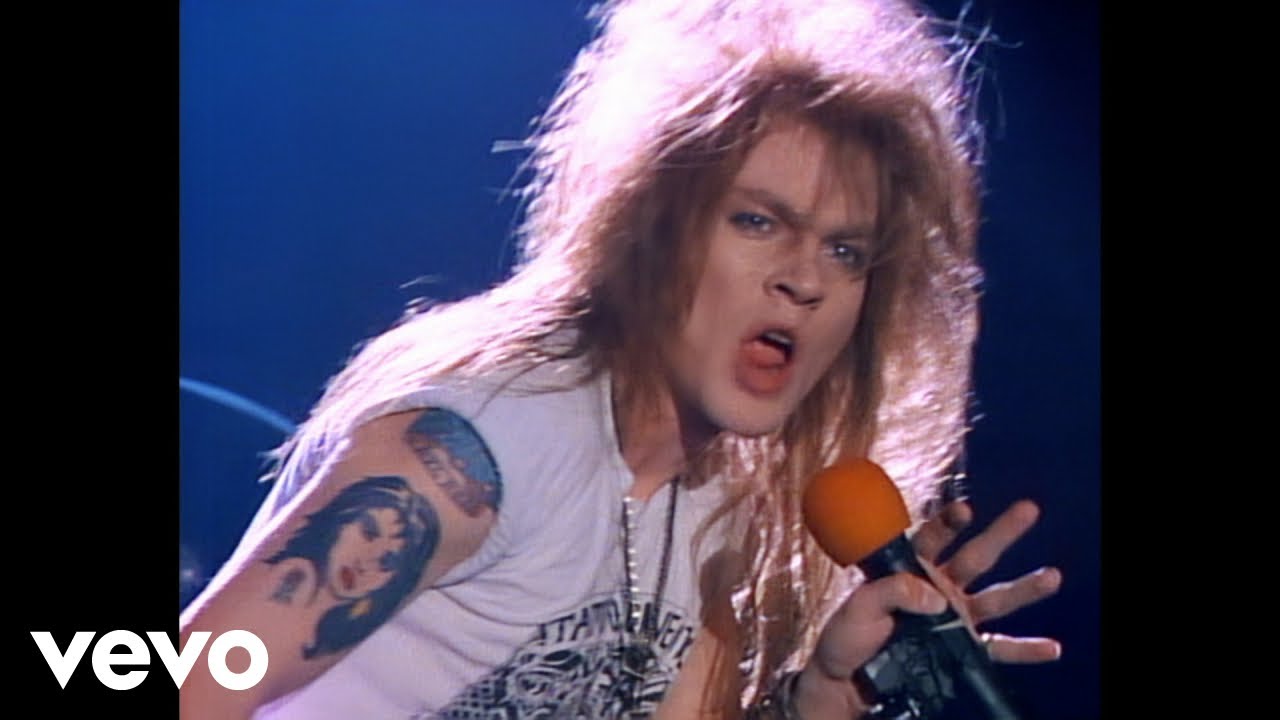
You just could not imagine Slash in a regular nine-to-five, coaching little league, varnishing the fence. If ever there was a man born to be a rock star… Where do you start with Slash? Well, Appetite For Destruction, Guns N’ Roses’ incendiary 1987 debut album is a good a place as any. It still sounds dangerous, bad for the health.
Of course, GNR is a sum of its parts – Axl straining at the leash, popping veins at the mic, Steven Adler hitting the drums with all he’s got – but Slash’s animalistic style, ripping leads and good sense to know when to pull focus with a big set-piece melody was the main ingredient, and it introduced arguably the last great rock guitar hero.
In many ways, Slash was and is a throwback. He made the Les Paul cool again in an era when hockey stick headstocks gained the upper hand, and he did so with a fake. He was on a different level, rocking back and forth between the major and minor, making a spectacle of rock guitar in one moment, revealing its seedy underbelly the next.
And he’s still doing it. His latest album with Myles Kennedy and the Conspirators, 4, recorded all but live in Nashville’s RCA Studio, retains that sense of danger, an all but impossible feat in this self-aware and sanitized era.
11. Carlos Santana
Carlos Santana expanded rock’s perimeter. The Mexican-born guitarist arrived in San Francisco right in time to bear witness to the ‘60s pop-cultural revolution. Taking a deep breath of the pungent air, he loosened rock at the hip, introducing percussion and rhythm from Latin America and Africa, and placed a guitar sound at the heart of it that was elemental and unmistakable.
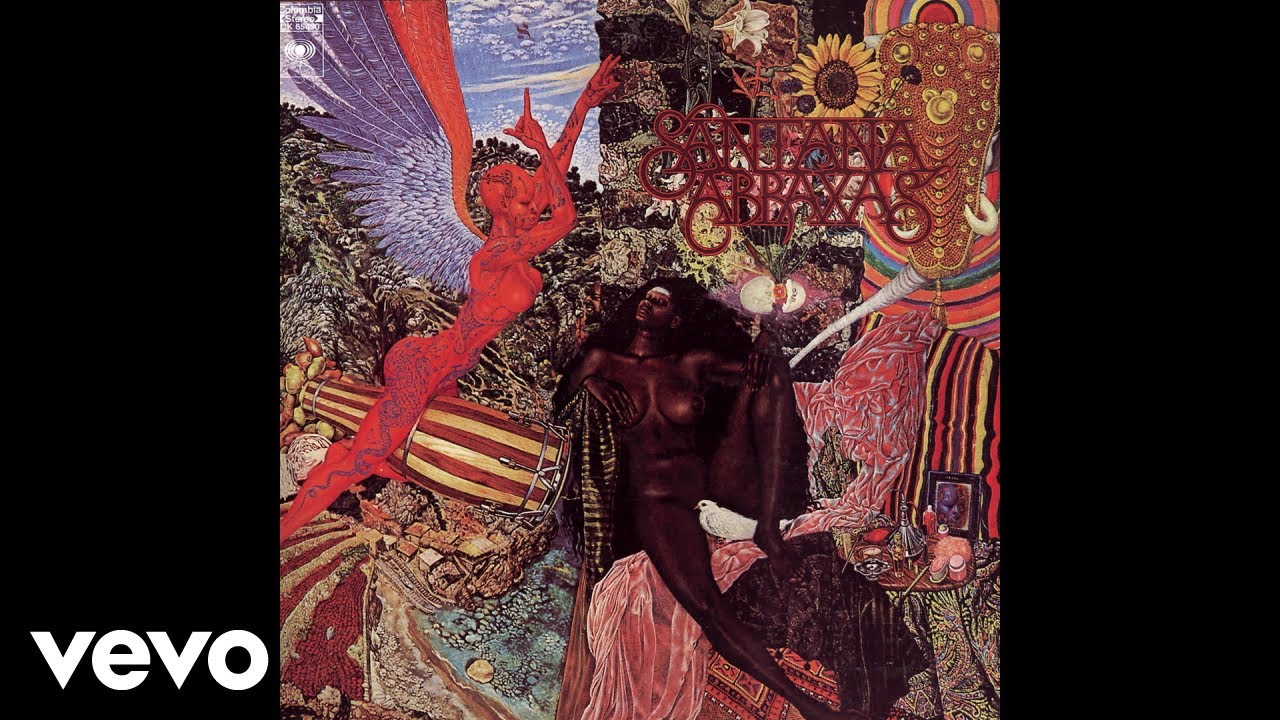
Woodstock ’69 will always be talked about in guitar circles on account of Hendrix’s off-grid excursions with a Stratocaster but consider Santana’s 11-minute jam on Soul Sacrifice, which has become the stuff of legend – perhaps to Carlos Santana himself – as he navigated the alleys of the mind after some pre-show hallucinogenics, but all the while somehow remaining present. Yeah, one foot in this astral plane, the other on the next. That’s how Santana rolls. No one else could have made a record like Abraxas in 1970.
He was and is always looking for more sustain, swapping out his Gibson SG Special – the veteran of Woodstock – for a number of Les Pauls, the Yamaha SG double-cut, before becoming the first Paul Reed Smith signature artist, helping to cement the brand’s burgeoning reputation.
12. Mark Knopfler
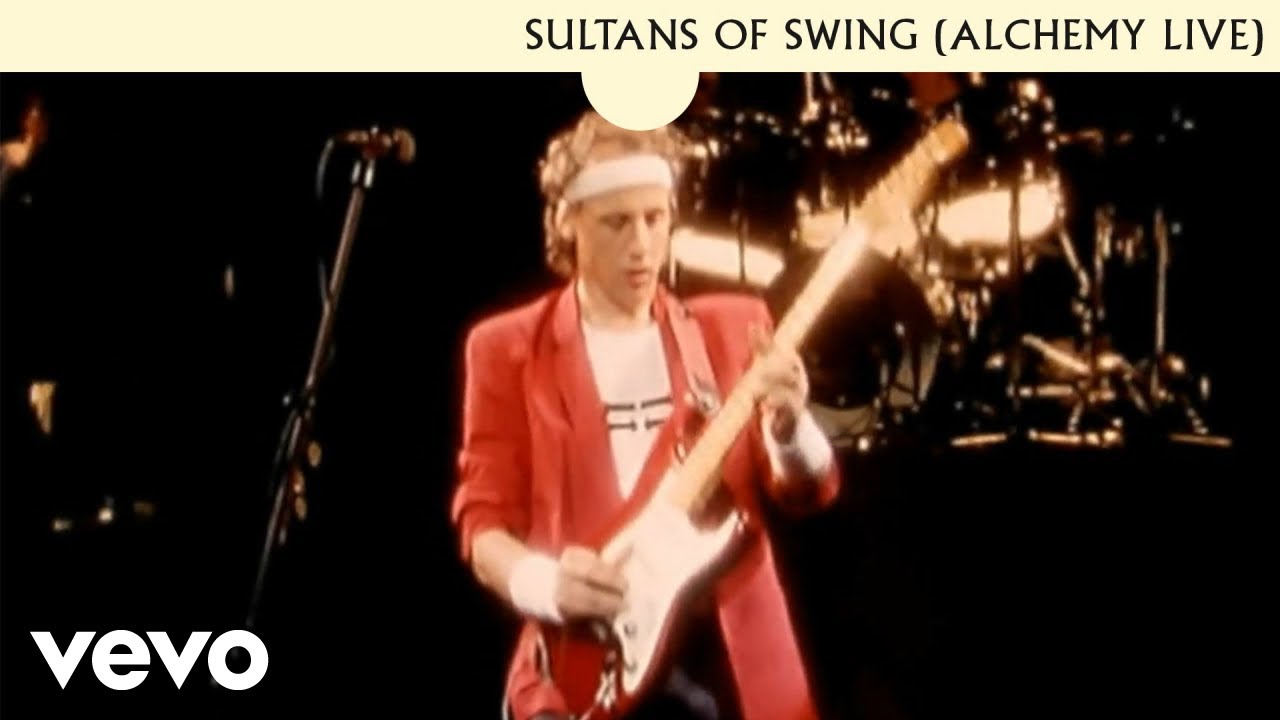
If you take only one thing from Mark Knopfler’s playing style, it must surely be his fingerstyle technique. Though his pick-hand position might appear unusual, Mark is able to control every nuance of his sumptuous tones and Strat cleans with a beautifully sensitive touch.
Fingerstyle offers unique phrasing options too; the ‘thumb, pull-off , thumb, first finger’ picking pattern of that lick in Sultans Of Swing can’t really be played another way if you want Mark’s feel.
“With me”, Mark says, “there are two sides to it. Most of the time I just use the guitar as something to help the songwriting. But every now and again, if I’m sitting down and trying to learn something, moving it forward a little bit, you realise the depth of the thing. It’s a whole different thing being a musician from being a ‘guitar player’.”
13. Angus & Malcolm Young
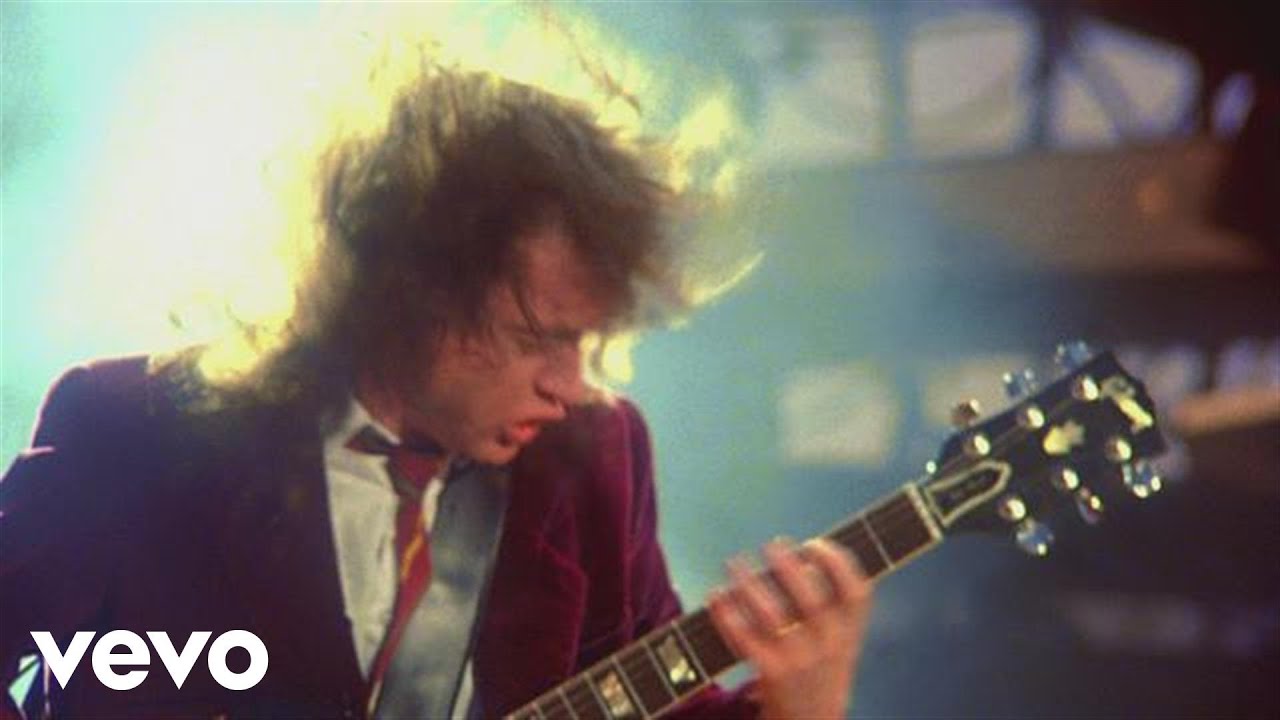
Ever since 1976’s High Voltage landed like a right hook, nobody has done it harder, louder or lairier than the Youngs. There’s a case that AC/DC’s wrecking-ball riff-raff hinges on those world-beating right hands, but you won’t nail the vibe without getting the gear cornerstones right.
Angus has been an SG disciple since his first ’68, and has used various Standards, Specials and Customs, retiring them when the pickups get waterlogged by sweat.
“They’re all the basic, stock Gibson pickups,” said his tech Geoff Banks. “He plays on the bridge pickup all the time.” Malcolm generally turned to his ’63 Gretsch Jet Firebird, customised by removing the middle pickups; leaving a solitary ’60s bridge Filter’Tron.
The classic AC/DC lead sound is built on just a Marshall 1959 SLP 100-watter with the EQ at half-mast and volume cranked.
14. Gary Moore
A powerhouse blues player with a sideline in virtuoso jazz fusion, hard rock and metal, Gary Moore’s sound was so big it is almost hard to wrap our heads around it. He will always find himself on guitar compilations on account of Parisienne Walkways, which was a masterpiece of intonation and sustain, grand and elegant.
Tracks such as Still Got The Blues and Oh Pretty Woman, that famous two-hander with Albert King, demonstrated how his unerring phrasing and searing tone could give voice to his heartache and pain.
Moore started out in Skid Row, joining his old bandmate Phil Lynott in Thin Lizzy, with whom he served as an on-off pinch hitter, but it was as a solo artist where we saw the best of him.
Influenced by Peter Green, for whom he recorded a tribute album, Blues For Greeny, Moore would also be custodian of the late Fleetwood Mac blues-rock icon’s 1959 Les Paul Standard, 'Greeny', which now resides in Kirk Hammett’s collection.
15. Billy Gibbons

There is a humility to Billy Gibbons and a low-key cool that suggests he might be tickled but mortified to be in some sort of high-chartin’ best players list. That’s just not how you do things in ZZ Top, that lil’ old band from Texas. Gibbons’ demeanor, his philosophy – all Zen and the art of beard maintenance – suggest that if you are serious about making it as a purveyor of boogie, as a storyteller and chronicler of the American experience, riff-writer extraordinaire, you’ve got to chill, because otherwise all the things you see might set your hair on fire.
Because Gibbons has seen it all, touring with Hendrix with the Moving Sidewalks, having the audacity to perform Hendrix tracks to fill out the set, a feat met with Hendrix’s approval, then building one of the all-time great rock acts with ZZ Top, branching out aesthetically on his solo work.
As a player it is all tone and touch, knowing when to tickle it and when to hit it hard. Famously, he switched to a set of 7s upon B.B. King’s advice. He wears his slide on his middle finger, which when written down sounds like a metaphor. His 1959 Les Paul Standard Pearly Gates has given us all a Holy Grail tone to shoot for.
16. Duane Allman
The young Allman had greatness thrust upon him after Clapton heard his blistering outro solo on Wilson Pickett’s Hey Jude. Having supplied all the slide and Gibson tones on Derek And The Dominos’ album, Allman played on records by soul stars Aretha Franklin and Percy Sledge.
Fame beckoned with his own band, and he established himself as the world’s foremost slide guitarist. His style laid the groundwork for Southern rock, influencing every drawl-inflected band from Lynyrd Skynyrd to Black Stone Cherry. He was dead at just 24, but thankfully one of his slide students – a certain Master Joe Walsh – kept his style going...
17. Joe Walsh
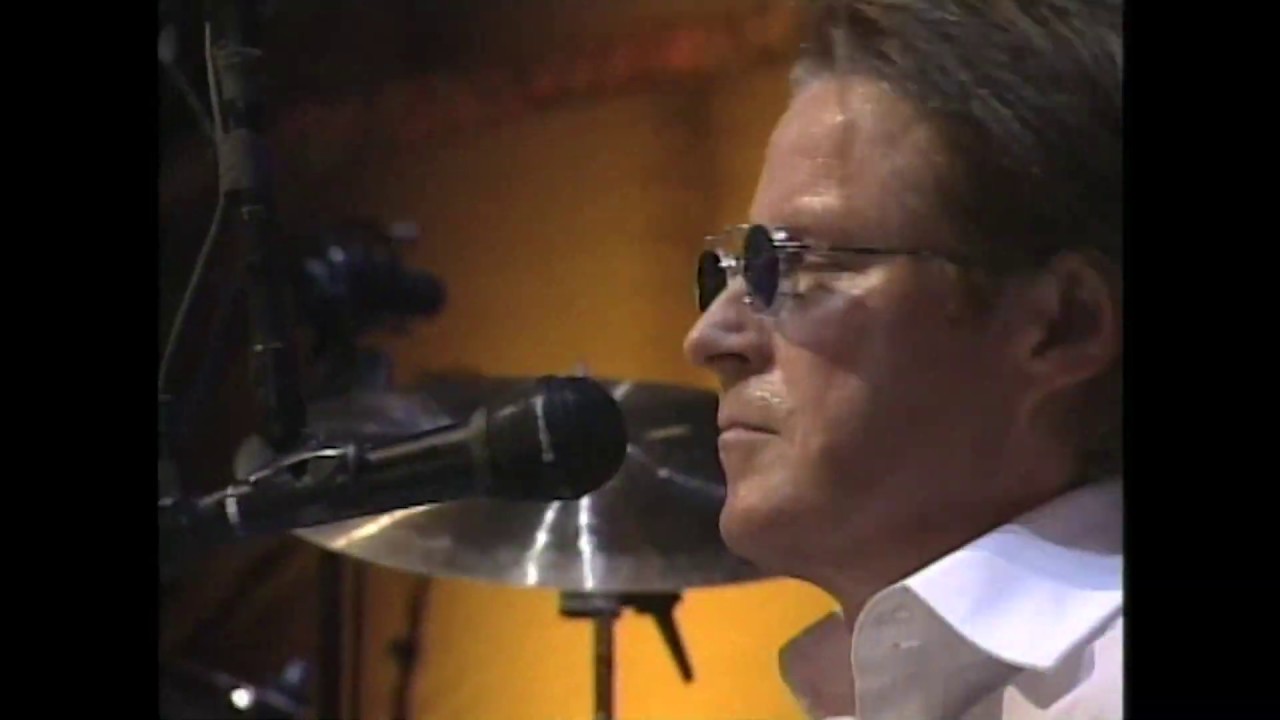
Joe Walsh was already orbiting greatness by the time he replaced Bernie Leadon in the Eagles – with James Gang and Barnstorm he had announced his presence as a songwriter, a player, and a tone-smith of some repute. But when you record an album such as Hotel California, putting your own spin on the Eagle’s easy West Coast sound on tracks like Life in the Fast Lane, dueling with Don Felder in the title track’s peerless guitar solo, that seals the deal.
A prodigious slide player, and inveterate modder who would – like Frampton – make the talk box a talked-about guitar effect via the superlative Rocky Mountain Way, Walsh has always been a seeker, chasing down new tones to complement a rhythm style that came naturally to him but remains out of reach of lesser players. His career is marked by acts of casual genius, like finding the riff for Life in the Fast Lane in a “coordination drill”. It’s mind blowing to think that anyone could keep a riff like that as a warm-up.
18. Keith Richards
Aka The Human Riff, Keith Richards needs little introduction. As co-founder of the Rolling Stones, a veritable pop-cultural institution, his story is right there in the songs.
Using a variety of open tunings, often with only five strings on his guitar, never jumping all over the track if he can help it, Richards style sees him weave in and out of the song, out of rhythm and lead but always in its pocket, his tone analog and warm.
There is new music coming from the Stones. Let’s not eulogize a man while he is still at work, but besides that unimpeachable discography you can stick popularizing the fuzz pedal with the riff to Satisfaction (I Can’t Get No) on his legacy achievements.
Once upon a time, the Stones were this brand new thing, young and dangerous, but looking back with the luxury of hindsight – and we are all only young once – what they’ve been doing all this time is drilling back through music history, mining old blues, lost RnB and soul for inspiration, regressing to the mean to be an ever more perfect version of themselves, the ultimate rock ’n’ roll band.
19. Frank Zappa
Rock’s mad scientist and savant genius had the iconoclastic wit of a Robert Downey picture and a musical knowledge like, well, like no other. Some orchestrated counterculture. Frank Zappa made an orchestra out of counterculture. He made high art of the gaudy and the ribald. He turned scratchy guitar rock into unsparing and forensic examinations of American society and its discontents. He made composing hip.
Zappa is not always easy to digest. The audience has to tune into his frequency. Sometimes the reception is fuzzy. Those who approached his canon with an open mind were rewarded with a trip through a singular mind. As Lowell George, Adrian Belew and Steve Vai can attest to, he was just as intimidating as a band leader. But then it takes a certain someone to make a record like One Size Fits All.
20. George Harrison

George Harrison was the coolest member of the coolest band ever. Lennon/McCartney of course has its own pop-cultural gravity – there is no one to match them – but some of the Beatles best tunes came from Harrison, and some of the most interesting guitar playing of the ‘60s and ‘70s, too.
Some of the most selfless, too. His playing stopped when the melody was rendered in full, when the song got what it needed. One of his great talents lay in how he sublimated his technique into material that was readily digestible. The Beatles, of course, were masters of this, of top-tier musicianship and craft that spoke to everyone.
As to the songs, take your pick. Taxman and Hear Comes the Sun show the spiky and the mellifluous side to his playing respectively. But it all comes back to Something, a song Sinatra covered and paid Harrison the ultimate tribute by crediting it to Lennon and McCartney. What a band. What a player.
21. Pete Townshend
The player who launched a thousand insurance premiums as the Who’s propulsive rock style chewed through the scenery and backline, Pete Townshend was the windmilling firebrand who may well have been operating out on this animalistic frontier – all instinct and embodying the very id of ‘60s youth, the ne plus ultra of rebellion – but the brain was whirring all the time.
The Who matched big sounds with big ideas, and Townshend, driven on by the compelling power of a Marshall stack, kinetic and dangerous, was at the heart of it, putting great riffs in timeless tunes.
22. Lindsey Buckingham
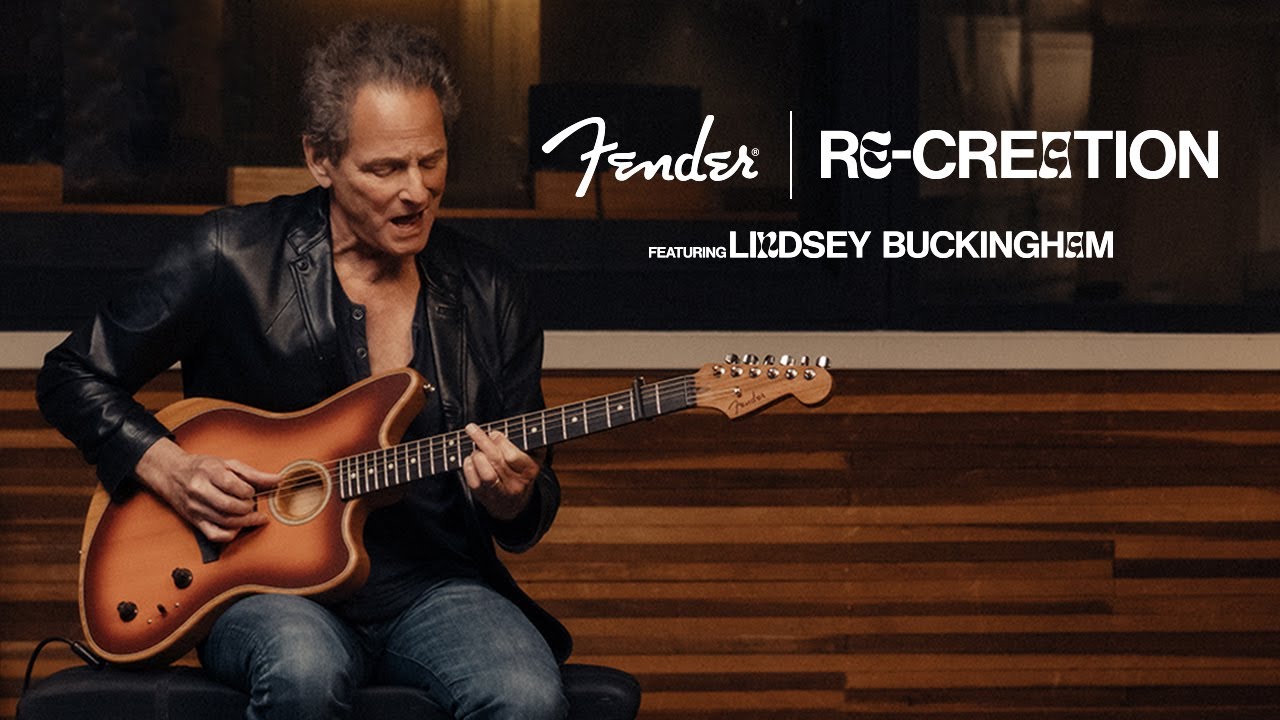
Eight years, nine albums and four guitarists down in their career, Fleetwood Mac would hook up with a player who would accompany the group from the brink of major worldwide success to multi-platinum domination.
The band’s first release with Buckingham – their ‘White Album’ – would be their first number one, in the USA at least, and the follow-up, 1977’s Rumours, hit the stratosphere all round the planet.
Favouring fingerstyle over picking, and citing Scotty Moore and Chet Atkins as heroes, Buckingham would steer Mac in a broader musical direction, from pop and rock to folk and more avant garde offerings.
23. Steve Howe

Steve Howe joining Yes in 1970 was Big Bang moment for prog guitar. Its universe expanded, and when its stars aligned all kinds of strange magic occurred. There is a touch of sorcery to Howe’s work.
Renowned texturalist, he makes more out of less, applying volume pedal to accentuate his dynamics. But listen again to iconic works such as Fragile and Close to the Edge. You will hear Howe listening, giving the song just what it needs. He has amassed such a broad vocabulary on guitar that he now tours with a Line 6 Variax and leans on amp modelers to store all these sounds.
We’ll leave you with some advice from the man himself: “I don’t think guitarists should concentrate on being guitarists. They should concentrate on being musicians. Being a guitarist can be a dangerous thing if you just want to race off and steal the show all the time on bended knees with your tiddly tiddly tiddly.”
24. Peter Frampton
Like many players on this Top 100, Peter Frampton cemented his legacy among guitar players by popularizing a sound; who can think of the talk box without the electric presence of Frampton coming to mind?
He made his name with Humble Pie and the Herd, and played with David Bowie (they both attended the same school) on Never Let Me Down and the ensuing tour. This, said Frampton, made him cool again. But he was always cool, as anyone who owns the his tour-de-force live album, Frampton Comes Alive!, can attest to.
25. Joe Perry
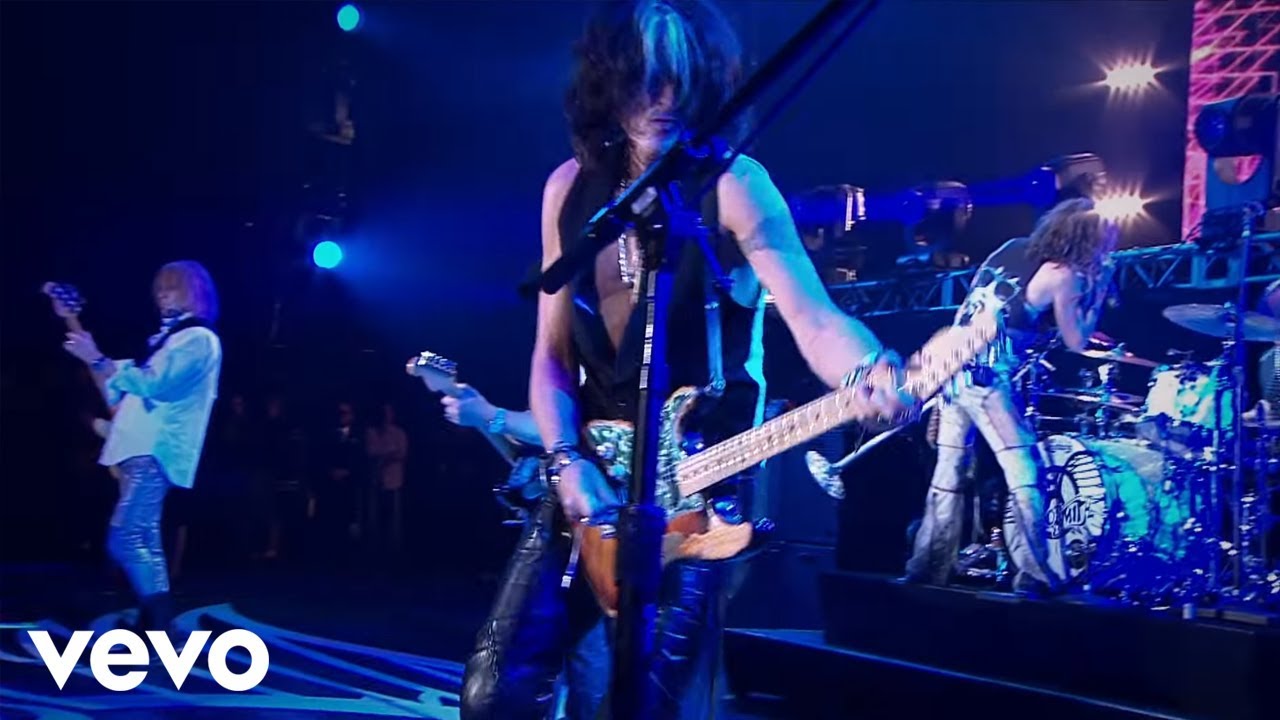
The popular perception is that Joe Perry is the proto-Slash of the early ‘70s: shirtless, legless and elegantly wasted, requiring only a Les Paul and Marshall for his blues-box sleaze. In fact, there are many toys in Perry’s attic.
In 2008, he estimated his guitar collection at 600, citing his workhorse back then as the one-off ‘Billie’ Lucille semi-hollow, while other treasures include 50s Supro Ozarks for slide, BC Rich Biches and Dan Armstrong Plexis, and the Guild T-250 that was all over Aerosmith’s late-80s comeback albums.
“For me, a lot of how I write a song or riff comes from the particular guitar sound,” Perry explains.
Also in the running…

Paul Kossoff
AC/DC copied the Free legend’s frenetic vibrato and muscular riff writing, and All Right Now remains a masterclass in building excitement.
Mick Taylor
“Taylor was a very fluent, melodic player,” said Mick Jagger. With wah and slide, he create impressively vocal sounds.
Steve Hackett
Tapping before Eddie and sweeping before Yngwie, the Genesis wizard was also an early adopter of the guitar synth.
Steve Lukather
His easy groove, wild bends and fluid runs made Toto’s guitarist the first call session player of the '80s.
Scott Gorham & Brian Robertson
Thin Lizzy drove the Les Paul and Marshall combination harder than anyone had before, defining the sound and licks of heavy rock guitar.
Tom Scholz
Second only to EVH for defining '80s rock guitar tone, the Boston man invented the gear behind hundreds of hits.
JJ Cale
He wrote Cocaine, originated the Tulsa sound and counted Clapton, Knopfler and Neil Young among his disciples.
Andy Summers
The Police’s songs would have sounded generic without Andy’s innovative add9 voicings and his EHX Electric Mistress flanger pedal.
The Edge
By using delay as an instrument of its own, with U2 he found an entirely new way to orchestrate guitars.
Robert Fripp
Guitar’s premier mad scientist, Fripp has defied convention and influenced every subsequent progger.
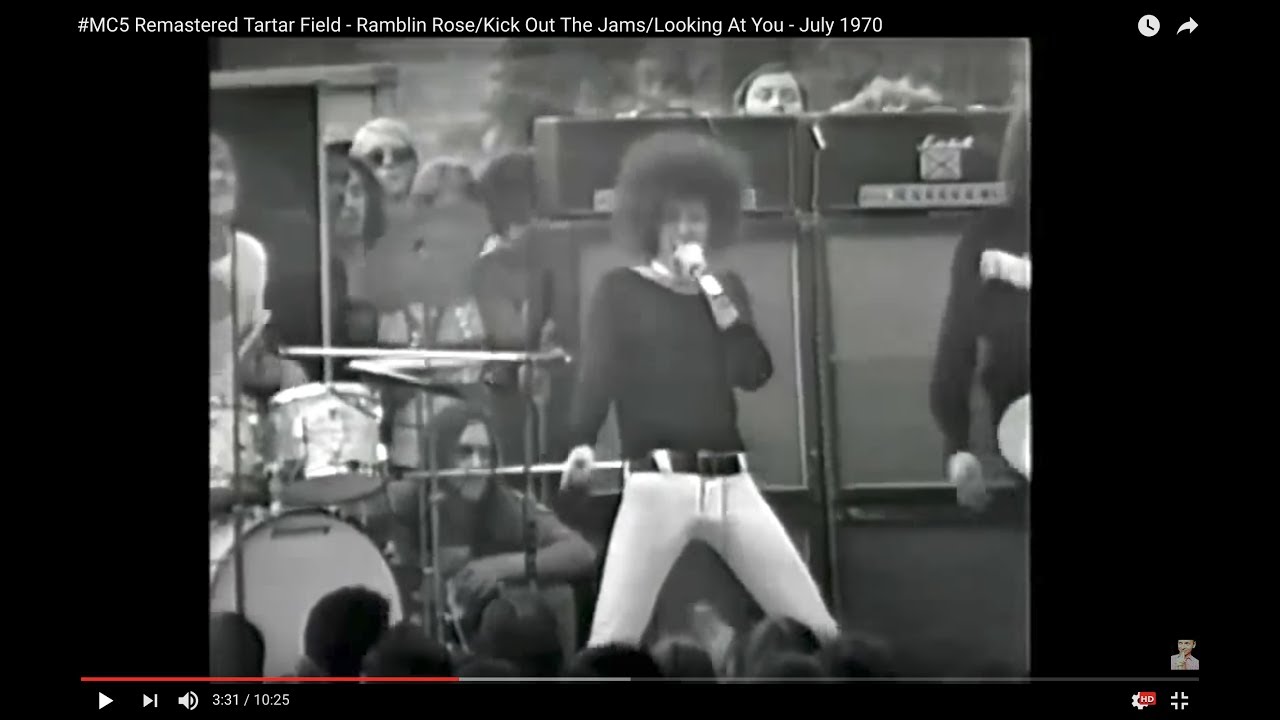
Wayne Kramer & Fred 'Sonic' Smith
The MC5’s garage rock kicked out the jams, predated punk by a decade and sounded angry as hell.
Jeff 'Skunk' Baxter
He played on more records than some people own, most notably adding inspiration to Steely Dan and the Doobie Brothers.
Mick Ronson
Created the arrangements for Bowie’s best material. Find any guitarist in makeup and Ronson is probably the reason they started playing.
Dick Wagner & Steve Hunter
They shook the sound of rock first with Lou Reed, then again with Alice Cooper. Hunter played uncredited for Aerosmith.
Neal Schon
When rock became a speed competition, Schon made solos you could sing. Journey are still on the radio as a result.
Ry Cooder
An undisputed slide master, Cooder’s smoking licks even vanquished Steve Vai in Crossroads. His feel and vibrato are unrivalled.
Andy Powell/Ted Turner
Wishbone Ash did more than anyone to introduce harmony guitars to metal. Their twin guitars gave Iron Maiden their cue.
Jerry Garcia
Garcia idiosyncratically borrowed banjo techniques, leaving behind 22,000 hours of recorded music with the Grateful Dead.

