


From 1965 to 1972, Jack Casady stretched the art and technology of the electric bass faster and farther than anyone ever had before. Casady revolutionized the instrument and helped to create the ‘San Francisco sound’ with Jefferson Airplane, before forming Hot Tuna with guitarist Jorma Kaukonen.
“Jack had this roaring, growling thing that would start at the bottom and twine all the way up,” said singer Grace Slick, answering a question about why she joined Jefferson Airplane in 1966. (The quotation appears in the booklet for Jefferson Airplane Loves You). “I’d never heard bass like it.”
Casady began his career with an early-‘60s Fender Jazz Bass, which was soon stolen. By the time of Jefferson Airplane Takes Off, he was using another Jazz Bass, generally through a Fender Bassman amp.
Speaking to Bass Player in 2022, Casady explained: “I played the first three albums with that Jazz Bass with a P-pickup in it, so it was really a three-pickup instrument.”
Casady’s first bass amp was a 50-watt Fender Bassman. His dad built a 4x10 extension cabinet that was “loud as hell and looked like a coffin!” According to Casady, it was designed to fit precisely into the back seat of his 1950 Pontiac.
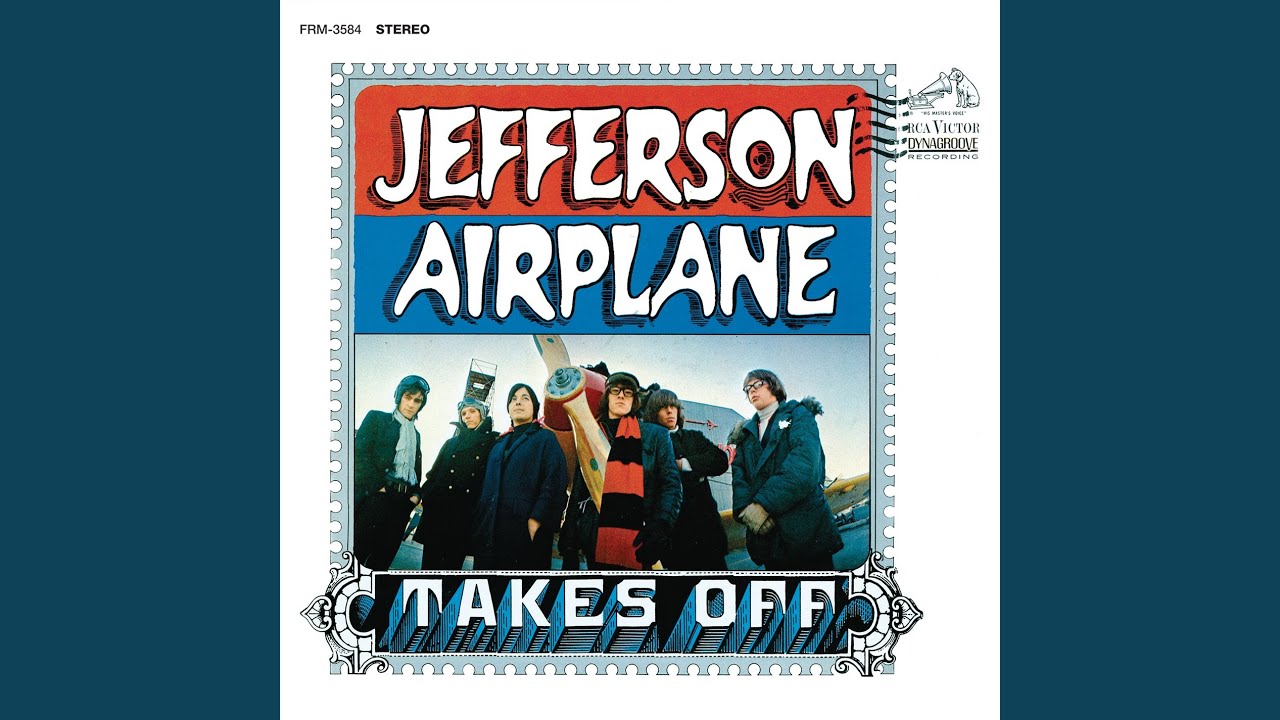
In 1967, during the sessions for After Bathing at Baxter's, amp designer Bob Hall came down to the RCA Studios with an amplifier he'd designed for acoustic bassists: a 40-watts-per-channel stereo tube amp called the Versatone. The outputs from the two channels were combined into one custom-made 12-inch Utah speaker.
Casady was quickly impressed by the Versatone's potential. “Jack turned the thing all the way up!” Hall told Bass Player in 1993. “I didn't know why you'd want to do that – but as long as he bought the amp, it was his business.”
Casady’s high-flying tone was complete with the addition of the Versatone. He soon discovered a more subtle approach to the volume control, and the Versatone turned up halfway – so it distorted only when he played harder – became a crucial part of his sound.
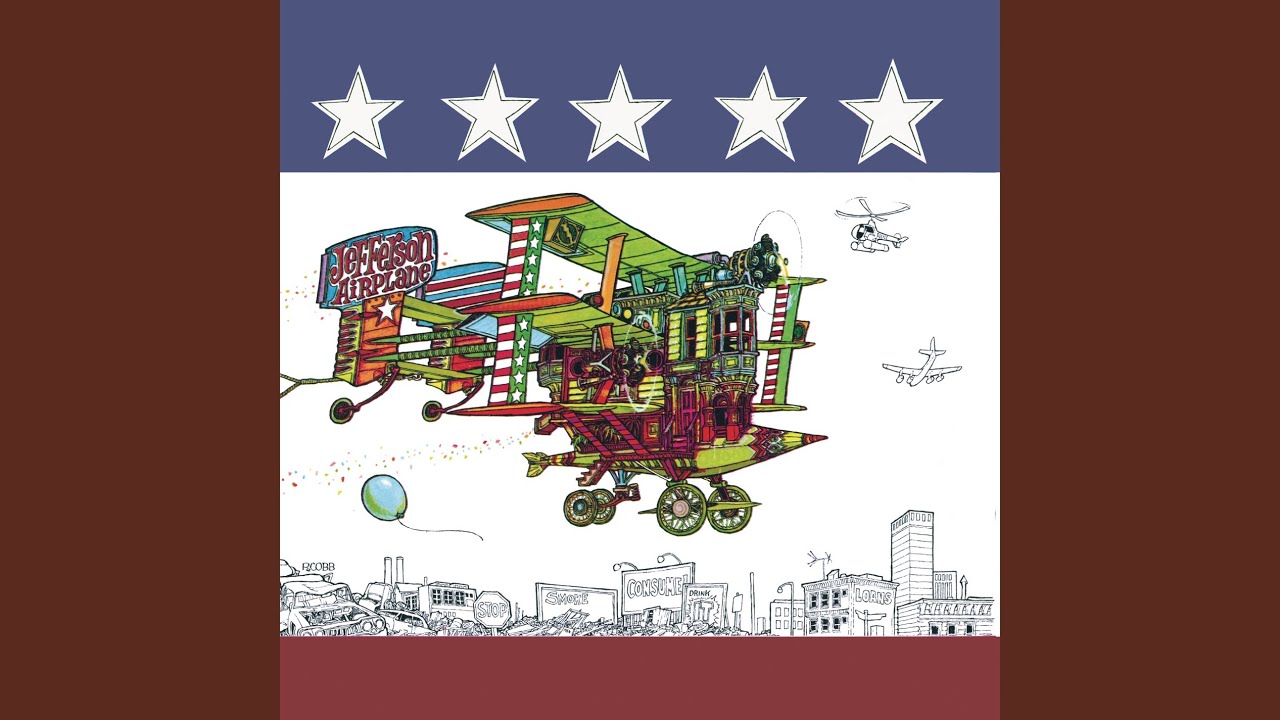
The Jazz Bass was still Casady’s main instrument on After Bathing at Baxter's, though towards the end of the sessions he tried his first Guild Starfire Bass.
This instrument began to evolve when Augustus Stanley Owsley and Ron Wickersham made some modifications to the electronics. Their circuit was a variable-Q resonance filter, with Darlington emitter-followers at the pickup to lower output impedance before the filter.
The modified Starfire – dubbed ‘Mission Control’ (not to be confused with Phil Lesh's Alembic) – was refinished by luthier Roy Noble and received an ornate headstock inlay, designed by Jorma Kaukonen’s wife and executed by luthier and inlay artist Chuck Erikson.
Casady used this bass for the next three Airplane albums. It was stolen shortly after Woodstock, leading to the purchase of another Guild, a sunburst 1968 or 1969. Casady shipped it back to Wickersham immediately.
There was no time for woodworking, so Wickersham sawed out the top around the lower f-hole and installed three magnesium channels for the controls.
“Back in those days we were chasing a hi-fi sound – we were trying to get better fidelity all the time. I learned all that from my father, who was a dentist, but as a hobby he was an audiophile. He loved to make amplifiers and put sound systems together to listen to records and get better fidelity. So, I was kind of trained in that – to always get something that sounded a little better.”
Casady used this bass until early 1972, when he got his first Alembic.

Casady's new bass was the first all-Alembic instrument. Built by Rick Turner, with pickups of his design, it had elaborate electronics by Wickersham. It featured different sets of pickups on sliding rails and interchangeable bridge saddles of different materials.
At some point during the next three years, the bass was dropped onto a concrete floor and returned to Alembic for repair of body cracks. According to Casady, “It never sounded the same after that.”
Casady replaced the Alembic with a Flying-V bass made from a mahogany body by luthier Glenn Quan, a short-scale Guild neck, and ’60s Guild pickups. He used this instrument during Hot Tuna's hard-rocking period.

During his tenure with SVT, Casady moved to a couple of Modulus Graphite P-style instruments, as well as a Stars Guitars P that was stolen after a show in West Hollywood.
With the downsizing of the reformed Hot Tuna in 1985, Casady opted for a Guild B-30 acoustic bass guitar with piezo pickups in the bridge. Then, while living in New York City in 1986, he found a 1971 Gibson Les Paul Signature bass at Chelsea Music. This long scale, semi-hollow instrument with a single low impedance pickup quickly became his main bass.
Casady’s admiration for semi-hollow basses culminated in the launch of an Epiphone signature model in 1997, which resembles his Gibson Les Paul from the ‘70s and has enjoyed consistent acclaim since.
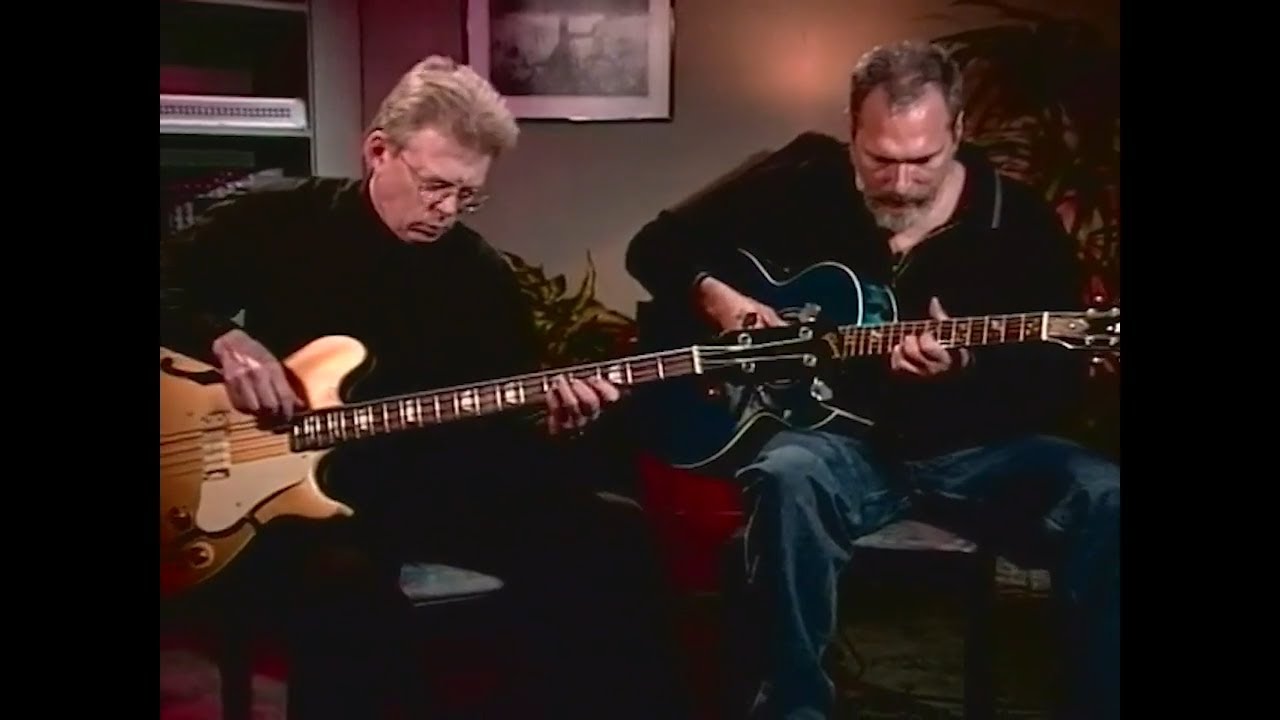
“I love electric instruments with acoustic properties. And with the Les Paul, I finally found a bass that's responsive enough to capture all the subtleties of my sound and style, from the high-end to the low-end.
“I approached Gibson about reissuing that bass, and they turned me over to Jim Rosenberg at Epiphone. We duplicated the pickups as they were on the old Gibson model, but then I took the pickup and added more Alnico power to it – another three-quarters of an Alnico magnet on the other side.
“I also wanted a long-scale f-hole bass out there. The Guild f-hole guitar wasn't a true hollow body; it had a block down the centre. But this instrument still has an acoustic quality, and that's why I think it sounds so good along with the pickup.”

