


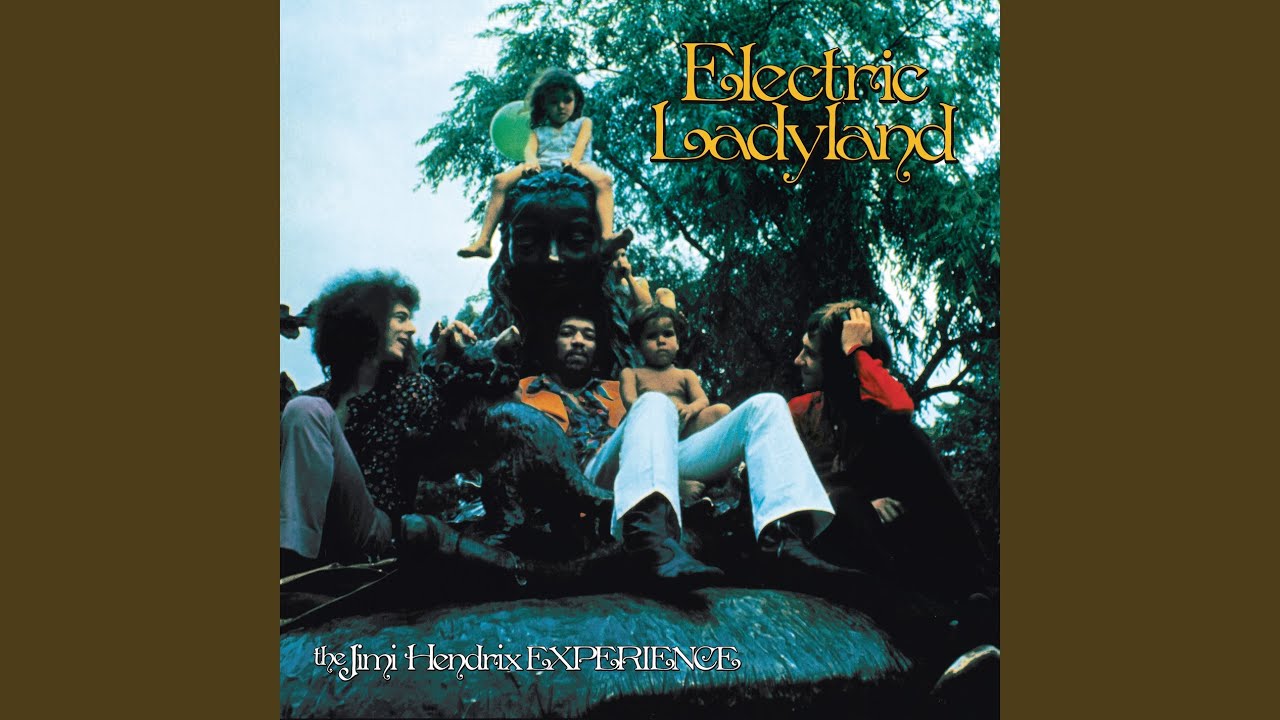
Few recordings have achieved the mythical status of the 15-minute Voodoo Child jam from the Jimi Hendrix Experience’s Electric Ladyland.
Cut in the early hours of May 2nd, 1968, with an all-star cast that included Steve Winwood and Jefferson Airplane bassist Jack Casady, the sprawling blues workout was the product of a spontaneous late-night studio session at New York City’s Record Plant Studios.
For Casady, the invitation came after years of crossing paths with Hendrix on the late-‘60s touring circuit, where a friendship with drummer Mitch Mitchell led to one of rock's most celebrated recordings.
“In the late ‘60s Bill Graham was managing us, and we would suggest other artists to him for our shows,” explained Casady in the October ’93 issue of Bass Player. “Jimi was one of them.
“The first concert we did together was Monterey Pop, and we became friends. In fact, Mitch Mitchell and I really hit it off, both musically and personally.

“Later, when Jimi was recording Electric Ladyland, we came through New York, and a bunch of musicians, including Steve Winwood, went down to see him.
“Around 4am, Jimi decided we should do some playing – fortunately, I had my Guild with me. He broke out a blues tune that we ran through three or four times and then recorded; it ended up on the album as the long version of Voodoo Child.
“I'm also on a couple of tracks from the Live at Winterland tapes that Rykodisc later released.”
Unlike his more melodic work with Jefferson Airplane, here Casady locks tightly with drummer Mitch Mitchell, letting Hendrix and Winwood take the spotlight.
His bass tone is unmistakably late-‘60s – rich in low-mids, lightly overdriven, and full of the kind of natural bloom that comes from a cranked amp in a live studio environment.
“After hearing bands like Cream and the Jimi Hendrix Experience, I became really interested in overdriving my amp. I'd been using the semi-hollow Guild Starfire along with my Jazz Bass, and I noticed that the Fender didn't distort well, but when I played overdriven chords and moved up the neck on the Guild, it had a sweet sustain with a lot of interesting overtones.”

Reflecting on his almost telepathic lock with drummer Mitch Mitchell, Casady said: “When I work with drummers, we often have a hard time seeing eye-to-eye because I don't play patterns with them. It's still a marriage rhythmically, but playing together does not mean just playing the same notes.
“Fortunately most of the drummers I play with understand this, so we're able to support each other while still exploring new ideas.”

