

No bassist in the past 30 years has prompted more bare-chested youngsters to pick up the bass guitar than Flea of the Red Hot Chili Peppers. His aggressive, slap-heavy style lit up the mid-’80s L.A. scene, exemplified by their cover of Stevie Wonder’s Higher Ground.
On the group’s first four albums – Red Hot Chili Peppers, Freaky Styley, Uplift Mofo Party Plan and Mother’s Milk, Flea mixed the thumping innovations of Larry Graham and Louis Johnson with his own style, built on punk rock abandon.
“Understand that my roots are in punk, which was all about playing hard, fast, and loud,” said Flea in a Bass Player interview from January 1992.
It all started in high school, when guitarist Hillel Slovak asked Flea to play in his band. He bought a Fender Mustang and played his first gig two weeks later.
“Hillel and Anthony and I were living together at that time, and a friend of ours needed an opening act, so we put a band together without rehearsing. We were billed as Tony Flow & the Miraculously Majestic Masters Of Mayhem.
“When we got onstage, I started some funk-bass thing, Anthony read a poem, and we just played. At the next show, we were the Red Hot Chili Peppers.”

At the time, no-one could have imagined the extraordinary success that awaited. Yet things could have turned out very differently.
Just as this early incarnation of the Chili Peppers was beginning to gain momentum, Flea auditioned for the notorious L.A. punk outfit Fear.
“By 1982, I had shaved my head and got into taking acid and acting crazy, and the next thing you know I had quit Hillel’s band and joined Fear. It was a complete turn – all of a sudden I was playing bare-bones, raw-energy punk rock.”
Flea’s involvement in Fear came at a pivotal moment in the development of the Southern California punk scene, exposing one of the bass world’s future stars to a band whose abrasive sound, controversial reputation, and fierce live performances helped define a turbulent chapter in underground music history.
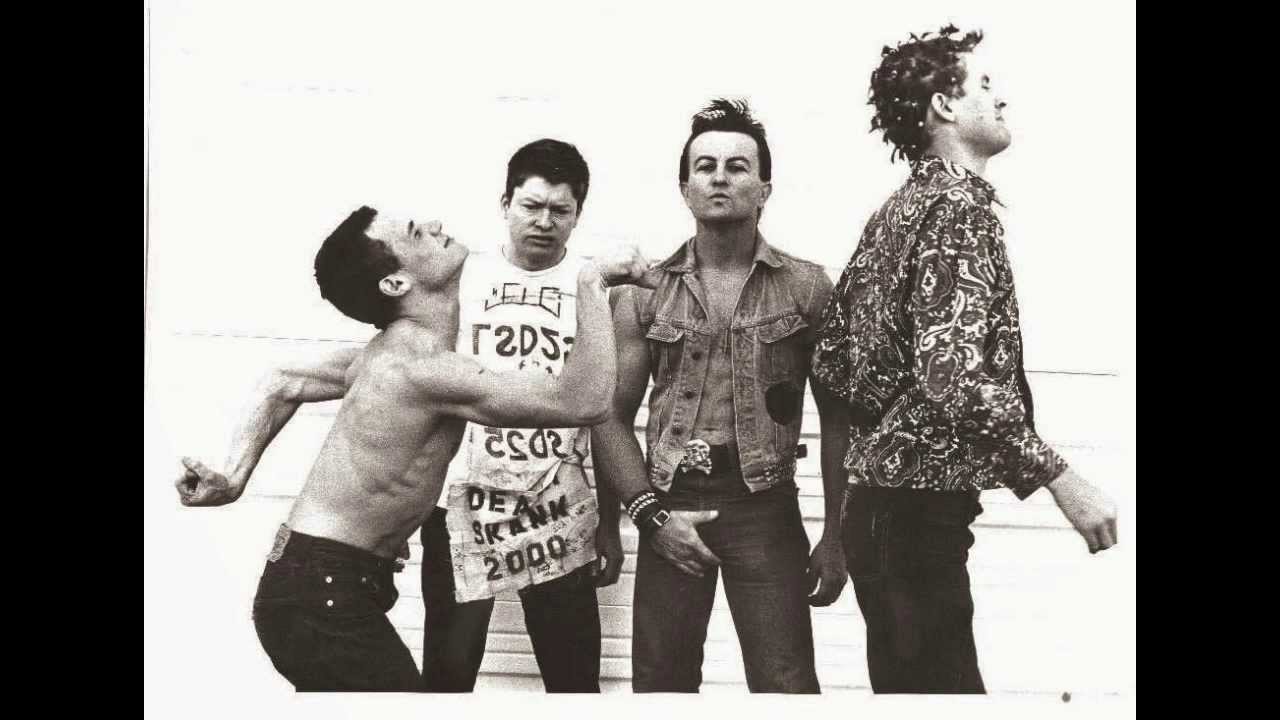
“The musicians in Fear were great. The drummer, Spit Stix, was a big influence on my musicianship. I had never warmed up before I played; he taught me how to get my blood going before a show, how to be physical, and how to push the music. I really enjoyed being in Fear.”
Drawn to funkier feels, however, it wasn’t long before Flea was looking to leave the group.
“I discovered that what I was listening to was different from what they were into; they wanted the band to go in a metal direction, and I liked the funky feel. It became more obvious I wasn't going to have the freedom to be creative.”
The Chili Peppers themselves were also gaining fans with a signature brand of punk-funk and over-the-top antics. By this point, the lineup had shifted to include Flea, Anthony Kiedis, guitarist Jack Sherman, and drummer Cliff Martinez.
“As a band, the Chilli Peppers was really starting to happen. I wanted to leave Fear, but I didn't have the guts to quit. I was sitting there trying to get up the nerve to call, and just as I reached for the phone, it rang. ‘Hi, Flea, you're fired.’ It was great! From then on, it was just the Chili Peppers for me.”
Though his tenure with Fear was relatively short, it sharpened Flea's skills as a performer and exposed him to the raw energy that would later become a defining characteristic of his slap bass technique.
“When I got into punk, the way I slapped wasn't really funky; I was just hitting it as hard as I could, just abusing the bass. I was really into the punk ethic: play every note like it's your last! You could be dead tomorrow! Play for today! And when you perform, give every ounce of energy you have, but it’s not because you're better than anyone else – it's just what you have to do.
“You do it because you mean it: you're pissed, because things are twisted. And that's beautiful – the punk thing is so honest and sincere. Even though the genre was finished a long time ago, the intensity is still important to me.”
