The 1970s is often considered the decade in which funk bass was conceived, and it’s an obvious conclusion given the invention of ‘thumping and plucking’ – later rebranded as slap bass – by Larry Graham of Sly & The Family Stone.
But by the end of the decade, fans of rock bass were also spoiled for choice, thanks to Garry Tallent of the E Street Band, Tom Petersson of Cheap Trick, Dee Murray of Elton John’s band, John McVie of Fleetwood Mac, Ross Valory of Journey, and Peter Cetera, a founding member of Chicago.
“There were so many great bassists out there,” said Cetera in the December 2007 issue of Bass Player. “But the two bass players who had the biggest impact on me in the ‘70s were Willie Weeks and Jaco Pastorius.
“Jaco actually came to hear Chicago in the mid ‘70s, and then we got together at my house, where he played this Guild acoustic bass guitar I had.
“He was totally straight then and just the nicest cat, but hearing him up close I was like, ‘I can't even call myself a bassist!’ Yet, he said to me, ‘If you ever need a sub, please call me! I’d kill to play with you guys.’”

Also on Cetera's hallowed list of essential listening is the finale of Donny Hathaway's classic 1972 Live album.
“When I first heard Willie's solo on Everything Is Everything, I was blown away; that's like the greatest bass solo ever! I got to meet Willie Weeks in L.A. and he would come and hang at my house and play that same Guild.
“Later, when I started recording in Nashville, I found out he was down there. He did my sessions and we hung out. He's the most humble guy you can imagine.”
By the time Cetera left Chicago to pursue a solo career in 1985, he had left an indelible mark not just as a bassist, but also as a lead-singing frontman and composer. That's his unmistakable high tenor on 25 or 6 to 4.
As a writer, he penned such hits as If You Leave Me Now, and he co-wrote the band's biggest singles, You're The Inspiration and Hard To Say I'm Sorry, with producer David Foster. The pair also combined for Cetera's own No. 1 hit, Glory of Love, although by that time the bass guitar had taken a backseat.
“When David Foster was brought in to produce our first album for Warner Bros., that really took bass out of the equation. He and I clicked immediately and started writing together, but the sound of pop music had changed.
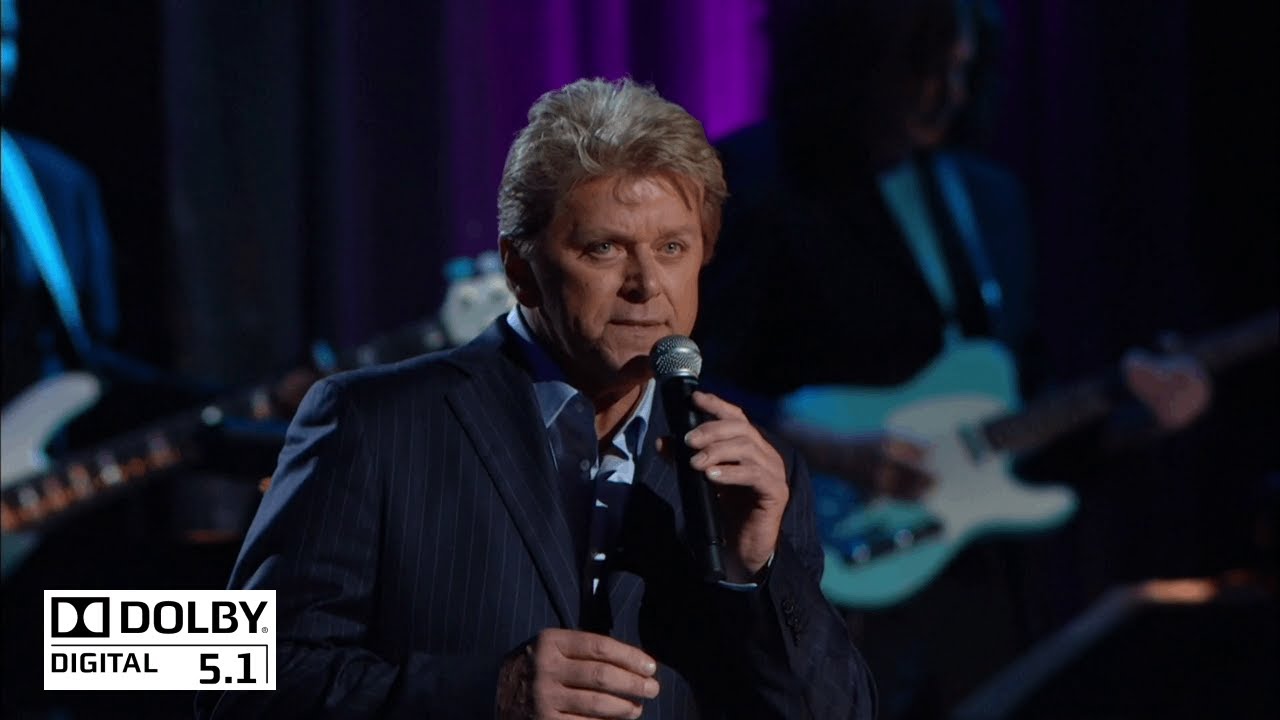
“David was not only the best keyboard player I'd ever heard in my life, he was the best drum programmer and the best synth bass player. I would go to pick up my bass and then hear him play a killer Moog groove and I'd literally put the bass back in its case. It just didn't fit the music at that point.
“I also began to feel that during my time with the band, because I hadn't been able to fully focus on either singing or bass playing, both had suffered. So, when I went solo soon after, I decided to concentrate entirely on being a frontman.”
You went on to use many top players on your solo albums.
I used Pino Palladino on a couple of my albums, after hearing his amazing work with Paul Young. I've also gotten to know legends like Carol Kaye, Joe Osborn, Duck Dunn, and Chuck Rainey. I get as tickled meeting them as meeting stars like McCartney and Brian Wilson.
How about your vocal start and influences?
I had never sung in school, but when we got the band together it was just, ‘Who's going to sing this one?’ I remember the first song I sang was Mashed Potato. I got the obligatory shock when touching the mic and bass strings!
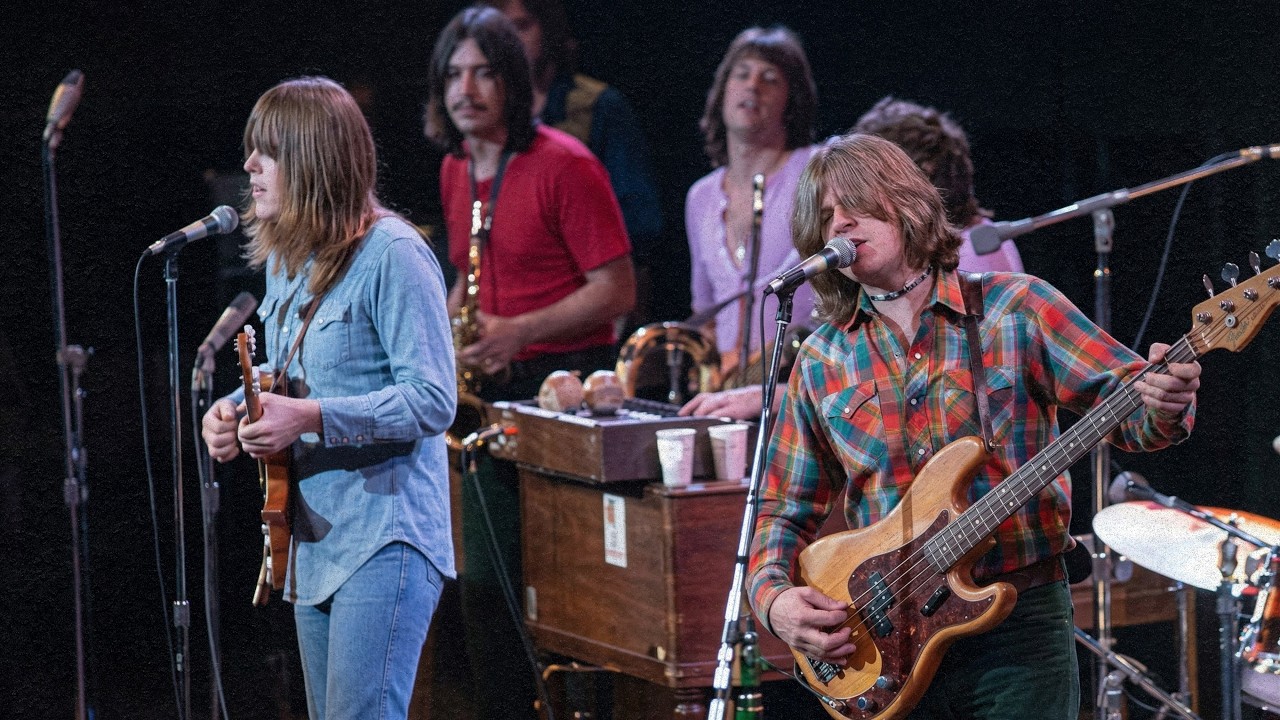
Were you given any advice at the time?
There were two key early lessons for me. The first was from a friend's father, a jazz saxophonist who took us to see people like Stan Kenton and the Four Freshman. He said, ‘Pay close attention to everyone you listen to. If you like them, you'll pick up something from them; if you don't like them, you'll learn what you don't want to do.’
The other was seeing James Brown in a mostly empty auditorium one afternoon. He could have taken it easy, given the setting, but he was jumping around, sweating and yelling at the band, just giving it his all.
What was your bass approach in Chicago?
My primary goal was to be melodic; McCartney was so in my head then that I'd try to think a little out of the box – like picking my spots for the upper-register stuff. Plus, Jamerson and my R&B roots were in my subconscious, so keeping a strong groove went without saying.
How would you get through the band's extended instrumental suites, which often had odd-meter figures?
That was a challenge because I've never been the most knowledgeable bass player; I don't really read music and if you're talking about chords, I don't go much past, ‘Is it major or minor?’
On the instrumentals, I would have chord charts to follow, and I'd just feel my way through the odd-time stuff. I also had a live bass solo in the early shows, but I can't remember the song. It was a one-chord vamp and my main inspiration at the time was Free's Andy Frasers work on Free Live.
How do you reflect on your career?
I'm very proud of my Chicago and solo careers, and I have no real regrets. At times, I wish I had become more of a formally trained musician, and that I’d learned other instruments and my way around a studio better. But l've heard Paul McCartney say the same thing – not that I'm putting myself in that class. To be told that I had an impact as a bass player all these years later is quite nice.