


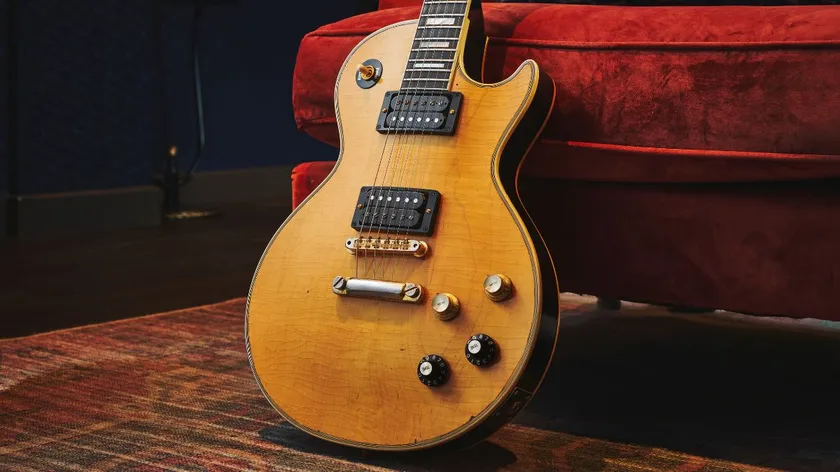


“I’ve never been very confident, to be honest with you, as a player,” Alex Lifeson told Guitar World in 2025. “I’ve always felt like I had to work hard, and maybe I didn’t appreciate that I have a natural talent for playing guitar.”
Anyone who’s heard his work as one-third of the prog-rock institution Rush – from those crashing, Pete Townshend-like chords to his dramatic, shimmering arpeggios – knows he’s being charmingly modest. That, or maybe he just needs to re-examine his own songs.
But that’s where we come in. To celebrate his 2026 reunion tour with bassist Geddy Lee – which follows the 2015 R40 run, their final outing with late drummer-lyricist Neil Peart – let’s take a closer look at 20 of Lifeson’s finest studio guitar moments.
1. Working Man (from 1974’s Rush)
![Rush ~ Working Man ~ R30 Tour ~ [HD 1080p] ~ September 24, 2004 at the Festhalle Frankfurt, Germany - YouTube](https://img.youtube.com/vi/XvG3dX43b8s/maxresdefault.jpg)
Rush were still in their embryonic Led Zep-worship mode in 1974, but they did scrape together one genuine classic for their self-titled debut – an overdriven riff monster with power chords, bluesy shredding and a nimble, octave-ascending riff halfway through that feels worthy of spawning its own song.
2. Fly by Night (from 1975’s Fly by Night)
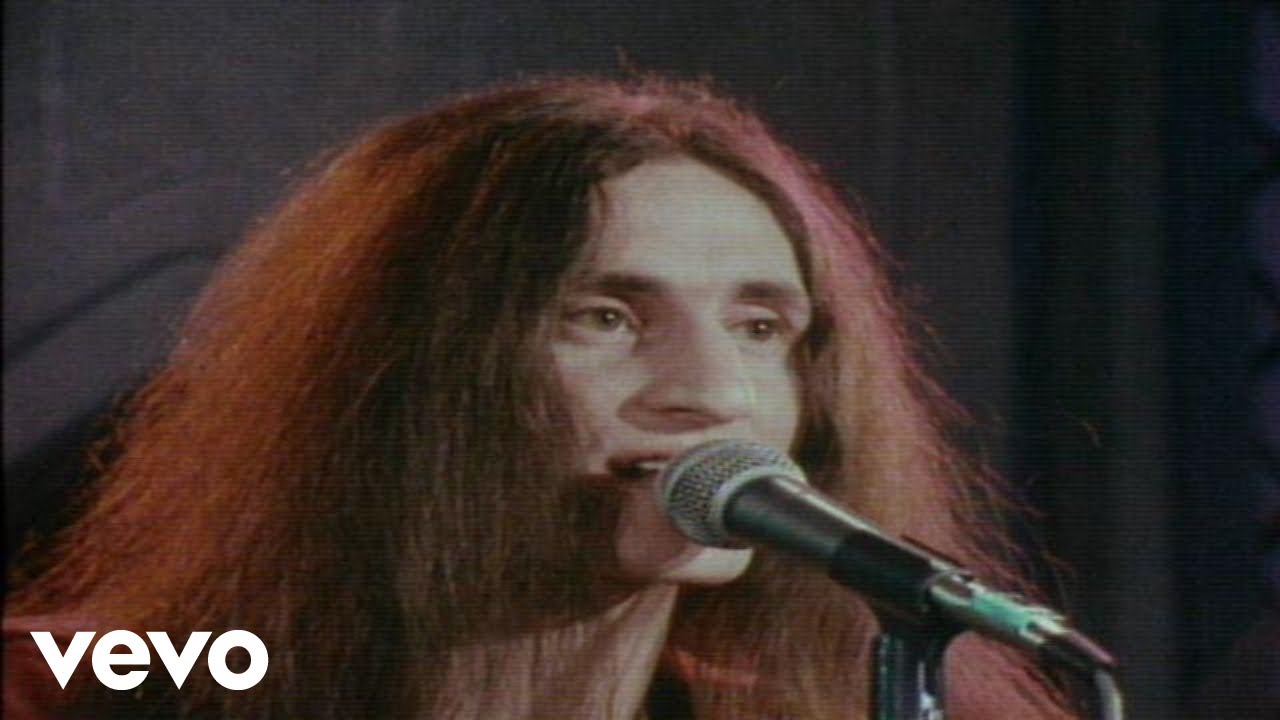
Fly by Night, the bruising title track from Rush’s second LP, opens with a flurry of guitar moves that wound up becoming Lifeson signatures.
The triumphant D major, the resounding sus chord, the beautifully tense and chromatic arpeggio – there are so many little moments, just in the first 10 seconds, that can make any Rush fan smile and nod with recognition.
Guitar-wise, it’s all building to a killer post-chorus solo, stacked with bluesy bent notes and pinched harmonics.
3. The Necromancer (from 1975’s Caress of Steel)

In a 2018 Guitar World feature, now-former Gwar guitarist Pustulus Maximus broke down his love for The Necromancer, a nearly 13-minute psych-prog fantasy behemoth from Rush’s third LP. “The beginning sounds very much like Pink Floyd, but Lifeson’s solo in the rock part has an amazing groove and feel,” he said, describing the epic’s ebb and flow.
This one’s definitely unique in the band’s catalog – from that stoner-ific intro section, with reversed guitars and chorus-y guitars rising like weed-smoke plumes, to the sheer ferocity of the solo and the clean-tone jangle that follows. The Necromancer is (understandably) a divisive Rush song, but no-one can doubt its merits as a well-rounded guitar showcase.
4. 2112 (from 1976’s 2112)
It almost feels unfair to cite 2112 as a song, given that it sprawls out over seven sections and nearly 21 minutes – occupying the entire first side of Rush’s titular breakout LP. But Lifeson really swings for the fences throughout this grand conceptual work: nailing those enormous delayed chords in Overture, bathing his arpeggios in cinematic chorus throughout Oracle: The Dream, adopting an almost punk-like energy during the climactic attack of Grand Finale.
One of his most genius moments actually involves the technically weakest playing; at the beginning of Discovery, his out-of-tune plonking approximates our protagonist stumbling upon a guitar (“What can this strange device be?” Lee sings) and figuring it out in real time.
5. Closer to the Heart (from 1977’s A Farewell to Kings)
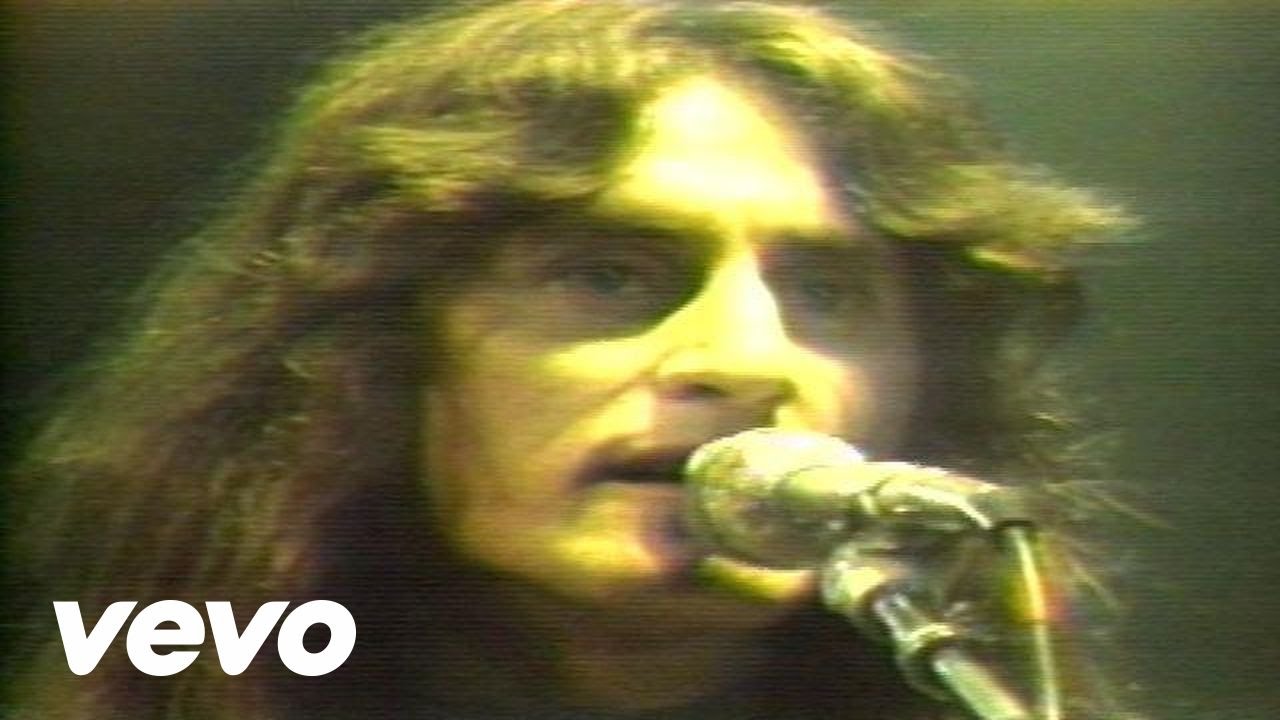
Despite being heralded as an elite of heavy prog guitar, Lifeson has a real knack for gentle, pastoral playing.
As he explained to GW, the band workshopped their earliest material using acoustics and a cassette recorder – then bringing in the amplification and energy later on.
Closer to the Heart shows the best of both worlds, as Lifeson builds from chiming 12-string to, eventually, anthemic harmonized solos.
6. Xanadu (from A Farewell to Kings)
The mighty Xanadu expertly illustrates how Rush did so much with so few pairs of hands: Lifeson and Lee tag-team the driving main riff with maximum creativity, tackling the descending lines in unison or veering apart for added color. The standout guitar section happens immediately, with Lifeson adding ambient volume swells over Peart’s drifting chimes.
7. La Villa Strangiato (An Exercise in Self-Indulgence) (from 1978’s Hemispheres)

The winking subtitle points to the band’s underrated sense of humor – and on this hypnotic instrumental, Rush use Lifeson’s ever-vivid real-life dreams as a launching pad for some of their wildest genre flips and tightest ensemble playing.
Across nearly 10 minutes, the trio explore everything from psychedelia to hard rock to jazz-fusion, with Lifeson the obvious star of this dreamscape. His solo swells during A Lerxst in Wonderland might be the most evocative playing in his catalog.
8. Jacob’s Ladder (from 1980’s Permanent Waves)

After a bright, strident opening march, Rush chase the storm clouds into one of their heaviest-ever riffs. Lifeson is at the top of his game here, layering his guitar theme into octaves for even more impact. Rush were rarely more intense than they were on Jacob’s Ladder.
9. Freewill (from Permanent Waves)

Despite all the recorded evidence to the contrary, Lifeson and Lee are mere mortals. When they started jamming again after a long hiatus following the R40 tour, the guitarist told Ultimate Classic Rock that they sounded like a “really, really bad Rush tribute band.”
The toughest nut to crack was reportedly the surging fan-favorite Freewill, which features one of the most frenetic guitar solos he ever tracked. “There’s a lot of notes,” he said. “The solo is crazy.”
10. YYZ (from 1981’s Moving Pictures)

It’s the most fittingly proggy sidebar in Rush history; the band’s first Grammy nomination came with YYZ, a track built around a rhythmic Easter egg nodding to Morse Code for a Toronto airport. Just perfect.
The song’s main riff is already ace enough, showing just how much mileage you can get out of two notes if you put your mind to it. But the piece becomes a classic when Lifeson stretches out – the solo at the midway point is deliciously disorienting, peaking with a virtuosic run of finger-tapping.
11. Limelight (from Moving Pictures)
Limelight is up there with the most poignant Rush tracks, channeling Peart’s fame-induced isolation into four minutes of sleek (if still proggy) radio-rock bliss.
Lifeson’s dreamy arpeggios and chunky chords are already enough – it’s just a bonus that he churned out a god-tier, whammy-filled solo on his Hentor Sportscaster, a Strat outfitted with a Gibson humbucker and a Floyd Rose tremolo.
“It was the perfect selection to create the soulful, elastic and unstable character for the solo of that song,” he told Guitar World.
12. The Analog Kid (from 1982’s Signals)

“Signals was a weird record for me,” Lifeson told Guitar World in 2025, noting that their heavier use of keyboards created “more of a fight for space with the guitar.”
But that argument shouldn’t apply to The Analog Kid, which saves most of its synth presence for some booming pads on the chorus. Elsewhere, Lifeson takes charge – including on the solo, which features a nifty harmonizer-type effect.
13. Digital Man (from Signals)
Upon first listen, Digital Man sounds more suited to a list of Geddy Lee’s finest moments, given his wildly melodic and grooving bass line. You might even look first to Peart, who adds some tastefully placed tom-tom fills and fierce hi-hat work.
But Lifeson also deserves marquee mention, anchoring the track with his stabbing, Police-like chords and a woozy solo with a touch of David Gilmour in its bluesy bends.
14. Kid Gloves (from 1984’s Grace Under Pressure)
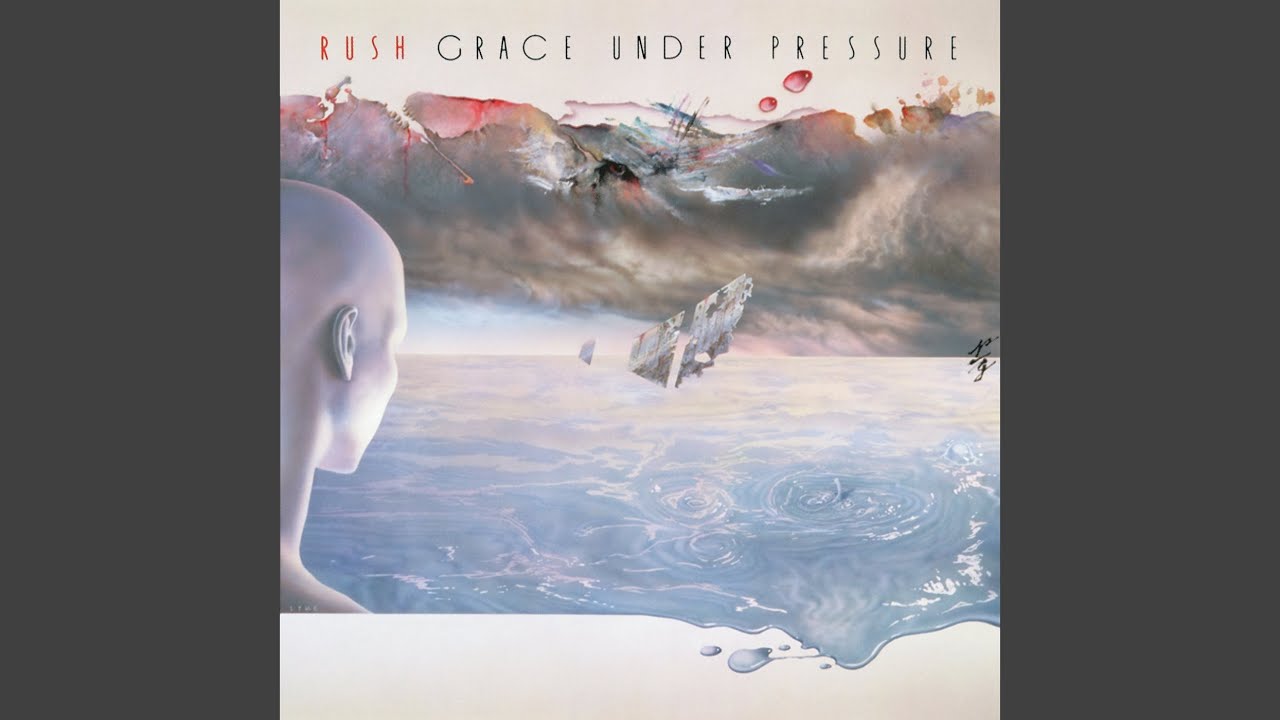
Is this Lifeson’s ultimate guitar solo? The tremolo-bar madness, the blue-sky harmonics, the brushes with ska and rockabilly – all packed into one blistering run that somehow feels both composed and improvised.
15. Hand Over Fist (from 1989’s Presto)
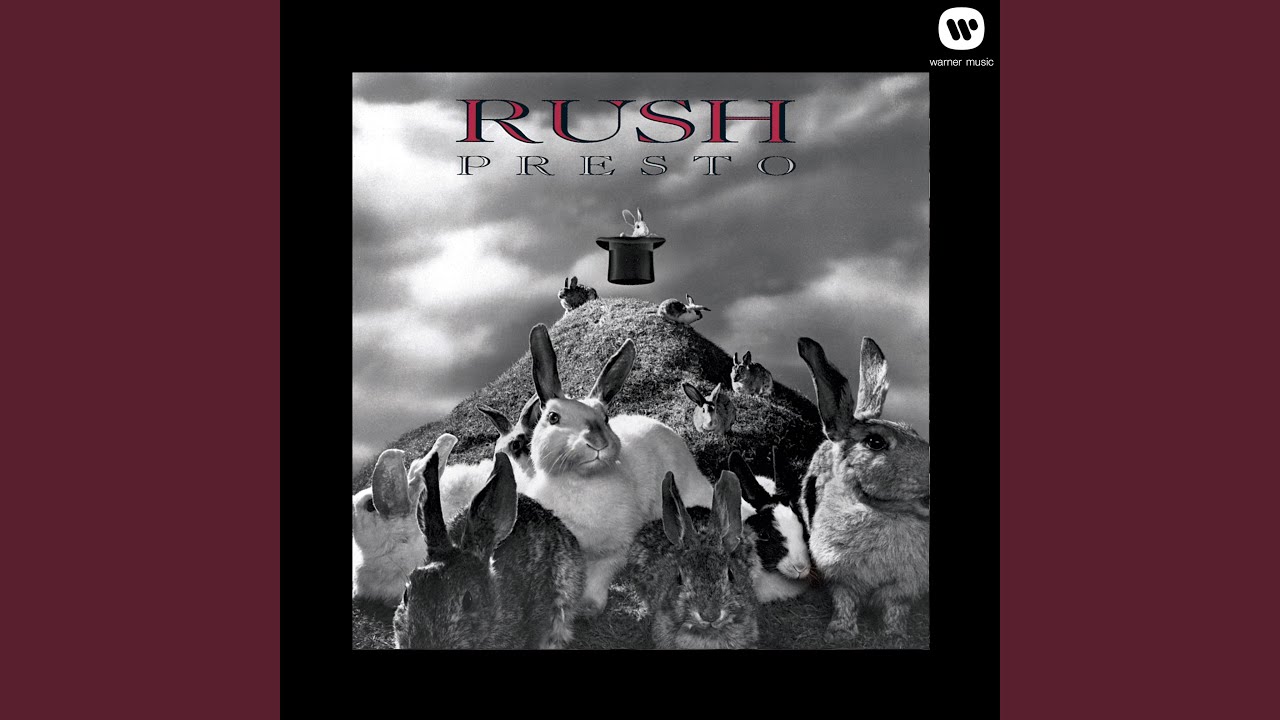
Why did Rush never play Hand Over Fist live? Why did they refrain from releasing it as a single? No great answer. This punchy rocker is a highlight from the sadly overlooked Presto, with Lifeson leading the charge.
He does a bit of everything – that trebly funk-rock intro, the busy bluesy groove, the squealing pinched-harmonic leads, a less-is-more solo with some majestically sustained notes.
16. Leave That Thing Alone (from 1993’s Counterparts)
As the ’80s wore on, Lee’s keyboards grew to be a little controversial, both within and outside the band. After a series of more atmospheric, synth-heavy LPs, Counterparts arrived like a welcome punch of heaviness, offering more of an overall sonic balance – and much-needed presence to Lifeson’s riffs. Leave That Thing Alone is a perfect example, highlighted by his skyrocketing, psychedelic solo.
17. Test for Echo (from 1996’s Test for Echo)
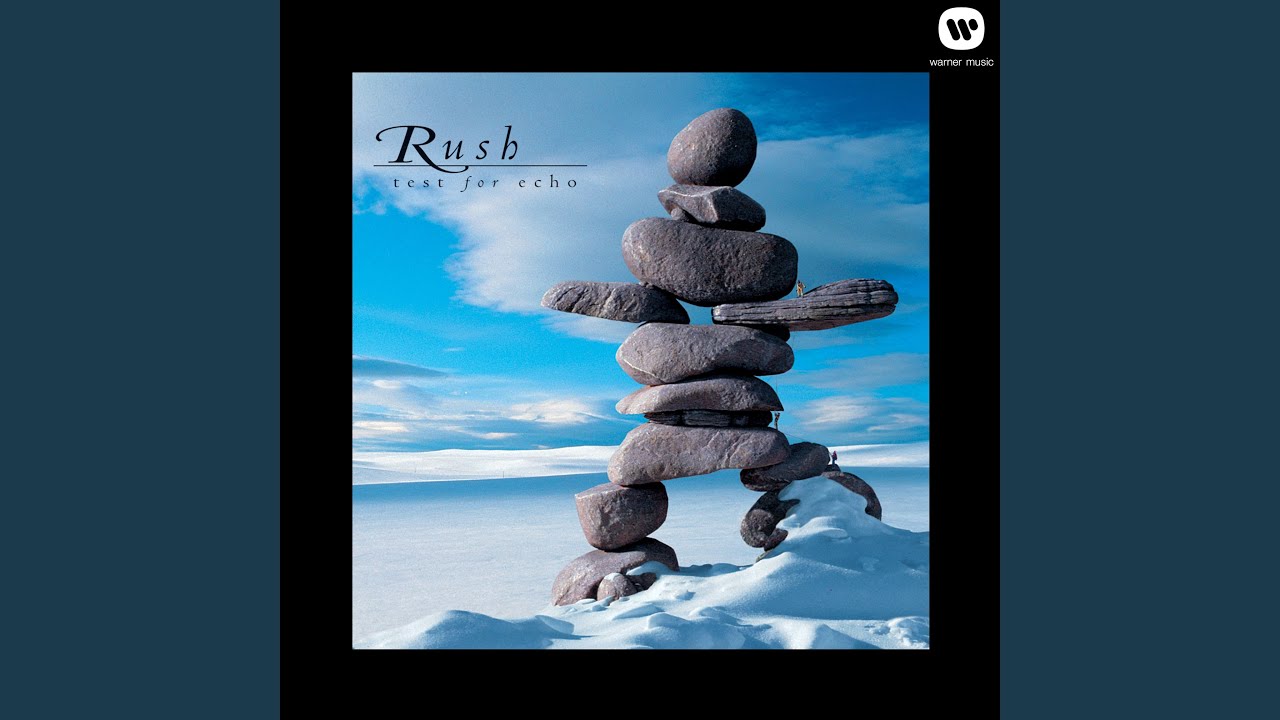
Lifeson was so enthused about his guitar tone on Test for Echo – a roiling, textured wave of acoustic and electric – that he gave Guitar World a thorough, multi-paragraph breakdown. He used a Les Paul Custom and a Godin Acousticaster, tuned down to D standard, through a variety of heads and cabinets.
But the most important element here is the vibrancy of his riff writing, which suggests that perhaps Rush had been soaking in Tool’s recent work.
18. Earthshine (from 2002’s Vapor Trails)
Lifeson once again sounds like he’s channeling Tool and other modern prog-metal throughout Vapor Trails, often exploring ultra-dark guitar tones via modern-sounding production.
Of course, the album’s sound was, to put it mildly, polarizing, and Rush released a remixed edition in 2013. Earthshine might be the album’s sonic and songwriting peak, with a choppy riff pogoing off Lee’s high, yearning vocal.
19. Bravest Face (from 2007’s Snakes & Arrows)
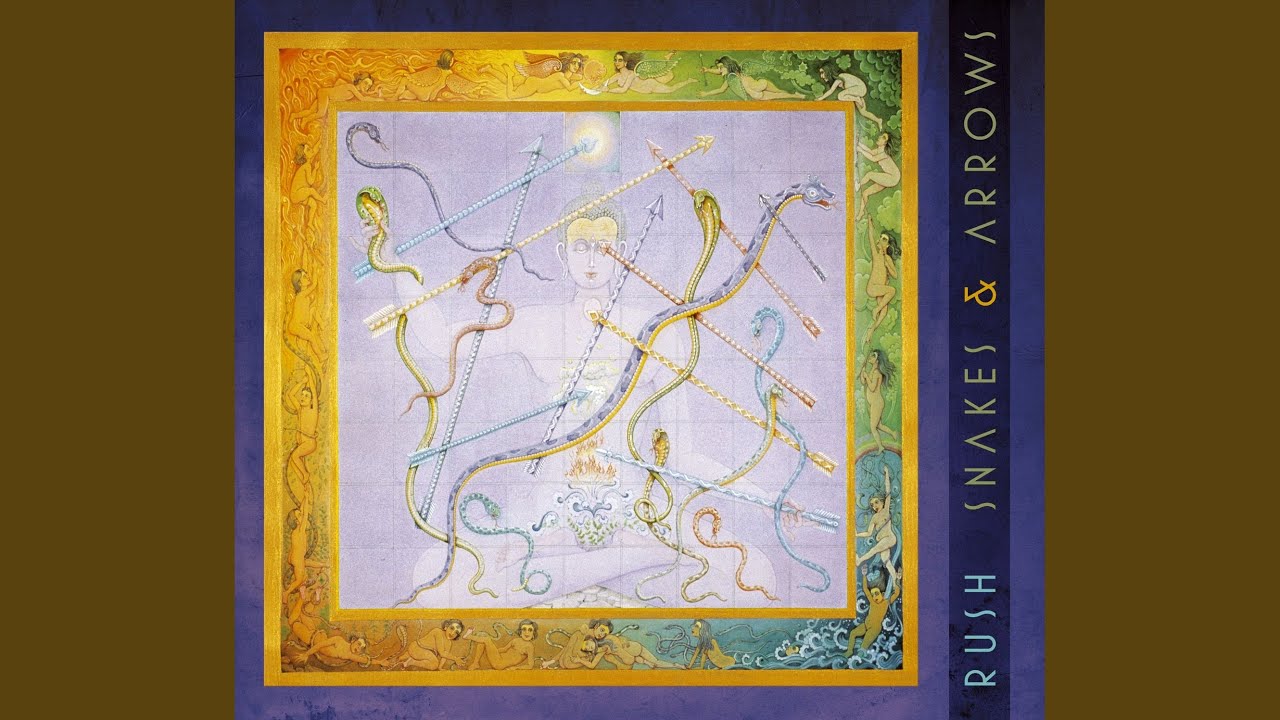
When you’ve been a rock band for three decades – especially one with a sizable fan base – it’s hard finding new pathways to explore. It’s admirable, then, just how different Rush sound on Bravest Face. Here, Lifeson often zigs when you expect him to zag, moving from a grungy atmosphere into a raw acoustic riff and a solo with a strangely laid-back, bluesy vibe.
20. Carnies (from 2012’s Clockwork Angels)
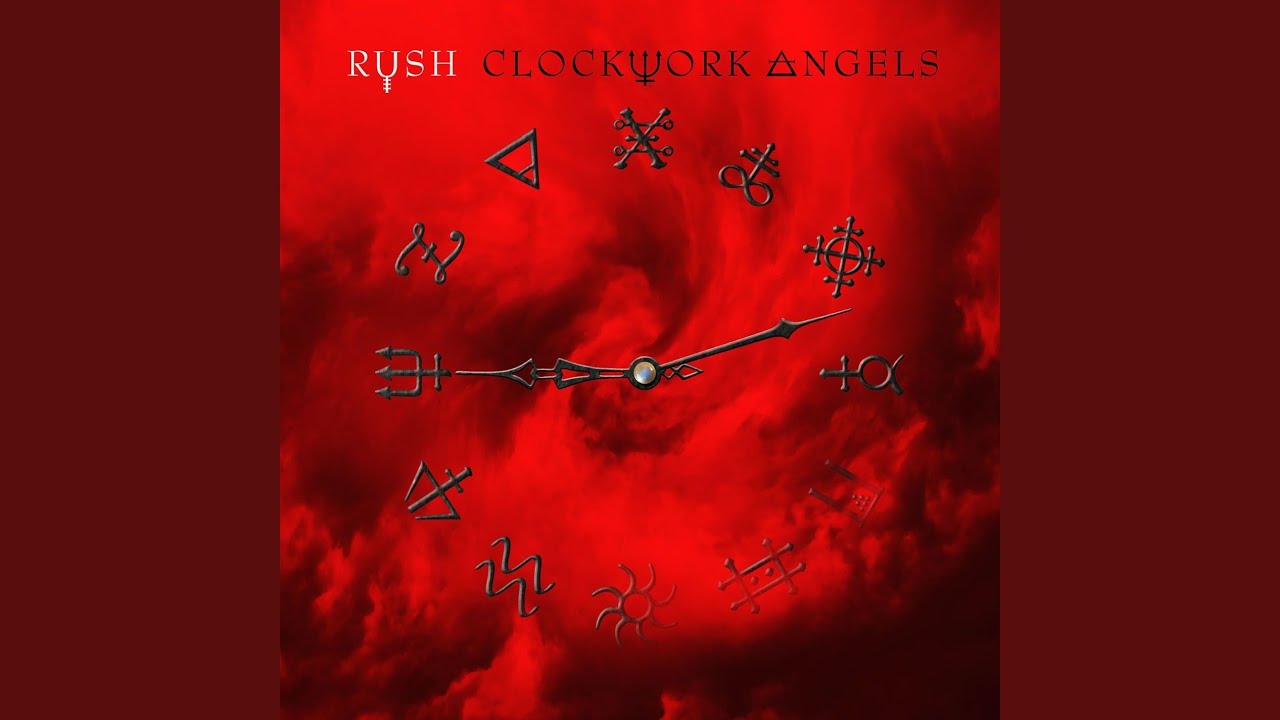
Carnies is easily one of Lifeson’s simplest guitar riffs – but it also might be his heaviest, built on some borderline-metal harmonics that carry the entire song.
But he also manages to work in some experimental flourishes, including a kaleidoscopic tremolo effect that lends itself well to the subject matter. “
“It’s almost like a carousel,” he told Guitar World upon the album’s release. “Ged and I were like, ‘Oh, my God, that’s so cool!’ It really sounds like you’re on this horsey going up and down.”
- This article first appeared in Guitar World. Subscribe and save.

