


2112 is widely regarded as Rush’s commercial breakthrough. Disappointing album sales of 1975’s Caress of Steel, coupled with declining attendance at shows – not to mention a less-than-ideal critical reaction and the potential catastrophe of being dropped by their label – spurred Alex Lifeson, Geddy Lee, and Neil Peart to, frankly, give it their all.
Now, as the newly reformed Rush – with drummer Anika Nilles – are set to embark on the Fifty Something Tour, kicking off on June 7, Lifeson recalls that uncertain period and how much of a make-or-break moment it really was for the band.
“We were heavily in debt,” Lifeson says matter-of-factly in an interview with Rick Beato. “Our managers had spent so much money just keeping us on the road, and there was a lot of pressure.
“It really was, either we go home, and I go work for my dad as a plumbing assistant, or we just say screw everybody, we're just going to make the record that we want to make, and if it fails, then at least it's our thing, we did it. That was [1976’s] 2112 – so that was my protest record.”
Lifeson clarifies that the record’s success wasn’t “instantaneous,” but rather, “it took a year for that record… touring and promoting it” to find its audience.
“What happened was people really locked onto it. This happens to so many people: when you discover a band, you feel like that's your band. I'm the only person that knows how great this band is. That's kind of what happened, one gig at a time.”
By the end of that same year, the record had gone platinum, even entering the Canadian Albums Chart, peaking at No.5, as well as becoming the band’s first record to crack the U.S. Top 100.
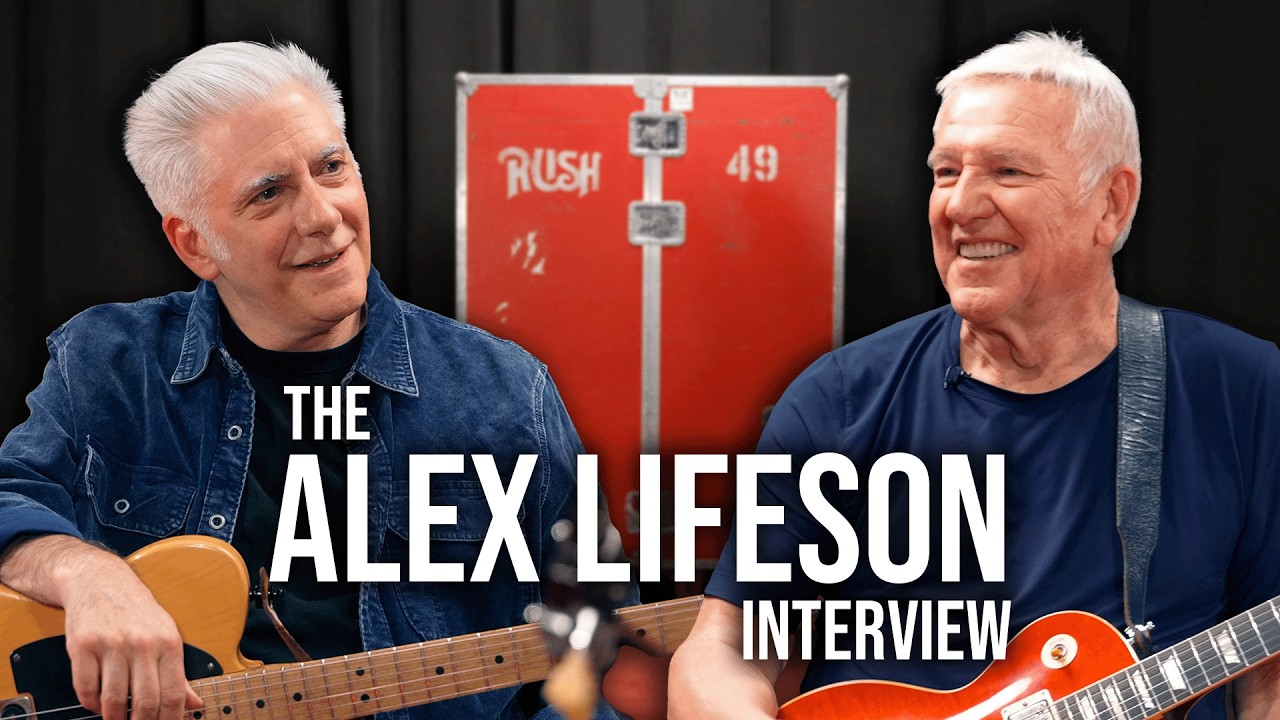
“We were on a much better track,” Lifeson continues. “Now the gigs were starting to come in, we were headlining more… we felt emboldened, and never was a record company executive or management allowed in the studio from that point on. That bought us our independence, and we were precious with that.”
In a classic Guitar World interview from 1996, the Rush guitarist described the atmosphere that led to the creation of 2112.
“Because there was so much negative feeling from the record company, and our management was worried, we came back full force with 2112,” he recalled. “There was a lot of passion and anger on that record.”
Ultimately, “it was about one person standing up against everybody else.”
In more recent news, Geddy Lee and Alex Lifeson revealed that, following Peart’s death, several drummers tried to force a Rush reunion on them while they were still in mourning.

