

Pedals Week 2026: Before the late 1990s, your options for guitar pedals were pretty limited. You either bought a mass-produced, assembly-line stompbox, or you spent a fortune hunting down old vintage gear that might just die on you mid-gig. If you wanted a truly unique sound, you basically had to burn your fingers with a soldering iron and mod it yourself.
Then, everything changed when a quiet revolution started bubbling up from basement workbenches. A small group of circuit tweakers and tone chasers began pulling apart classic designs, swapping in premium components, and focusing entirely on touch-sensitive dynamics.
What started as a niche DIY hobby quickly exploded into a massive industry that completely changed how we sculpt electric guitar tone.
Here are 12 of the definitive stompboxes that built the boutique pedal boom.
1. Pete Cornish P-2 / Precision Fuzz
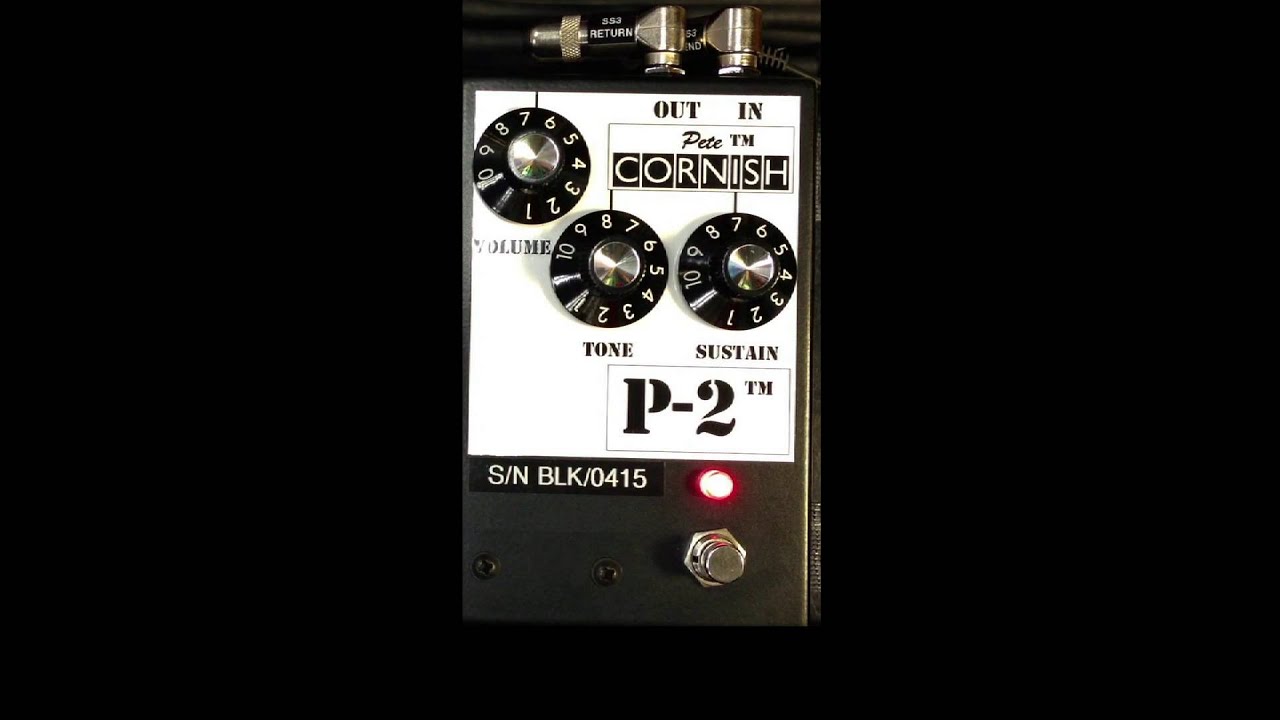
Hand-built in the UK since 1983, Pete Cornish originally created the Precision Fuzz (later named the P-2) specifically for Pink Floyd's David Gilmour. It delivers a massive, violin-like sustain and rich, creamy distortion that completely eliminates the sputtering harshness of traditional vintage fuzzes.
Players love this pedal because its proprietary, studio-grade active buffer preserves total signal integrity, keeping the massive wall of sound entirely noise-free. Combining classic-rock history with serious engineering, the P-2 cuts through a dense band mix with a tight low-end and a singing note bloom that responds naturally to your pick attack.
2. Klon Centaur
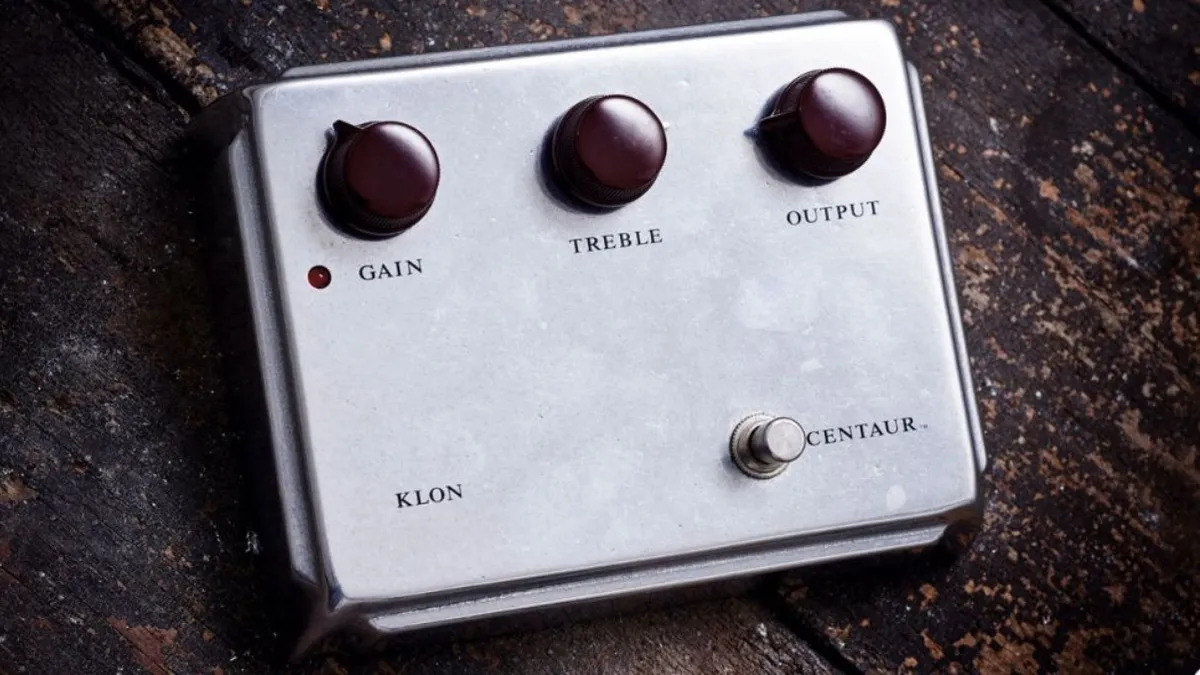
The mythical Klon Centaur is the most talked-about pedal of the boutique gear movement. Hand-built by Bill Finnegan, this transparent overdrive is famous for being incredibly rare, very expensive, and – outside of perhaps the Tube Screamer – the most cloned circuit in guitar history.
Sonically, it blends an 18-volt clean boost with overdrive to add massive headroom, a harmonically rich mid-range push, and a singing, touch-sensitive crunch. Using an internal voltage trick to unleash massive headroom and a sweet midrange push, its known for making a tube amp sound and feel alive while preserving its natural tone.
3. Menatone Red Snapper
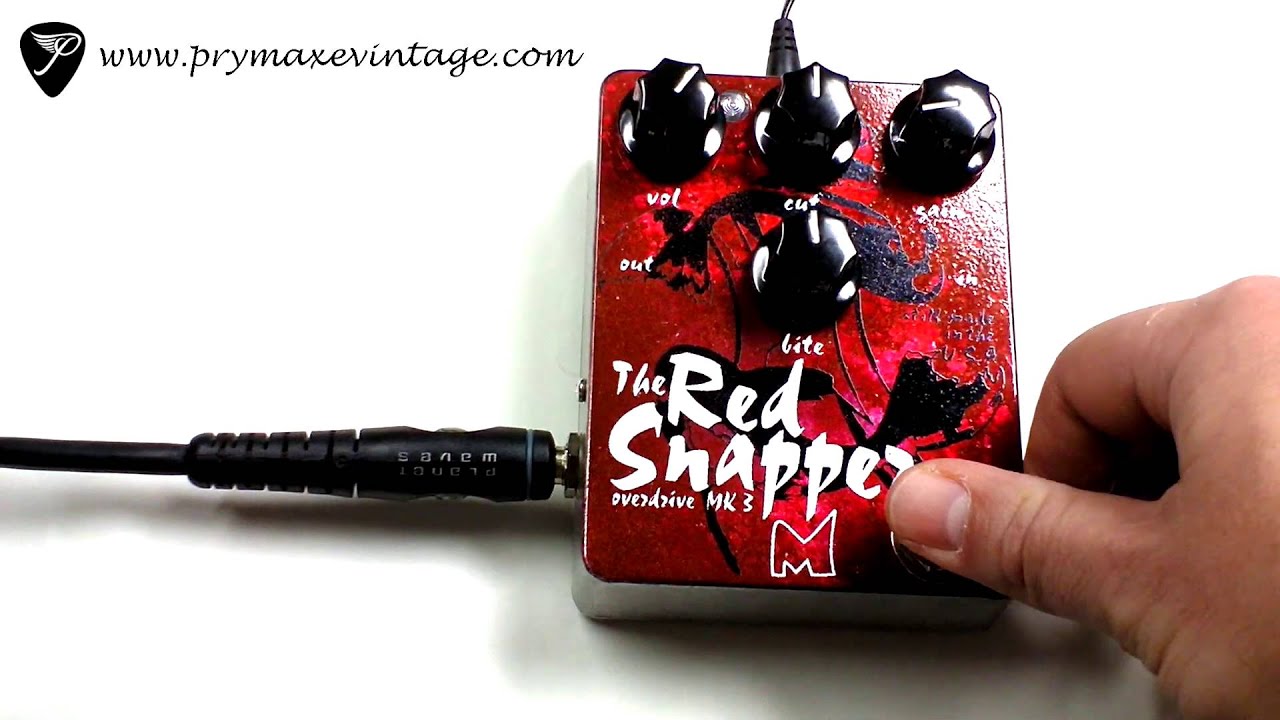
Before "transparent overdrive" became a marketing buzzword, Brian Mena helped invent the concept from scratch. Launching Menatone in 1996, his flagship Red Snapper circuit debuted as a direct alternative to mid-heavy, tone-coloring overdrive pedals.
Engineered to preserve the natural chime and character of a player’s guitar and amplifier, it delivers an incredibly organic breakup. Its highly responsive "Bite" and "Cut" controls allowed guitarists to sculpt high-end dynamics without adding unwanted compression.
As one of the earliest point-to-point hand-wired pedals of the 1990s, it laid down the blueprint for the transparent dirt pedal movement.
4. Analogman King of Tone

The King of Tone is a legendary forefather of the boutique pedal boom. Inspired by the vintage Marshall Bluesbreaker circuit, this dual-channel pedal acts as a transparent extension of your rig.
It doesn't compress your signal or add a harsh mid-hump; instead, it stacks harmonic grit onto your existing tone while keeping your low-end intact and pick attack crisp.
It became iconic for this touch-sensitive clarity, but also for a multi-year waitlist so absurdly long it’s a running industry joke, proving that this benchmark handmade circuit is truly worth the decade-long wait.
5. Fulltone Full-Drive 2
Inspired by the thick, mid-forward crunch of a classic Tube Screamer, this heavy-duty blue box was hand-built in the mid 1990s as a rugged, premium alternative for touring players.
It featured clean true bypass switching and an independent "Boost" footswitch that pushed the circuit into a thick, singing lead tone for solos.
By delivering great dynamic touch-sensitivity without squashing your guitar's natural voice, this workhorse became a mandatory pedalboard staple and one of the forefathers of the early boutique boom.
6. Keeley Electronics Compressor
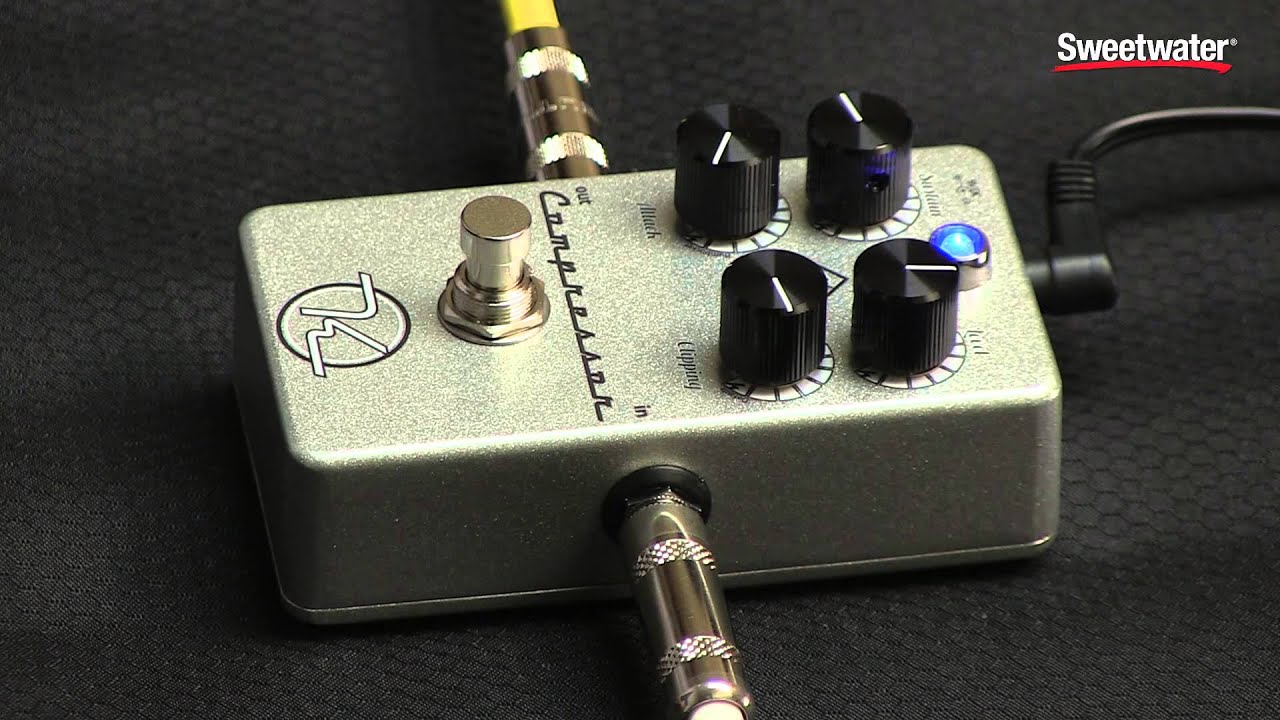
The Keeley Compressor completely changed how guitarists looked at utility pedals, proving that studio-grade compression could actually work on a pedalboard.
Prior to its release, most guitar compressors were just tone-suckers that added tons of noise and flattened your playing dynamics. Robert Keeley solved this by using high-fidelity, ultra-quiet components that smooth out your dynamics while keeping a snappy, musical feel.
It gives you great, singing sustain without coloring your core tone, making it an "always-on" essential for touring pros.
7. Paul Cochrane Timmy
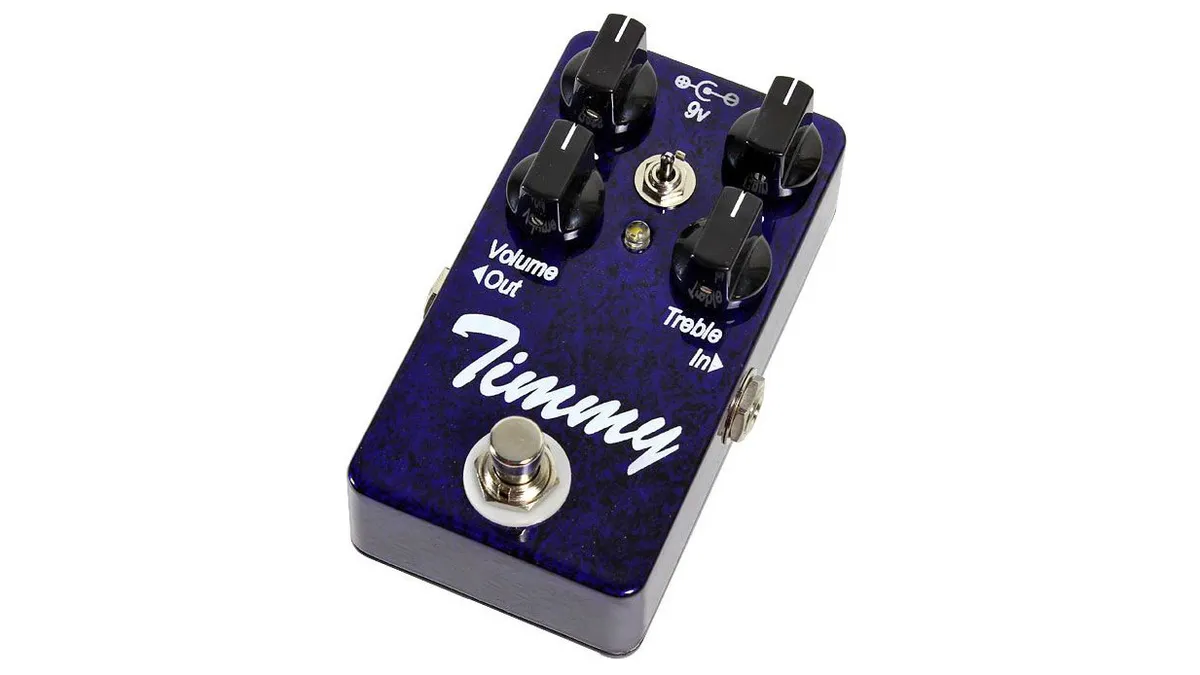
Released in the early 2000s, this legendary overdrive completely rewrote the rules for the transparent dirt market.
Frustrated by pedals that aggressively chopped off a guitarist's low-end, Paul Cochrane designed a circuit featuring a post-gain clipping structure and subtractive bass and treble cuts. Instead of adding tons of mids, the Timmy pushes a tube amp into natural breakup while keeping its core tone completely intact.
It became legendary because it gave players total control over their frequencies, making it a permanent staple that helped define the early boutique pedal movement.
8. Way Huge Red Llama
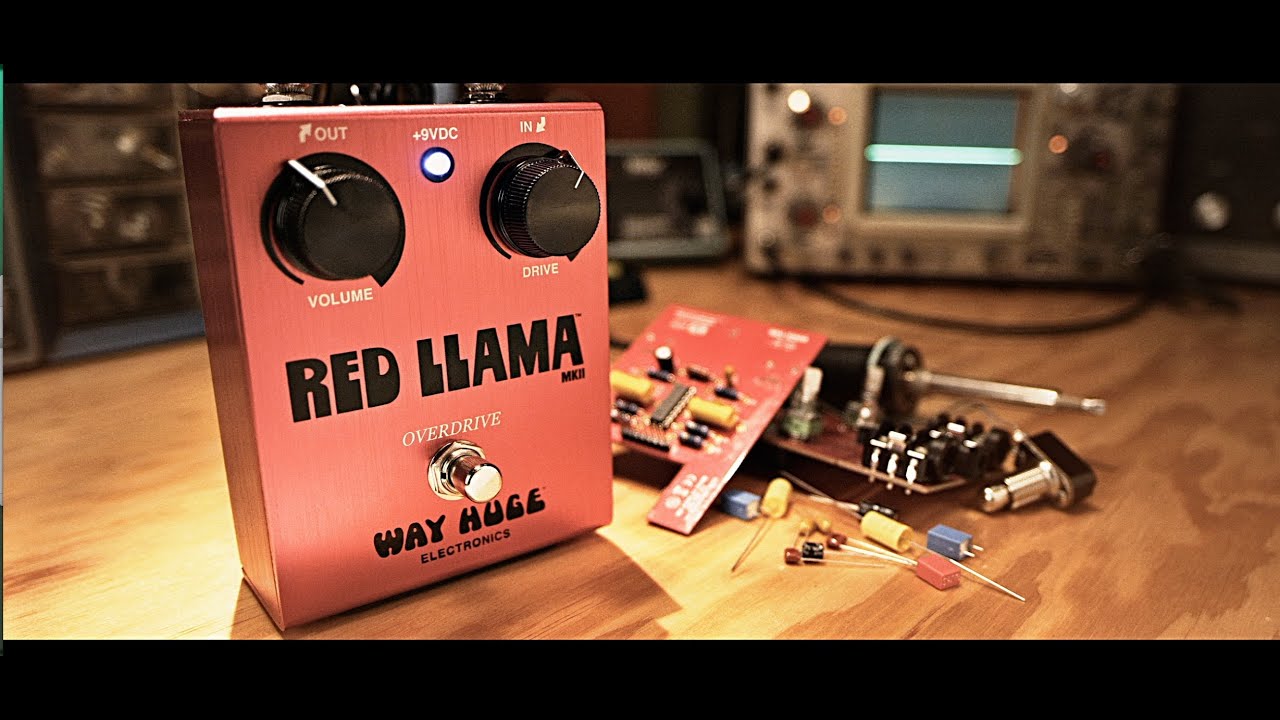
Jeorge Tripps was an absolute trailblazer of the early 1990s boutique scene. Operating out of his garage, Tripps built the Red Llama using a digital CMOS inverter chip uniquely configured as a raw audio amplifier.
The resulting tone was a ferocious, touch-sensitive overdrive that effortlessly crossed the line into fuzzy, speaker-tearing saturation when pushed hard.
With just volume and drive controls, this quirky, high-output monster proved that handmade boutique designs didn't need to be overly complicated or sterile to be brilliantly effective rock and roll tools.
9. Hermida Audio Zendrive

While early pedal builders experimented with capturing Howard Dumble’s mythical amplifier tone, Alfonso Hermida’s 2004 Zendrive perfected it.
Hand-soldering the initial units straight out of his garage, the aerospace engineer built a touch-sensitive masterpiece designed to replicate the ultra-smooth overdrive of fusion guitarist Robben Ford.
Its brilliance lies in a raw, hand-wired clipping circuit paired with a "Voice" control that sculpts precise mid-range frequencies.
By offering a flawless, dynamically responsive "Dumble-in-a-box" experience built on a home workbench, this handmade masterpiece defined an entirely new genre of boutique tone-shaping history.
10. JHS Pedals Morning Glory

Josh Scott started JHS by repairing and modifying pedals by hand at a small kitchen table. That backyard grit led straight to the Morning Glory, a gold box that perfected the art of the transparent overdrive.
Acting as a transparent low-gain drive, it adds a musical layer of chime, top-end clarity, and grit without altering your amplifier's natural voice. It swaps out the muddy mid-hump of old-school overdrives for a crisp, high-fidelity response that lets your pick attack shine.
Highly responsive and incredibly touch-sensitive, this workhorse quickly became a permanent pedalboard staple and a definitive modern classic.
11. B.K. Butler / Chandler Tube Driver

Frustrated by the artificial, thin clipping of early 1980s solid-state dirt boxes, engineer B.K. Butler took matters into his own hands. Hand-soldering real vacuum tubes directly into an instrument-level stompbox circuit, Butler developed the Tube Driver.
Originally distributed via Chandler Industries in the mid-1980s, this discrete, hand-wired unit supplied authentic, high-voltage tube saturation, sag and rich low-end focus to conventional clean amplifiers.
Famously adopted by Eric Johnson for his legendary violin-like lead tone and David Gilmour for Pink Floyd’s late-era stadium runs, it pioneered the modern, premium "amp-in-a-box" boutique pedal genre.
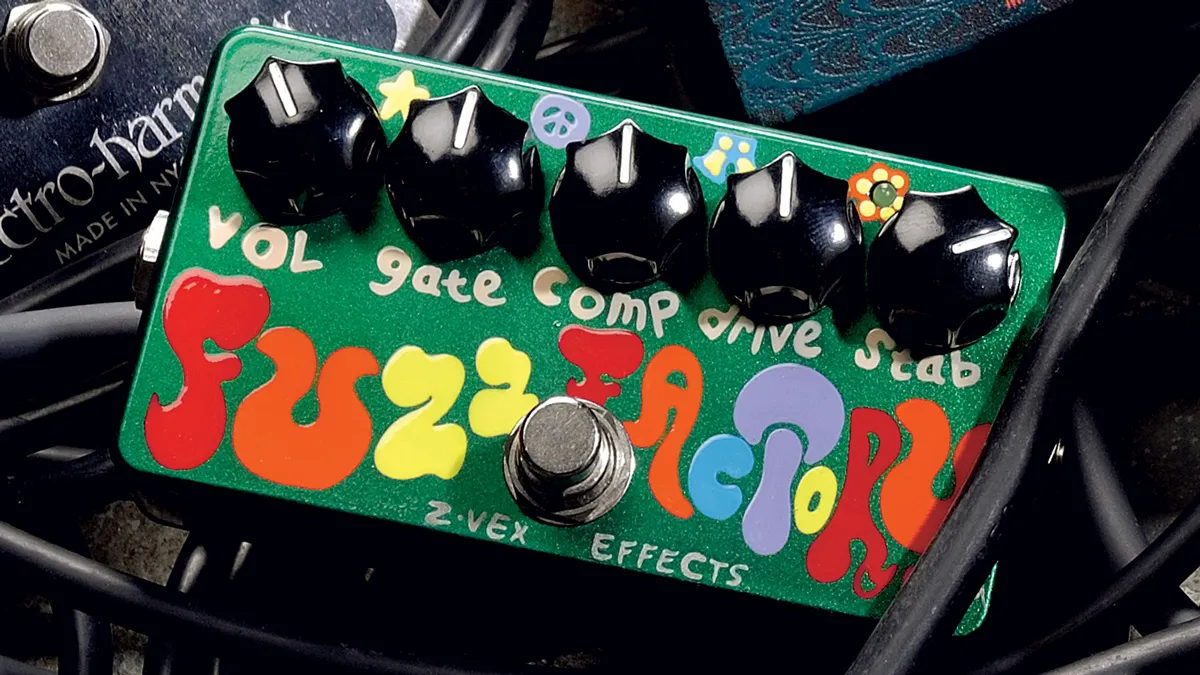
12. Z.Vex Effects Fuzz Factory

Released in 1995, Zachary Vex’s Fuzz Factory turned the guitar world upside down by proving that boutique pedals didn’t have to just recreate the past.
Built around a pair of New Old Stock germanium transistors, this wild five-knob circuit completely abandoned traditional tone-shaping.
By giving players direct control over transistor bias and stability, it unlocked everything from Velcro-like sputter and gating to infinite, self-oscillating theremin shrieks.
It became an instant icon for players looking to push sonic boundaries, cementing Z.Vex as a brilliant, mad-scientist pioneer of the early handmade pedal movement.