Given the sub-genre’s name, death metal pioneer Chuck Schuldiner would have been forgiven for thinking the manic metal spin-off he helped galvanize had its limits.
The reality, however, was completely the opposite: he knew death metal was destined to succeed.
In the mid-1980s, Schuldiner merged his love for NWOBHM, progressive metal, and thrash into a proverbial melting pot, thus giving birth to death metal in the process.
His belief in its potential was unflinching, despite the overwhelmingly negative reception it received at the start. In the April 1995 issue of Guitar World, Schuldiner made clear how much faith he'd had in his ambitious style – and the sub-genre as a whole.
“I never doubted it,” noted Schuldiner, who brought death metal to unlikely – and unexpected – heights before his passing in 2001. “But I probably should have, because everyone was telling us that we sucked.
“We were the outcast band from Orlando, and every other high school band at that time talked shit about us. We were known as a hideous band, and at the time, we probably were pretty hideous, but we were hideously sincere. And that makes a big difference.”
Schuldiner’s musicality – very much a virtuoso in his own right, able to take the heaviest elements of the music he loved without compromising its (relative) wider appeal – helped make death metal more than just a gross gimmick.
Today, albums like Human, Individual Thought Patterns, and The Sound of Perseverance, are considered seminal. Bands like Machine Head and The Black Dahlia Murder cite Death as a major influence. Schuldiner left the world too soon, but he left behind an against-the-odds legacy.
By 1995, death metal had gained traction, and major metal labels were moving to sign bands in that style to push for mainstream success. Yet Schuldiner believes the labels were to blame for the movement’s (at that time) struggles. The tides of their fortunes, though, were turning.

“A lot of labels signed the wrong bands,” he added in his Guitar World interview. “And I don’t mean that in a jerky way. I always gave 100 percent on each record that we made for our former label, Relativity, and to see those albums put on the back burner, to see someone throw your life off to the side, really made me angry.
“When we were starting to work on Symbolic [sixth album, 1995], we were still on Relativity, and I remember thinking that it was gonna kill me to give this record to them because I knew they didn’t care. It would have shattered me to see this record get thrown away.
“I don’t go around complaining, but I will say that we still haven’t gotten the chance that so many other bands that signed to major labels have gotten,” he developed.
“We’re on Roadrunner [label] now, and I believe we’re finally going to get that chance because they’re really behind us. I hope from my heart that we get our chance. And if we blow it, then I’ll be the first to say that we fucked up. I just want that chance.”
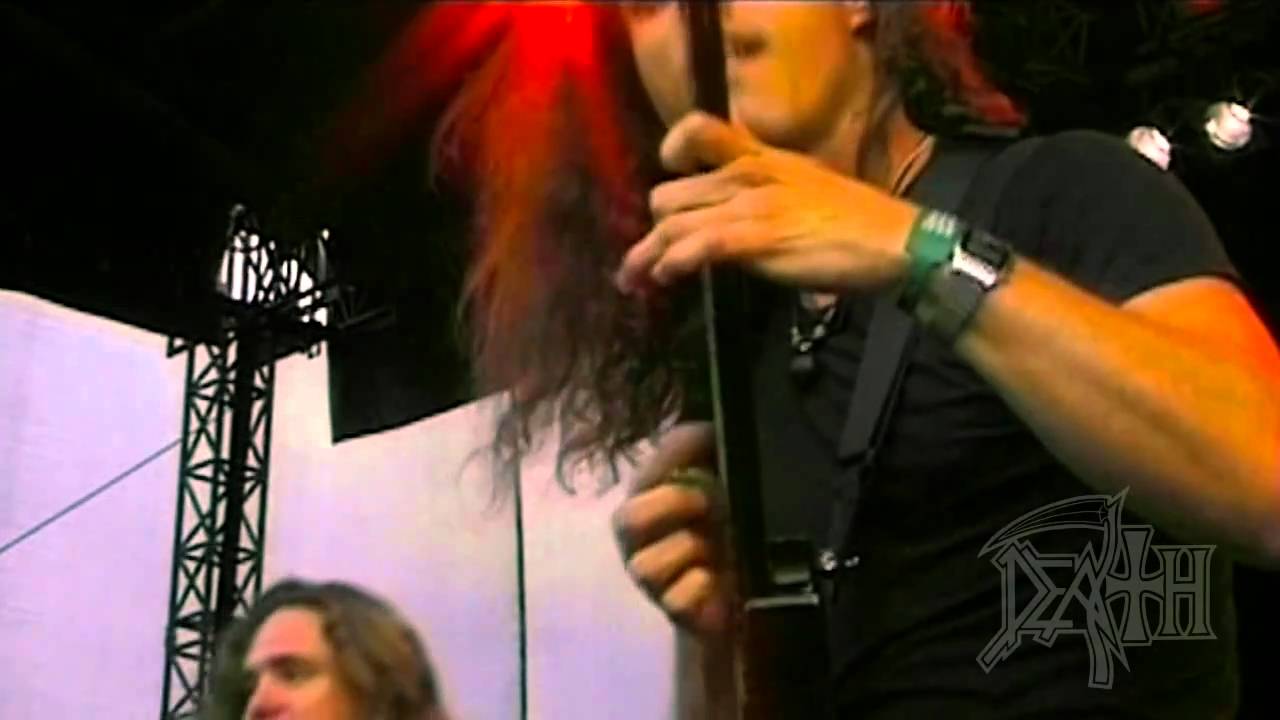
Working with Roadrunner proved a shrewd move. Their final album, The Sound of Perseverance, was especially successful. It shifted around 30,000 copies and stands as a flawless, if still cult-ish, classic.
A decade after Schuldiner’s passing, Death drummer Richard Christy said the guitarists’s “style is unmatched,” describing it as “the perfect mix of melody, technicality, and brutality.”
Death might have never met wider mainstream appeal. But for those who love angular and ambitious metal guitar playing, Schuldiner felt like an extraterrestrial superpower.