


Moving on from the ‘little’, these days Barrie Cadogan is a towering presence on the scene. A first-call collaborator for his impeccable tone and touch, and spotted on the stages of giants from John Squire to The Black Keys, our Zoom call finds him rattling around a New York hotel on a day off from his alt-blues trio’s US tour.
Indeed, the 51-year-old’s work rate and visibility is such that you might not have noticed the near-decade silence from the band that made his name. Now, though, Little Barrie are back with Gravity Freeze: a sixth album whose joyous soul-rock grooves sound like a band feeling its way back to the light after a period of deep personal trauma.
Gravity Freeze has been a long time coming. How have you evolved as a player?
This is the first Little Barrie album since 2017’s Death Express – Virgil [Howe, drummer] passed away the day before the tour, so we never toured it. I’m still infatuated with the guitar. I guess it’s just honing it, seeing where your interests go. I wanted to make this album personal, try to make music that had spirit to it.
What subjects did you write about?
I wrote the title track about sleep paralysis. When I first got it, I thought I was having a fit – it was scary. But I guess this album was documenting the things we were coming out of and processing losing Virgil.
I try not to force it, but I had a conversation with my friend Jim Jones and he said songwriting is like showing up for work. Sometimes it doesn’t happen, but you have to actually show up and be ready to receive things from the universe.
How did these songs come to you?
Some were written coming out of Covid. A friend of mine, who’s an artist and musician, let me use his studio in East London. He had a music setup – some drums and amps, a laptop and microphones – and I’d go in and make demos. I was surrounded by all his art equipment: brushes, glue, bits of wood, plastic and metal.
He was making sculptures, developing photographic film, it was an inspiring place. I’d close the door and just kick ideas around. Sometimes I’d start off playing a terrible bit of drums to make a loop.
Do you have favourite guitar moments?
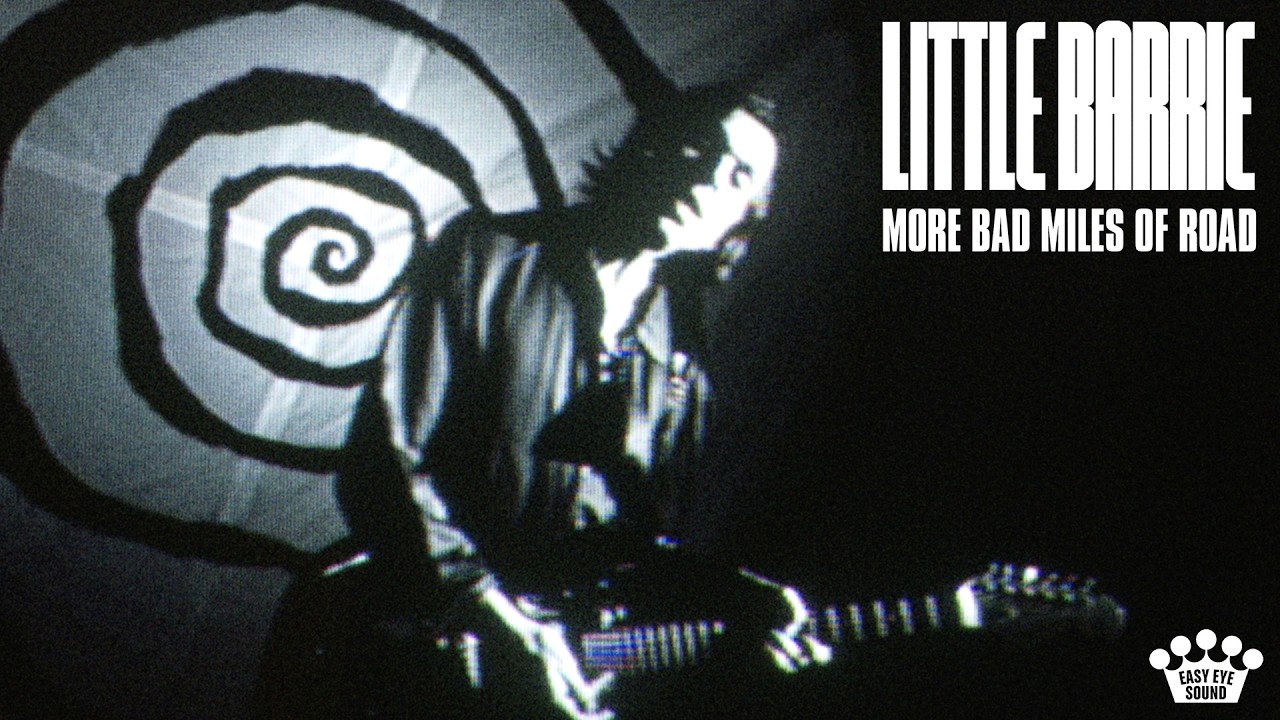
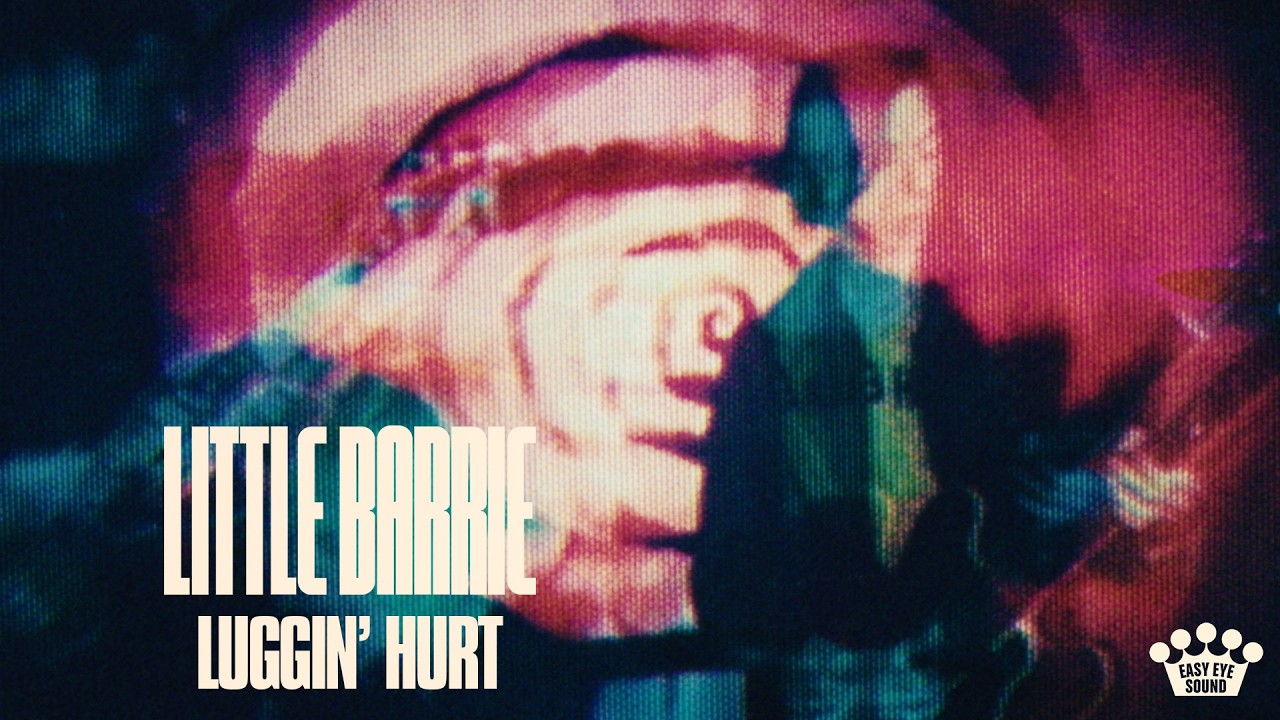
Coralisa is kind of a groove, but the outro guitar was something different for me. Luggin’ Hurt came out good; we just carried on jamming after we’d finished the arrangement and it became this kind of cool, funky boogie. More Bad Miles Of Road had a good spirit: it’s a very rhythm-section-driven song, keeping the guitar super minimal. I wanted to make a guitar-heavy record but not a stereotypical rock record.
Where did you make the album?
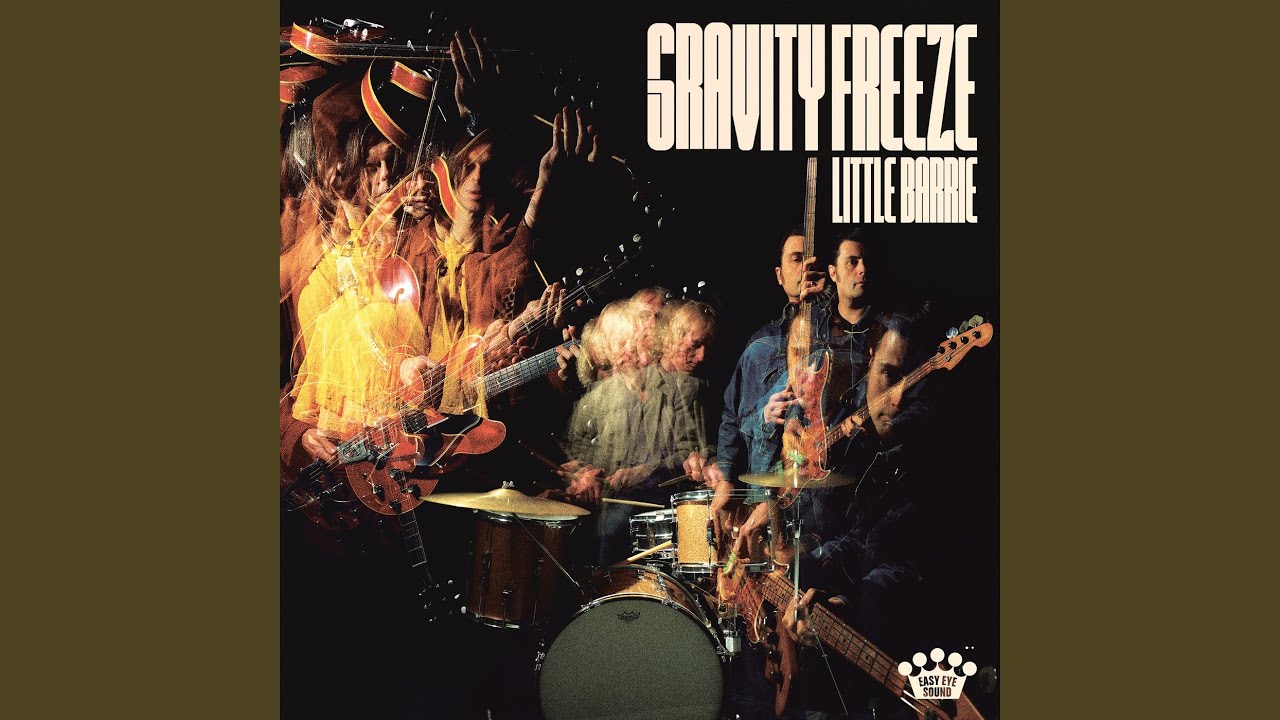
We recorded it all in a tiny mixing room in Hornsey [North London]. We tipped the sofa on its side to fit the drum kit in there, and when we were getting the drums down, because we wanted a live feel, me and Lewis [Wharton, bass] played into amp simulators, so we didn’t have any spill. Then we reamped Lewis’s bass and my guitar, and then I’d do overdubs.
What amps did you use?
One we used a lot was a custom 212 combo built for me by Frank Cooke of JPF Amps. I wanted something that was voiced more British, like the mid-’60s Marshalls that ran on KT66 tubes. They have a beautiful kind of hi-fi tone, and the way they feed back is like that ‘Beano’ sound.
Then I used my ’62 brown Fender Super, a [black-panel] Bandmaster and an old copper-panel AC30. We ran all Lewis’s bass through the JPF as well, and used the AC30 on More Bad Miles Of Road because we wanted the bass to sound blown out.

You’ve never been a massive pedal fan, have you?
There’s a couple of fuzz boxes. I used the germanium Fuzz Face, the Dennis Cornell one. That’s on Luggin’ Hurt. I used a MkIV Tone Bender. But the song Wire, that’s just the trem on the Super. We threw up a bunch of mics in this small room. So sometimes we were using closer mics, and sometimes we were opening up the more ambient mics, just to see how much air we wanted in the sound.
What were the key guitars?
It varied. On More Bad Miles Of Road, I used the white custom-built guitar I had put together a while ago [made by Philippe Dubreuille]; it’s a bit like a Jazzmaster, with P-90s and a Bigsby. I used my old Casino on Coralisa and Wire.
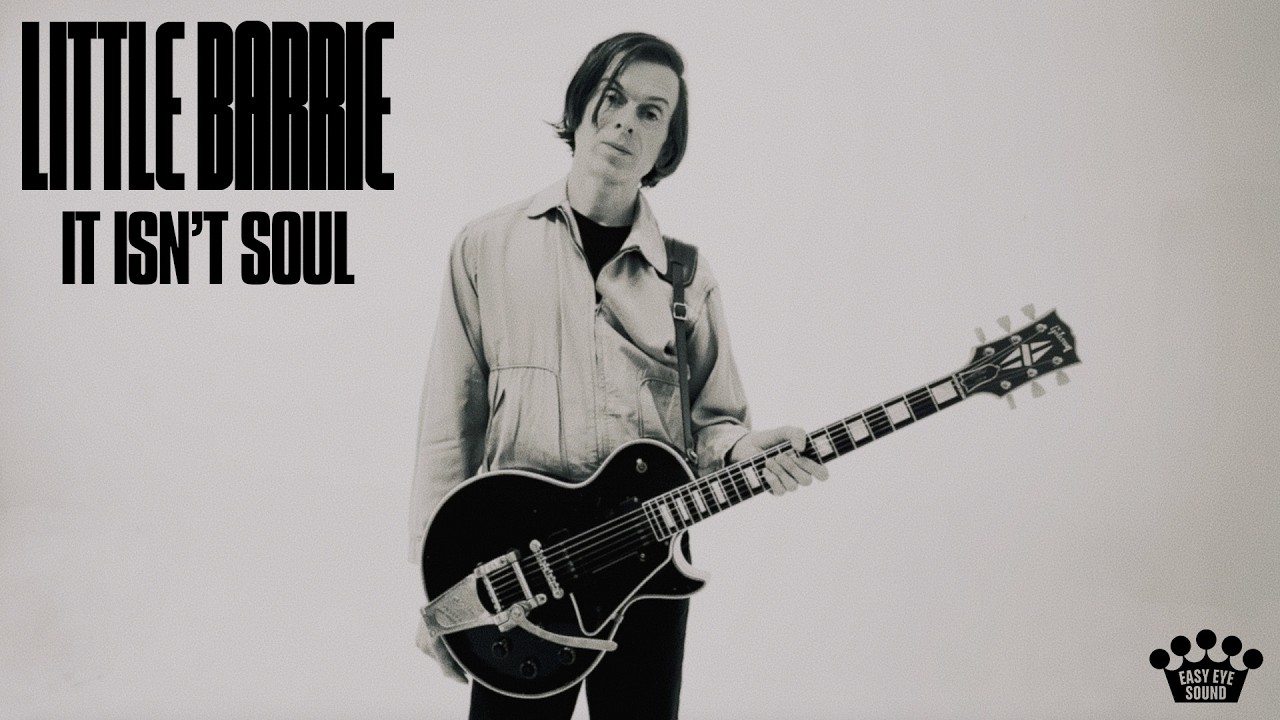
Luggin’ Hurt was my Black Beauty Custom with that Cornell fuzz. For December, I used my ’60s Kay Red Devil – it’s got those Speed Bump pickups. On It Isn’t Soul, it’s an Esquire into a fuzzbox as I wanted it to be kind of wiry.
What do you like about the trio format?
There’s something exciting about the minimalism. Working with the space – there’s something liberating about it. I’ve always been as much inspired by rhythm and drums as by guitar.
So I try not to approach playing rhythmically in a rock way, y’know, I don’t really fill out songs with tracks of rhythm guitar. I tend to hold out and play around the vocal. Like More Bad Miles Of Road, I’m just singing off the bass and drums.
With a trio, you learn how to pull things back because if you go out on your first song playing at full velocity, you’ve got nowhere to go. You have to learn how to leave space.
With a lot of modern production, it feels like people just fill everything out with hundreds of tracks. The confidence in the space is something that takes a while to learn. It can feel vulnerable at first, but there’s so much dynamic scope in a trio just by holding back and not always playing at full velocity or volume.
How does your approach vary when you play with other musicians?
One key thing you have to be conscious of is that not everyone wants to play at the same volume
One key thing you have to be conscious of is that not everyone wants to play at the same volume. If I work more as a sideman with other people, the volume tends to be lower. But with bands like The The, I’m playing louder than with Little Barrie.
Probably the loudest band I’ve ever played with was Primal Scream. We were using Super Leads and cranking them. Or you might need a certain effect, like when I worked with Edwyn Collins and he used the Mu-Tron, so I had to have that in the chain.
You’re a lifelong Stone Roses fan. What was it like being in John Squire’s band with Liam Gallagher?
I never could have imagined it as a kid, with Stone Roses posters Blu-Tack’d to my wall. When I played bass on that Gallagher/Squire tour, it was a lot of fun switching hats. The parts were quite riffy and melodic.
Y’know, John said he wanted that movement from the bass because it was a single-guitar band. And the way John plays, he doesn’t need a second guitarist. He’s one of those guys – he can cover it all.
- Gravity Freeze is out now via Easy Eye Sound.
- This article first appeared in Guitarist. Subscribe and save.

