




Yamaha is a bit of an anomaly compared to all the other gear brands you’ll read about in Guitar World. The company’s history stretches all the way back to 1887, when reed organ manufacturer Nippon Gakki Co. was established by Torakusu Yamaha.
At the turn of the century, they were responsible for the very first pianos made in Japan. By the mid-’50s they were at the cutting edge of motorcycle design, which led to their expansion into a number of motor-related industries, including boats, generators and robots.
The Guitar Research Division was founded in the mid-’60s by Yamaha’s president at the time, Genichi Kawakami, who told his team to create something that could rival the finest instruments in the world.
All these years later, their guitars have been seen in the hands of many a musical legend, from folk heroes like Paul Simon and John Denver and classic rockers like Brian May and Randy Bachman all the way through to alternative greats such as Billy Corgan and Chino Moreno.
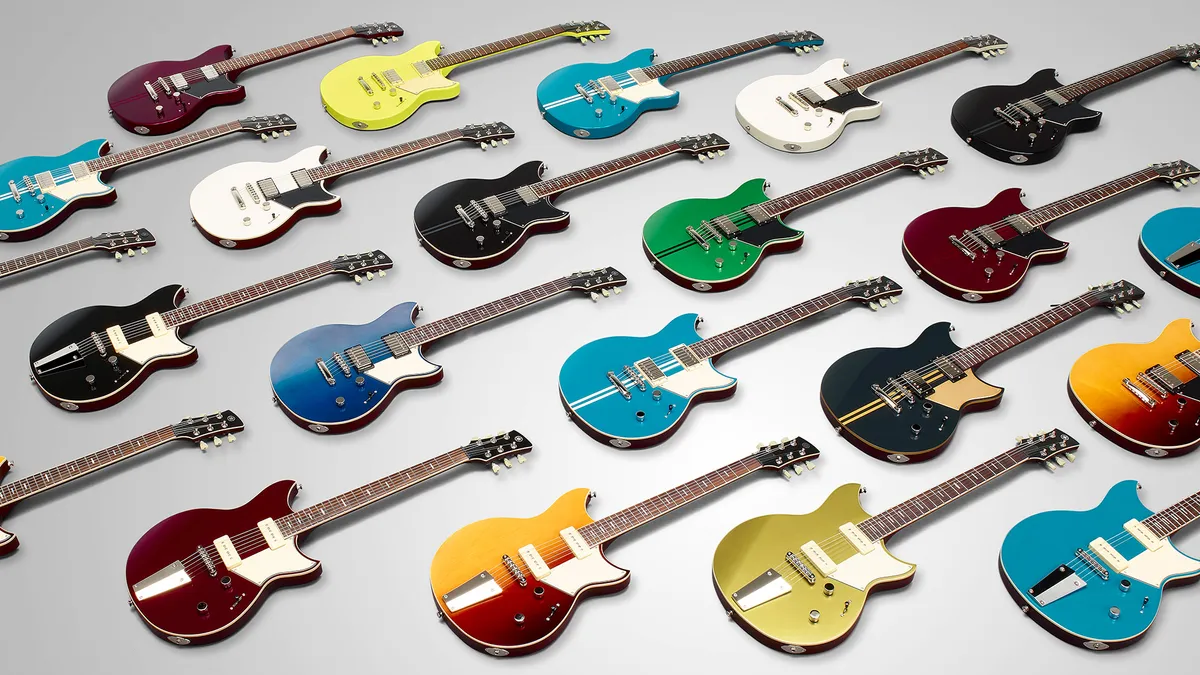
The company’s most famous designs include FG series acoustic guitars, the Carlos Santana co-designed SG-2000, RGX Superstrats, ultra-versatile Pacificas, and the newer Revstar models seen in the hands of modern trailblazers Chris Buck and Matteo Mancuso.
In celebration of their 60th anniversary in the business, we tracked down Electric Guitar Product Manager Yusuke Ota and Acoustic Guitar Product Manager Shingo Ekuni for an exclusive look into the company’s evolution.
What can you tell us about the very first Yamaha guitars?
Shingo Ekuni: The first Yamaha guitar was the FG-180 acoustic, which was designed in 1965 and released the following year. Our president was very ambitious and wanted to make the best guitar possible. We were already known for making high-quality pianos and orchestral instruments. The new guitars had to live up to that benchmark – built well enough to last forever. That was how it all got started.
Yusuke Ota: The first electric models came the same year, originally called the S201 and S302, though we changed the names to SG-2 and SG-3. We’ve changed the strategies and names behind our guitar lines a few times; in this case it was because Yamaha was planning to launch a semi-acoustic range like the Gibson ES-335 and wanted to call it the SA series.
The plan was to match the model name with the models, and the meaning behind SG was “solid guitar.” Back then, the ideas were a bit more fluid, so they were happy to change things around.

Even that early on, there was a focus on making guitars of all kinds, rather than sticking to one core design or sound.
Ota: That’s one of Yamaha’s greatest strengths. We have a wide range of styles, sounds and affordability. Things like the Pacifica became well-respected for being one of the best entry-level beginner’s guitars, but we have a lot of high-end instruments for professional artists. It’s a wide operation that caters to players of all skill levels and budgets, which can only be a good thing.
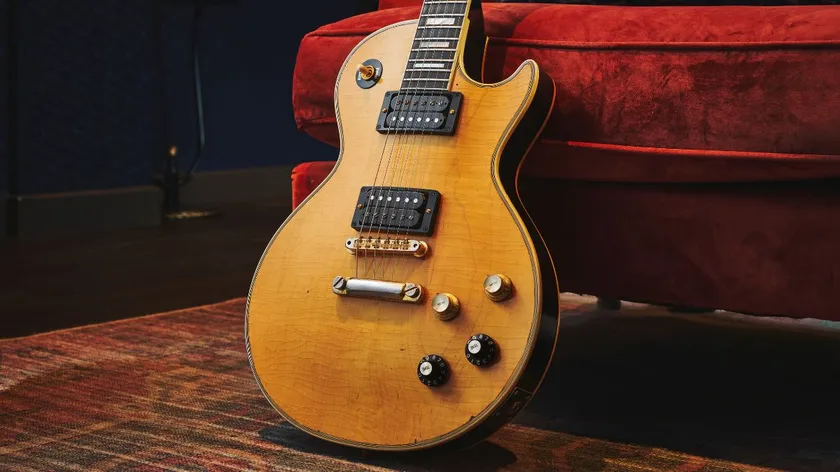
The SG-1000 and SG-2000 were introduced in the mid-’70s. Their names were soon cast into legend as “the Les Paul killer,” ending up in the hands of Al Di Meola and Phil Manzanera.
Ota: Early on, our development team didn’t really define what SG stood for very clearly. We actually call many different body shapes the SG, because it stands for solid guitar. In 1974, we made a very iconic model with the symmetrical body shape of the SG-1000, which officially arrived in 1976 along with the SG-2000, designed in collaboration with Carlos Santana.
He gave us a lot of feedback, which we utilized to make the best-sounding guitar of its kind. Our goal during that era was to produce “Made in Japan” models that could be used by professional guitarists. The construction was a set neck with a maple top and mahogany back, almost like a Les Paul but made in a Japanese factory with all the benefits of artisan Japanese craftsmanship.

We also gave the guitar some unique tonal features, like the bi-sound system, which worked like a coil split with push/pull tone pots. We wanted to provide single-coil sounds even though the guitar had two humbuckers.
Today’s artists are more picky when it comes to sound, so it means a lot when someone like David Ryan Harris from John Mayer’s band is using the FS9
Shingo Ekuni
What have been the best-selling acoustic models over the years?
Ekuni: It would probably be the FG series, because every dealer will stock them and a lot of people end up having those models as their first guitars. Some people even carry on using those entry-level guitars on a professional level. We’ve seen players with vintage FG-180 acoustics, the first model we ever made, on stage or in the studio. We also started making folk-style acoustics, which is what American folk artists like Paul Simon wanted.
The singer/songwriter players came back in the ’90s after all the metal generation kids in the ’80s, so the FG models had a revival. Gradually the lineup has expanded. In 2010, we did the vintage reissues called the FG Red Label, as well as the FG9 and FS9.
These were high-end guitars that looked back to our earliest models. We are proud to see vintage FGs still being used by professional artists, as well as the newer reissues. Today’s artists are more picky when it comes to sound, so it means a lot when someone like David Ryan Harris from John Mayer’s band is using the FS9.
In the 1970s, the quality of the Japanese guitars famously created a wave of fear and controversy for some U.S. brands. Now these “lawsuit era” models are highly collectable.
Ota: For sure. Many of the guitars made in Japan back then were copying Fender and Gibson. The currency exchange rate at the time made it hard for people to buy American guitars – it was super expensive. So the local manufacturers made their own versions to sell to the Japanese market.
The difference with Yamaha is that we were trying to make original guitars rather than copies. We wanted to invent a Yamaha-ness, if that makes sense, by adding unique features or coming up with quirky body shapes.

Then there was the age of the Superstrat, starting with the now-discontinued RGX series in the mid-’80s and then the Pacificas of the following decade.
Ota: In 1985, hard rock and heavy metal was very trendy. We wanted to make a guitar for that market, with a pointy body shape, a thin and compact neck profile plus high-output pickups even with the HSS configuration. It was like a guitar for the younger generation who were pursuing more of a technical playing style.
That was definitely us going into the Superstrat world. In 1990, we launched the Pacifica series by getting the Japanese and American teams to collaborate and make a guitar for all the session players in L.A.
That was a big thing around that time, so we wanted to create something that was ultra versatile and able to cover just about any kind of sound and genre. Another consideration was the price point, we wanted affordable versions of these guitars, as well as mid-tier and higher-end ones.

Which players would you say are most connected to the Yamaha brand and encapsulate the sound?
Ota: Of course there are a lot of legendary players who have used Yamaha guitars, but of the classic players, Carlos Santana is one of the biggest names we’ve been associated with. He really loved the SG series in the 1970s. We made that great guitar together that really influenced the market.
The SG-2000 had this really fat sound that was rich in the mid-frequencies, almost like a vocal. That’s why his guitar lines would sound like he was singing, with all that long sustain. It was such a thick tone even without any distortion or overdrive. It would always cut through thanks to the neck-thru construction, tonewoods and our pickup design.
In the ’70s, players were after a more powerful sound with a little bit more output but without sacrificing that very musical tone. After that, Carlos went on to PRS, but he was mainly using Yamaha electrics before that and helped make the SG series very iconic. As for contemporary players, we have to mention Chris Buck and Matteo Mancuso who are both using our Revstar series.
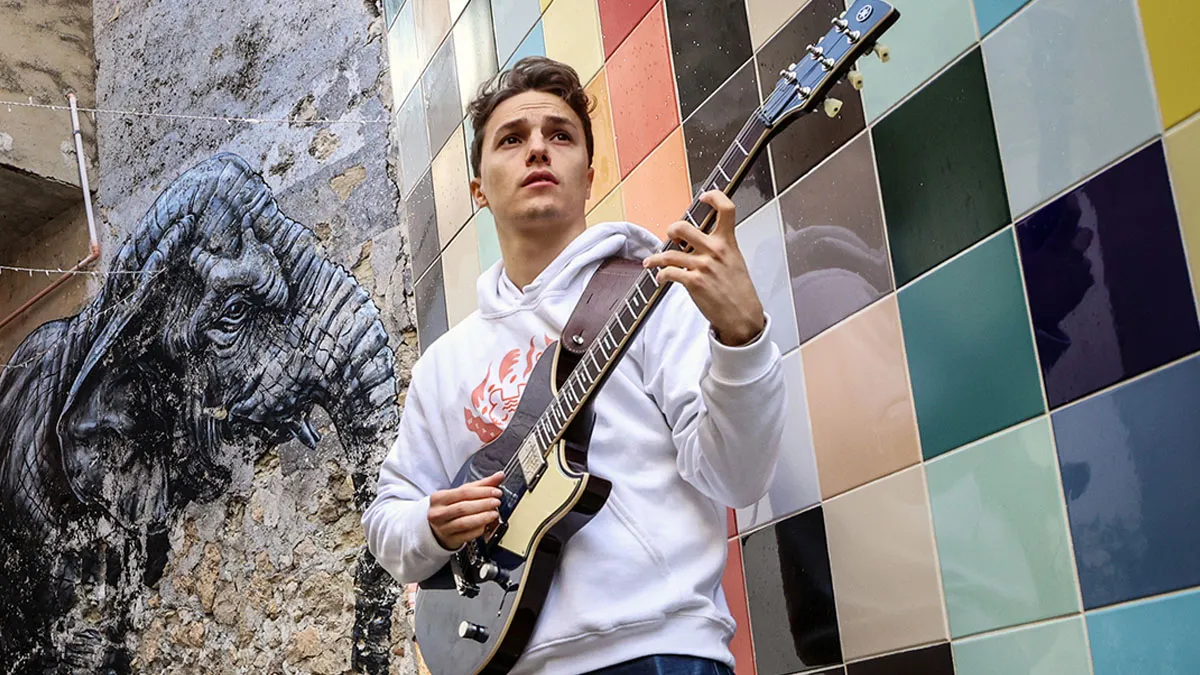
In terms of contemporary players, you couldn’t have asked for better endorsees. Both of them were born with this one-in-a-million kind of magic touch.
Ota: Exactly. I think they are two of the greatest guitar talents of this era. Chris is a very dynamic player who uses his right hand to create this very unique feel and tone. On the other hand, Matteo is super-technical and has a very clear tone.
They are such different players, but both of them want something similar – lots of dynamics and transparency. I think the Revstar is one of our most iconic models right now. I’m proud to see those two players using our guitars and look forward to seeing them both become even more popular.

Other famous names connected to Yamaha over the years include Billy Corgan, Wes Borland, Steve Lukather, Mike Stern and Rodrigo Y Gabriela. It’s been quite a mix, when you think about it.
Ekuni: We’ve always loved catering to many styles. Billy Corgan has been using the LJ16 as well as the FGX5 from the Red Label series. I’ve spoken to him directly about what he wants and expects from his acoustic guitars. What he mentioned was that our pickups are perfect for him to express himself. I think it’s partly because our development team is so big – we are making professional mixers, pianos and all kinds of equipment.
We pull from the same resources, which means we have more technology than other brands. Billy’s playing style is quite wide; he might go from very soft fingerpicking to hard strums with a pick. He needs a pickup that can do both, and most pickups that are good for one aren’t particularly good at the other. We made our pickups to handle every kind of playing style. Billy has told me that’s why he chooses Yamaha.

What are your current bestsellers?
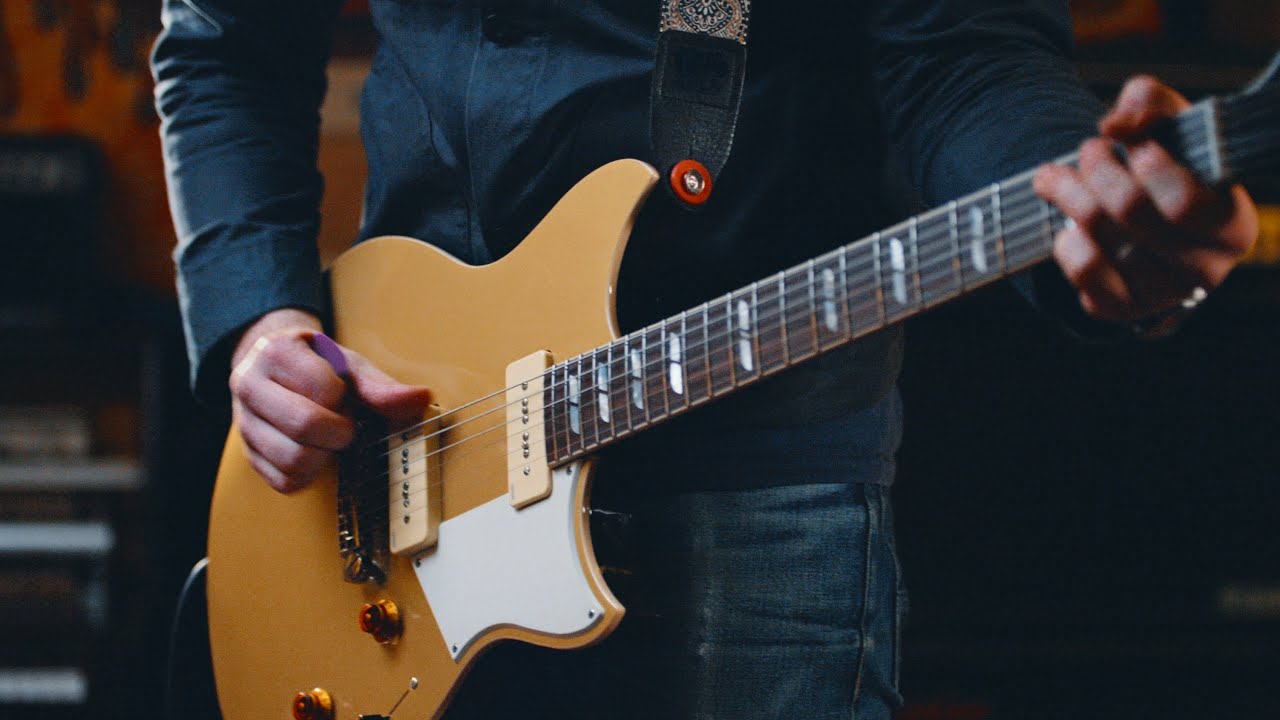
Ota: The Revstar is doing really well right now. I think that’s because it’s so different to what other major brands like Gibson and Fender are putting out.
Again, it helps that Chris and Matteo are using them. The Revstar allows the player to really create the tone from their fingers, which a lot of electric guitars don’t always do. It’s all about what they hear in their head and translating that through the wood and the pickups.
What can we expect next from the gang at Yamaha?
Ota: The Revstar is our key series right now, so we’re looking to expand the lineup. For 60 years, Yamaha has been designing guitars with musicians at the center. That won’t change, but players are changing. Styles and expectations aren’t what they used to be.

We’d like to keep evolving and offer the instruments our customers need. People will always expect great guitars from Yamaha, and we want to make sure we deliver.
Ekuni: Compared to other brands, we’re quite unique. I’m working from Japan while Yusuke is in the U.S. We have teams across the world in Europe and other Asian regions correlating with each other, feeding back what our customers and artists are saying. We use this information to carry on developing better and more unique guitars. It was the mission statement for when Yamaha Guitars first launched and still is today.
- This article first appeared in Guitar World. Subscribe and save.

