




You never really know when you’re going to get your break. Dead Pioneers’ early single, Bad Indian, created a momentum they hadn’t anticipated. Things only accelerated when they mailed a copy of their music to Pearl Jam bassist Jeff Ament.
“I was 38 when we went on tour with them,” says guitarist Josh Rivera. “A long time ago I’d kind of given up on the dream of something like that happening. Pearl Jam asking us to come out and play was kind of the ultimate confirmation that maybe we were doing something right.”
That validation can be heard all over their forthcoming album Wagon Burner – while the Dead Pioneers’ politically charged identity remains intact, the record dramatically expands their sonic palette, pushing their sound and identity far beyond straightforward hardcore punk into something heavier, more atmospheric, and surprisingly dynamic.
“We got heavier and dirtier on this record than we ever have before,” Rivera says. “But we also cleaned it up and explored a lot more atmosphere.”
That evolution largely came from the chemistry of the band as a whole; their collaborative approach became central to the record’s identity.
Unlike many punk bands where guitar roles stay rigidly separated, guitarists Rivera and Abe Brennan approached Wagon Burner as a communal creative process where riffs constantly evolved in the room.

“This is the most collaborative band I’ve ever played in,” Brennan says. “Someone brings in a riff, and pretty soon everybody’s adding to it. Suddenly, you’ve got this Frankenstein song – but it works. I’ve always believed punk should evolve. If you’re just recreating the same thing over and over again, eventually it stops feeling honest.”
That attitude pushed the band to explore unfamiliar territory. Songs like Nazi Teeth lean into massive octane-drenched riffs and near-metallic aggression, while tracks like Never Alone incorporate cleaner layers, chorus textures, and the sort of melodic space that was only hinted at in prior releases.
“We explored using all sorts of pedals on this record,” Rivera says. “I probably brought 20 or 30 into the studio. There were always a dozen different things at my feet.”
Sessions took place at The Blasting Room studio in Fort Collins, Colorado, where he had the luxury of recording close to home instead of flying into sessions with limited gear. That freedom allowed him to constantly swap gear and textures. “On the last record I was mostly using whatever the studio had. This time, if I wanted a different guitar or a weird pedal for one section, I could just go grab it.”
They relied extensively on the EarthQuaker Devices Gary Overdrive, while also using the Chase Bliss Generation Loss Mk. II for degraded chorus textures and warped ambience. “Anytime I needed something a little warbly or weird, I was reaching for the Generation Loss,” Rivera says.
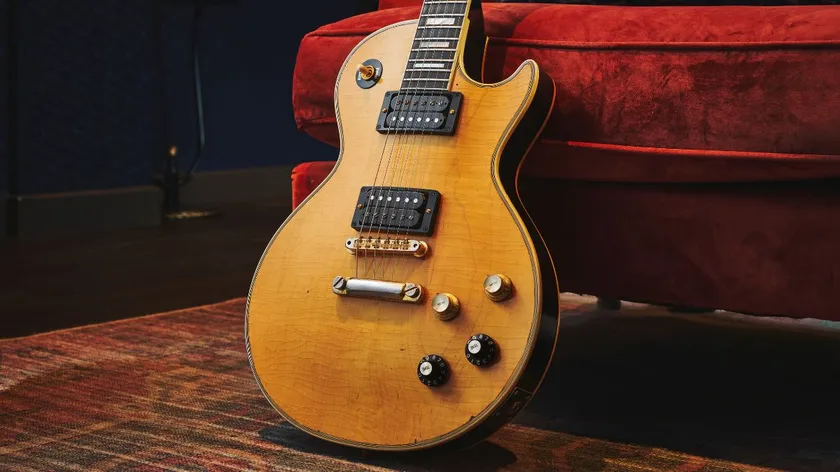
He leaned heavily on his Ryan “Fluff” Bruce signature Music Man StingRay alongside several PRS guitars. Meanwhile, Brennan tracked much of the record using his Gibson SG. “I love the way the SG reacts,” he says. “Anything weird or chaotic just feels right on that guitar.”
Brennan’s pedal choices played a huge role in the record’s heavier moments as well. He frequently used the EHX POG throughout the hard-charging Nazi Teeth, helping create some of the thickest guitar tones the band have recorded thus far.
“Once Abe kicked on the POG for some of those single-note riffs, everything just got massive,” Rivera says. “It stopped sounding like a normal punk guitar and started sounding almost mechanical and overwhelming – in the best way possible.”
Even fuzz tones carried deeper meaning. Dead Pioneers have repeatedly pointed to Indigenous-owned pedal company NativeAudio as a defining part of their sound, particularly the Frybread Fuzz and War Party pedals.

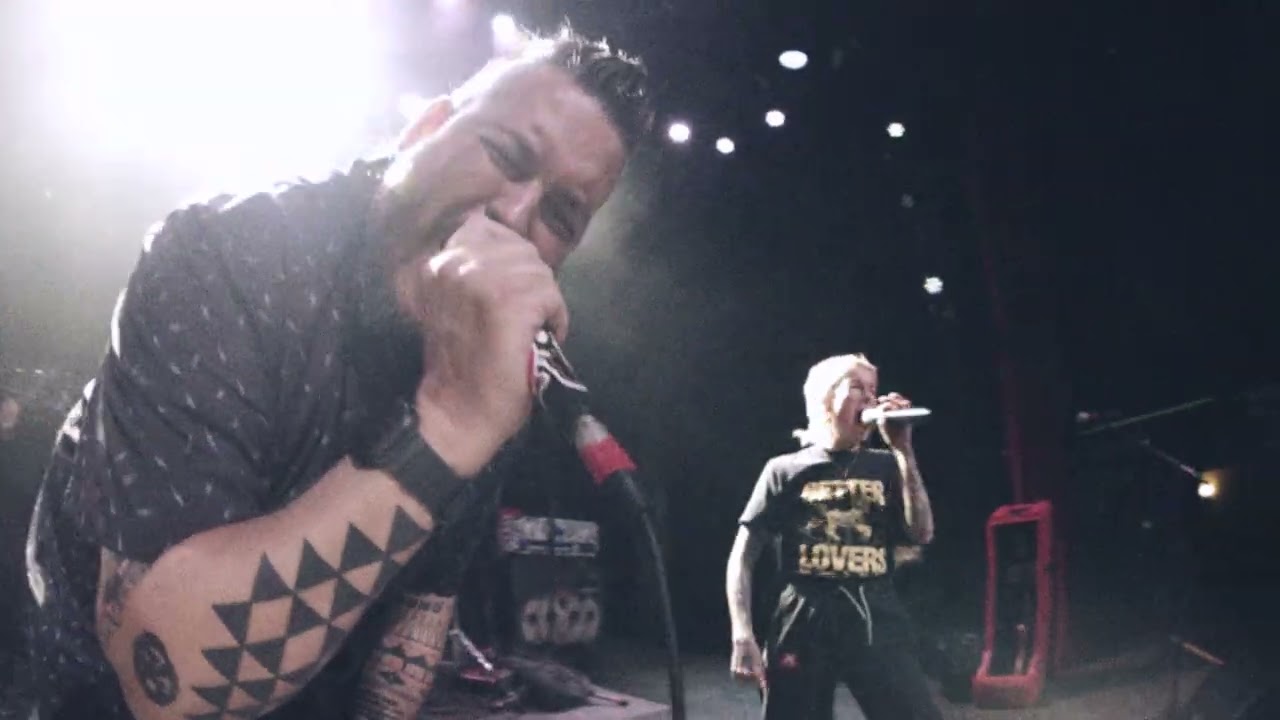
Their willingness to experiment mirrors their larger mission: originally born from singer/songwriter Gregg Deal’s spoken word performance project The Punk Pan-Indian Romantic Comedy, the band have always approached punk through a political lens rooted in Indigenous liberation, class consciousness, and anti-capitalism.
“You can’t talk about Indigenous rights without talking about capitalism and the way it’s affected our communities,” Deal explains. “You cannot talk about Indigenous liberation without talking about class war.”
That urgency drives the emotional core of Wagon Burner. Deal adds: “If Never Alone is saying music can bring people together, the rest of the record is explaining why you need that community in the first place.
“We have more in common with each other than we do with any billionaire dickhead. That’s the whole point. We’re trying to bring people along with us.”
- Wagon Burner is releaed on June 26, and it’s available for pre-order now.
