


Before he became Jake E. Lee’s trusted confidant in Badlands and Red Dragon Cartel, Greg Chaisson nearly joined Ratt and Ozzy Osbourne – but music had never been part of his plan. “I really had no musical aspirations at all,” he says. “I was a baseball jock.”
But he has no hard feelings about that long-lost sports career; and it’s easy to see why, as albums like 1989’s Badlands and 1991’s Voodoo Highway testify. “The records speak for themselves,” Chaisson says. “They stand up. I would stand on stage while Badlands were playing and think to myself, ‘Wow, I’m in the best band in the world!’”
After that band crashed out in the early ‘90s, Chaisson picked up session work before hooking back up with Lee in Red Dragon Cartel. Then cancer stopped him in his tracks – but all is well now, and Chaisson is making music with his new band, Atomic Kings.
“I wish I hadn’t had cancer and had to leave Red Dragon Cartel, but it is what it is,” he laments. “At least I’m still here to bitch about it. I’m proud of the music that we make in Atomic Kings. Short of playing with Jake, I can’t see myself anywhere else.”
Your first proper band was Surgical Steel, where you befriended Rob Halford.
Our guitarist ran into Rob at a club in Phoenix. It was a very popular music club with a country bar upstairs and a rock bar downstairs. Rob and our guitarist came over to my house to watch a boxing match the next night. He came to see us play, got up on stage, and did some vintage Priest with us. We became good friends.
Before Screaming for Vengeance was released, he sent us an advance copy. Without telling him, we learned Electric Eye, Screaming for Vengeance, and You Got Another Thing Coming for a show we knew he’d be at. We were going to play them before Priest ever played them!
Rob was standing at the side of the stage when we launched into Screaming for Vengeance. The look on his face was priceless! When we played You Got Another Thing Coming, we did the call-and-response thing the way they’d eventually do it.

Rob was very impressed, and the crowd was absolutely crazy about hearing new Judas Priest songs from somebody other than Judas Priest. It was probably bad form on our part; but we didn’t realize it at the time, and Rob never did say anything negative about it.
He ended up singing some of the classic Priest stuff with us. He knew we didn’t know anything about the music business, so he gave us a very gracious pass over it.
After stints with Legs Diamond and Steeler, and near misses with Ratt and Michael Schenker, you auditioned for Ozzy.
I auditioned for The Ultimate Sin record. But Ozzy didn’t think I had the right look for MTV. He was probably correct. I do know he liked my bass playing – he told me I was the best of everyone who auditioned. The audition took place in Scotland, near Inverness. They were staying at a manor house with a studio in an outbuilding.
When I got there, we didn’t play any material from Sabbath or any of Ozzy’s solo stuff. We just worked on the songs that eventually ended up on The Ultimate Sin record. They had them all written, except Shot in the Dark; Phil Soussan brought that in with him.
I was there for 21 days and recorded almost every day or night. I honestly don’t know if anything I recorded ended up on the record, but I do know they liked my bass lines. I was disappointed not to get the gig for the reason Ozzy stated. If they’d said I wasn’t good enough, I could have gone home and got better.
But there’s nothing I could do about my image – or lack thereof at the time. It was such a trip just to be up there auditioning. Jake and I became really good friends while I was there and we’ve maintained that friendship ever since.
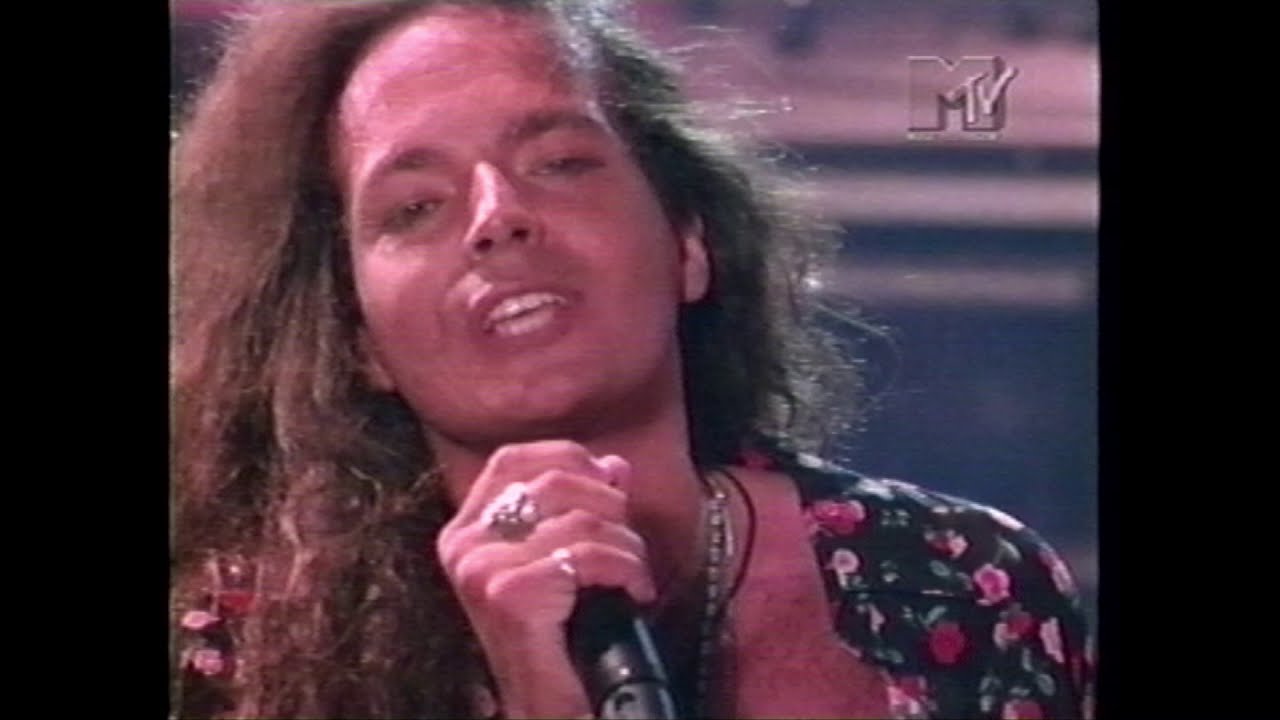
What did you think of Jake as a player?
One of the reasons I wanted to audition for Ozzy was that I’d seen Jake play in Rough Cutt. I thought he was the best guitar player I’d ever seen – he had great chops, great image, and he was great on stage.
One of the reasons I became a musician was that I wanted to play with the best musicians, and I consider Jake to be one. After I didn’t get the Ozzy gig, he and I stayed in touch. He’d call in the middle of the night when he was on the road, and we’d talk about all kinds of stuff.
Jake didn’t want people saying I just got in the band because we were friends
But your entry into Jake’s post-Ozzy group, Bandlands, wasn’t a sure thing, right?
He asked me if I wanted to audition – which kind of threw me for a loop because I always assumed I would just get the gig. All my friends knew I was good friends with Jake. I thought that if I auditioned and didn’t get the gig, I’d look like an idiot.
I told him to go ahead and audition as many people as he wanted, and if he couldn’t find anyone, I’d audition. He said, “You didn’t expect me to just give you the gig, did you?” I said, “Well, yeah!” He said he knew a lot of other people, and he had to give them an opportunity.
I’m sure he thought I was a pain, but he went along with it. He’d call every week and say, “We still haven’t found anyone. Do you want to come down?” I’d reply, “Not until you’ve seen everyone.” After they auditioned around 40 guys, he said, “Are you gonna come down or not?”
I auditioned three times, as I wasn’t Ray [Gillen, the band's vocalist] or Eric [Singer, the band's drummer]'s first choice. They wanted a friend of theirs who was a great bass player. For whatever reason, Jake really wanted me in the band, but he didn’t want people saying I just got in because we were friends. I’m sure some people out there still think that’s why I got it – but that’s on them.
What gear did you use on Badlands’ debut?
I used a vintage Ampeg SVT head through a vintage Ampeg 8x10 cabinet. The producer, Paul O’Neill, made me use a vintage Fender P Bass from the early ‘60s that wouldn’t stay in tune. It was so screwed up that you could never intonate it correctly. I hated it; I wanted to use my B.C. Rich, but O’Neill wouldn’t let me.
When we went to New York to do the second half of the record, I brought my B.C. Rich, and that’s what I used. I told O’Neil he could shove it – I was using my own bass, which played better and sounded better. I used the same amp setup in New York.

What was the making of Badlands’ second record, Voodoo Highway, like?
Jake was going to produce the second album, which I was thrilled about. We went to a studio called Rumbo Recorders. I thought we had some really great songs – still do.
I used my Seymour Duncan 800 heads through a Seymour Duncan 8x10 cabinet. I also used a vintage Ibanez TS-9 Tube Screamer as part of my signal chain. It was on the whole time; it added a little bit of grit to my tone. I’ve used a Tube Screamer on every album I’ve done since then.
By then I’d changed to ESP basses. They made me a couple of vintage Fender-style P Basses that I still have and record with to this day. I think both of those records have stood the test of time.
What led to the end of Badlands?
It could be any number of things. The musical climate was changing. The whole Seattle thing was happening when our second record came out, and I’m pretty sure we could see the writing on the wall from that aspect.
I think we picked the wrong manager. We were going to sign with Larry Mazer, but we ended up with Paul O’Neill. At one point, when we were recording our first record, O’Neill said to me, “We’re thinking of firing Jake; we want to know if you’d go along with it.”
They wanted to get a different guitar player because Jake wouldn’t go along with everything O’Neill was trying to do. I looked at him like he had two heads and said, “Let me get this straight – you’re going to fire Jake E. Lee from his own band?”
I called, and told Jake I was quitting, but I was very vague about why. He was not happy
I said, “You must be out of your mind. You guys do whatever you want, but I’m staying with Jake.” I wouldn’t have even been in the band if it wasn’t for Jake. Besides that, I had the highest regard for his writing and playing. Eventually, O’Neill backed off from his stupid idea.
Did you keep in touch with Jake after Badlands broke up?
We stayed in contact for a while. The plan was to start a new band with a new singer and drummer, but I was planning to move back to Arizona; and unfortunately, the new band never happened.

What led Jake to ask you to join Red Dragon Cartel?
When he first started the band, he didn’t ask me to be involved, mainly because he’d made a deal that meant the guy who owned the studio could play bass on the record and go on tour with the band.
I would’ve loved to play on the record – but at that time, it just couldn’t happen. When they went out on tour, Jake called and said they had a show in Tempe, Arizona. He wanted to know if I wanted to play bass.
I said, “Sure! Send me over a setlist.” The band came out to Phoenix about four days before the show and we started to rehearse. Jake and I hadn’t played together since the end of Badlands. He walked into the studio and went right into a jam that lasted about 45 minutes.
We did the show and I had an awesome time – the band was just great. The audience response was fantastic, and of course, playing with Jake again was fantastic. Just like old times. Jake asked me to join after that.
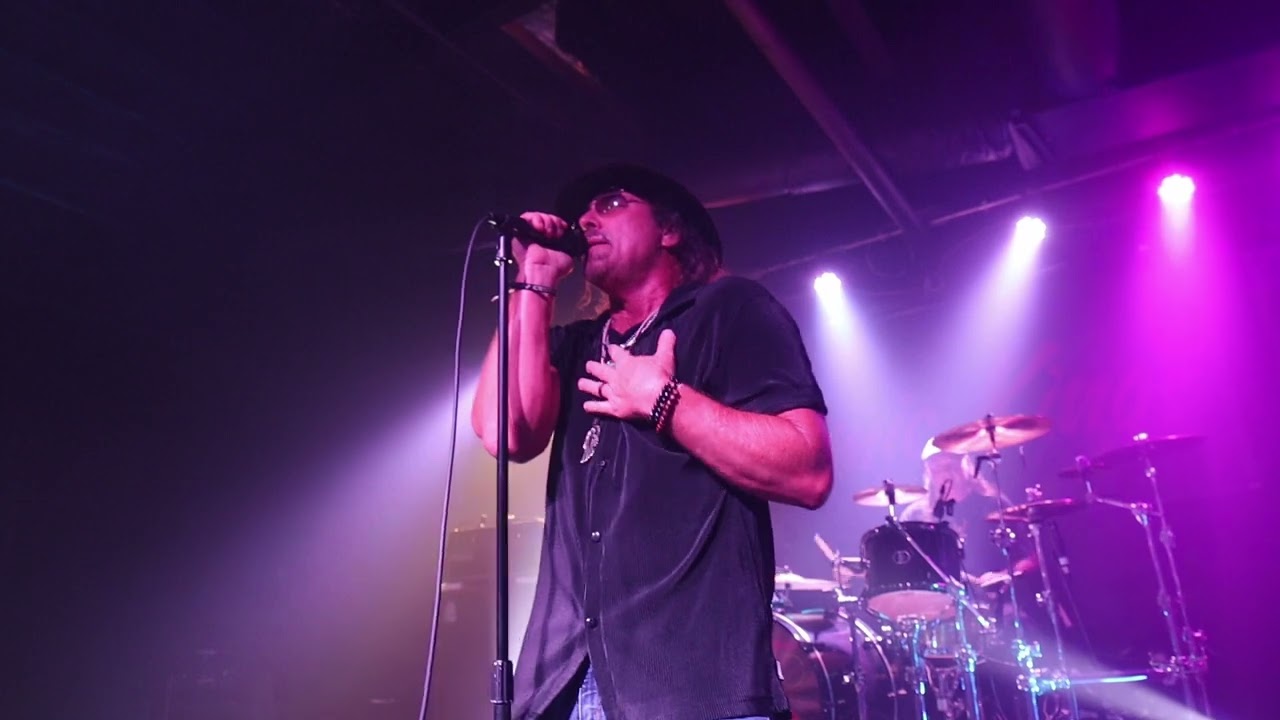
But it didn’t last…
The weird thing is, I was sick the whole time. I passed out coming off stage twice. I don’t drink, smoke, or do drugs; I’m kind of a fitness nut, so I couldn’t figure out what was wrong with me.
After the tour, we had some time off before another tour. I was feeling pretty bad; I had a feeling I was very sick, but my insurance was dragging its feet in letting me see an actual specialist.
I called Jake and told him I was quitting, but I was very vague about why. He was not happy; but I needed to find out what was wrong. I finally made an appointment with a specialist. He diagnosed stage four tongue cancer and gave me 10 months to live.
I called Jake and told him, “I have cancer.” I told him I hadn’t wanted to let him know until I was sure. It was hard to quit because I really liked the band, and Jake’s my brother from another mother.
He and I would be friends even if we weren’t musicians. I’d love to do a band with him again. I think he would agree. You never know what the future holds
But there’s no way I could’ve done the tour because the treatment was absolutely brutal. When I started the treatment, I weighed 195 pounds; five months later, I weighed 121.
Have you stayed in touch with Jake since?
Yeah – mostly through texting. Whenever I’m in Vegas we make sure to get together; same thing when he’s here in Phoenix. Normally, we don’t even talk about music. He and I would be friends even if we weren’t musicians.
Having said that, I’d love to do a band with him again. I think he would agree. You never know what the future holds. Hopefully someday.
What are you doing now?
My band Kings of Dust changed its name to Atomic Kings. Our first record came out a couple of years ago, and we’re currently recording the second. The music is very ‘70s. I think we’re a really great band.
We don’t really make any money, but we play a half-dozen shows a year. The response has been excellent. As long as we’re having a good time, we’ll keep doing it.
- Atomic Kings’ self-titled debut album is on sale now.

