


Detroit-born Ralphe Armstrong was a 17-year-old classical upright bassist, weaned on the jazz and R&B ways of his Motown surroundings, when John McLaughlin selected him to anchor the second edition of the Mahavishnu Orchestra and play on the group’s landmark 1974 orchestral record, Apocalypse.
Armstrong would record on two more Mahavishnu albums, play with Carlos Santana, and tour with Frank Zappa and Herbie Hancock before keeping his promise to Mahavishnu violinist Jean-Luc Ponty and joining his band in 1975.
Ponty, who pioneered the electric violin (augmented with effects), quickly became a fusion figurehead, known for his Euro-melodic compositions over repetitive rhythmic forms that helped him reach the Top 5 on the Billboard Jazz charts for 12 consecutive albums.
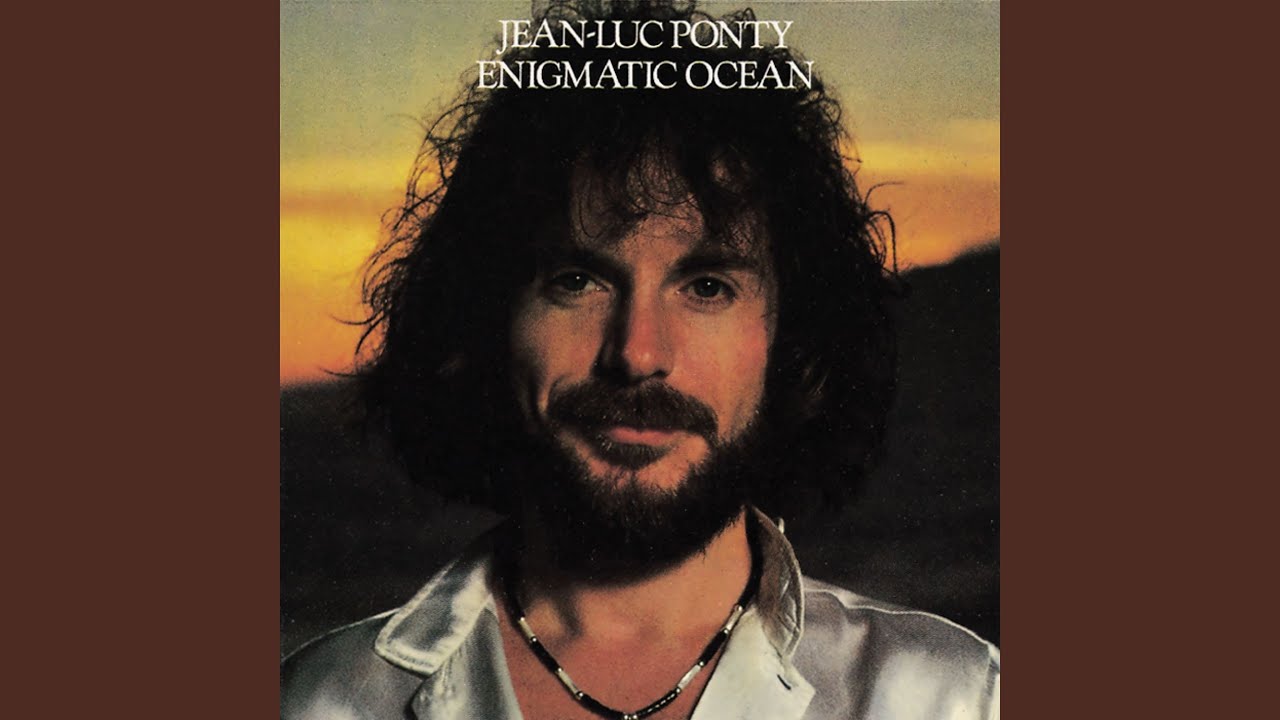
Armstrong's five-disc stay with Ponty included his most critically acclaimed release in 1977, Enigmatic Ocean.

“That album was about long pieces,” said Ponty in the November 2013 issue of Bass Player. “I had come up with the title-track suite in four parts, and I developed a second suite, which became The Struggle of the Turtle to the Sea. I wrote Part I while I was with Mahavishnu in 1974.”
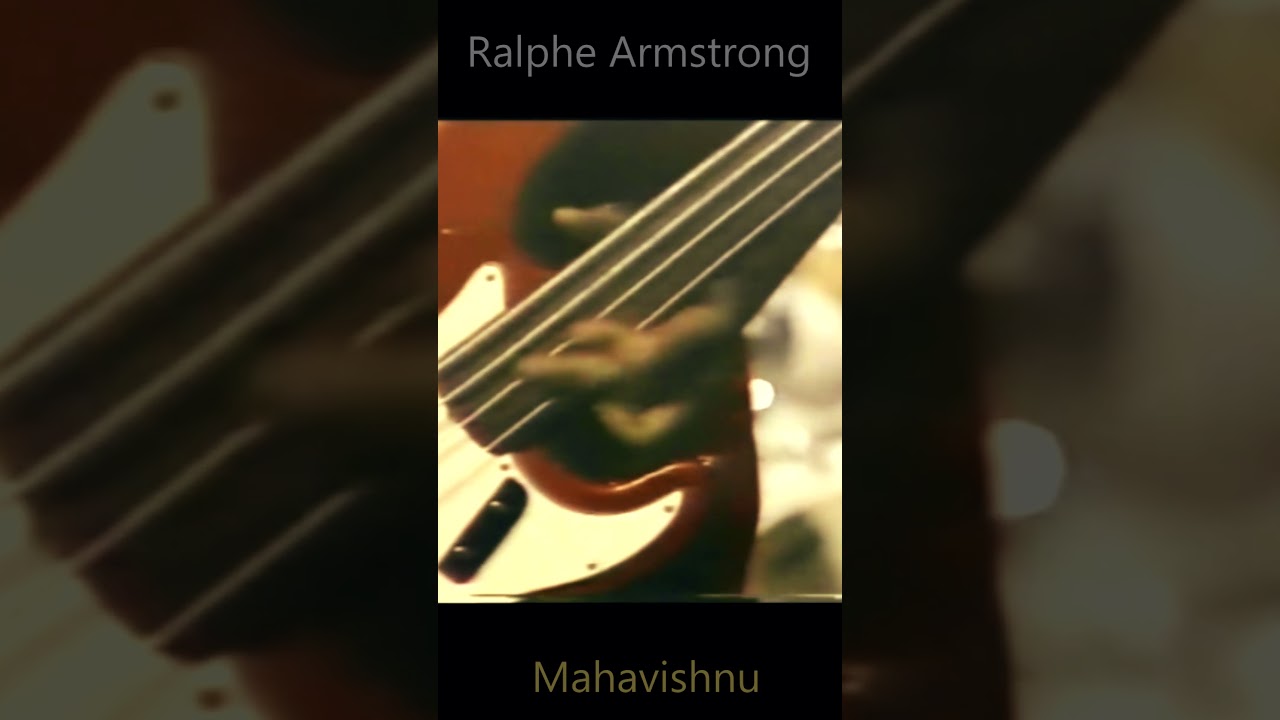
Armstrong’s groove-turned-solo on The Struggle of the Turtle to the Sea, Part III is perhaps the ultimate showcase of his unbridled energy – forged through three years of intensive fusion study with Mahavishnu.
“I would distribute solos to band members based on their affinity with the style of the piece, and this seemed like a great spot for Ralphe.
“I gave him a chart with written basslines for Part I and some of Part II, and just chord changes for most of Part III. There, l asked him to come up with a funky groove that would lead into his bass solo.”
The track begins with Steve Smith’s one-bar drum fill into Armstrong's bassline for what is a repeating three-bar chord sequence (Cm-E, F7-Ab7, F7-Db7), with an eighth-note anticipation of all three beat one downbeats.
“I remember Jean-Luc asking me to make it funky,” said Armstrong. “So I started with a Bb-C, to be bluesy. From there I tried to come up with a fluid line by putting notes between the accents on the roots of the chords.”
At 01:05, the second half of the solo takes a sharp turn, adopting an entirely different mindset.
“I wanted to use effects halfway through, and go for a Hendrix vibe: rockin’ out with a sense of freedom.
“I had a Morley Wah pedal and a Maestro Bass Brassmaster BB-1. It was a pedal designed to make your bass sound like a trombone, but I found that by turning the sensitivity knob all the way up, I could sound like Hendrix.”
Armstrong basically abandons the harmony and jams on a C blues scale for the ensuing 36 bars. Turning the effects off, he returns to bass mode for one three-bar phrase before Daryl Stuermer begins his guitar solo.

“The solo is a combination of my R&B roots, my classical training, and the way John McLaughlin was playing guitar in Mahavishnu. He played a lot of rapid passages made up of connected chord arppegios.
“My classical training was crucial because it taught me how to do just that: play arpeggios and connect fast passages.
“I used my Gibson Grabber, with D’Addario Half Rounds, and we recorded it direct.”
