


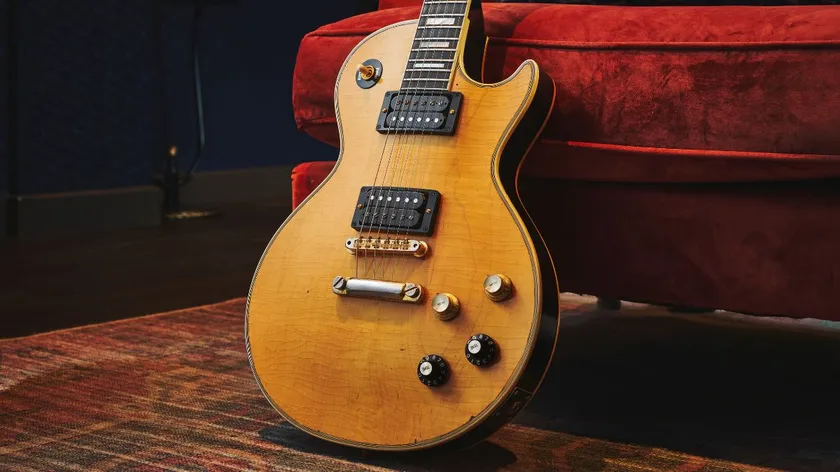


The inimitable Billy Squier drops in on GW for a quick-fire Q&A covering all things strings, from first electric guitars to the holy grail threatened by a house fire in New York – and why he doesn’t feel the need to practice.
What was the first guitar you owned?
My first electric was a two-pickup Danelectro I bought along with a little Supro amp. I found out years later that Jimmy Page used the same stuff. I paid around $75 for both when I was about 13. I bought them from the older brother of a school friend who didn’t want them anymore.
I’m not sure why he had them to begin with. It was probably just around when the Beatles were hitting, but it hadn’t yet become a thing where everybody was playing guitar.
What’s the first song you learned on that guitar?
I have no idea. My memory has been worn down by copious LSD experiments that I did back then! I remember being told that one thing to worry about with taking acid is that it doesn’t do your memory any favors. Maybe I’m finding that out now. I’d guess it could’ve been a song from the first Beatles album.
What was your first gig?
At around 14, I had a band in high school called the Reltneys. Our first gig was at a dance at a church hall. The first significant gig I can recall was a battle of the bands at my high school gym, where I duked it out with my local rivals, some of whom were my friends.
Ever had an embarrassing moment on stage?
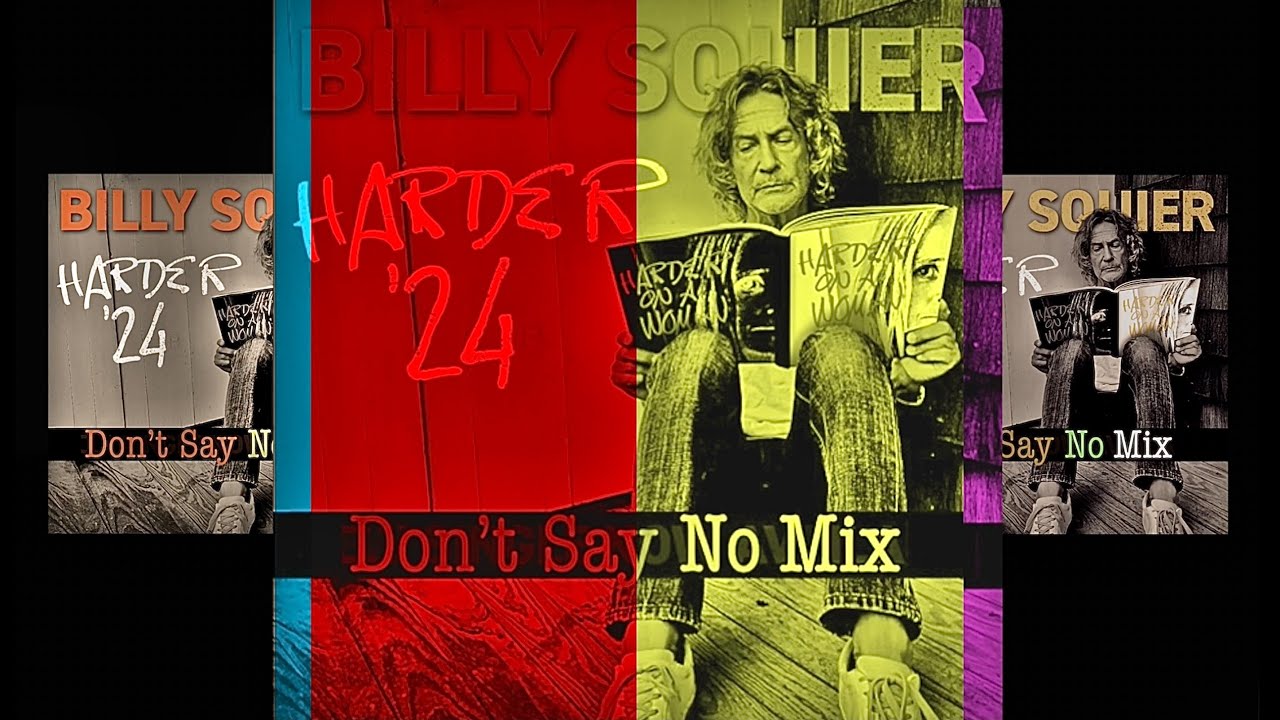
I have a lot of memorable pieces. I still have the 1960 Fender Telecaster Custom I used on most of Don’t Say No, the one that’s on the album cover
I’ve never been embarrassed on stage. I do have an irrational fear of embarrassing myself because of the way I grew up – certain things happened to me when I was younger that made me feel I was never really good enough, and I was afraid people would find out.
At the same time, I developed tremendous confidence in myself and where I was going with my music. Try reconciling those divergent aspects of your personality!
What’s your favorite piece of gear?
Amp-wise, my hot-wired Super Lead 100 Marshall heads, which I’ve had since the ’70s. They’re unbeatable – the best Marshalls I’ve ever heard. But I have a lot of memorable pieces. I still have the 1960 Fender Telecaster Custom I used on most of Don’t Say No [1981], the one that’s on the album cover.
The building is burning down. What one guitar would you save?
My ’59 burst, which is named “Fanny.” In fact, it already happened to me a few years ago. It turned out it wasn’t serious, but I live in a large building on Central Park West in Manhattan, and there was a fire in the basement.
There was a big commotion – alarms going off and fire engines circling – so I went straight to the closet, looked at my four Les Pauls, grabbed that one and my dog, and trotted down the back stairs and out onto the street. Everything was fine in the end; we didn’t lose anything.
There was a big commotion – alarms going off and fire engines circling – so I went straight to the closet, looked at my four Les Pauls, grabbed that one and my dog
When was the last time you practiced?
I don’t like to sound cavalier about this, but I rarely practice. I stopped seriously practicing a long time ago because the only time I found it to be really valuable was when I was trying to learn something specific to where I wanted to go.
When I was 16, I was transfixed by Clapton’s soloing on John Mayall’s Blues Breakers with Eric Clapton. There were so many things I couldn’t figure out and wanted to play. I’d spend hours dropping the needle on those solos, committing them to memory and working out how he did them.
Once I got going, I’d just find myself in situations where I’d be playing a lot of the time, for example, in a tune-up room at a gig or at soundcheck.
I’d always have a cassette player nearby, and if I came up with something I thought was good, I’d record it. The rest I’d leave to fate. If I do feel the need to test myself, I play Peter Green’s version of Freddie King’s The Stumble.
What aspect of the guitar would you like to be better at?
My acoustic playing could be more ingrained. I was never much of an acoustic player. I’m not an adept finger-picker. I could always strum chords and play parts as needed on my records, but it was never something I devoted any time to.
When I made my acoustic record, Happy Blue [1998], I made the guitar the centerpiece of the album; it’s the only instrument other than my voice. I taught myself to play in different tunings and came up with things I never imagined I could play.
I probably couldn’t play a lot of that stuff straight-off today because it was a one-time challenge I gave myself, and I don’t revisit it all that often. I’m very proud of that record; there’s some real good playing.
What guitar-centric advice would you give your younger self if you could?
That’s a tough question. If you ask me about things I’d say to young players today, it’d be something like, don’t learn solos from watching YouTube.
Figure them out for yourself. I’d use the example of how I learned to play by ear and picture the notes on the fretboard in my mind. If I could visualize the fretboard in my head and memorize solos by ear, I could put the pieces together – and it all made sense. Think of it as a relationship; get as close to the instrument as you can.
- This article first appeared in Guitar World. Subscribe and save.

