


French guitarist, singer and band leader Laura Cox began her career by posting videos of herself playing classic rock guitar solos on YouTube around 18 years ago, and she was amazed when the views and likes began rising to astronomical levels.
Before too long, she’d formed a band, walked out on stage and entered a professional recording studio for the first time to make her debut album, 2017’s Hard Blues Shot. Since then, she’s released another three, including the latest, Trouble Coming, from last year.
We spoke to Laura during her UK tour in May this year and were eager to hear about how she went from playing in front of a camera at home to taking centre stage as a headline act.
Tell us about how you began your career online.
I was around 15 when I started playing the guitar. Then, two or three years afterwards, I was really into watching YouTubers playing covers of classic rock solos, and it was really motivating for me. I thought, “Okay, I’m gonna do the same. I’m gonna post and maybe get some feedback.” I don’t know, I thought it would be fun. I was also a bit introverted, so for me it was easy to do this – easier than form a band and play on stage. So I started uploading videos on YouTube back in 2008, I think.
At the time there weren’t a lot of women doing this – playing rock – and that’s why it kind of worked. I didn’t have any plans or strategies to get followers or views or anything. I did this on YouTube for years, but I kind of got stuck into this pattern, you know?
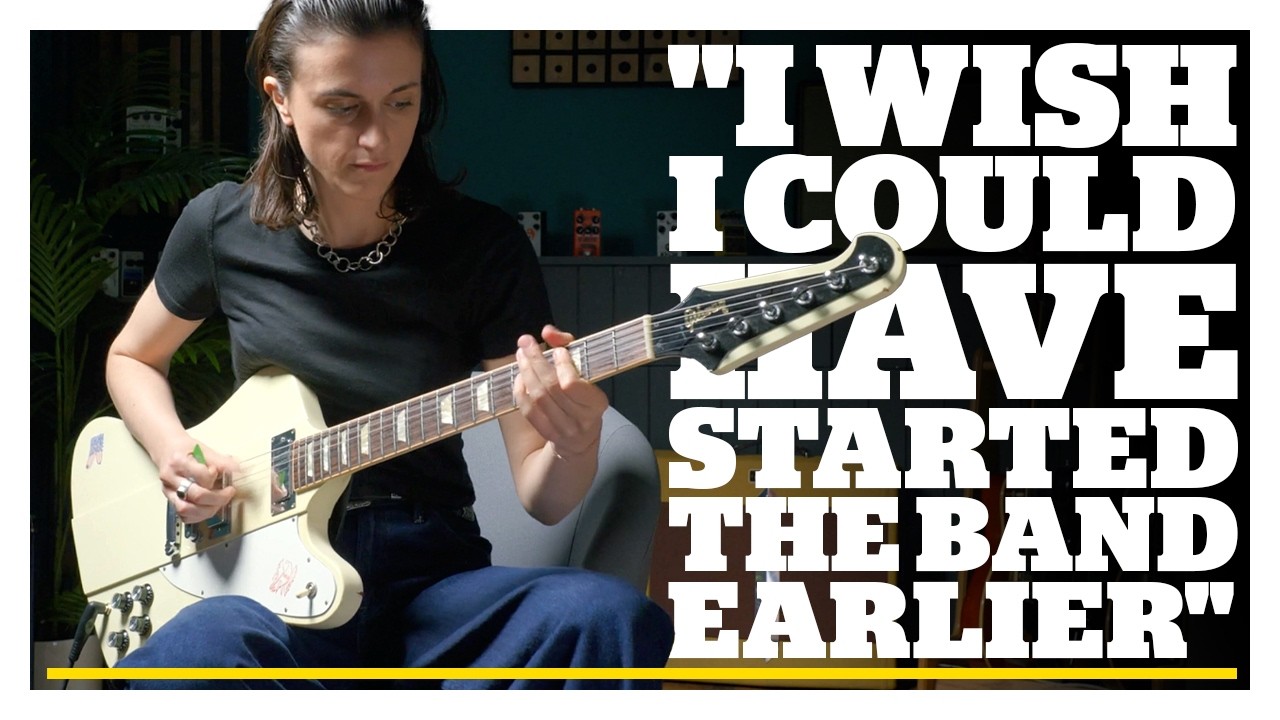
I wish I could have started the band earlier because I think I spent maybe eight years on YouTube and I never played with real people. So I think I was missing something, like just jamming and playing with people, sharing music together.
Comments on YouTube guitar videos can be notoriously vicious. How was your experience?
A lot of the comments were really positive, really encouraging and motivating. But there was also a few criticising my looks, or almost sexual harassment. But, honestly, for me, it was the internet, it was not real life. I didn’t care and I was really detached from it.
And I think that’s a good way to see things because if you start to take every comment really seriously and it gets into your head, it’s not good. YouTube for me was for fun, and sometimes I checked the comments and if they were good, that’s good, and if they were bad, I’m gonna sleep tonight and it’s gonna be okay.

Who were your influences when you started playing?
When I started playing the guitar, I was really inspired by Slash, Mark Knopfler and Joe Bonamassa – these were my three guitar heroes – and I spent hours and hours working on their solos, and they kept me motivated.
They don’t know the impact they had on me, but they made me the player I am now, for sure. And I have to say that now I’m less into guitar-hero music, and I’m more into songwriting music like in more modern bands, I would say, but I won’t forget that they made me who I am now. I’m really grateful for that.
When did you put your band together?
It was a bit more than 10 years ago, around 2014, and thanks to YouTube, this is what helped the project start: we found a label and booker around 2016 and my first album was released in 2017 [Hard Blues Shot as the Laura Cox Band], and I think YouTube really helped with this side of things.
What was it like going into the studio for the first time to record an album?
Horrible! [Laughs] It was a nightmare. Because my only experience of music was playing guitar in my room in front of a webcam where I was alone, so I could re-record and re-record. But playing in the studio, recording an album with a band and engineers and every second is costing me money, I was really stressed.
We had a lot of technical difficulties, the gear was falling apart and nothing was working. I was kind of going into depression after the first studio recording because we couldn’t see the end.
Every day we were thinking, “Okay, we’re late on the schedule, we still have to record this and this,” and it was never ending. But with the years and the albums coming out it’s getting better and better, and with my latest album I didn’t record it this way in the studio, I recorded a lot at home, and it felt way more comfortable.

You described yourself as a bit of an introvert. What was it like actually getting out and playing in front of people?
It was a fun experience. What was weird is that I waited. I had been playing guitar for eight years before being on stage for the first time.
Usually you play guitar, you start a band, and then you play at your high school parties with your band when you’ve just picked up the guitar and you barely know how to play. But, for me, it was different because I had already gathered a few million views before going on stage, so I had this pressure…
I mean, all my first experiences in music were stressful, but now I’m trying to be less stressed about everything. At the first concert, I remember we played all the songs very fast – I just wanted the show to be done, you know?

Let’s talk about your live gear. You’ve recently moved from playing a Les Paul to an SG – why was that?
This guitar was a surprise for me because I’ve always been a Les Paul girl since I started playing the guitar. I was a big fan of Slash, he got me into playing Les Pauls and I’ve been playing one all my life, basically until two years ago when Gibson told me, “We have a new SG coming out. Maybe we can send it to you, just to try,” you know?
At the beginning, I thought, “Okay, I don’t need this, I don’t need to try it. I already have what I need.” But then I told them, “Yeah, why not?” So I got my hands on this guitar and it’s crazy how easy it is to play an SG compared with a Les Paul.
Every time I was practising in my living room, when I grabbed the guitar, I took the SG because it’s lighter and it felt good in my hands. So I thought, “Okay, maybe I should use it for a gig, just to check,” and then I didn’t want to give it back to Gibson! So I told them, “I’m gonna buy it. I’ll keep it.”
What’s the main difference between the two models, would you say?
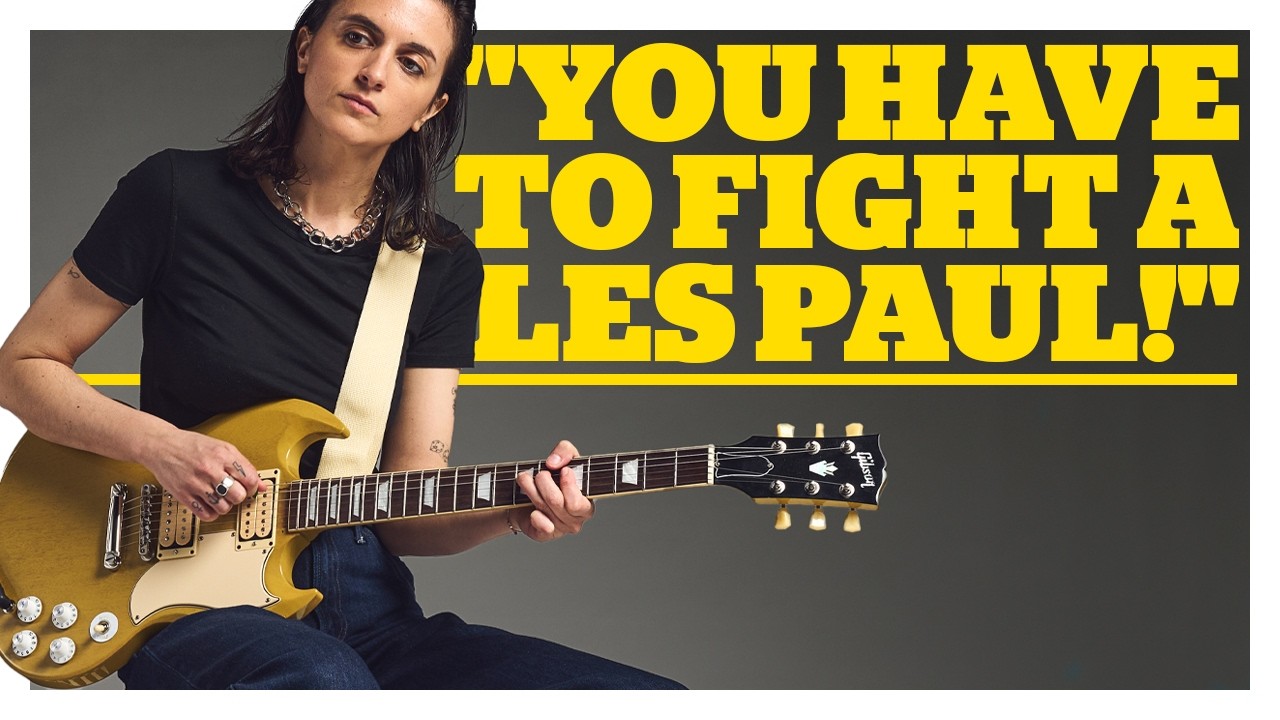
You have to fight against the Les Paul, I think, to play it. But with the SG everything feels really fluid, really easy and natural and comfortable
You have to fight against the Les Paul, I think, to play it. But with the SG everything feels really fluid, really easy and natural and comfortable, and you don’t have to fight it. So I just went for the easiest way, and once you play an SG on stage, it’s hard to go back to the Les Paul. So right now, what I’m doing is switching between the SG and Les Paul Juniors on stage because [the Juniors] are the lighter version of the Les Paul.
Now I think I’ve found what I was looking for. So [the SG] has been my main guitar for two years now and the neck feels really perfect. It’s not too narrow, not too wide; it just feels good and it lets you play naturally.
What modifications have you made?
I changed the pickups. Originally, it had ’61 Burstbuckers, which I swapped for Gibson ’57 Classic pickups. But I’m still not really satisfied, so maybe I’m gonna switch back. But I really wanted the double white pickups, you know? So I’m gonna check what I can find, but I love the look with the white pickups.
I changed the pickguard, too, because it was black originally, and I changed the pots and the knobs. It’s mostly for the looks. I’m still looking for a few things, but I feel really, really good playing this guitar on stage, so I think it’s going to stay my main guitar for the next few years.
What about the Firebird?
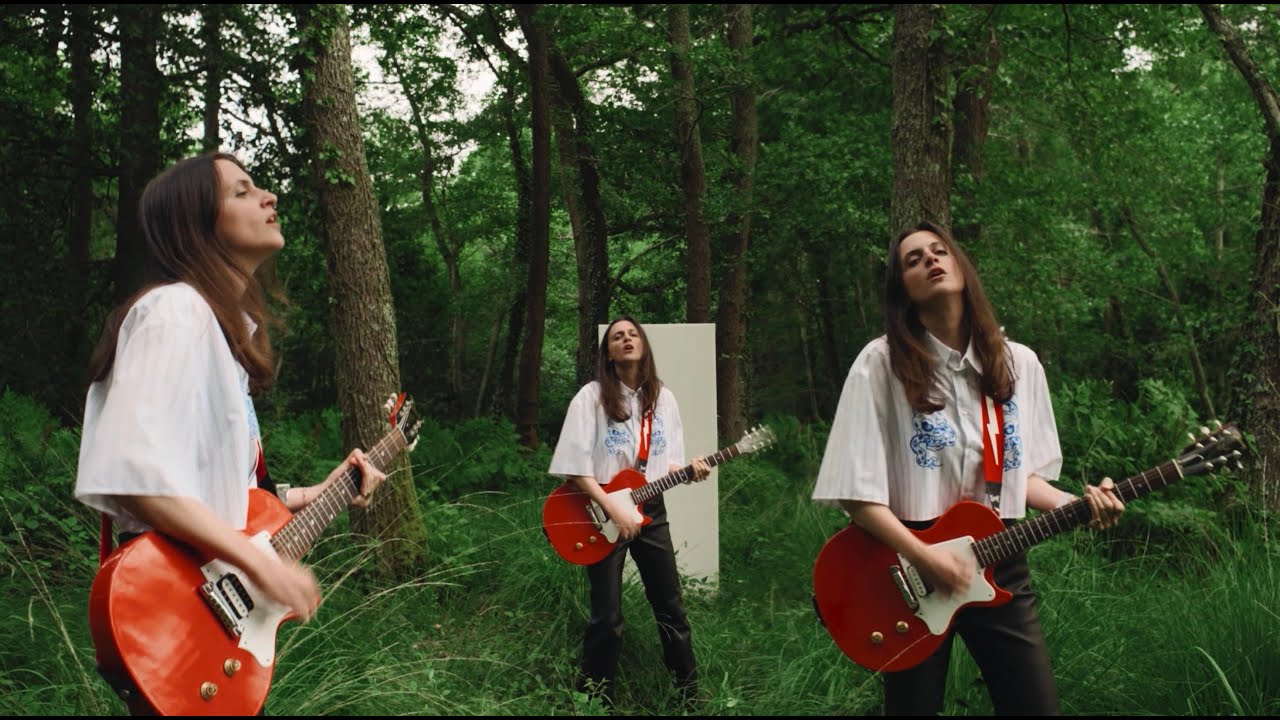
I bought this one years ago, I believe it’s a Firebird [V] from 2013. It’s all stock, from what I know. I [haven’t] changed anything because it sounds good like this.
I wanted a guitar that was a bit different from my guitars with humbuckers, so I thought, “Okay, the mini-humbuckers can bring something else to my tone, and to my playing, and to the way I’m writing songs,” and it sounds good with a lot of things I do. It feels really fun to play live with this weird shape. It’s always something that people who don’t play guitar notice instantly.
After the shows it’s always, “Oh that guitar looks so cool!’ So, yeah, I love this one. At some point I almost thought I would sell it. And then some people told me, “Don’t do it!” and they were right because I just took it out of the storage again and now I won’t let it go.

You’re a Marshall amps endorsee, so what sort of amps do you use live?
Live, I have two heads, one main and one spare, but they’re the Studio Vintage 20. They’re really compact but really loud. I used to have the matching cabs, the 2x12 cabs, but I recently changed to a 4x12, a 1960AX cab. The head is only 20 watts, so I was happy to get a bigger cab to have a bit more headroom and fullness to the sound.
Are you looking at recording another album this year?
Yeah, definitely. I have nothing for now, but the next album should be recorded, hopefully, before the end of the year. After the UK tour, I’m gonna lock myself in my room and try to get some ideas because
I don’t want to wait too long between the last album and the next one. I really want to keep this inspiring dynamic. I’m really motivated to release new stuff.
- Trouble Coming is available now via earMUSIC.
- This article first appeared in Guitarist. Subscribe and save.

