




For every wildly successful Metallica, there are countless metal bands that never grabbed the brass ring. In the ‘80s, extreme metal was breaking through, and there was a plethora of great bands to choose from.
While most never reached the heights of the Big Four, many of them are still slugging it out, and they’ve stuck around long enough for new generations of fans to discover them.
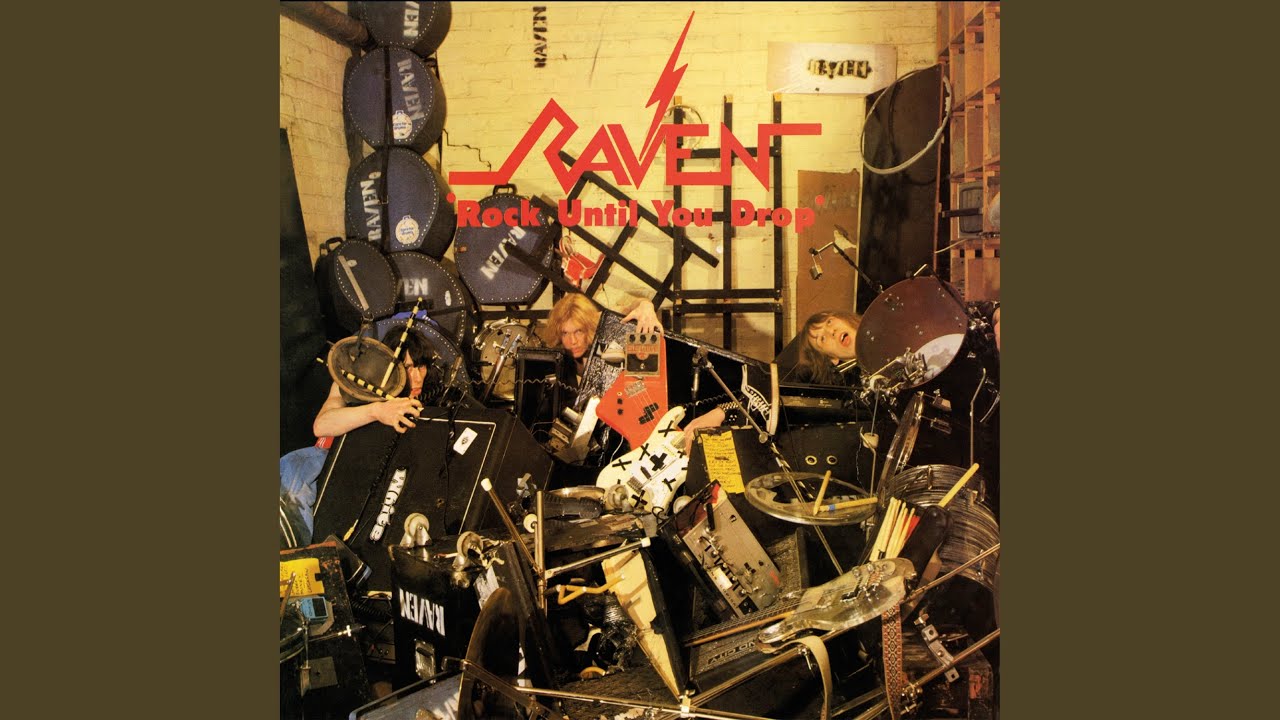
When the New Wave of British Heavy Metal hit in 1979, it encompassed a wide variety of bands – from Iron Maiden to Def Leppard. Raven and Venom were both three-piece outfits from Newcastle, England.
Raven’s sound was more upbeat than the Satanic darkness of Venom – and Raven singer/bassist John Gallagher jokingly described the other band’s sound as “Motörhead, on the wrong speed, in a cement mixer!”
Both bands were on the indie label Neat Records, whose owner, Dave Wood, told Gallagher that a guy with the biggest independent record store on the East Coast wanted to work with Raven. “America was a huge thing,” Gallagher recalls. “I never knew anyone who’d been there.”
The guy was the late Jonny Zazula, who signed Metallica and Anthrax to his Megaforce label, and added Raven too. “Jonny Z changed our lives,” Gallagher confirms.
“He was the next really seismic event for us. He was a larger-than-life character – one man against the world, definitely a David against Goliath. He was like a preacher, coming down from the mountain with the metal gospel and spreading it around the world.”
Metallica and Raven went on tour together. KJ Doughton, who ran Metallica’s first fan club, recalls: “Raven’s debut album, Rock Until You Drop, was the first NWOBHM album I’d ever purchased.” The band were featured on a lot of compilation albums, “and they were often the best band featured.” He went to three shows on the tour and argues: “Raven rivaled Metallica as a live band.”
Exodus came out of the legendary Bay Area thrash scene as San Francisco became a crucial area for the development of thrash metal. While it may seem odd that such violent, aggressive music could come from an area so mellow, it was a place where movements – beat poets, hippies, bikers, or the gay community – thrived.
Thrash was even new territory for the musicians who played it. Guitarist Rick Hunolt joined Exodus in 1984, not long before they recorded Bonded By Blood. He’d grown up with Zeppelin, Bad Company, and Thin Lizzy, and Exodus was the first time he’d heard thrash.
“It was all so new back then; no one was doing it,” he says. “I thought, ‘Dude, this shit is crazy – this music is insane!’” Of course, Bonded By Blood is widely considered one of the great classics of the genre. Anthrax guitarist Scott Ian said of it: “Best debut album of the Big 5? I think so.”
In the beginning, most artists didn’t think of success. “Nobody had any idea it was gonna be this huge,” says Hunolt. “It wasn’t about money for a very long time.”
Jeff Becerra, lead singer of Possessed, says: “We felt like we were part of a movement, like a revolution.” But he recalls that bands had to be unique. “If you came out as an Exodus clone band, that shit would not fly. Copying a band was instant suicide. You had to be original or you didn’t get a place in line.”
One of the most underrated bands on the SF scene was Blind Illusion, who had a trippy hippie vibe and weren’t afraid to bring new elements into their music. “Anything good we’d hear, we’d put it into the music,” says singer/guitarist Mark Biderman. “The diversity in the scene was really good. You had to stick to your guns and be what you were.”
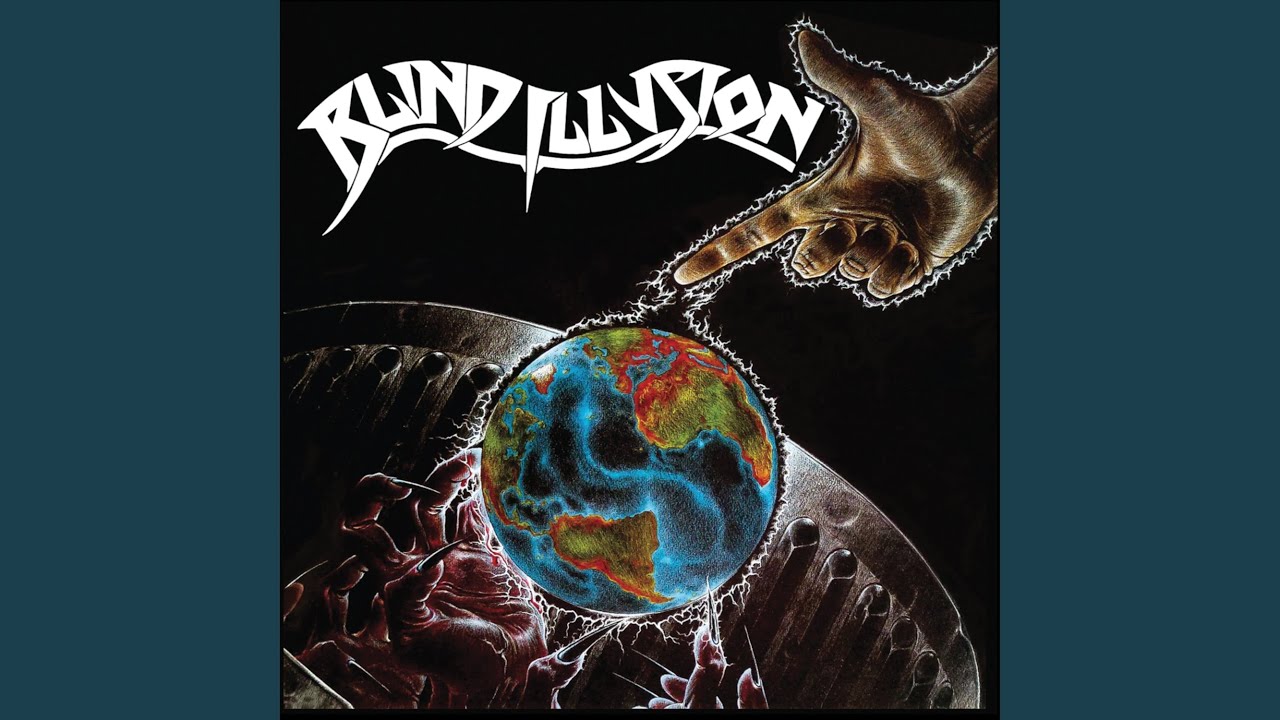
Les Claypool was their original bassist. He first joined in 1978 as he was learning to play. “By ’80-81, he was already amazing,” Biderman says. “He was a natural, doing some really great stuff.”
When Possessed wrote the song Death Metal, Becerra says they wanted it to be, “an anthem to brand it. We wanted people to say, ‘Oh, that death metal band!’ That would make us musically different in the Bay Area underground and elsewhere.”
Still, it took time for people to catch on to what Possessed were doing – especially the deep, guttural vocals which are now common place in extreme metal. “I wanted the signing to match the music,” Becerra says.
Many thrash bands had to make do with whatever gear they could afford. While some had metal tools of the trade like BC Rich and Jackson guitars, James Hetfield famously had a cheapo Flying V copy as his main instrument for years.
Exodus’ Gary Holt had to record Bonded By Blood with a borrowed Hiwatt amp when his Marshall went down. He used a distortion pedal with the gain all the way off, and the rest of the knobs on full, turning it into a booster. That was also the key to Ian’s rhythm sound with Anthrax. (Randy Rhoads did it too.)

For Dark Angel’s Darkness Descends – one of the most brutal thrash albums ever recorded – Eric Meyer and the late Jim Durkin used the same stock 50-watt Marshall, and Meyer used a delay pedal to add more gain to his tone. In the case of Holy Terror’s massively underrated Mind Wars, the brutal tone was crafted by playing around with an EQ pedal until they got the right level of crunch.
When Metallica, Anthrax, Slayer, and Megadeth got big we went, ‘So there’s a chance?’
Craig Locicero, Forbidden
Metallica entered the top 30 with Master Of Puppets in 1986, and went on tour opening for Ozzy Osbourne. The future of metal was pointing to them, and suddenly a very uncommercial genre looked like it had more potential than many had thought.
“When Metallica, Anthrax, Slayer, and Megadeth all got big, that’s where we all went, ‘So you’re sayin’ there’s a chance?’” recalls Forbidden guitarist Craig Locicero. “Very few of us made it through the keyhole – there wasn’t a lot of room in there.”
That year marked the peak of thrash, with the arrival of Metallica’s Master, Megadeth’s Peace Sells, and Slayer’s Reign in Blood. The latter is often considered the big daddy of the genre, while Dark Angel’s Darkness would become a big influence on death metal and grindcore.
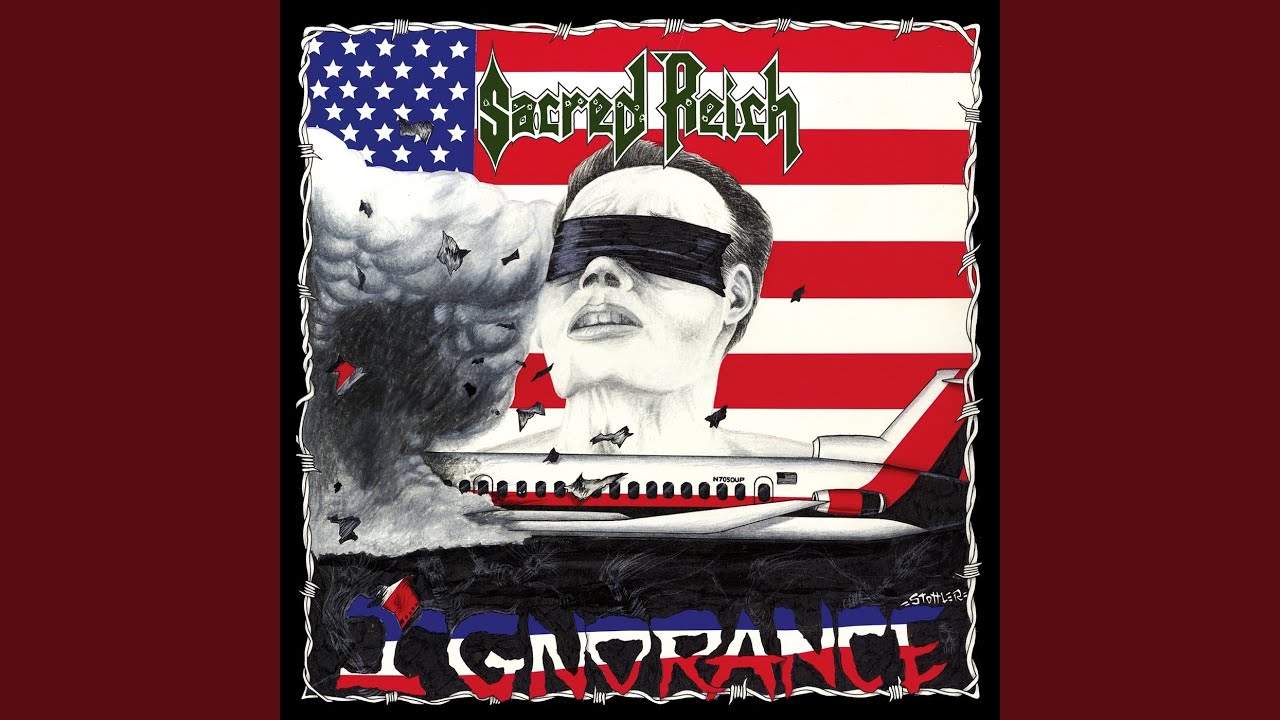
But a second wave followed in 1987 as Testament, Death Angel, and Sacred Reich stormed out of the gate with excellent debut albums. Anthrax released their masterpiece, Among the Living, while the scene started to go deranged via Death’s Scream Bloody Gore and Napalm Death’s Scum.
Sacred Reich, who took a nod from the punk scene, were one of many thrash bands with a social conscience. Vocalist/bassist Phil Rind says: “I always felt that the lyrics were the nail and the music was the hammer. If you have the opportunity to say something, you should.
“Every band has to figure out who they are, what they want to talk about. I felt if we could help turn somebody on to something, open their minds a little bit and show them how things are, there was a benefit to that.”
While Metallica, Megadeth, and Slayer all did well on major labels, others weren’t so lucky. Bands tended to fall into the same traps. Some faltered because the label had no idea what to do with them. Some suffered when the A&R executive who’d signed them moved on or got fired. Many succumbed to label pressure to be more commercial, and alienated their hardcore fanbase.
“There was a lot of interference and push to be more commercial,” says Gallagher of Raven’s nightmare experience. “We went along for the ride – and got left in the middle of nowhere. It took a long, long time to rebuild the damage done by Atlantic, and by ourselves.”
The fans thought we should have been bigger. I thought, ‘We’re exactly where we’re supposed to be’
Phil Rind, Sacred Reich
By the end of the decade thrash was preparing to jump the shark, as many fans turned to much heavier music. “The thrash movement, which used to be dangerous, became safe,” Forbidden’s Locicero says. “Thrash lost it edge, but bands like Sepultura, Pantera and Death had a new edge.”
When the hair bands went down in the ‘90s, a lot of heavier outfits nearly went down with them. But metal came back the following decade, arguably bigger than ever. And for the bands that deserved another chance, a new generation of fans were ready to discover them.

Gallagher says Raven aren’t bitter about not being bigger: “There’s nothing to complain about being a cult band. We have a following where we can tour and play live pretty much anywhere. For a couple of kids from Newcastle it’s pretty amazing.”
Doughton argues: “Raven are still in the fight – kicking ass for over 40 years without the creature comforts afforded bigger bands. They’re more deserving of respect than any other band alive, in my opinion.”
“If I wanted to get big, I’d tone down Possessed’s music,” Becerra says. “I’m happy with my cult status. When people were pushing us to get bigger, I didn’t play the game as much as I should have. But I still just want to play my music the way I want to.”
Rind comments: “It’s funny to see parents bringing their kids to our shows and turning them on to Sacred Reich. I appreciate that people still show up. Metal comes from the underground and it never goes away – it just goes back underground and percolates. It always comes back. And the fans are loyal; they’re the best.
“The fans thought we should have been bigger, but I always thought, ‘We’re exactly where we’re supposed to be.’ The fact that we got as far as we did is beyond my comprehension. We’re very fortunate.”
