



Steve Morse and Ernie Ball Music Man’s partnership is one of the guitar world’s most enduring, spanning back to a chance encounter between the pair at a NAMM show in the 1980s.
In fact, the Dixie Dregs and Deep Purple electric guitar legend was the first player to receive a signature guitar from the company.
Before that, though, Morse was being approached by other brands for potential signatures. One such rival was Fender – a solid choice, it would seem, given the fact Morse had been relying on a heavily modded Frankenstein’d Telecaster up until that point.
But, as Morse explained to Guitar World in an interview during NAMM earlier this year, it wasn’t to be, as logistical difficulties and creative differences meant the project ultimately failed.
Speaking of how his collaboration with Ernie Ball started, Morse said, “They [EBMM] were going to release the StingRay bass, and they said, ‘Well, we’d like to get the guitars where they should have been, and we want you to design a signature one.’ I said, ‘Well, I’ve been through this already with Fender. It didn't work out.’
Morse explained, “With Fender, it was like, ‘Alright, here's what we need. We need this bridge. We need this pickup.’ [Fender said], ‘Oh, sorry, those aren't Fender parts.’ I said, ‘I know, but we need this bridge.’ ‘No, you have to use Fender parts.’”
Ultimately, says Morse, the conversation started to run in circles. “I said, ‘Yeah, but you don’t make this bridge,’’ he recalls. “‘[It was like] ‘Right, but you have to use Fender parts...’ I said, ‘Alright, I'll see you guys later. Bye.’ That was the end of that.”
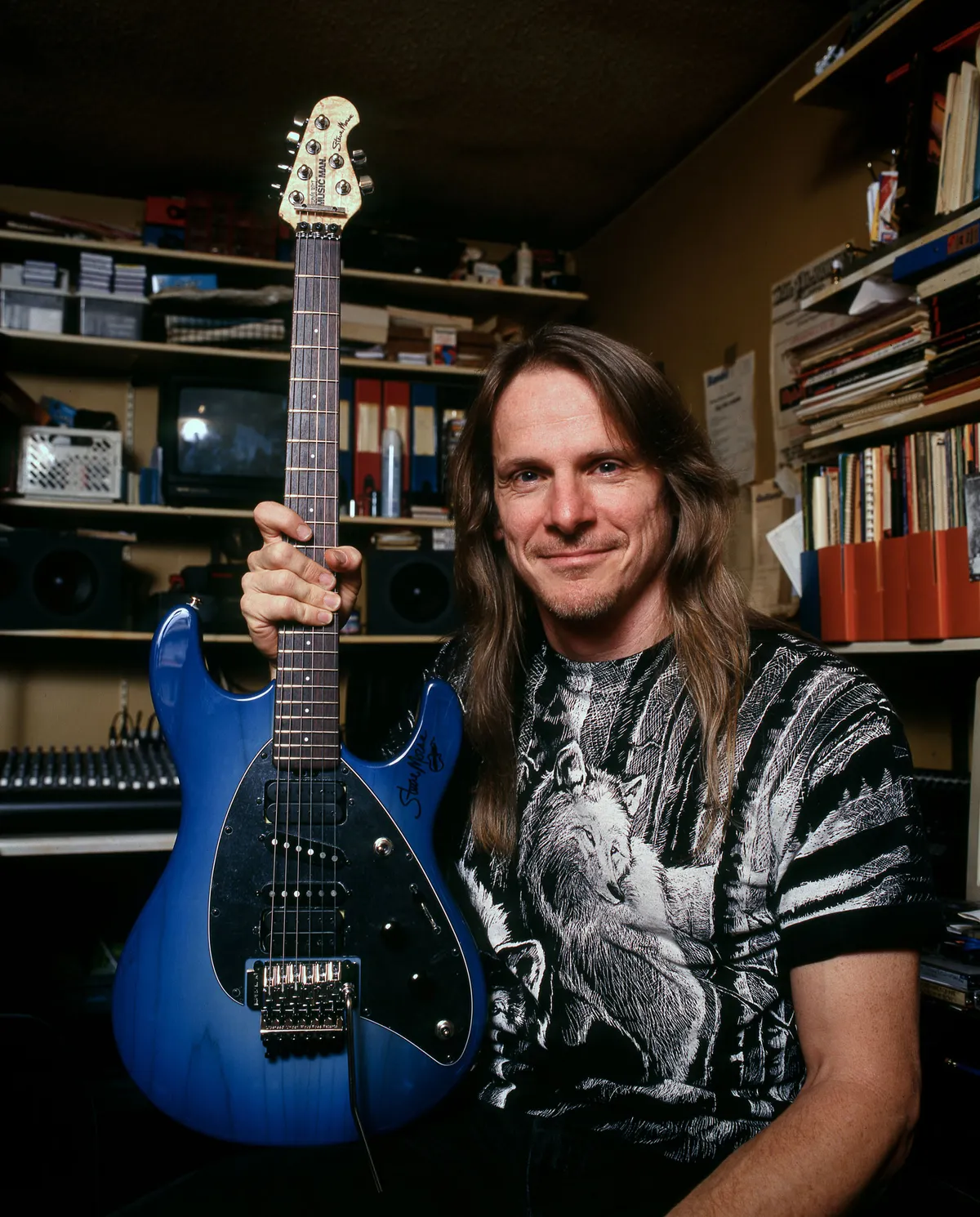
Morse says he found it was a different experience with Ernie Ball Music Man, though, which was more than happy to accommodate Morse’s ultra-specific spec requests.
He continues, “Dudley Gimpel was the luthier at Music Man and he really put in the time, and was very analytical about it. We started with the head stock, which is shorter [on the signature]. And the guitar, when you put it on your leg to practice, you can let go, and it balances perfectly.
“And it was lightweight, because I specified the lightest wood possible, so we got poplar. Then we started talking about the shape. I wanted more of a rounded edge, but not a cutaway, because I use it to support my arm, kind of like an acoustic or a classic guitar.”
Morse was also highly particular about the pickups, which were positioned and angled in a deliberate way to improve tone and prevent phasing issues.
Fender, meanwhile, has changed its tune somewhat since the ’80s administration, making some concessions on third-party components – for instance, the Floyd Rose-equipped builds in last year’s Player II Modified series.
Morse’s full interview with Guitar World will be published on YouTube in the coming weeks.
The Deep Purple guitarist has continued that experimental ethos towards guitar making throughout his entire career. Back in 2024, he showed off a DIY mute that he fashioned himself as a way to help him play through the pain of arthritis.

