


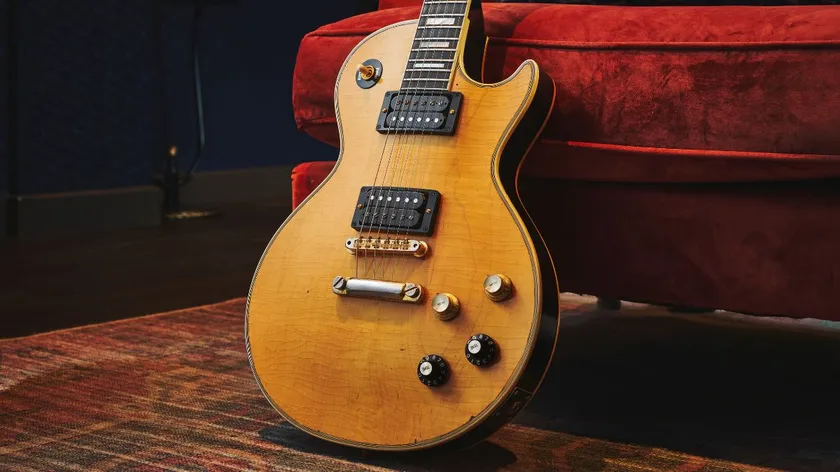


With the double whammy combo of killer slide chops and an ultra-heavyweight sonic signature – largely courtesy of the distinctive charms of the baritone guitar – Canadian virtuoso, Ariel Posen, has found a unique niche for himself with his trademark mix of Americana, blues, and memorable songs that capture elements of The Beatles’ strong melodic sensibilities.
Perhaps unsurprisingly, Posen originally made his bones as a top sideman, serving his time with a number of artists working the Americana side of the tracks, including hooking up with the Bros. Landreth in 2013. However, by 2019, Posen had branched out on his own, releasing How Long, his debut solo album.
Posen’s new album, Bannatyne, delivers his most satisfying release to date, with Posen’s softer vocals offset by layers of grinding guitars and textured washes of sound, to deliver a career highlight.
Posen is also, understandably, excited to announce the imminent release of a signature Fender Strat.
Getting your own Fender model must have been a ‘pinch yourself’ moment.
Absolutely. Never in my wildest dreams would I have thought that was something that would have been on the table. I’m incredibly grateful, and it is a really great guitar.
For a record like Bannatyne, which featured a lot of different guitars during the recording, the signature model does a great job of replicating that wide array of tones in the live arena. A Strat with a P90 pickup at the bridge, and a Jazzmaster pickup at the neck, is not going to sound like anything else Fender makes.
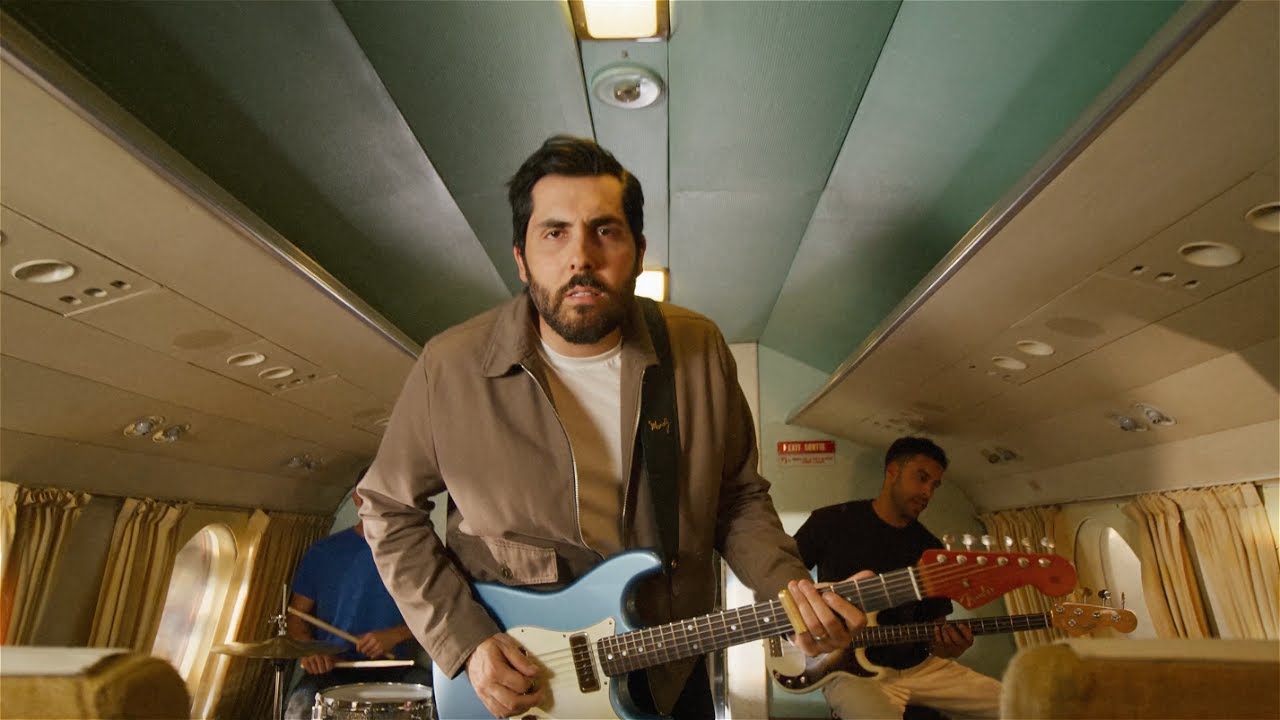
There’s something very cool about the way it looks with just those two pickups on there.
Both live and in the studio, my main amp for about ten years now has been a Two Rock Traditional Clean, though I did use various combinations of smaller amps as well
I think so too. I’ve definitely been inspired by guitars like the Mule, (Posen’s guitar of choice for many years) which I still play, of course. It made me rethink myself as I wasn’t really a Strat guy before, but this is something else.
Obviously, as a custom shop model, it may be a little more expensive than a standard production line Strat. Given that there are a lot of features that would appeal to a broad range of players, are there any plans for a more budget priced version?
That is one hundred percent the goal – I really hope we can do that. It is an extremely versatile instrument.
There are amazing tones throughout the new album, what were the main amps?
Both live and in the studio, my main amp for about ten years now has been a Two Rock Traditional Clean, though I did use various combinations of smaller amps as well, to try to give me a broader tonal palette. I like to use a mix of amps with high output and a lot of headroom, mixed with smaller combos.
For this record, notable mentions go to the Magic Amp Vibro Prince, SL Amps New Drive, a 1963 Fender Deluxe Reverb, a 1961 Fender Concert, and a Benson Chimera.
There are some songs on the record, particularly Accept That where it sounds like the amps are cranked to the max – on the verge of total destruction. I’m guessing that’s an illusion.
Absolutely. You’re right, it’s nowhere near as loud as you might think. On that one I was playing a Rivolta Baritone into the Traditional Clean and the Concert.
The pedals were working some magic, a Chase Bliss Lossy and a Chase Bliss Thermae – a pitch shifting delay that gives the illusion of the speaker flapping against the cab.
Amongst the various textures and layers of guitar tracks it sounds like there’s some backwards guitar in there.
Yeah, that’s right, I don’t know if people are using it much these days – I guess I’m not hearing it much myself. It’s the sort of thing that occurred to me in post-production; it creates some interesting textures. I’m a huge Beatles fan – I’m inspired by the way they would always come up with cool production things.
You use a lot of manipulation of the volume control on your guitar, which is something else that guitarists don’t seem to do so much these days.
When I saw how much sound and expression he got from just his hands and the instrument, it really made me want to explore all the ways I could use the instrument to the greatest effect
Jeff Beck is one of my big influences, and he was a master of the volume control swell. When I saw how much sound and expression he got from just his hands and the instrument, it really made me want to explore all the ways I could use the instrument to the greatest effect.
That’s one of the reasons that I had the ‘cupcake’ knobs installed on my custom model, to ensure an easier grip.
One of the things that defines the overall sound of your music is the contrast between the thick, dark, grinding tones of the guitars which are offset by a much lighter vocal approach, which creates a distinctive contrast.
That’s an interesting take. I definitely don’t have as much flexibility in my voice as I do on guitar. I’m not an aggressive singer – we actually ran the vocals through a Fender Princeton amp and a Leslie to try to add a bit more grit on Future Present Tense, No Way Out, Surrender and Meridien.

You’re also known for your extensive use of baritone guitars. Where did that come from?
When I did my first album, I was looking for interesting sounds, and I got a cheap old Teisco in a pawn shop, tuned it all down to standard tuning with D as the bottom string and the rest is history.
I think it really complements my vocal approach, and it also fills a lot of sonic space in a three-piece band. I guess it’s become one of my signature sounds that has helped me carve out my own territory, which is a good thing in such a crowded marketplace these days.
- Bannatyne is out now
- This article first appeared in Guitar World. Subscribe and save.

