

Chuck Berry’s son has looked back on what made his father such a singular talent on the guitar – and it was all down to, er, the size of his hands.
Fire up one some archive footage on YouTube of Berry in his pomp and you’ll see, the man was built different. He had those elastic legs that let him duck walk across the stage then slip into the splits. He didn’t just play the Gibson ES-355, he took it dancing.
Berry gave guitar an electrifying new sound, and he brought a new sense of physicality to how it could be played. People can debate all they like about natural talent, and whether these gifts are in the blood.
But in a new interview with Guitarist, Berry’s son, Charles Berry Jr., explained that his dad had an advantage over other players – his hands were huge. We’re talking serious wingspan.
“Well, my dad could do things on a guitar neck that most people couldn’t, just because of the physical size of his hands,” explains Berry Jr.
“I mean, from thumb to pinky finger, he could almost stretch the entire octave. His hands were gargantuan. Even his first finger – he’s going easily eight or nine frets up the fretboard, so he could go crazy.”
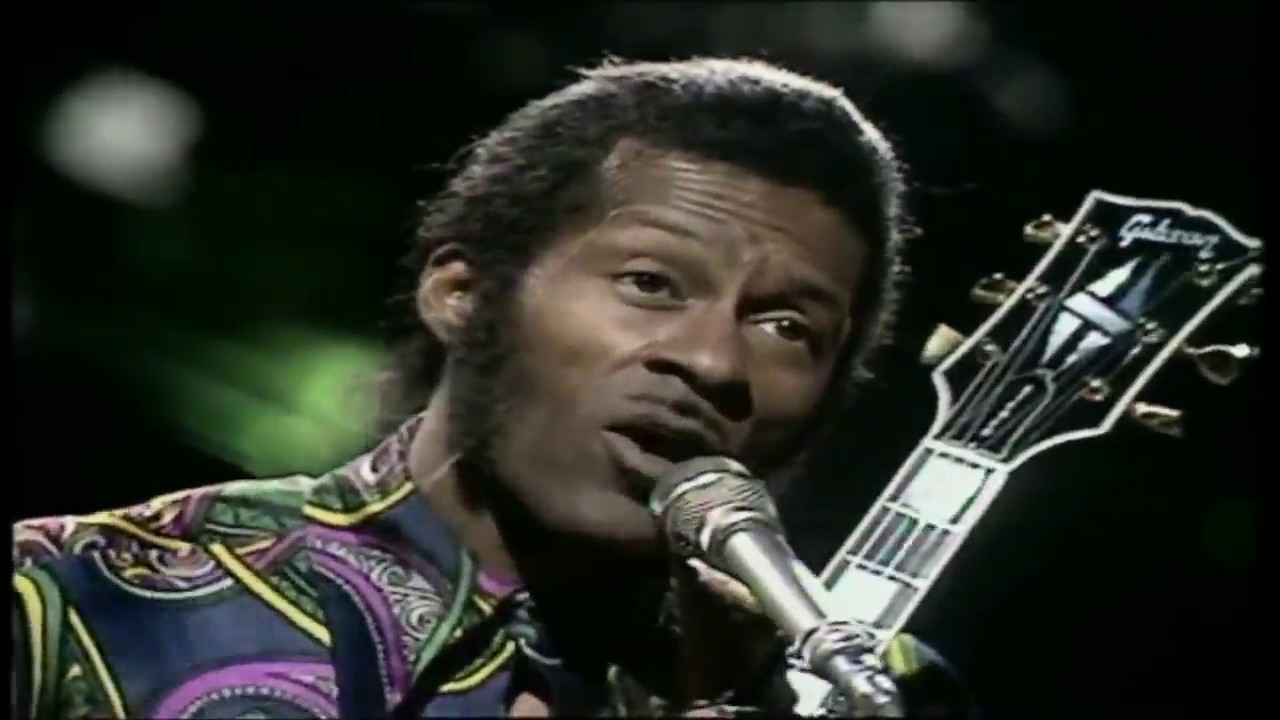
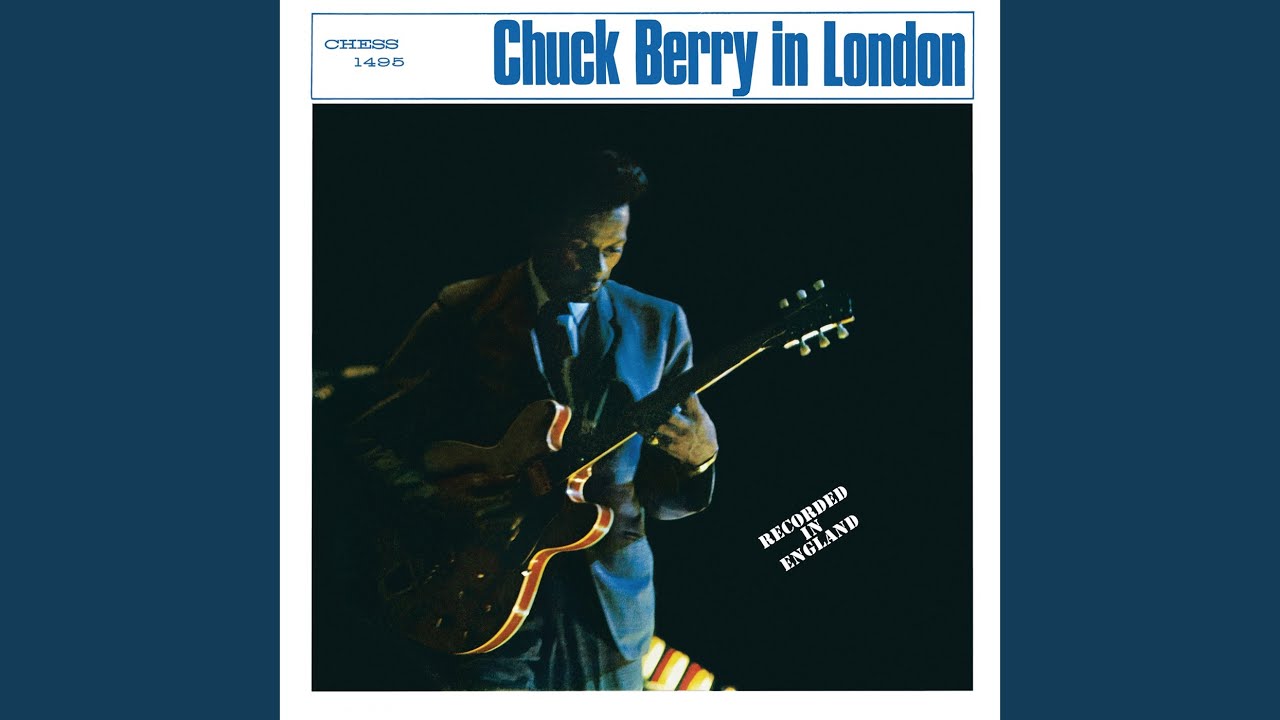
This surely is not always an advantage. Might guitars that are thinner across the nut make it a little cramped to fret chords? Berry made his name playing a mid ‘50s Gibson ES-350TD, and at that time the guitars coming out of Kalamazoo had nut width of 41.3mm. It wasn’t until 1959 that the nut width was extended to 42.9 mm. All of this came into play.
Those fingers, the way they commandeered the fretboard, they played a crucial role in defining Berry’s style. Berry Jr. says his father’s lead-rhythm style, his trademark flurry of kinetic doublestops, was a function of his hand size.
“His fingers were really big, too. So they were long and they were thick,” says Berry Jr. “That’s why he did a lot of those doublestops because it was easier for him to play two or three strings at once than individual picking.
“Now, I’ve seen the man do that, and you can hear him doing stuff like that on Butterscotch or Woodpecker, where he’s just single-note-picking his brains out.”
But the rest of Chuck Berry was what came from the gut. He was not a player to bone up on chord shapes and scales or stay up all night sweating the technique.
“He just played,” says Berry Jr. “It wasn’t like he was Andrés Segovia, playing an acoustic guitar with every finger on both of his hands. He had a pick and it was mainly downstrokes, very rarely down/up.”
You can read this interview with Chuck Berry Jr. in the latest issue of Guitarist at Magazines Direct – subscribe and you'll save a ton of money.

