




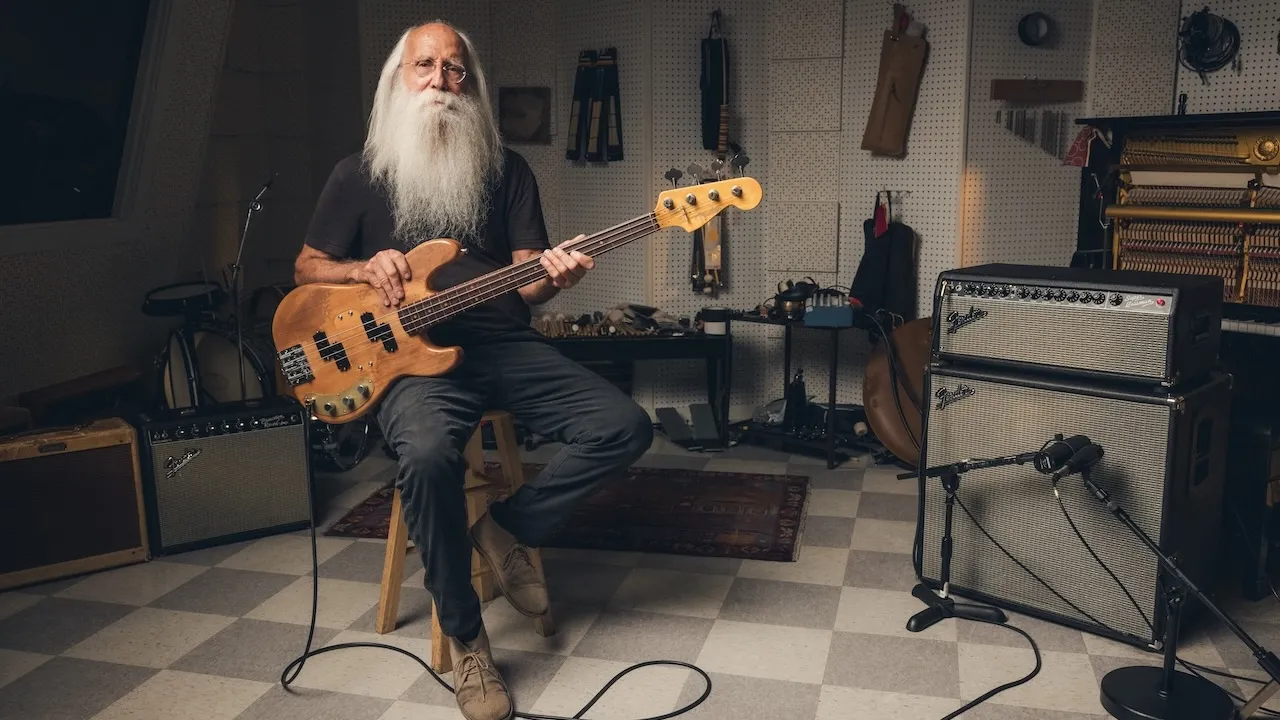
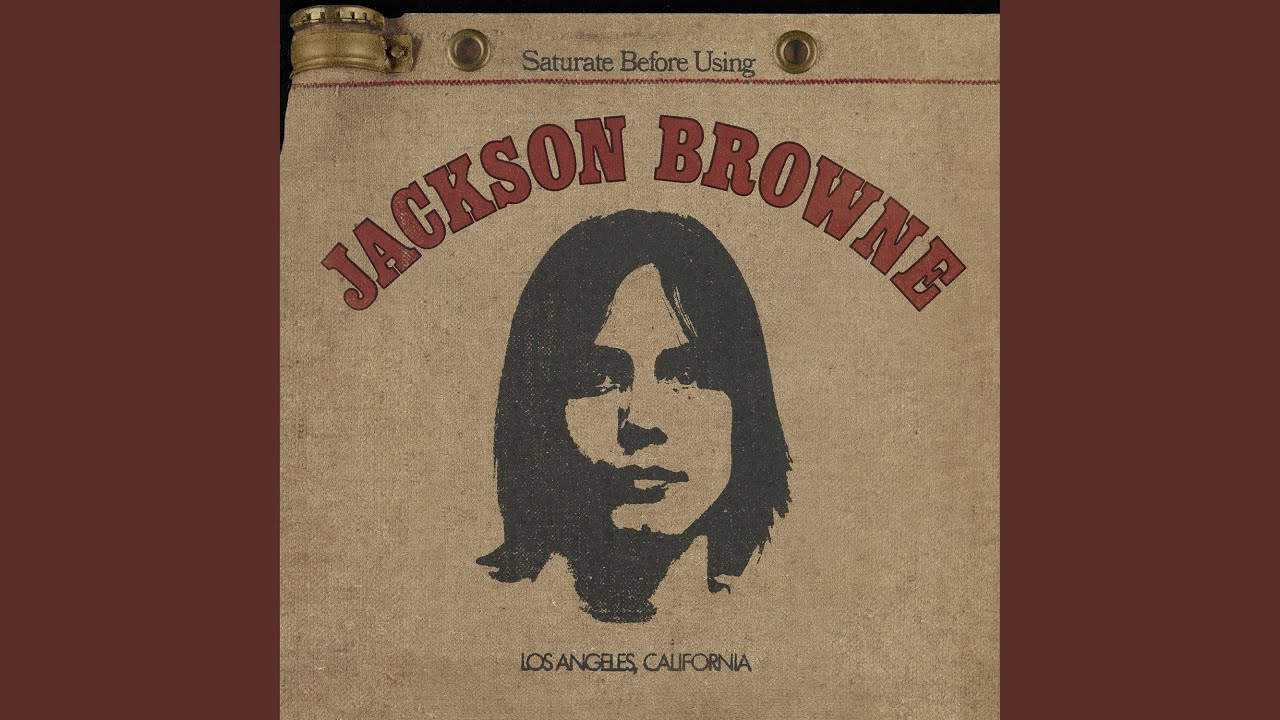
Los Angeles in the early ’70s was to singer-songwriters what Detroit and Memphis were to soul music just a few years prior. And as the rhythm-section backbone for artists like Jackson Browne and James Taylor, Leland Sklar was the James Jamerson and Duck Dunn of the singer-songwriter set.
“I was in a band called Wolfgang at the end of the ’60s,” Sklar told Bass Player back in 2014. “John Fischbach – who owned Crystal Recording Studio and engineered a lot of early Stevie Wonder records – was a really close friend of our drummer, Warren “Bugs” Pemberton.
“One of John’s friends was James Taylor, who he’d bring to our rehearsals to hang out. When James got his first offer to play at the Troubadour, they asked if I’d play bass with him. I thought it’d be one gig; it turned into 20 years!”
Sklar’s breakthrough came at a pivotal moment in the early ’70s, when his work with James Taylor began putting his name firmly on the radar of the Los Angeles studio community.
“As soon as James hit, drummer Russ Kunkel and I started getting a ton of work. One of the calls I got was for this guy named Jackson Browne.”
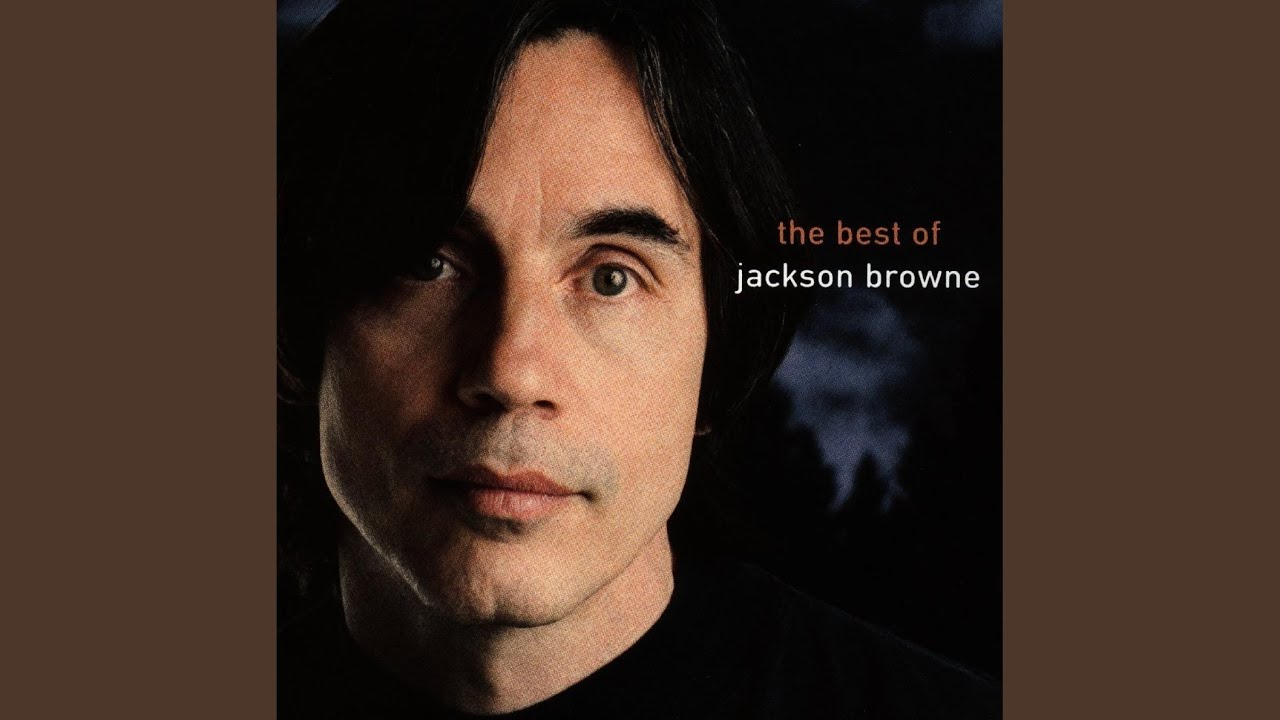
What do you remember about that first session with Jackson Browne?
It was a Crystal Recording Studio, and Richard Orshoff was the engineer. The studio had probably one of the biggest control rooms ever, and you’d listen to playbacks in there and just scream – it sounded so great.
Jesse Ed Davis came in and played the guitar solo on Doctor, My Eyes. He basically pulled his guitar out of the case, said, ‘Let me hear the song’, played that solo, and that was it.
How would you prepare for a typical session?
There were no rehearsals for anything. Jackson would sit down at the piano or with his guitar and play it, and we would craft parts. There were no charts or anything, and there was no pressure. We were in for long hours.
We’d cut something, and sometimes we’d come back a few days later and go, ‘Let’s try that one again, now that we’re in the right groove.’ It was a rich period in the studio. People weren’t clock-watching, and we had a lot of leeway.
That album probably stretched out six months or so. Jackson would come in and do some vocals, then decide to change a line. It didn’t take long to cut the tracks, but the entire process took a while.
We’d all go off and do other things, and Jackson would do some gigs to make some money. It was a very fluid, organic project, which most of the projects in that time were. But you’d find yourself in a dream state when you hear songs like Jamaica Say You Will.
Jamaica Say You Will is just one of countless tracks where your consistency, and especially your attention to note duration, is brilliant.
I know a lot of bass players who are very methodical and intellectual in their playing, I’m not. When a song starts, I go into another space and just start playing. I go with my gut: if it feels like the note wants to come out, that’s what comes out, if it wants to ring through the whole thing, I do it.
I don’t have rules, and I don’t give it any kind of conscious method. I’m a fly-by-the-seat-of-my-pants player, and I think that stylistically, that’s to my benefit.
What bass did you record with?
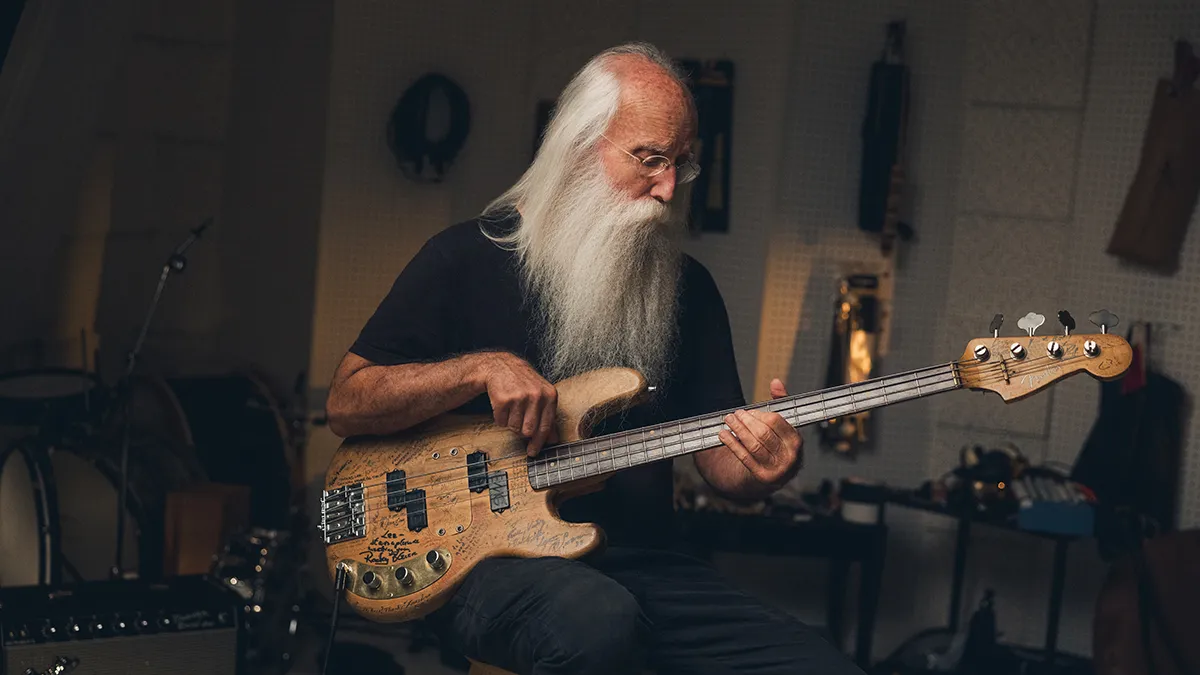
I’m sure l used a ’62 Fender Jazz Bass. The main bass I use right now in the studio we built in around ’74. Up until that point I was using this ’62 Jazz Bass that I completely carved up with peace symbols. It was totally reflective of the times – I had a picture of Frank Zappa decoupaged on the back. I used that on James’ early stuff, Jackson’s, and Spectrum with Bill Cobham. I still have it, and I love it.
Did you record with a click track?
When you’re working with Russ Kunkel on drums, time is not an issue. If you turn on a click at the beginning of the song, and if you turn it on in the last eight bars, it’s probably damn near exact, but the song has taken a ride during its course; it's far more expressive than it would be if we had cut with a click.
I’m not a fan of the click, but I’m a realist, too, so I’ve worked with it for years. But given my druthers, I’d really rather have things feel more human.

What other details from that session do you remember?
It’s hard to remember exactly what went on. My reflection is really the entire experience of making that record with Jackson, and sitting there song after song and marvelling at this guy’s gifts as a lyricist, as a musician, and as a singer.
Jackson sang everything live with us. Whether or not that ended up being the final vocal track, I don't know because I wouldn’t have been there. But he’s one of those guys who will sing it live, and unless there’s an issue with mic leakage, every live vocal take was as good as you’re going to get.
He’s so consistent, every time he’d walk up to the mic, just the way James was. Everything was a performance – there wasn’t a throwaway.
When you're working with a singer-songwriter, how do you approach finding the right bass part for the song?
I’ve worked so much with singer-songwriters, where you really need to respond to the vocal. A lot of times, I’m listening to them breathe, and I’m moving with them in this little dance. If they lift their breath, I lift off, too, so there’s this beautiful little space in between. But it's not a conscious effort.
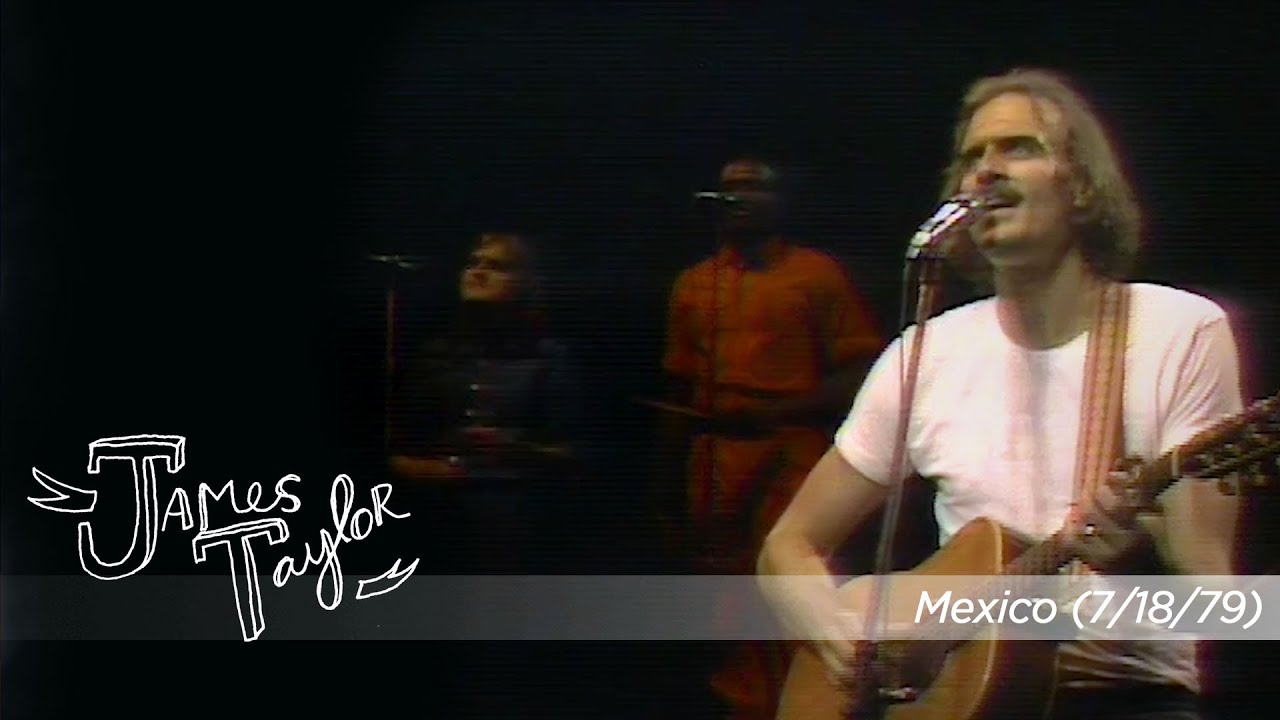
With guys like Jackson Browne and James Taylor I try to figure out what I can do to justify my playing: their songs are complete with just them playing. So I have to find a way to fit into it by responding to their performance to enhance it and to lift it to another level.
If it required me to play little staccato notes, I’d do that, and if it required me to do long notes, I’d do that. Jackson’s first album had it all. He’s one of those truly rare gifted artists who I feel blessed to have been able to work with.