

Black Sabbath’s self-titled debut blew minds when it emerged in 1970, fusing blues-based psychedelia, mystical imagery, and slow, heavy riffs to create a template for stoner rock.
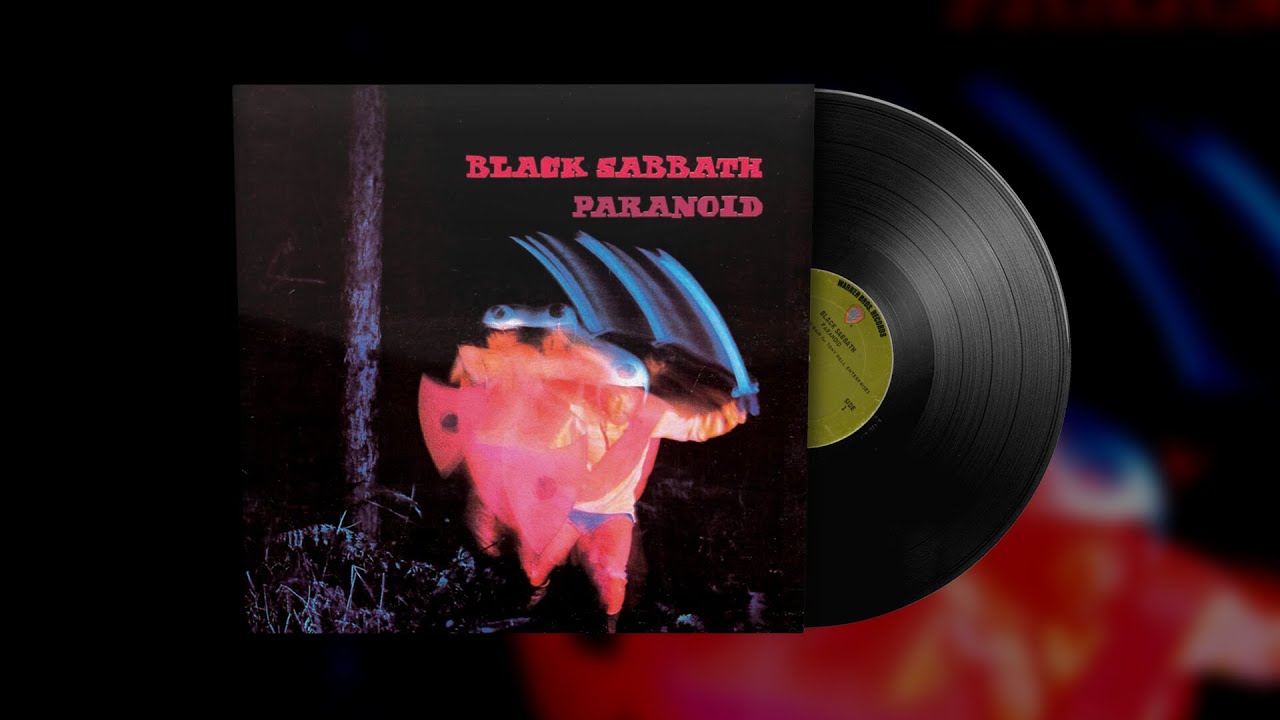
By Sabbath’s second album, Paranoid, bassist Geezer Butler had begun to codify his bass sound. And there’s no better window into his radical playing style than War Pigs/Luke's Wall.
The eight-minute opus is stuffed with all the great Geezer hallmarks: a dark tone, brutal right-hand attack, deep string bends, and bluesy pentatonic licks.
To get Butler’s sound, the first step is nailing his right-hand technique. Plucking his Fender Precision over the fingerboard, he really hammered hard. As Geezer told Bass Player in 2004, his ears were drawn to that kind of high-end clatter.
“I remember trying to sound like Chris Squire. Ozzy’s reaction was, ‘What the hell is that?’ I was attempting to get a bass sound I liked to listen to, but it didn’t really fit my playing style.

“I also used to love watching Jack Bruce play. He was the first bassist I’d ever seen bending the strings – that's where I picked up that technique. I bend the strings on practically everything I’ve done.”
Before you snap a string trying to cop Geezer’s deeper bends, keep in mind that he would also tune down a step or more to accommodate guitarist Tony lommi’s technique, modified after he lost two of his fingertips in an industrial accident.
To try it, tune your bass down a full step to DGCF, and play everything two frets higher. It's a big part of what makes the records sound so heavy.
War Pigs kicks off with an unhurried 12/8 shuffle. Listen to the bend at 00:16: Pulling on the string just enough to approach the chord’s major 3rd, Butler plays the ‘neutral 3rd’ – that microtonal interval between the major and minor 3rds.
Once Geezer, lommi, and drummer Bill Ward have set the scene with the song’s churning intro, the feel and tempo shift at 00:53, the signature verse riff.
In the instrumental response that follows the verse’s call, Butler and lommi dig into a riff built around one of Sabbath’s harmonic trademarks: the flatted 2nd, in this case the F that arrives at 01:49.
At 02:07, intensity builds as Geezer instigates a chugging 16th-note rhythm spiced with syncopation and more bluesy runs. After another verse, the band launches into the solo section at 03:31.

Butler pedals on octaves for the first three bars of the solo, and then really cuts loose, laying down stream-of-consciousness blues riffs that wind around lommi’s spindly solo.
“Because our music was so uncluttered, there was space for the bass to riff. The first three Sabbath albums were done quickly, and you can hear the spontaneity. If the music is all polished and technically brilliant, you’ve lost the soul.”
At 06:34, the band begins its protracted playout, a two-chord vamp that sees more of lommi and Butler’s riff interplay. Here Geezer’s groove hinges on the way he ties across beat four every other bar, under the D chord.
At the track's bitter end, no, that's not the sound of your brain melting; engineers sped up the tape to create that swirling acceleration.
Clearly, Geezer had chops even back in his early days, but he's rather modest about the whole thing: “You don't need a degree in music to play our stuff – it’s not brain surgery.”
