




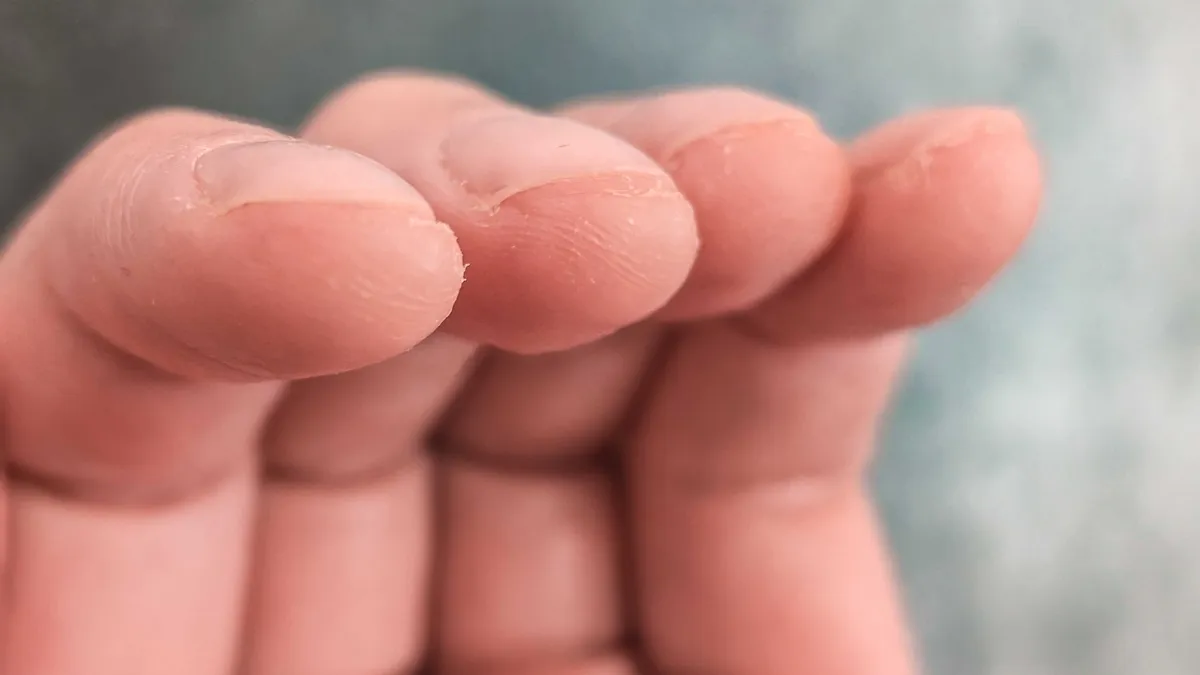
The only thing more embarrassing than playing a ropey rendition of Free Bird at a party is stopping halfway through because your fingers are on fire. Look, every seasoned guitarist knows the pain of those early years, and the pain is enough to make the vast majority of new recruits give up, but if you push through, your fingertips will harden, and you’ll be rewarded with smooth, pain-free playing.
I know it’s hard to imagine, but even the greats started with sore fingers. From Jimi to Angus, Slash and Vai, they too suffered with delicate digits that hurt after every lick. If you play a stringed instrument, you need calluses. They allow you to crank out barre chords, execute searing bends, and hammer-ons without wincing. Calluses are the secret ingredient to those marathon jam sessions, and the reason your guitar hero can blaze through a three-hour set without looking like they’re being tortured onstage.
So, if you’ve ever wondered how to transform those soft, baby-like digits into hardened fretboard warriors, you’re in the right place. Today I’m going to break down how to develop your fingertips and debunk some common myths, all with some help from a few famous faces.
How to really build calluses
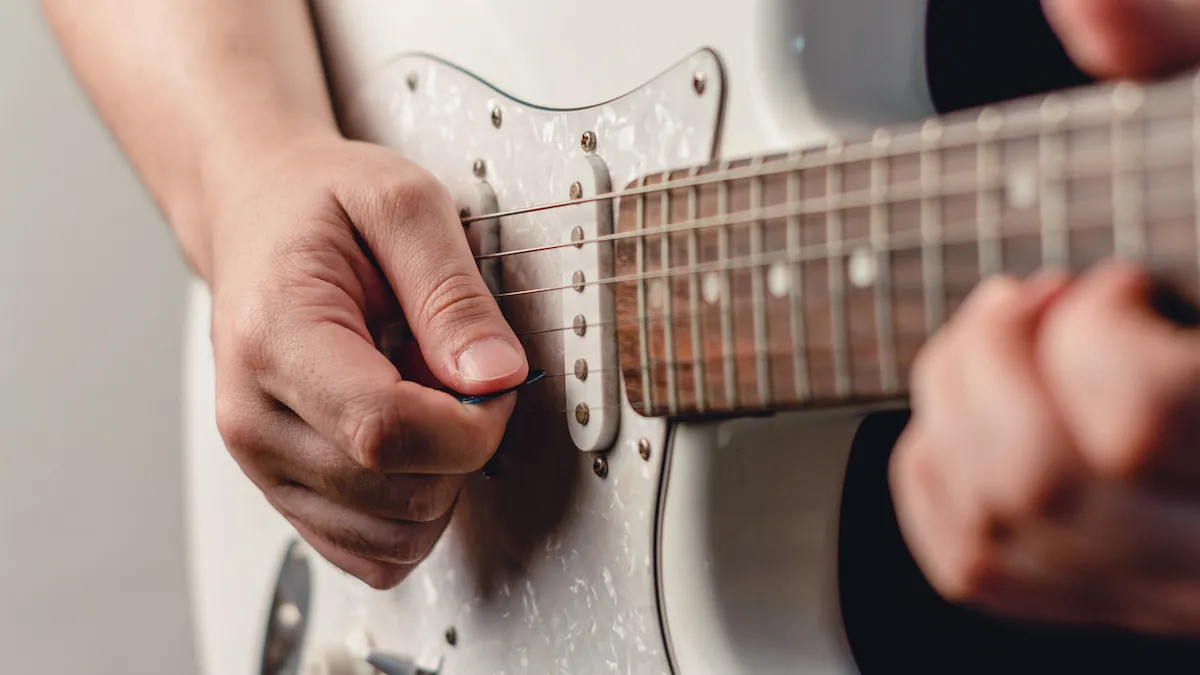
The secret to building calluses isn’t really a secret at all – you need to play. Like, every day. Seriously. Even if it’s just 10 minutes of Smoke on the Water or a questionable attempt at Enter Sandman, just play your guitar.
Consistency is key here. Unfortunately, there’s no quick fix. Yes, your fingers will hate you at first, but they’ll thank you in the long run. With calluses, it’s use them or lose them. So you need to be constantly building them up. I know if I don’t play for a while, my calluses soften and even peel off – a sentiment that guitar legend Steve Cropper echoed when he spoke to our sister publication, Guitar Player, a few years ago.
“After all these years of playing guitar, you could probably shove an ice pick in mine, and I wouldn't even feel it. When I come off the road, though, and it's too long between shows, my calluses will just peel off until I start playing again,” says Cropper.
So with that in mind, set a daily routine. Start with 10-15 minutes, focusing on chord changes, scales, and a riff or two. Gradually increase your practice time as your fingers toughen up.
Unfortunately, there’s no quick fix
To make this easier, I suggest keeping a guitar handy and easily accessible. You’re more likely to pick it up if it’s within reach. Of course, don’t just stick to the easy stuff, either. Challenge yourself when you can. Try those tricky barre chords, string bends, and wide vibrato, they'll toughen your tips faster than endless strums of the same three open chords.
Now, It’s also a great exercise to rotate between electric guitar and acoustic guitar if you can. Acoustic strings are tougher, but your calluses will thank you for the extra work – and it’s a bonus when you switch back to electric and feel like a superhero.
In this case, practice makes permanent. So if you want gig-ready fingers, you’ll need to play as much as possible. Sorry, I know you wanted a quick fix, but unfortunately that’s not how it works.
If it’s any consolation, even touring greats like Steve Morse need to keep their calluses in check, as he told Guitar World back in 2021, “Left-hand strength is something I concentrate more on before a tour. The vibrato, bending, and building up calluses is very important. Most players find that their fretting fingers are sore after the first or second gig.”
Forget the myths you hear online

Trust me, I’ve heard them all by now, and frankly, some of the advice I see on the internet is just plain bizarre. Some folks say you should dip your fingers in pickle juice, some advise the gross act of urinating on them, and some say you should rub them with sandpaper. Please don’t. The only thing you’ll earn is a trip to the ER, and other musicians avoiding the new player who smells of pee and pickles. Stick to playing. Your body knows what it’s doing.
As virtual guitar sensation and member of MGK’s touring lineup, Sophie Lloyd tells us you can forget the gadgets too. "I bought one of those Gripmaster hand exercisers when I was a kid... I don't think it made any difference to my playing! There's no replacement for picking up a guitar, feeling those strings under your fingers and building your calluses."
So with that in mind, let’s debunk some other urban guitar legends while we’re at it. Super glue is the most common solution I hear, and it doesn’t help that iconic players like Buddy Guy are out there keeping the myth alive.
Speaking to Guitar World about BB King back in the day, he said, “Later on, guys like Hendrix and Stevie Ray were using the really thick heavy-wire strings, which would cut the tip of your finger if you bent them in the BB King style. BB King used to put glue on the tips of his fingers to protect the skin and keep them from bleeding."
BB King used to put glue on the tips of his fingers to protect the skin and keep them from bleeding
Buddy Guy
It very well may be true, but in the modern age, with advancements in string technology and a better understanding of health in general, it really isn’t necessary and, more importantly, gluing your digits won’t make you play or sound like BB King or Stevie Ray Vaughan, so what’s the point?
And the same goes for burning your fingertips with a lighter. Yes, seriously, some players issue this bonkers piece of advice. Unless you’re auditioning to replace Knoxville in a Jackass reboot, please resist the urge to set yourself alight. Third-degree burns won’t make you develop calluses any quicker, you’ll just hurt yourself and potentially ruin your guitar career before it’s even started.
As you can see, even the best players have tried, and ultimately regretted, at least one of these myths. If you want real results, there’s only one answer – keep playing!
Things that can really help
At the points where I play a lot, my calluses were getting ripped off to where it stuck a hole in the finger
Stevie Ray Vaughan
Okay, I’ve discussed what not to do, but there are some small gear changes that can really make a difference, starting with string gauge...
Lighter strings are easier on new fingers. You don’t need to be a hero. Save the 13-gauge electric guitar strings for your SRV blues phase. If you’re starting out, .09s or .010s are more than heavy enough on your beginner electric guitar.
Similarly, if you have a beginner acoustic guitar, dropping down to .11s could make pressing the strings down a little easier. Even shred master Paul Gilbert switches out his strings depending on how his fingers are feeling. "My gauges are changing all the time, because it really depends on the state of my calluses,” he told Guitar World back in 2019.
And even Stevie Ray Vaughan dropped from his heavy .13s to something more manageable, as he discussed with Guitar Player in February of 1990, "At the points where I play a lot, my calluses were getting ripped off to where it stuck a hole in the finger. Right now, I'm using a little bit lighter strings, just until I get my calluses back."
Next is the action. Higher action means you need more pressure to press the strings down. If your strings are half an inch from the fretboard, it's time to get your guitar set up and that action lowered. A good setup is worth its weight in gold, and please don’t be afraid to ask your local guitar tech for help.
Genesis axeman Steve Hackett started on his father's old guitar, and he still has nightmares about how heavy the action was. Speaking to Guitarist magazine, he said, "Nylon guitar was something I was introduced to by a friend. 'Wow, this is too easy,' I thought, compared with the brutal action on [my dad’s guitar]. The wounds never healed from my dad's guitar. He said, 'You'll get calluses…' but it never happened, I just had fingers that were bleeding."
So in a nutshell, get your guitar set up well by a professional, and experiment with lighter strings if you need to. It won’t give you rock-hard fingers overnight, but a well-set-up guitar with nice-feeling strings can make callus-building less miserable.
Final thoughts

In the end, building guitar calluses is a rite of passage every guitarist must endure. I’m sorry to be the bearer of bad news, but there’s no shortcut, no secret formula, and certainly no substitute for time spent with your instrument. Trust me, the pain and frustration of those early days are temporary, but the rewards are long-lasting.
Remember, even famous guitar heroes once struggled with sore fingers. Embrace the process for what it is. Keep your guitar within arm’s reach, commit to regular practice, and be patient with yourself as your fingertips gradually become more resilient.
Sure, make small adjustments to your gear if necessary, but keep your focus on enjoying playing and celebrate the incremental improvements. Stick with it, and soon you’ll look back on these early struggles with pride, knowing you built those calluses one note at a time, just how it’s supposed to be done.
Read more
- We tested 20+ apps and sites to find the best online guitar lessons
- The best guitars for kids: top electrics and acoustics for children
- Best beginner guitar amps: top guitar amplifiers for newbies
- Guitar accessories for beginners and beginner guitar gear essentials

