




Doug Gillard’s got a great work ethic. Devoted, quick and efficient – and passionate in equal measures – it’s the kind of trait that comes in handy when you’re making a couple of records a year with legendary indie-rock act Guided By Voices.
His first stint with the prolific band began in the late Nineties, while he’s collaborated on close to 20 albums with project mastermind Robert Pollard since rejoining in 2016. It’s also helped Gillard learn dozens upon dozens of early Beatles songs and rock ’n’ roll standards for Bambi Kino, the fab Cavern Club-era-honoring covers act he plays with on the side.
Hell, it might also explain why, ahead of his call with Guitar World, the six-stringer spent the afternoon regrouting his bathroom, just to save his landlord a trip to his Queens, New York, apartment.
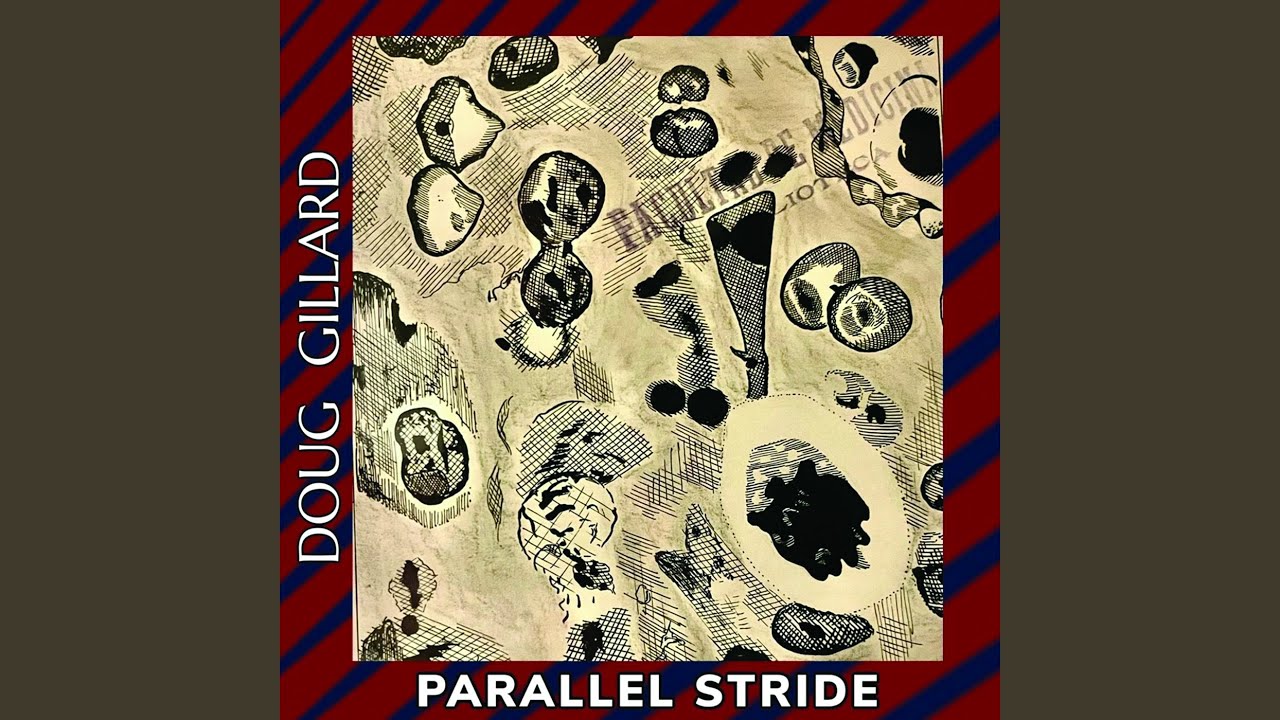
While Gillard’s generally got his hands in several projects at all times, he admits his off/on solo career got put on the backburner after getting back together with GBV. Thankfully, he ends a 12-year drought this spring with the release of Parallel Stride, his first solo release since 2014’s Parade On. The 11-song outing is positively swimming in garage-rocking rave-ups, taut-and-wiry post-punk and precious-gem jangle-pop.
“This record of mine came together over the course of many years. I mean, too long… I just got busy and didn’t really feel like doing another solo record for a while,” Gillard says, explaining that tightening up and tracking the collection was mostly done over the past year with engineer, author and former Guitar World managing editor Tom Beaujour at the latter’s Nuthouse Recording in Hoboken, New Jersey.
“I made a concerted effort to make a mad dash and finish some songs, come up with some new ones, go to Tom’s, and really get it finished in a concentrated window of time.”
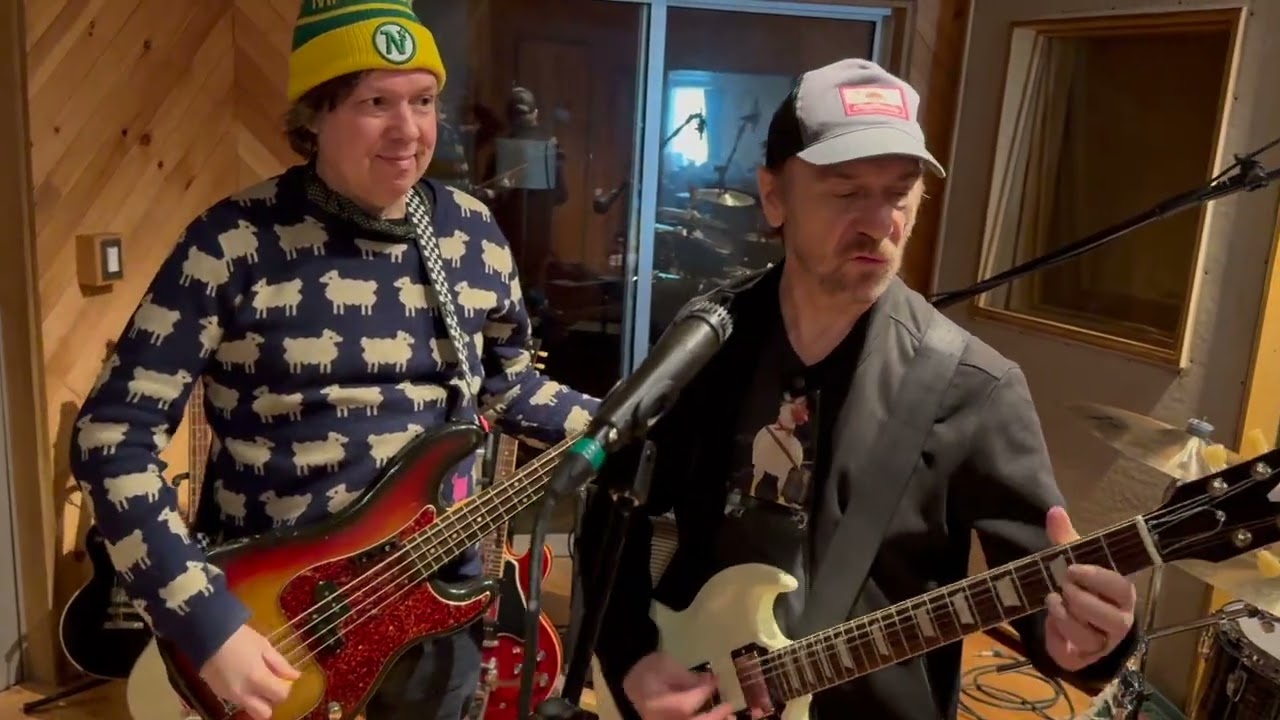
Some of the most recent album additions include the gorgeously e-bow layering Face of Smiles and the piano-punchy Lost Alarmists. One that Gillard held onto for the better part of a decade is My Friends, a pulse-quickening piece he’d finished in 2017 alongside producer and drummer Travis Harrison.
Above a twitchy backbeat, chiming chords and sleek low-end elasticity, Gillard’s voice booms forlornly of an emotional isolation (“There were lonely days/Those days are here again”). That said, the Parallel Stride sessions thrived through Gillard’s in‑studio collaborations with Harrison, Beaujour, drummer Ray Kubian and saxophonist Danny Lipsitz.
“It’s sort of an imagined song about people not getting a hold of you much anymore,” Gillard says of My Friends. “It sounds whiny to say… it’s just as you get older, that actually turns out to be the case. People’s lives take over and go different directions.”
![Doug Gillard - I Am a Tree [Gem song] (SXSW 2014) HD - YouTube](https://img.youtube.com/vi/53fRyELcot8/maxresdefault.jpg)
On that point, the highlight of the song might be its solo; a speaker-jumping, stair-tumbling quarter-note descension that Gillard had technically assembled through multiple chorus-warbling takes.
“I thought it would be clever – let’s just have them ping-ponging [over] different tracks so they can ring over each other,” he says, adding that the competing, pitch-undulating wavelengths were achieved with one of the blue-plated Boss chorus pedals he’s got in his collection. “Sometimes I’ll do little tricky things like that for fun, to have something different going on.”
While the record’s New Vista is pure power-pop confection, the back-end resolve of Gillard’s main acoustic riff arguably conjures Rush’s classic rock radio-conquering Fly by Night.
“That wasn’t conscious,” he notes when pressed on this. “I’ve always kind of dug that tune. I actually used to play the riff in practice for fun. That could have been a subconscious thing… but I was just trying to make a snappy song. I threw the capo on the 5th or 6th fret, and it wrote itself after that.”
He concedes of a more direct inspiration: “There is a section in that song that’s going for the feel of the Pretenders’ Kid solo.”
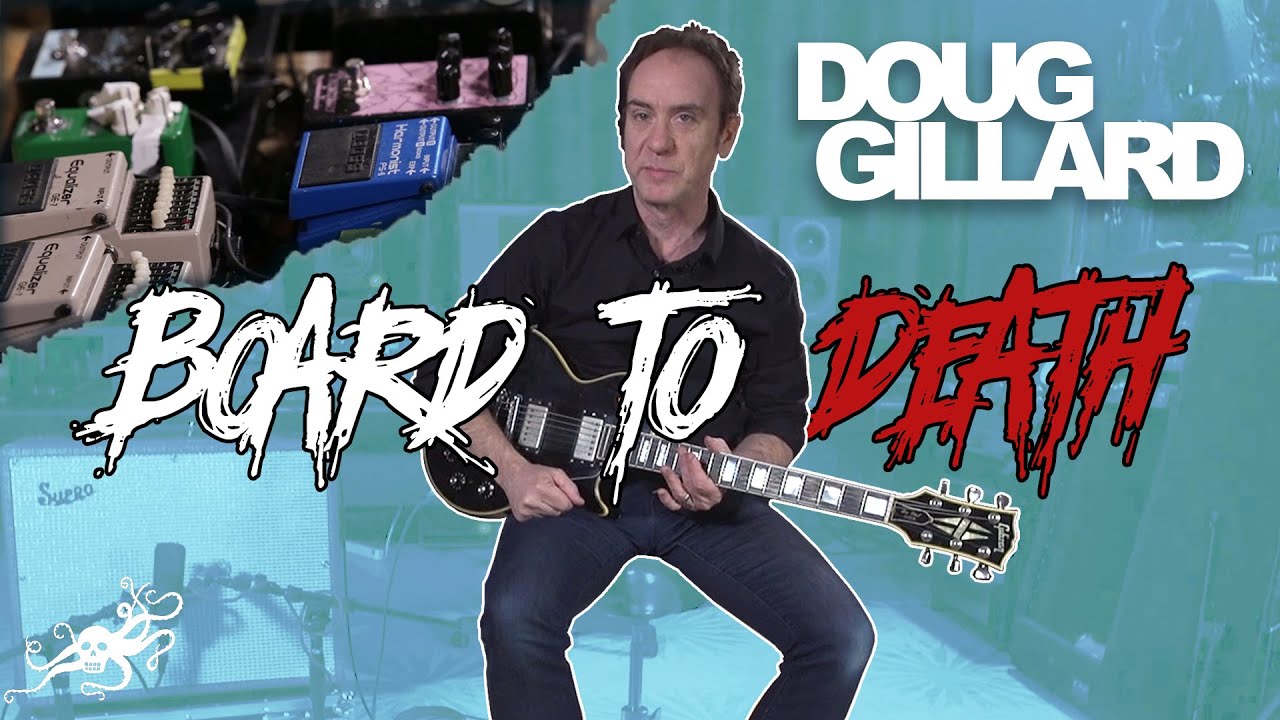
For Guided By Voices fans, one of Gillard’s most recognizable guitars is the black ’76 Les Paul Custom he copped sometime in the mid-Eighties. It’s been a live staple of his and then some – much of the finish on the back of his workhorse Gibson has been stripped after 40 years of steady use.
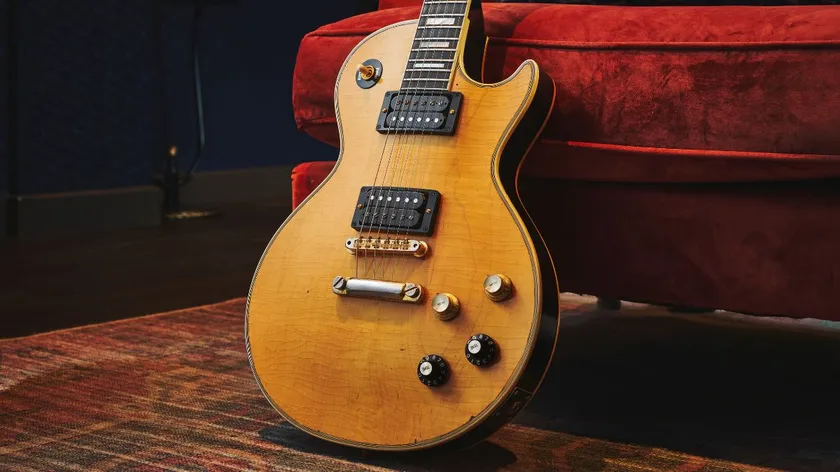
Though Gillard says the guitar did factor into his Parallel Stride sessions, he also notes that Beaujour had him hoisting a bunch of other instruments that were hanging around the Nuthouse, including a 2023 Gibson Murphy Lab goldtop Les Paul reissue that was modded and aged by Danocaster Guitars.
That’s the one that gave him the juice to jolt out the sly, staccato rhythms and livewire solo of Parallel Stride’s foot-shuffling title track.
“It’s a very cool-looking guitar. I do remember using that, standing there in the control room until the solo was right,” he says. “It took a while – probably 40 minutes – because I didn’t really have a plan. I didn’t have it composed or mapped out or anything. I just let it rip and was like, ‘Let me try again.’”
Some choices come more naturally. The drop-tuned Face of Smiles runs lush with a series of major seventh-heightened chord shapes sliding across Gillard’s middle strings, a low open D gently droning through each strum. He says that’s one of his go-to moves, the veritable chef’s kiss from a master craftsman.
“I tend to always have a root note or a bass note in there. It’s something I’ve always done all my life, and I can’t get away from it,” he says, adding wryly, “I have to remind myself it’s okay to play the tops of chords.”
- Parallel Stride is out now via Dromedary
- This article first appeared in Guitar World. Subscribe and save.

