


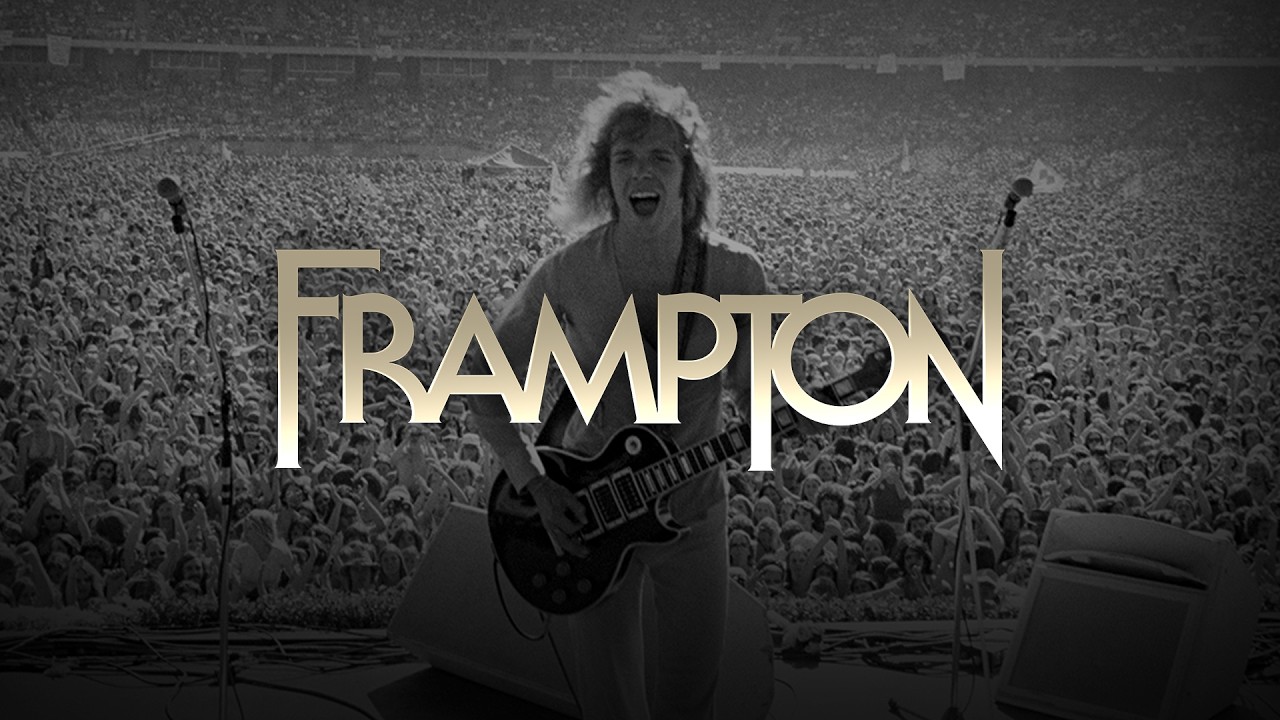
Released on the heels of Peter Frampton’s new album, Carry the Light, and premiering June 4 at New York City’s Tribeca Film Festival, the new Frampton documentary began as a career retrospective but rapidly evolved into a candid, funny and at times wrenchingly honest character study.
Guitar World asked director – and Frampton’s long-time bandleader – Rob Arthur about putting the great guitarist on the big screen.
What was the spark for the Frampton doc?
I've been his bandleader for 20 years. I've heard thousands of bus stories. He’ll suddenly say, “I just remembered this thing I did with Bill Wyman back in 1960-whatever.” I’m always like, “I've never heard you talk about that in interviews.” And he’s like, “They always ask me the same five questions!”
So the original goal was a career retrospective, but it ended up being much more. He’d been the subject of a [VH1] Behind the Music episode, and, nothing against those people, but every story is kinda the same, and his life wasn't that. The more we filmed, the more we talked, it became so personal.
What’s your favorite scene?
When we were in Abbey Road Studios in London, we were there just to film him and producer Chris Kimsey at the console going through the original recordings of [Frampton’s 1972 album] Wind of Change, which had just been discovered.
That was our goal for that day, so all we booked was the one studio to do that – to film that. While we were there, Peter was like, “Right down there in Studio One was where I did George Harrison's All Things Must Pass.” I said, “Yeah, we weren't able to book that.”
![[L-R] Director Rob Arthur and Peter Frampton in the documentary, FRAMPTON, a 10 LivesStudios release.](https://cdn.mos.cms.futurecdn.net/DowCReGVh8vnH8b9AiPZbS-1200-80.jpg.webp)
But I met the studio owner and he was super-cool. I said, “Hey, man, you know, Peter played on the Harrison record. Is there any way…?” He says, “Sure, go ahead and film down there.” He just let us go into the place where Peter recorded All Things Must Pass.
In the film you can see the emotion on Peter's face – of being right there where he had this experience with George Harrison and Phil Spector. It's one of my favorite parts of the film.
What were the hardest subjects to talk about?
Peter was extremely let down by his manager during [1976’s] Frampton Comes Alive! The guy pretty much ripped him off of so much money. To get Peter to talk about that, it’s not his favorite topic. He said, “I understand we have to,” but it was very painful.
He was broke just a few years after putting out one of the biggest-selling albums of all time. And that story of him borrowing money from [Atlantic Records co-founder] Ahmet Ertegun… first of all, it says a lot about [Ahmet’s kindness]. And for Peter to admit in the film, “This is how low it got” – it’s the real story. I don't think he's ever talked about that in an interview.
Did Peter seem to have any regrets?
I'd say some of his choices post-Frampton Comes Alive!, like the Sgt. Pepper's Lonely Hearts Club Band film [1978] and rushing out the follow-up album, I'm In You [1977].
His attitude of how to persevere and survive this is a huge part of his character
But, you know, Sheryl Crow says it in the film: “When you're Number 1 in the world, there's only one way to go. It's gonna happen; it's about how you recover from that.” I think, at his age now, Peter would probably say all this stuff happened for a reason.
Obviously, Peter has some serious health issues. How did you approach that?
He wanted to be totally transparent. He said, “The more open I am about my struggles, the more it helps people who are going through this disease.” We see him throughout the film with a cane, you know, struggling to get upstairs.
But his attitude of how to persevere and survive this is a huge part of his character. We have his doctor from Johns Hopkins University in the film. She calls Peter her model patient because he's doing everything he possibly can to fight the muscle degeneration.
Why do you think this documentary will appeal to guitarists?
Peter is not blues-based. He loves the blues, but he has this other vocabulary as well, which is jazz, Django Reinhardt, Miles Davis and Jaco Pastorius
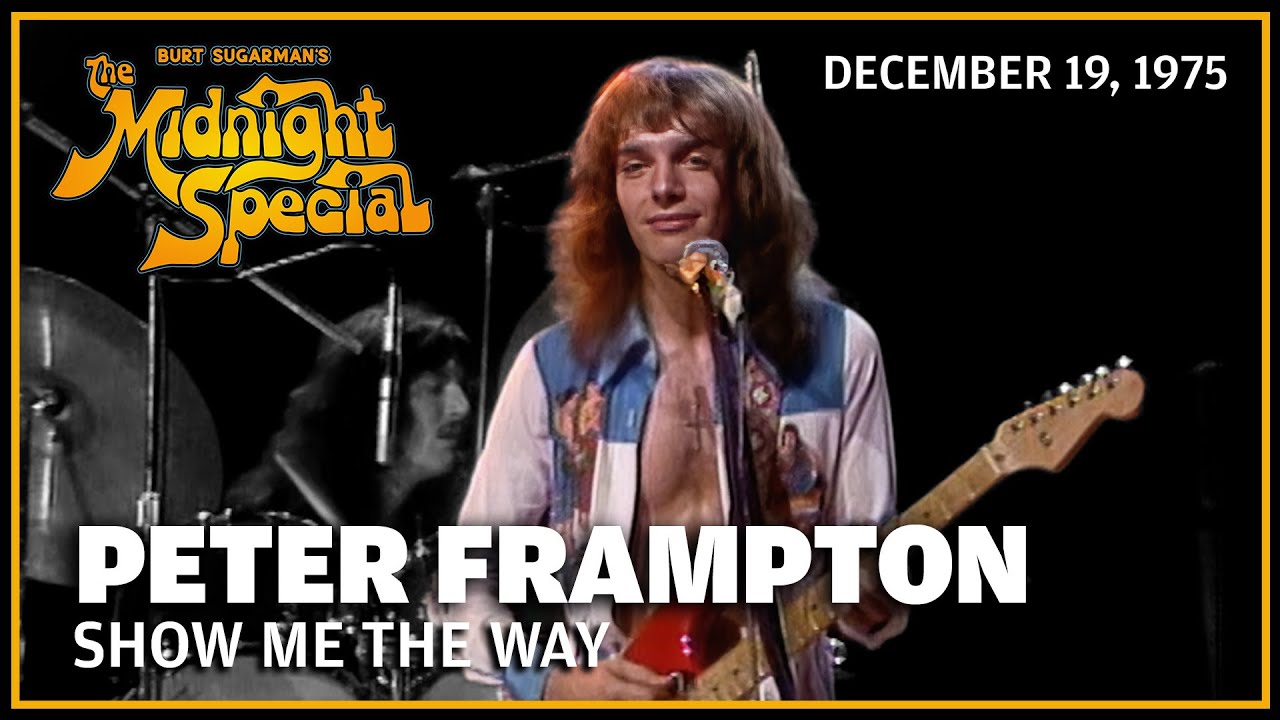
Well, a huge thing I wanted to cover and tell right was Peter’s approach to playing. He's got this unique guitar style, and where does that come from? So we talk about his roots. Django Reinhardt and the Shadows is where Peter learned all of his basics. Which is different from, let's say, Eric Clapton or Keith Richards, which is more blues-based.
Peter is not blues-based. He loves the blues, but he has this other vocabulary as well, which is jazz, Django Reinhardt, Miles Davis and Jaco Pastorius. All this stuff is in Peter's playing, but it’s served up through this kind of accessible rock lens.
Do you think we’ll see more tours from Peter?
It’s hard to say. As he deals with the disease – and it is progressive – it's getting harder for him to get in and out of tour buses and venues. So the issue about any upcoming tours is how physically hard it would be for him to just get around. That’s it. He still sings great. And he's playing his ass off.
- Frampton debuts on June 4 at Tribea Film Festival.

