


James Petralli, White Denim’s founding guitarist – and sole consistent member of a rotating cast of monster musicians – is a plunderphonic guitarist. He has a crate-digger’s lick bag, drawing as much from Zappa and psychedelic rock as he does from funk, jazz, soul and prog – before spitting it out all out in vital bursts of scrappy, frenetic energy.
“[As a teenager] I was in that place where I was really obsessed with the guitar, but I didn’t really have any interest in Yngwie. I liked Hendrix, but I didn’t have the attention to really develop technique,” says Petralli, which, frankly, tracks…
“I basically learned Blackbird, Malagueña and Bad to the Bone, some bluesy things, a couple of Hendrix licks… but within the first three months of playing guitar, I felt like I had everything that I needed for the rest of my life.”
That’s not just to suggest Petralli stopped evolving as a player then – quite the opposite. He’s just chosen his own adventure – running from the garage rock burst of early single Let’s Talk About It, through to the wah-laden theatrics of All Consolation and countrified funk of Come Back and southern boogie stylings of 2016 album Stiff. It’s an intricate, intertwined rhythmic playing style that builds awe-inspiring structures from simple components. And he has a tone all of his own, too.
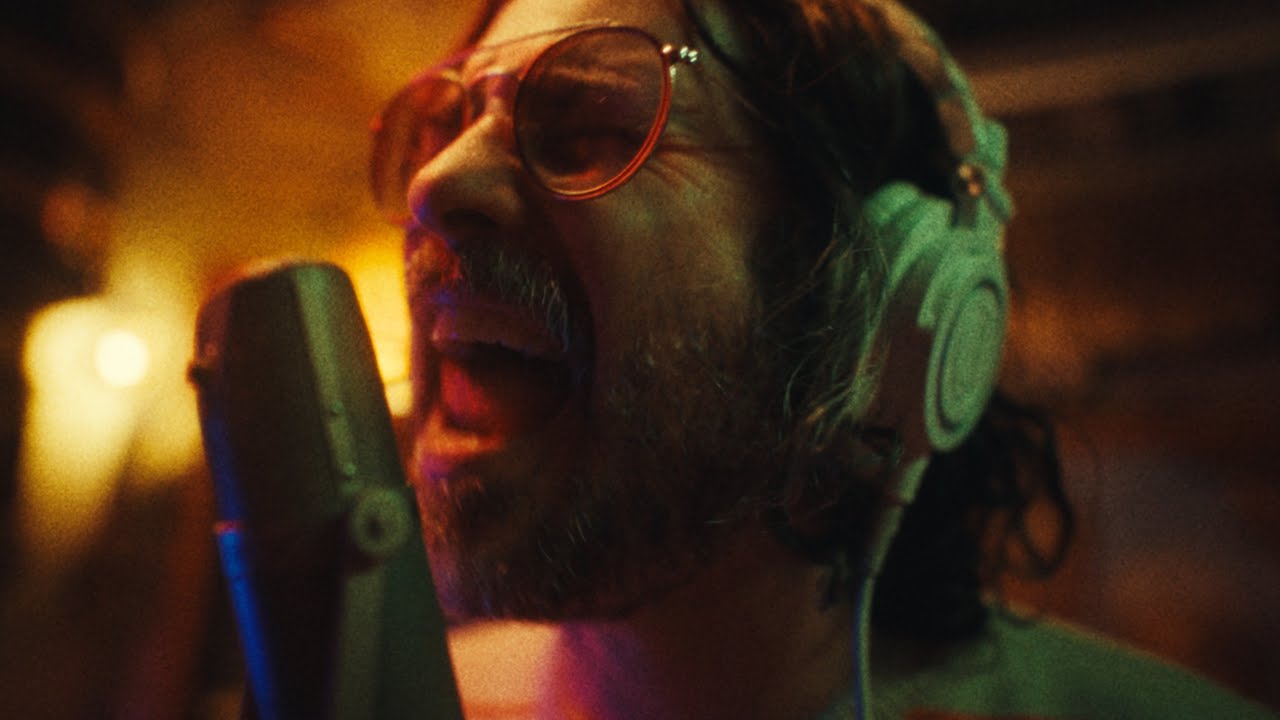
“I had a really amazing guitar player with me the past few years who was having to learn all the parts that I created, and he noticed something: I’m a habitual nailbiter,” laughs Petralli. “So I have these kind of calloused fingers, and he said that’s really a big part of your sound. I don’t play with a pick, and I bite my nails to the point that they bleed…”
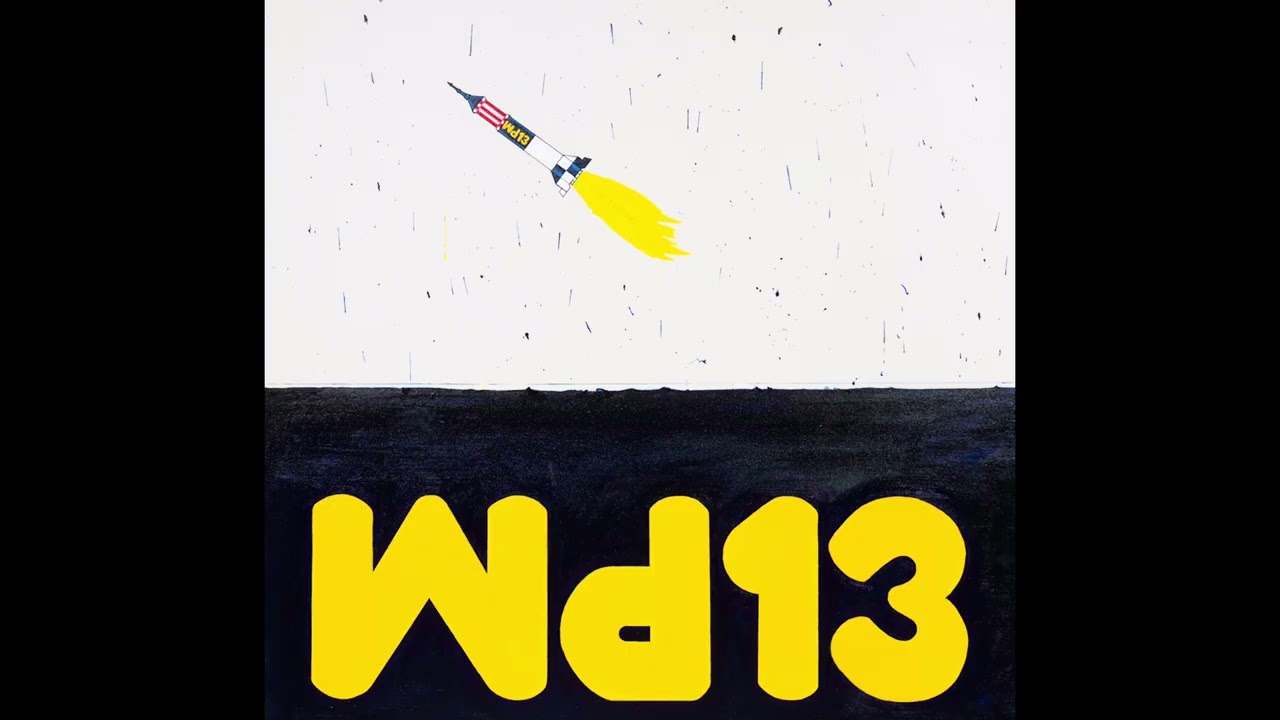
So, as Petralli prepares to release White Denim’s 13th album, the cunningly titled 13 – which is more stompingly confident and addictive than it has any right to be – we asked him about life of the ‘working-class musician’ in 2026, the kindness of Nels Cline and the tips that helped him to conjure up his hidden audio “laboratory” in a one-car garage in the LA suburbs.
What other things have you noted beyond the fingers?
As far as technique goes, I use a lot of legato. I play super-loud and don’t really try and fight it. I play pretty softly but just with a lot of volume. For White Denim, I’m kind of always on the bridge pickup no matter what guitar it is. In the early days, I liked a cocked wah that was just feeding back all the time. A very edgy, mid-forward tone is generally what I use for the band.
I love fuzz. I love things that sound like they’re malfunctioning. I love gates as well. I used a gate at a few different points in my chain to just shut things down.

Is that because everything else is so unwieldy? It’s like a sort of punctuation in there.
Yeah. And setting it right to the place where you have to dig in just a little bit more than you naturally would to get through it. I like the way that feels. That comes from one of the first guitar pedals that I got, a Z.Vex Fuzz Factory. I still have a stack of them. That’s kind of what started it for me – realizing you can have this broken sound that’s so crazy when the gate opens and then it immediately shuts down. Rhythmically, I feel like it forces you to be tight.
I’ve always been super-lucky to play with amazing drummers. That’s the real thrill I get – locking with the rhythm section and really listening and participating in what the drummer is doing. I try and write things that activate the musicians. That’s still the goal.
The song Time Time talks about making music and the realities of being a father and a partner coming into that – something I’m sure a lot of people can relate to.
Absolutely. The pandemic really taught me that. I realised I can arrange my life so I can tour when it’s convenient for my partner. We changed our family setup. It was really good for me. My ego, for sure, needed a check…
Then I moved and got a job in Los Angeles as a stunt vocalist for this TV show about a rock band. I got union pay, I went to this beautiful studio and just sang. That was the first time that I was performing, but the weight wasn’t so heavy.
That job shifted my thinking about how I can be useful in music. That got me to move here [to LA]. I broke down the commercial studio that I had in Austin. Now it all lives in a one-car garage, and it’s really crammed, for lack of a better word, like a laboratory. I just go in there every single day after I drop the kids off and work on something until I pick them up.
And I’m doing some jobs now where I’m replacing things that were written by AI. There’s a moral dilemma in it where I’m like, “Oh God, this is terrible work,” but I’m getting a union rate, and if I do that one day a month, that allows me to continue to be an artist. I’m like a working-class musician.
Speaking of your laboratory… What are you using for the tones on this record?
I use small amps most of the time. I have a collection of Silvertones. I have a ‘60s Vibro Champ that I use a lot. I love Supro amps, old Valco amps. Those are kind of it – a couple of Danelectros.
For clean stuff, I use a blonde Bassman from the ’60s. But yeah, I use the Silvertones more than anything. That’s my go-to since the beginning. I don’t really use a lot of pedals anymore in the studio. If I need one, I have an Echoplex that I use.
I use a Lexicon PCM42 for delay. I do the cassette effects a lot. My main console is a Siemens desk from the ’60s, kind of related to the EMI stuff from that era. Ramming that is the best fuzz ever. I do a lot of direct sounds. That’s really the color of everything. It’s mid-forward, and I have a couple things that add sparkle.
There’s a song on the record called Chew Nails where I discovered a trick out of laziness. I didn’t want to comp the vocal, so what happens if I send my best three takes, to one compressor at the same time? The guitar part from Chew Nails is also three guitar parts fighting for control in one compressor.
They’ll phase out, and you’ll get a drop where it just feels right. It’s definitely connected to that Z.Vex gated sound – sounds fighting to get above the thing. That’s a real taste of mine. I just find different tools to get at whatever that is.
What about on the guitar front? What are you playing most of the time?
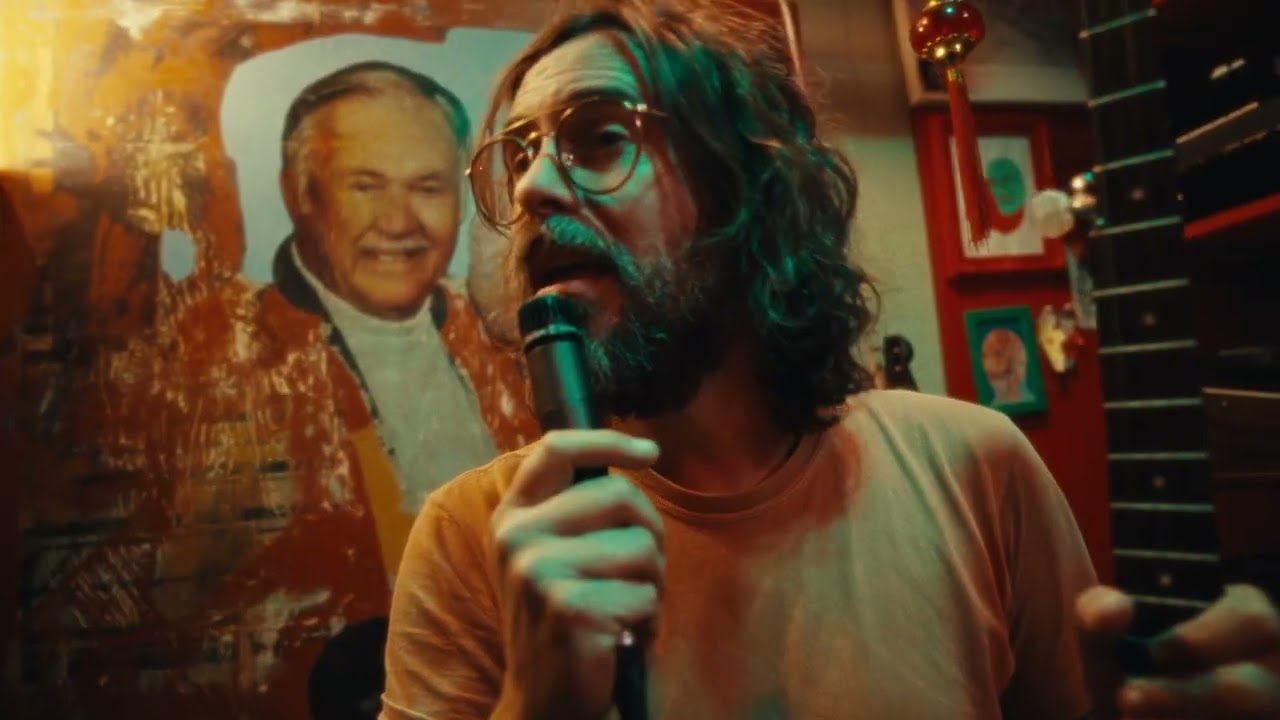
I have a bunch of guitars now. I love to play this 1973 Gibson ES-335, a stereo one. I don’t feel like a good enough guitar player to play it, but I love it. I have a ’64 330 that is really good – the Grant Green kind of thing. It’s really similar to the Casino that John Lennon played, but it has a Maestro vibrato on it. I really love the way that they sound. If you look at it wrong on stage, it’s going to be out of tune, but that’s what phasers and flangers are for!
My main guitar is a ’69 Gibson SG, also with the Maestro system. I tour with that thing, but I would be shattered if the neck broke. I love that thing. It took me forever to finally buy one, but I bought that and the blonde Bassman on the same day. I felt like, “Okay, I’m a real guitar player now. I have this rig that I’ve wanted forever.” That’s my main instrument. Then I just bought an Epiphone, a ’64 Coronet, so it’s got that P-90 in it that’s bonkers.

People are always after ideas when it comes to sourcing old gear. What’s worked for you?
I got interested in this stuff when eBay was still around. I feel like Reverb really created this value for a lot of the vintage stuff. Now, I would not be able to have any of this stuff. I bought most of my equipment broken and was really lucky to have the guy who produced and engineered this chunk of records for us, named Jim Vollentine.
He has a company called Coil Audio. He’s a genius creative producer/engineer, but he’s also an electrical engineer. He helped me understand what I was looking for and how to get it.
Some of these pieces I bought not working for 300 bucks, and they’re 10 to 20 times that in value working today. I guess it’s “buy broken.” If you really want something, buy broken. But all the guys that can fix a lot of this stuff are getting old [or price-y]. Like the guys at Sound Gas, in England. There are a few guys on Instagram.
Have you ever encountered any big-name guitarists on your travels?
My favorite hero encounter was with Larry Graham. The legend is that he invented slap bass. Sly and the Family Stone was a huge deal to me. I got to meet him in an airport in Brazil, and he was so generous and beautiful. I asked him if he ever played Let Me Hear It From You, and he said, “I haven’t played that in 40 years.” Then he sang a little bit of it a cappella. He’s one of my favorite singers, for sure.
I got to hang out with Nels Cline a little bit. He’s so creative, he’s a master. We did a tour with Wilco, and he was similarly generous. We toured with them for too long – six weeks or something like that – and that’s a tough gig, man.

Opening for a band that has a rabid fanbase and that’s the band for them, they really don’t want anything to do with an opener. I’d be in the middle of a tough show and look over at the side of the stage, and there’s Nels Cline, one of the best guitar players alive ever to play rock and roll. That was really special.
Then Jeff Parker is a neighbor of mine. Before I started playing guitar, the Tortoise album TNT was an album where I was like, “Whoa, I want to do this.” That blew my mind. Now I run into him at the hardware store, and I’m still goofy around him! The last time I saw him, he said, “Hey, James, it’s okay. You can relax a little bit.” I said, “Oh man, good to see you, Mr. Parker.”

Finally, what has the guitar come to mean to you across these 13 albums?
It really gave me an anchor in life. It started as “you don’t really know how to be in a room; you’re an anxious person,” and the guitar was a shield, or something like that. It was a way to bring positive attention, and there was comfort in it. It gave me a position in life. The more I play and the more I go to music, I heal myself. That time of practice and creation – I feel like at this age, it’s even more healing.
Regardless of what the world may tell me, I believe that music is very valuable – even sacred. When I play today, I try to treat it like spiritual medicine. I try to be honest when I create and listen. I make music to heal myself and provide for my family. It’s tricky but I still love the pursuit.
- White Denim’s new album 13, is out now via Bella Union.

