


Named after a street in his home town of Winnipeg, Canada, Ariel Posen’s latest album, Bannatyne, takes his playing and songwriting to another level. It’s also possible to hear his new Fender signature Strat, which features heavily throughout.
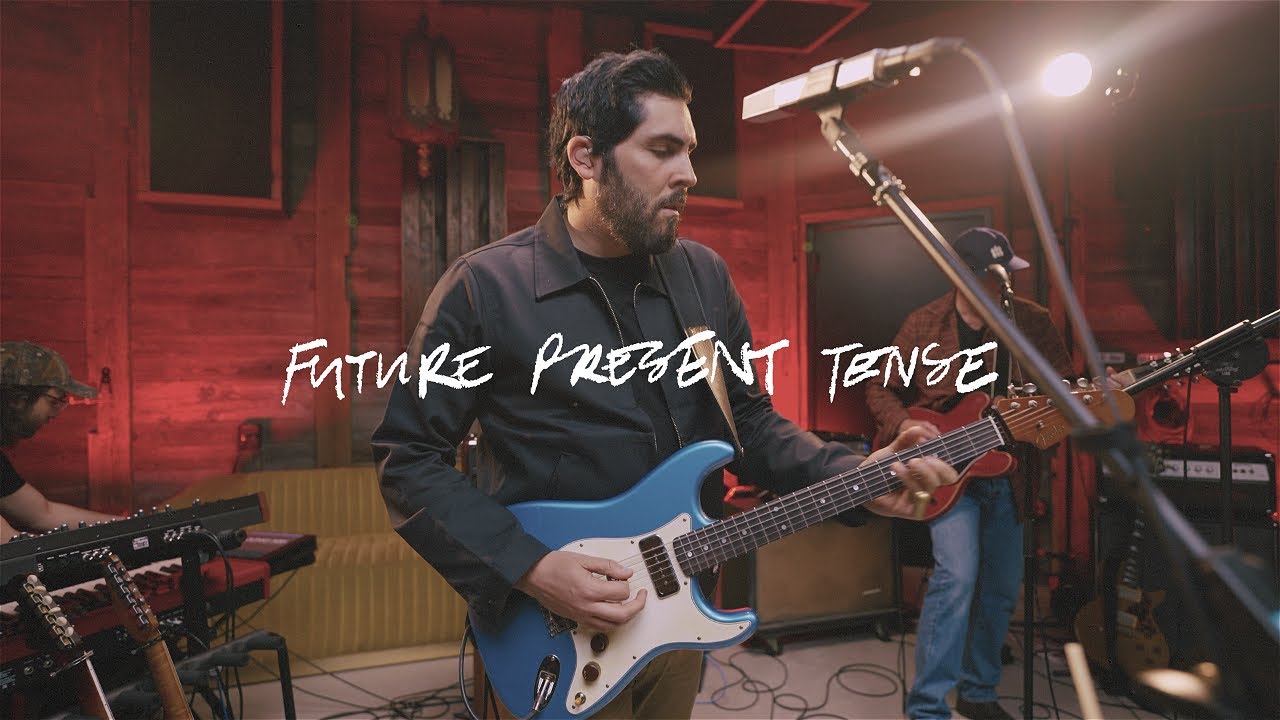
Drop-tuned to tectonic-plate-bothering levels of fuzz-laden funk on tracks like Future Present Tense and Vagabond, it forms the backbone for 12 tracks of sheer sonic delight.
Your signature Fender Strat really bares its teeth on the new album. Is it a baritone or just drop-tuned?
It’s not a baritone guitar, it’s a normal guitar, but you can put the heavier strings on it and [drop-tune] if you want. I have this one tuned to B standard [BEADF#B], but they come stock as standard tuning. It’s very much just a normal guitar.
Were the pickups specially designed for it?
Tim Shaw [of Fender] and I came up with the pickups together; they’re called AP90s. The guitar is based on a Strat I have, as well as my Jazzmaster.
I wanted the sound of the Jazzmaster’s neck pickup – which is not a P-90, it’s a Jazzmaster pickup wired after my [own] Jazzmaster – and then the bridge pickup is a P-90. They just sound really good together. It’s single coil, so it’s not like a humbucker kind of sound. I’m biased, of course, but it sounds really good!
When did you first start the writing process for Bannatyne?
The writing process started, basically, at the beginning of 2024. I was on tour most of the previous year, touring my album Reasons Why, and when I’m on tour for an album and whatnot, I’m not in writing mode at all.
So at the start of January 2024, I was off for a little bit, and my goal was to write as many songs as possible and go into the studio at the end of the year. By the time November came around, I had about 20 or 25 songs and I chose the 12 that I felt were the strongest, and we went from there.
Apart from your Fender signature guitar, what was the rest of the gear you used on the album?
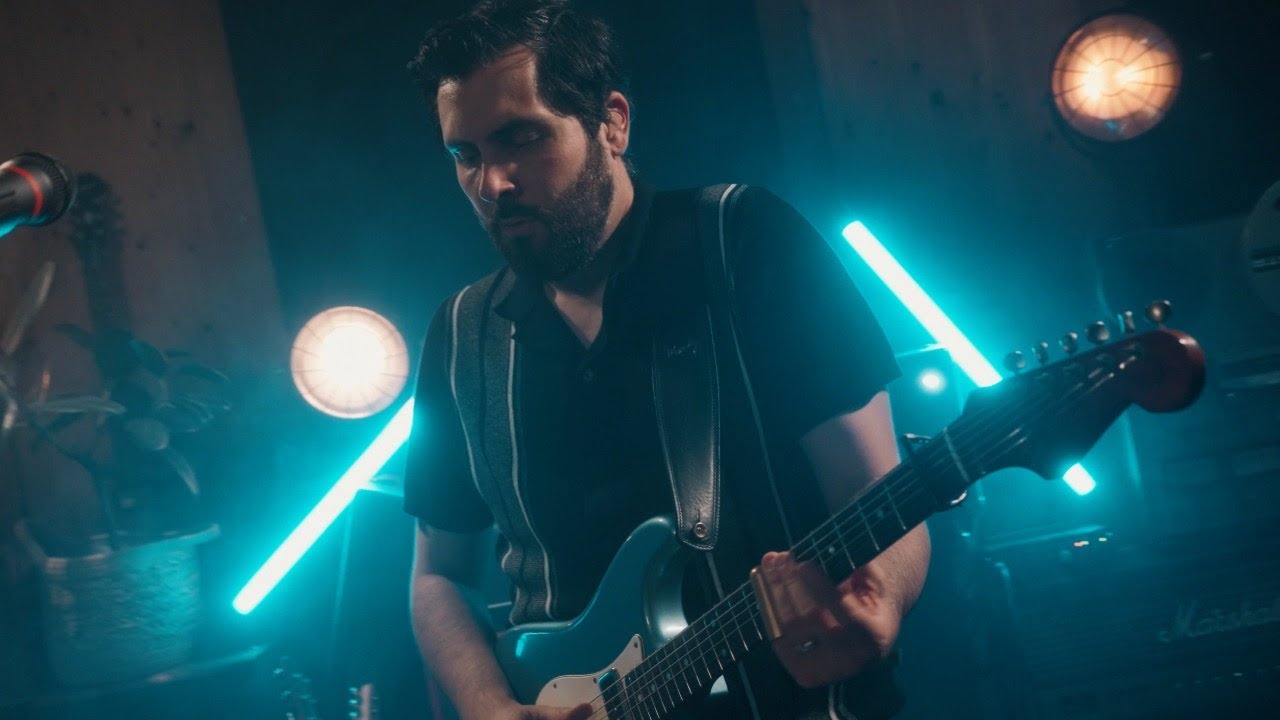
For amps, I used my Two-Rock Traditional Clean, my Benson Chimera, my ’63 Deluxe Reverb and my ’61 Concert. I have this vintage amp that my friend built for me out of a PA head [the POS-1 by Don Voth]. I also have this SL Amps New Drive, which is kind of a Dumble-style thing, and I used my Magic Amps Vibro Prince. Those were all the main amps.
What about pedals?
I had a pedalboard that I used, and then I had a pile of other pedals, like, whatever the song was calling for. So on the ’board, the main overdrive was between a Vemuram Jan Ray and the KingTone Duellist, and then the Hudson Broadcast-AP. And for fuzz, it was the KingTone miniFUZZ, and the KingTone Octaland and the DanDrive [Austin] Blender.
For delays I was using the Eventide H9, the Chase Bliss Thermae, the Chase Bliss Mood and the Geckoplex EP-5. I was using the Hologram Electronics Chroma Console a lot; that was in huge use on this record, and also the Infinite Jets and Microcosm by Hologram.
With such a varied manifest of gear to choose from, how do you go about matching the song with a specific amp or set of pedals?
It sounds so general, but I’ll try a couple things and if something just has a little magical thing to it, that’s what we’ll use. And I think it’s a constant search to fit the sound I’m hearing in my head, and something that stands out and something that sounds unique and special. So if something sounds just like anything else, I’m more inclined to keep searching until I find something really inspiring and different, if that makes sense.
You’re using your signature Rock Slide on the album – how did you come to settle for that particular model?
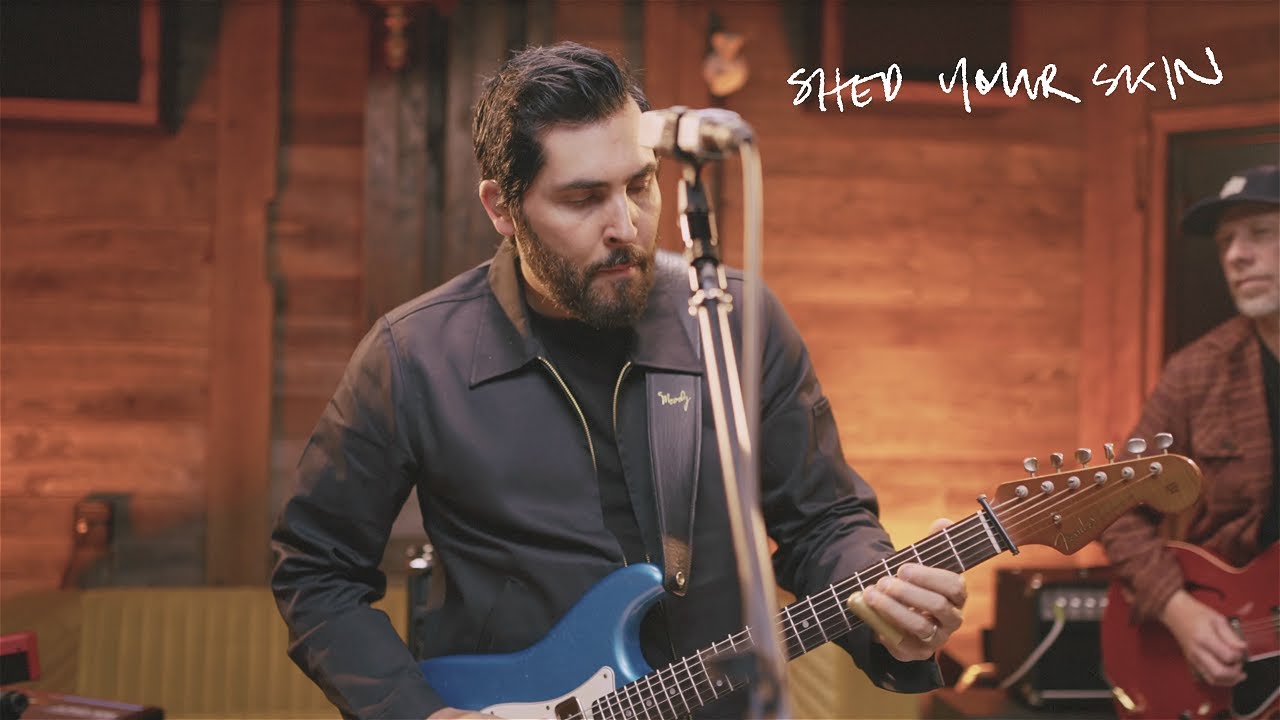
Yeah, it’s been 11 years of using that, so that’s the only slide I ever use. Well, my history is like anyone else’s; you pick up the first slide you see, and you don’t know any difference.
When I met Danny from The Rock Slide, I started to realise, ‘Holy crap, you can have different sizes? You can have something that fits your finger better?’. And a couple of my favourite slide players always played brass. I always liked brass; I felt glass and ceramic were almost warmer-sounding, which typically is a nice thing to have.
But I like the brighter sound. We came up with something that fits my finger well and I’ve never looked back. It’s just a part of my finger, you know? I always tell people to find one that fits and feels good, and then just stick to it. Don’t change; if it works, set it and forget it.

Which acoustic guitars did you choose to play on Bannatyne?
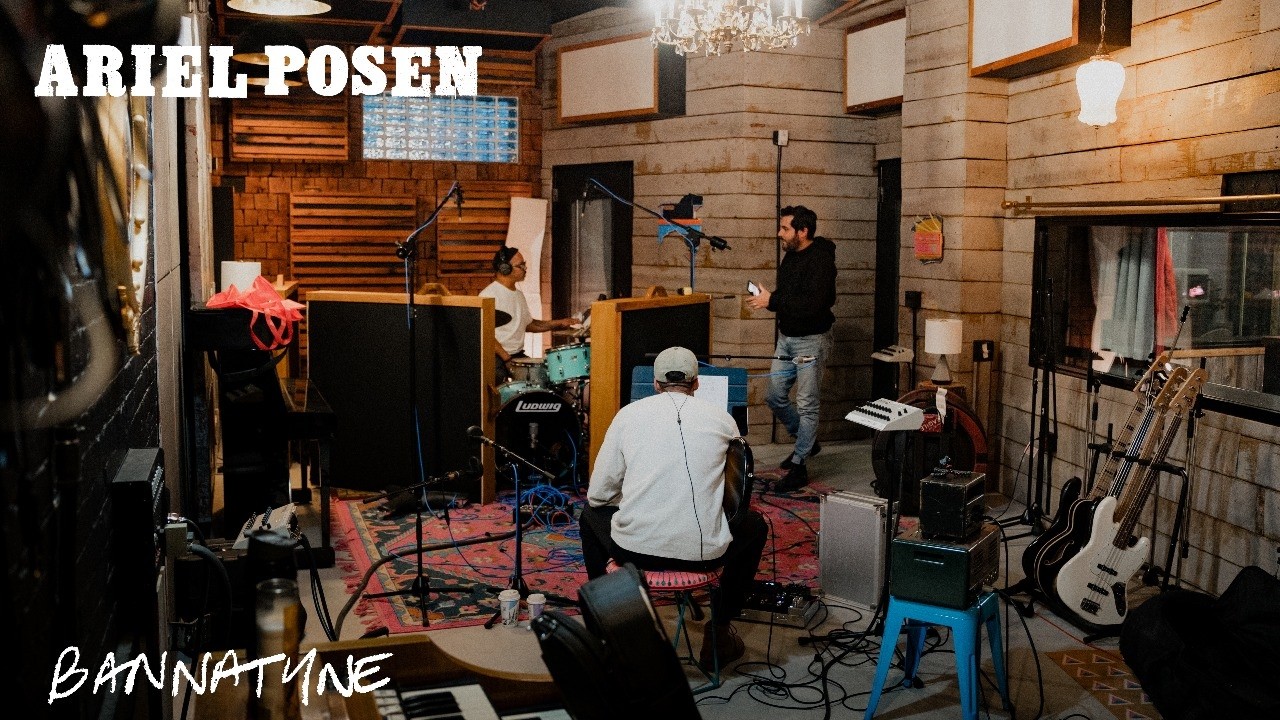
There’s a bunch of acoustics on the tracks. The main ones I used were a Martin OM-28, which is a newer one for me, it sounds beautiful, and a Martin Triple-O, an old one. Also, it’s technically acoustic, a Mavis by Mule Resophonics. It’s kind of a half acoustic, half electric resonator-style guitar.
That was used on No Way Out and Dead To Me. Any acoustic you hear, I like to double it with another one. So in this case, it was primarily those two Martins. There was one other one, too, made by Ryan.
There are a couple of collaborations on the new album, with Kathleen Edwards and City and Colour – how did they come about?
People know Dallas Green as this soft singer-songwriter guy, but he’s also an amazing rock singer – he still sings in a band called Alexisonfire. And it was perfect, what he did
Well, the City and Colour one, I just heard [Dallas Green’s] voice on it for some reason, so I just asked him if he wanted to sing on it. And fortunately for me, he was very into it, and did it right away.
People know him as this soft singer-songwriter guy, but he’s also an amazing rock singer – he still sings in a band called Alexisonfire. And it was perfect, what he did. And the song with Kathleen Edwards, More Me With You, I really just wanted that song to be a duet, like this intimate vibe. And so, same thing.
She’s someone I really admire and have been a fan of for a long time, and I texted her, and fortunately for me she was just very keen to do it, and got on it right away. So I’m very grateful to both of them for doing it.
You’re on tour at the moment, are you playing any of the new tracks live?
Oh, yeah, we play a lot of them, for sure. We’ve been touring in the US since last September, so we started playing a lot of these songs. It was called the Future Present Tense tour, which was the first single that came out. So we’ve been playing a lot of these already, just kind of getting them under our belt, so to speak.
- Bannatyne is out now.
- This article first appeared in Guitarist. Subscribe and save.

