


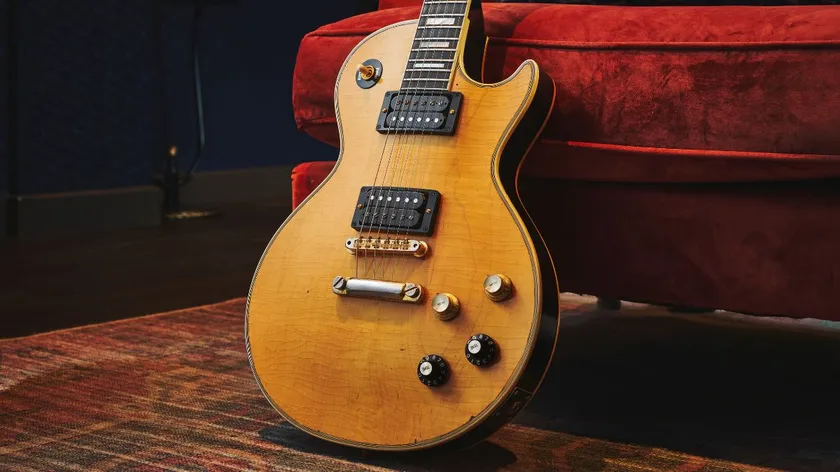


Back in the day, guitar players didn’t have the choice of electric guitar strings that we have today, and for those operating at the outer limits of performance – you might even call them proto-shredders – that presented a problem. Players had to think outside of the box.
In the early 1960s, Ritchie Blackmore did just that. With mixed results. He was out cutting his teeth in the Outlaws, working the rock ’n’ roll circuit. A trip to Germany with Jerry Lee Lewis and Gene Vincent would present him with an epiphany that changed how he strung his electric guitar.
“I went to Hamburg in ’63 with Jerry Lee [Lewis] and Gene Vincent, in the same year, played at the Star Club like everybody else did,” recalls Blackmore. “It was interesting because we were the Outlaws, and Jerry Lee was topping [the bill]. We were backing him, but the opening band was the Searchers, and in England, at that point, they had a number one record with Sweets for My Sweet.
“So it was so strange to see the band opening and being nobodies, and they were number one in England. Of course, The Searchers became very, very big later on.”
All of this was great experience. The Outlaws were playing five, six sets a night, the instrumental backing band for a rotating cast of players, including Merseybeat champs Ted ‘Kingsize’ Taylor and Tony Sheridan – the very same Tony Sheridan who played with the Beatles way back in the beginning.
“We backed Tony Sheridan a few times,” continues Blackmore. “He was a guitar player, too, but when we were backing him he would turn around to me and say, ‘Take the solo.’ And I’d go, ‘Oh, all right!’ I’d take the solo. Every night on tour, ‘Take the solo!’ ‘What about you? You’re the guitar player. Everybody is coming to see you, not me.’”
It was all good practice. But Blackmore was looking for an edge to his playing, and he had been passed along a tip from a high-profile source that seemed to do the trick.
Like many players of the time, Blackmore was getting frustrated with the heavier gauges – some players, particularly those with Gretsch guitars, used sets with wound Gs as standard. Flatwounds were commonplace. He wanted to bend the strings. James Burton, one of his rock ’n’ roll heroes on account of his work with Ricky Nelson, was improvising with his Telecaster’s setup to great effect.
“I’d just heard James Burton, and I had met Elvis Presley’s guitar player [was this Scott Moore? Blackmore does not say], who told me that James Burton used banjo strings,” says Blackmore. “And of course, I got the banjo strings, put them on... I’m going to bend the strings like James Burton.”
As the godfather of country guitar, Burton’s approach was radical. He got the idea in the 1950s that he would restring his top four strings, low-to-high DGBE, with the banjo strings, then use a regular D string from a set of electric guitar strings for his A, and a regular A for his E.
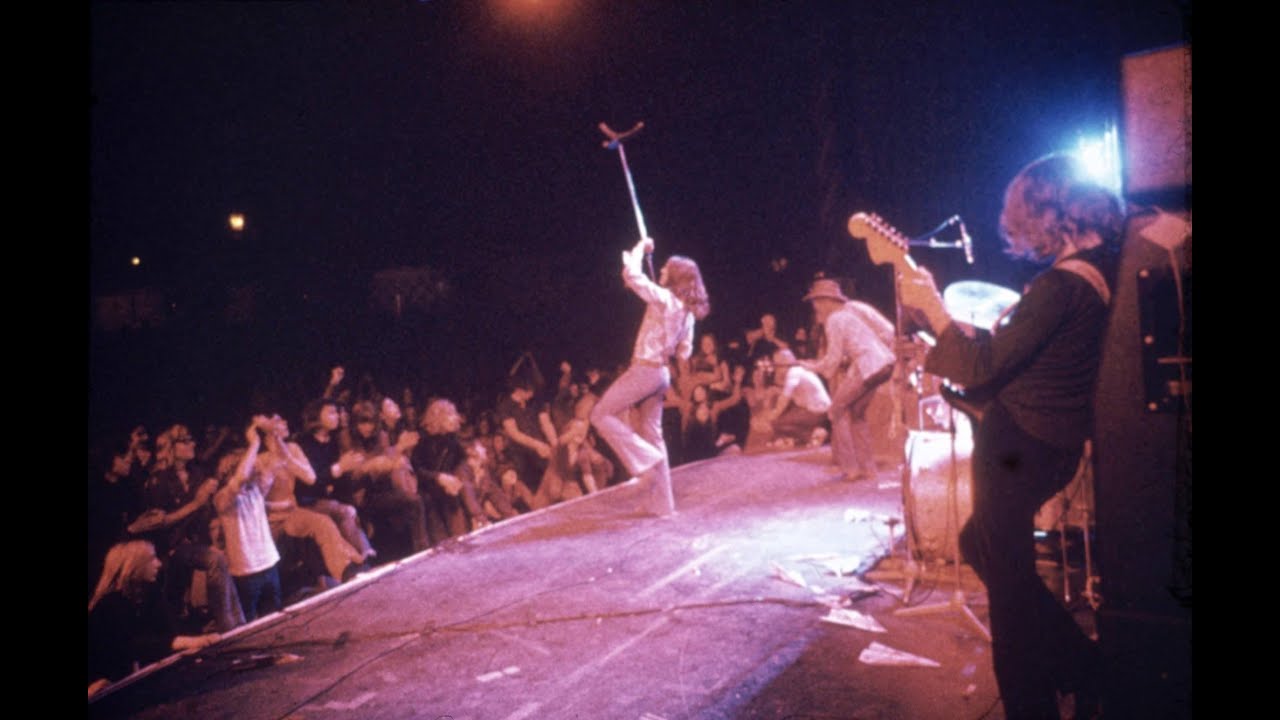
“It’s a pretty interesting thing because I’m hearing all these wonderful slide sounds and bends and on my guitar it was impossible with the strings too stiff,” said Burton, speaking to Clash in 2008.
“It was a different sound, a completely different sound… It was an incredible sound because I ended up with an unwound third, and it was a bit more twangy from the regular strings, but it was incredible, it was a great sound.”
Blackmore agreed. It was a step forward. Banjo strings on his Gibson ES-335 was opening up new avenues for expression on the instrument. “I bent the strings and it sounded great,” he says.
Sadly, this early ‘60s hack that had worked so well for Burton did not work for Blackmore.
“The trouble was my guitar went totally out of tune,” he says. “And the whole cast got together and complained and said, ‘You’ve got to put normal guitar strings on again because using those banjo strings, everything is out of tune’ – which it was.”
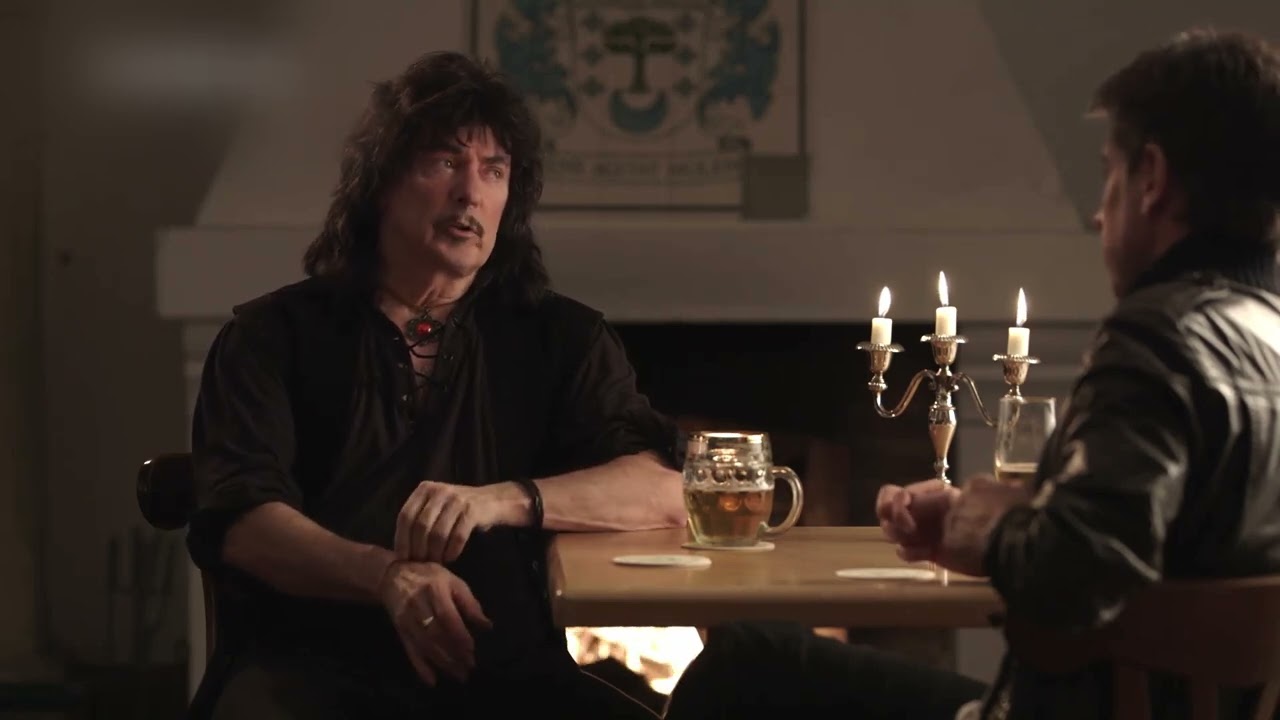
This was a problem that would soon get solved. There was a gap in the market. Enterprising string manufacturers were reacting to players’ needs. In 1962, Ernie Ball had debuted his Rock and Roll strings – “Guitar strings created especially for the teen age market!” the ad. The Slinkys were born.
Blackmore would later team up with Picato for his RB77 signature set, 10-48 – nickel-wound, hex core, easy to bend, no tuning issues – but after his stint in Germany, he would soon find out that he and players like him had options.

