





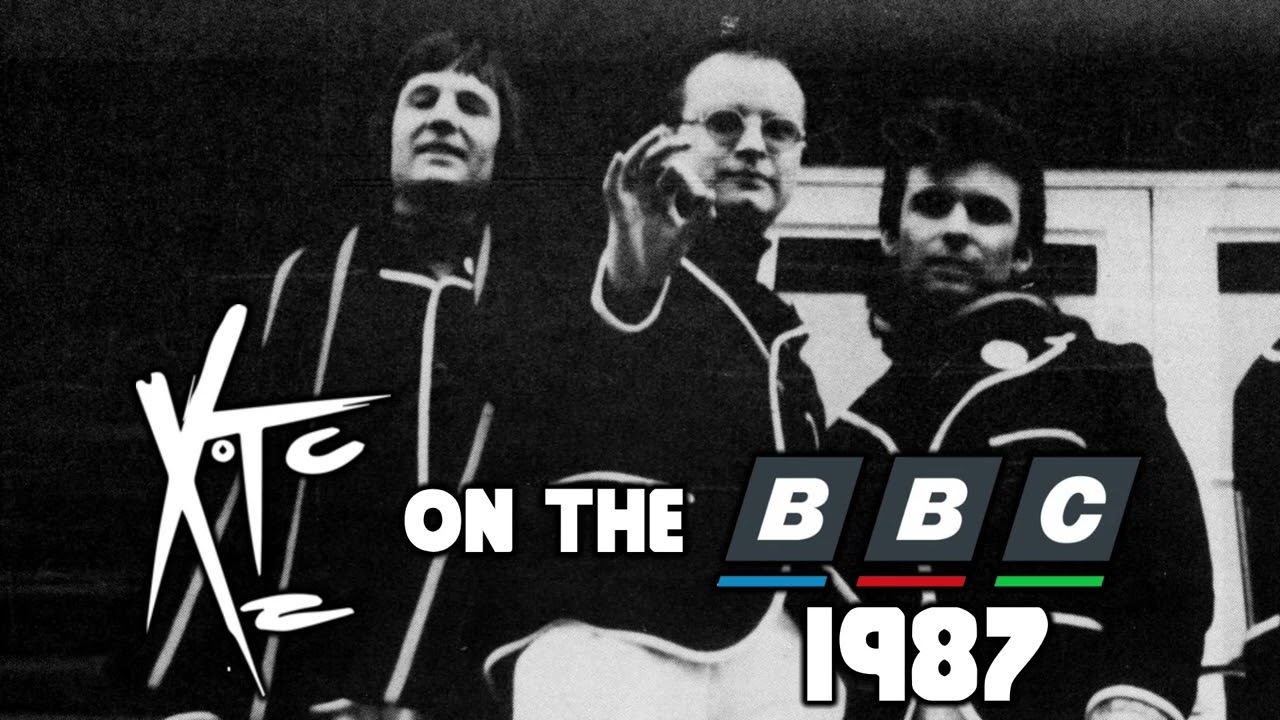
XTC’S 1986 album, Skylarking, is fairly beloved today, but for Andy Partridge, the British band's co-founder, chief songwriter and guitarist, it was difficult to make. The main issue? Partridge's disagreement with producer Todd Rundgren over the record’s direction.
“Going in, there was weirdness in terms of having to shut up and obey,” Partridge says. “I’m certainly not used to that.”
Skylarking was recorded at Rundgren’s Utopia Sound Studios in Woodstock, New York, where the atmosphere, combined with Rundgren’s arguably unorthodox style, apparently proved somewhat oppressive.
“There was an almost macho climbing over you [in order] to break you,” Partridge says. “And I know why he wanted to break you. He wanted to move on quickly to the next project. That’s all there was to it. It was a money-making machine that wouldn’t make so much money if you took more time to get things right.”
Despite this, on the strength of the polarizing track Dear God, Skylarking launched XTC into the mainstream musical orbit in the U.S.
“What can I say? It was a difficult birth, but the baby came out okay,” Partridge says. “It’s a miracle baby. It captured us and our musical interests pretty well at a time when our songwriting and the band were on a new career trajectory.”
Skylarking took XTC in a bold new direction.
I don’t think it’s a very guitar-y album. It seems to have been kidnapped by keyboards – but it was written on guitar. We were in a difficult place. Virgin felt we weren’t selling enough, and that’s because most of the production was dealt with by “that weirdo, Andy.”
Is that why Todd Rundgren was chosen to produce?
It was a case of removing me and shutting me up. They insisted, “You have to sell records in America. To do that, you’d better have an American producer.” They gave us a list of half a dozen producers who were selling well in America, and, to be frank, I didn’t recognize any of them.
We didn’t pick one, so they said, “We’ll give you a list of another six – but you’ve definitely got to have one of these. If not, you’re going to be off the label.” In hindsight, that might’ve been a great thing. But the only name on the list that anybody recognized was Todd Rundgren.
You said a lot of the songs from Skylarking were written on guitar. What guitars did you use?
It became obvious that it was going to be a light album. The whole concept of the summer day was nailed in place by Todd before we even got to Woodstock
I had a Martin D-35. I still have it. It’s not in great condition and really needs some TLC. Some things were falling out with that, so I treated myself to a Japanese-built Telecaster, a Squier.
I walked into a shop, and they had about five or six Teles. I tried them all, but they didn’t speak to my hands. They spoke to my ears, but not my hands – and that’s very important. There’s got to be that physical – and mental – marriage with my guitar.
The fella in the shop said, “There’s one more. It’s a Squier and it’s made in Japan.” That one felt great. It sounded the same, if not better, than the U.S. ones, and it really spoke to my hands. I brought that one to the States, along with my trusty Ibanez Artist, which I’d had since ’77. Those were my go-to guitars.
Skylarking is considered loosely conceptual, but you encountered issues with Todd regarding song selection and running order.
It became obvious that it was going to be a light album. The whole concept of the summer day was nailed in place by Todd before we even got to Woodstock.
He took the songs, spliced them in order and said, “This is how you’re going to play it.” This was very alien to us. He said, “You’re going to be recording these songs in this order.” Before we even stepped on a plane, I disagreed with him. I thought, “I don’t know whether that song is so strong. Why hasn’t he picked this tune?”

It goes without saying that you and Todd didn’t get along. But do you think that tension helped improve the album?
We butted heads terribly, but the album was made despite having our ankles bitten all the time by this rottweiler. It was a case of… how shall I describe it?
Perseverance?
Yeah, I think it was a case of perseverance. He had some positive points, but there were a lot of negative points I could’ve done without. To be a producer, you have to have great bedside manner and pull out the best performances from the band.
Todd didn’t do that?
His arrangement skills were fantastic. But he didn’t have the bedside manner, friendliness and enthusiasm to say, “Come on, lads! That was a great session yesterday. What have you got for me today?”
Some might say Skylarking had a few mixing and polarity issues.
Todd’s skills as an arranger were immaculate, but his engineering was so slapdash as to be “demo” standard. When we got back to England, Dave [Gregory, XTC guitarist] did an interview and said, “Hmmm, maybe Todd should stick to producing himself.”
I thought, “Whoa, Dave, where’s this coming from?” But his engineering is demo-quality because he’s used to banging down stuff for himself, so he doesn’t have a high personal standard. His engineering is certainly not a patch on with other engineers we’ve used, who I think have been immaculate.
We weren’t allowed to attend the mixes, which pissed us off. It’s like, “Whose baby is this? Is it your baby? No, it’s ours!” It was very difficult for us to take.
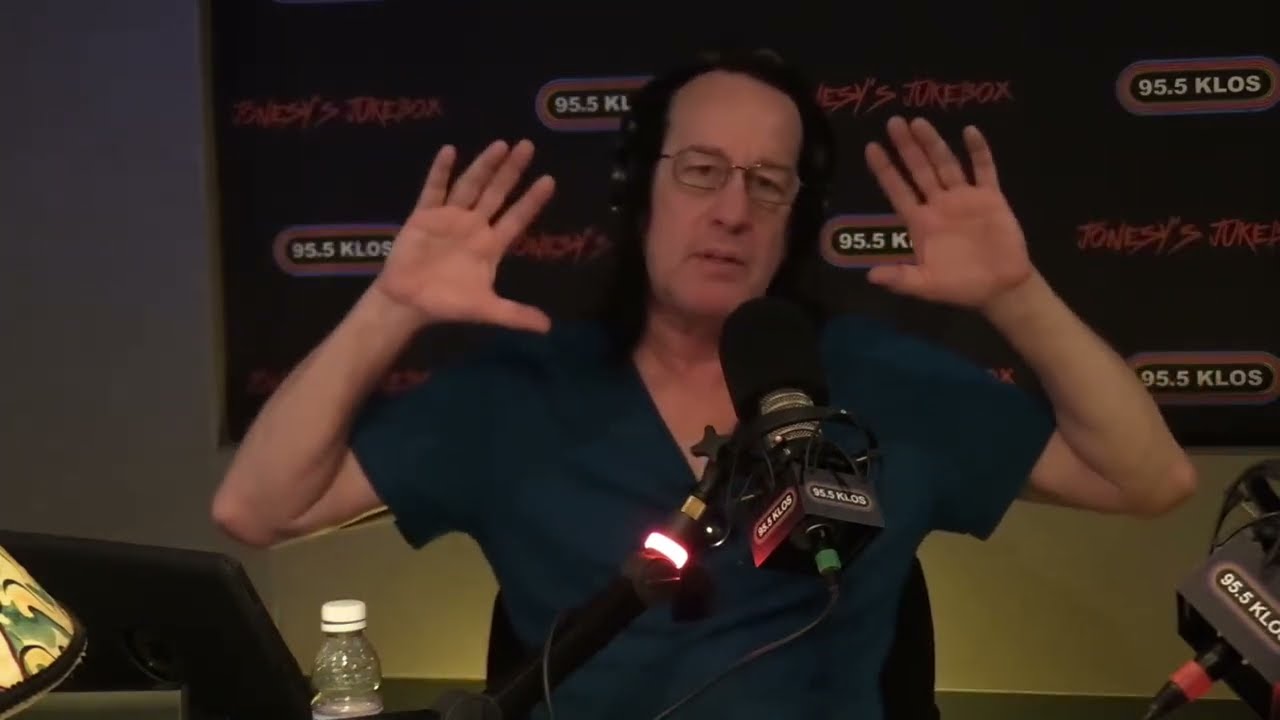
[Editor's note: In a 2023 interview with Steve Jones of Jonesy's Jukebox (available on YouTube), Rundgren says that, early in the mixing process, XTC said, “We're going home to England; we’re not going to stay for the mix.”]
Nobody was happy with the mixes, but we couldn’t spend any more money. I attended the mastering in England, and the engineer said, “There’s no bass on it. There’s no top on it.” He did what he could to get it to a higher standard. We figured that Todd’s studio was miswired, where it sounded fine in one place and out of whack elsewhere. This is quite common.
Despite all that, Dear God became a sensation.
Actually, there’s something I’d like to put straight about Dear God. There’s a lot of talk on the internet that I insisted on the track being taken off the album. That’s not true. I’ll tell you who wanted that track removed: the Geffen record label.
I was invited into the Virgin offices in London, and they said, “Geffen is really worried by the nature of this track. They would really like it if you could take it off the album”
Is that because of its polarizing subject matter?
I was invited into the Virgin offices in London, and they said, “Geffen is really worried by the nature of this track. They would really like it if you could take it off the album.” They said, “They think it’s going to damage you in some way.” Fuck knows why that would be.
How did you react to that?
I thought, “Well, this undermines some of the lack of confidence I had in certain things about that song…” I didn’t know if I did the subject proud – and it’s a massive subject, you know, human belief. I was also feeling a bit icky about the little-girl voice.
It was too sugary sweet and sickly for me. I wasn’t totally happy about that. So, with Geffen saying, “Can you take it off?,” I thought, “Okay. Alright…” But it was not me who took it off the album, though I seem to have gotten the blame for taking that off the album.

Ironically, the label wanted XTC to break the U.S. market, and Dear God did exactly that.
People would ring in, saying, “If you play that song again, I’m going to firebomb your station!” Or they’d say, “That’s the best thing you’ve played in years”
That song was thrown away onto a B-side, and DJs started flipping it over. People would ring in, saying, “If you play that song again, I’m going to firebomb your station!” Or they’d say, “That’s the best thing you’ve played in years. Play it again!” It accidentally became the tool that opened up our careers in the States. Weird, isn’t it?
While there were a lot of issues, Skylarking is considered one of the great albums of the ’80s.
It’s the great missing Dukes of Stratosphear [a psychedelic pop group Partridge formed in 1984, basically an XTC spin-off] album. Apart from the problems in its creation, it chimes pretty decently with us for where we were at.
Would you change anything about it?
It’s pointless to have regrets. It came out fine. It didn’t come out how any of us thought it would, but it came out fine. And it’s not such an American album; it’s more of a British psychedelic album. It’s a good snapshot.
- This article first appeared in Guitar World. Subscribe and save.

