


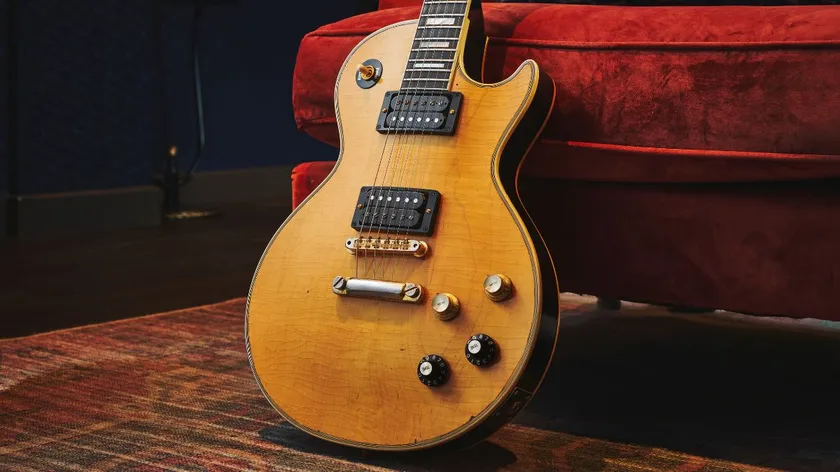


If there was such a job as ‘tone archaeologist’, Stuart Robson of Sunbear Pickups would qualify. His forensic examinations of vintage pickups have led him down many an interesting path in the design and development of his own pickups.
His latest prototype, however, tells a particularly interesting story. While Gibson’s fabled Patent Applied For humbuckers of the late ’50s are endlessly discussed and copied, less light is shed on the earliest examples of the breed – the 1957 examples that, as Stuart explains, were built just a little differently from the ones that followed and had a sound all of their own – quirks that he has sought to faithfully emulate in his latest vintage-inspired humbucker. What’s the story?
“Well, they’re called the KZ 57 SB PAFs and they’re designed to mimic the winding pattern and coil structure of the coils produced by the very first machine that was used by Gibson in the ’50s. This machine was used to wind the majority of the of the 50s P-90s but also some of the earliest Patent Applied For pickups,” Stuart explains.
“The winding machine [used for 1957 Patent Applied For humbuckers] was made by Geo-Stevens – in fact, it was the earliest winding machine produced by that maker. Geo-Stevens carried on making winders that were quite similar looking for many years after.
“But the original one is a little bit janky – it’s early and it’s quite rattly and it’s got a specific lobeless cam set up on it. And, basically, that means the way that it lays wire backwards and forwards on the bobbin is quite specific in terms of the turns per layer and will fill the bobbin more for the same number of turns of wire that the later Leesona machine would do. So that just gives a specific character to the pickup.”
So what did that all mean for the sound of the earliest Patent Applied For humbuckers?
“They tend to be slightly airier,” Stuart argues. “They have more detail in the low-end, not necessarily more tightness but more transients, more harmonic content in the low-end than the coils off of the Leesonas tend to. And they just tend to be a little bit sweeter. So they’re more like a humbucking P-90 in character than the later Patent Applied For pickups tend to be,” he explains.
It’s A Wind-Up

While the output of Patent Applied For humbuckers wandered about between 1957 and 1962 when they transitioned into being ‘Patent Number’ humbuckers, Stuart adds that the first ones wound on the Geo-Stevens machines were restricted to a maximum ceiling in output more than later examples.
People try to make generalisations, like, ‘Oh, I think the ones from ’59 are a bit hotter. But, honestly, you get ones in ’59 that are anything from the lowest to the highest outputs
“People try to make generalisations, like, ‘Oh, I think the ones from ’59 are a bit hotter. But, honestly, you get ones in ’59 that are anything from the lowest to the highest outputs [that are considered typical]. What [the use of] that very early Geo-Stevens machine did mean, though, was that you really couldn’t get a hot Patent Applied For off of it.
“If you think about the spec of 10,000 turns on a P-90 being split to around 5,000 turns per coil on a Patent Applied For pickup, you would not get more than that onto the bobbin from the KZ 115 Geo-Stevens winder because the coils were effectively fluffier, looser and more naturally scattered by the way that the machine delivered the wire to the to the bobbin [compared with coils made on later Leesona winders] – so you you wouldn’t get one that was over 8.2k, generally speaking.
“And that’s part of their character as well – the fact that the coil is, frankly, a lot less tidy than the later coils are. So you won’t get a hot Patent Applied For humbucker out of it, but you will get up to the idealised 8k-ish range.”
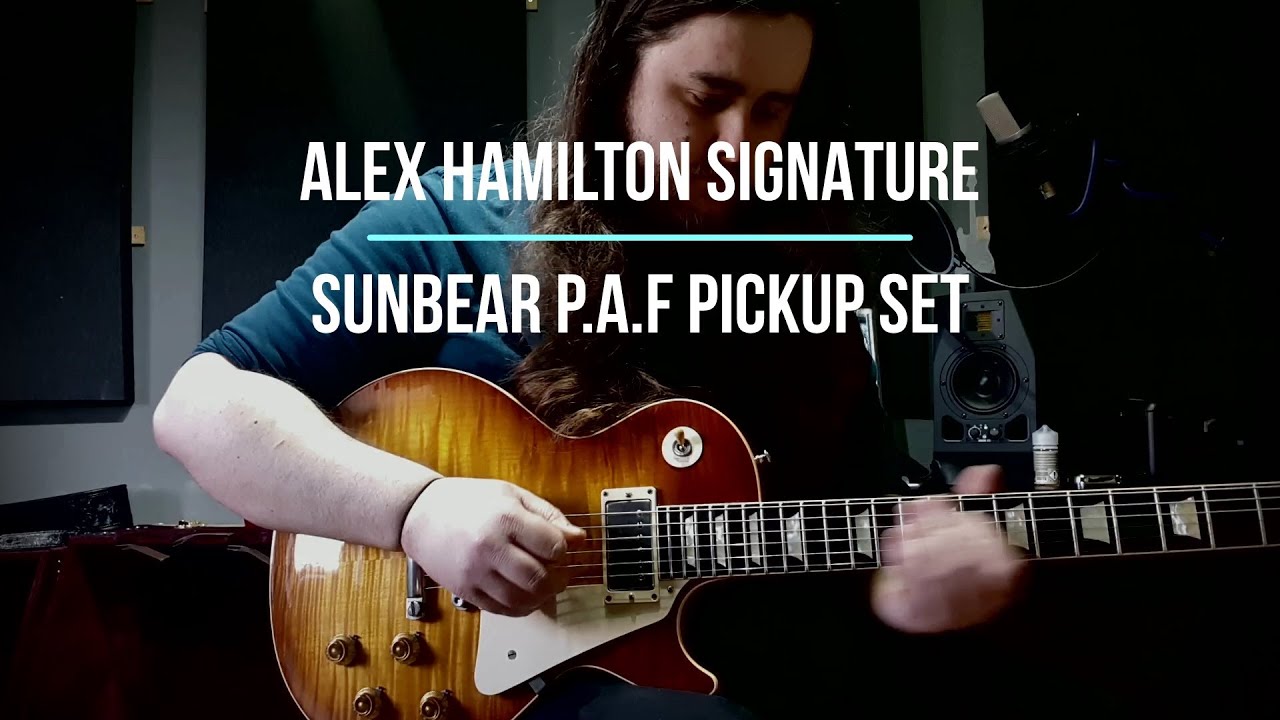
It’s certainly an interesting little nook of Gibson pickup history – but what inspired Stuart to want to make his own take on the early ’57 style of Patent Applied For?
“I find them really interesting to make because it’s a very specific coil type that no-one really talks about,” he reflects.
“There’s lots of direction towards the Leesona-style coils [among modern makers of vintage-style humbuckers]. But people generally don’t talk about the actual coil build because to know about that, you either need to have the original machines – good luck! – or you need to be taking apart the original coils and lucky enough to be doing repair work on the originals.”
Fortunately, his own work in pickup design and repair has granted him the necessary insights, but he cautions against taking ‘handmade’ to mean better when it comes to vintage-correct Patent Applied For-style pickups.

“‘Scatter-wound’ is obviously a thing that people talk about in pickups – too much,” Stuart observes. “But all Patent Applied For humbuckers were machine-wound. So, the idea of a hand-wound Patent Applied For, which you see in the market all the time… if we’re being brutally honest, it’s not a thing. Because you can’t hand-wind a Patent Applied For with the kind of consistency that makes it sound like [a vintage original].”
Three to get ready
Sunbear Pickups KZ 57 SB PAFs
Hot off the winder at Sunbear Pickups is the subject of this article – a faithful recreation of 1957-spec Patent Applied For pickups. The prototype set of KZ 57 SB PAFs we examined here has an Alnico V bridge giving an output of 8.1k and an Alnico II neck pickup with a DC resistance of 7.3k, making this a touch-sensitive and classic set to savour.
Bare Knuckle Mule humbuckers
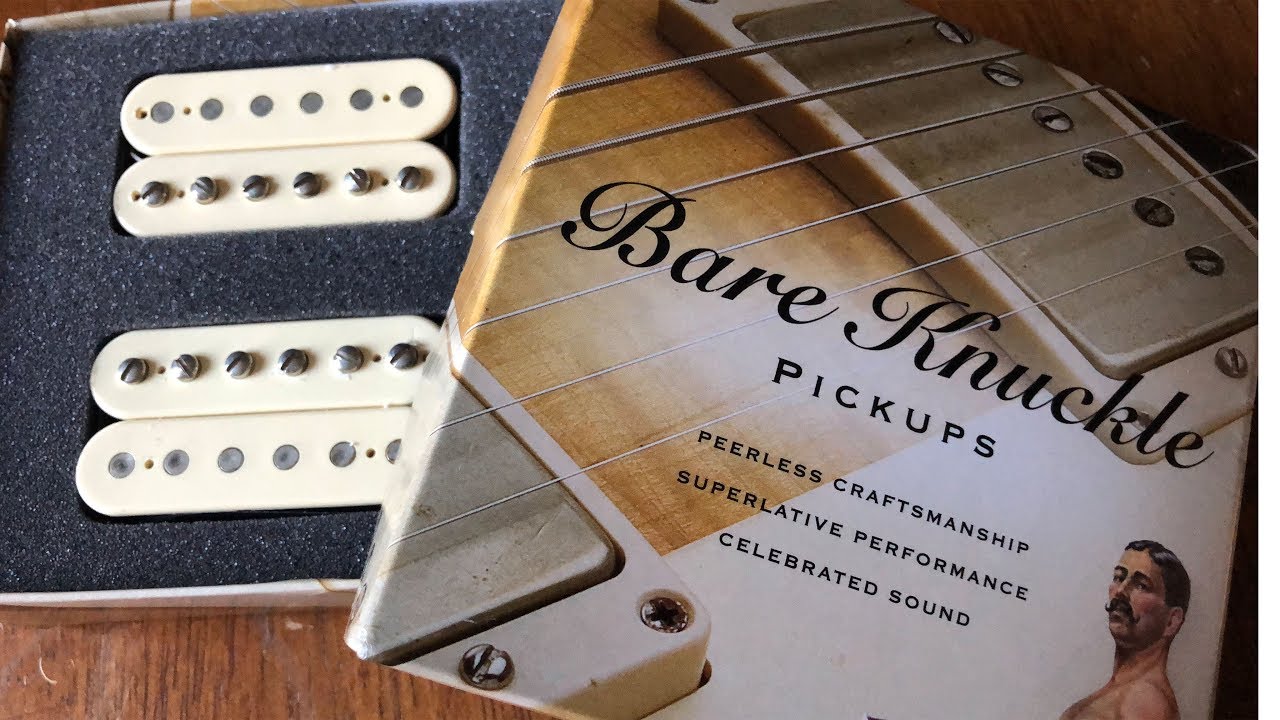
A well-liked take on the classic Patent Applied For sound by the thriving Cornish maker, the Mule is wound using “butyrate bobbins, maple spacers, nickel-plated slugs and Fillister no.5 pole screws... and Sand cast Alnico IV magnets”.
Output is similarly classic at 8.4k for the bridge and 7.3k for the neck. Output is similarly classic at 8.4k for the bridge and 7.3k for the neck. An old favourite for many players of maple-top single-cuts.
Dimarzio PAF 57
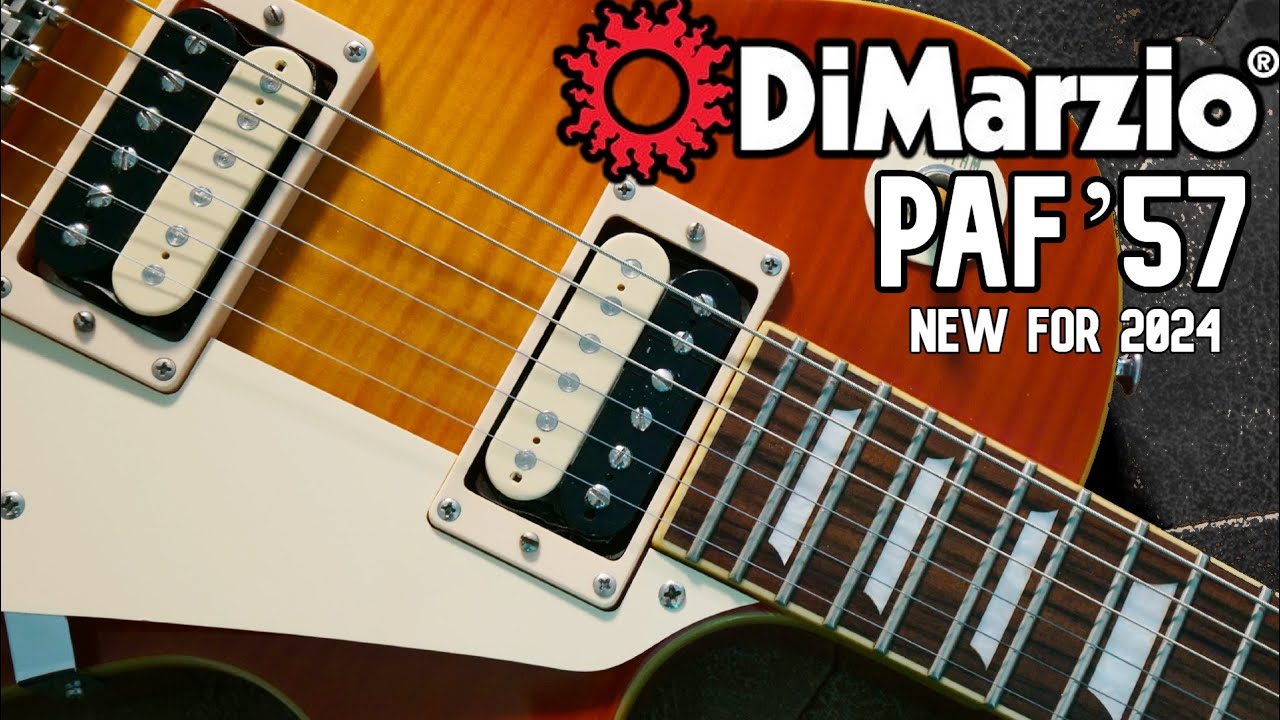
Wound on Alnico II magnets, DiMarzio says its PAF 57 pickups “paint an auditory masterpiece – creamy tones, flawless hum cancellation and a crystalline top-end”.
Available in a range of finishes (black, relic white or cream butyrate bobbins, or nickel covers), this major maker rarely disappoints, offering another window on early Patent Applied For tone to consider.
- Find out more at Sunbear Pickups.
- This article first appeared in Guitarist. Subscribe and save.

