


Some guitar greats like to live in the spotlight and others prefer to fly under the radar. Rick Fenn of 10cc is among the latter, though the staggering list of achievements across his five decade-long career is impressive and expansive in equal measure.
As a songwriter, collaborator, and session man he’s worked closely with everyone from Pink Floyd founder Nick Mason and ABBA star Agnetha Fältskog to Peter Green, Rick Wakeman, Mike Oldfield, and Cliff Richard. You could say the musical connection between him and a whole entourage of chart-topping legends runs very deep indeed.
This year he’s keeping busy with 10cc, who have dates stretching across the UK and Europe all the way past Christmas, including a sold-out show at London’s prestigious Royal Albert Hall. Best known for world-conquering hits like I’m Not In Love, Dreadlock Holiday, and Rubber Bullets, the band have already graced the stage of the venue several times – and their next visit is shaping up to be another highlight in the diary.
“There’s something about standing on that stage,” Fenn says. “Especially now they’ve fixed the acoustics, because it used to be shit. The sound is great in there now and it’s a really thrilling place to play. Quite possibly the best in the world.”
He adds: “We’re a happy band at the moment. Not quite bigger than ever, but slowly creeping back up to where we used to be. And while the old boomers have been coming out to see us, it’s also been gratifying to see some younger faces in the audience.”
Having played lead guitar in the band for the last five decades, his role is an unusually eclectic one. It requires him to cover a range of styles, from the groovy hard rock of The Wall Street Shuffle and the soaring leads in I’m Mandy Fly Me to the staccato funk of Art For Art’s Sake, and, of course, the syncopated reggae of Dreadlock Holiday.
If variety is the spice of life, Fenn could very well have one of the most enviable jobs in the music industry.
“I don’t think there are many gigs out there that are as enjoyable for a guitar player,” he says. “And considering how long I’ve been playing these songs, I haven’t gotten bored of them. I get a lot of elbow room – there are so many different styles and techniques.”

What kind of gear will you be using on this upcoming tour?
I’m a pretty simple soul. My main guitar was made by Roger Giffin, who has a really impressive track record, having built instruments for Eric Clapton, Pete Townshend, Mark Knopfler, and David Gilmour.
I used to play Les Pauls, but I was looking for a good Strat-style guitar in 1978. Roger was working for Doug Chandler’s guitar shop in London; Doug lent me one of the guitars Roger had made and it sounded great. I didn’t like the finish, though, so Roger made me another one.
It sounded and played so well, it’s been my main guitar ever since. It’s astonishing how well it holds tune, partly thanks to the Kahler trem. A guy called Dave Storey created those things and I was one of the players who helped him with the early designs. He made me a number of them – it’s the same one that’s been on this guitar for 40 years. It just keeps on delivering.
What kind of amps are you plugging into?
For the last 20 years I’ve been using a TC Electronics Nova system. I think they’ve stopped making them now, for some reason. Those get fed into a couple of Fender Hot Rods, which are wonderfully broad-spectrum, uncolored amps. I just use the clean sound and then the TC does everything else, from echoes and reverbs to this soft stereo chorus running across all my sounds, which has served me very well.
Peter Green had such a glorious touch thanks to his wonderful simplicity. But then he went off the rails and became a gravedigger
You paired up with Pink Floyd drummer Nick Mason in 1985 for a string of albums. What’s he like to work with?
Nick is such a lovely, unassuming guy with zero pretensions. Eric Stewart from 10cc introduced us at a party when Nick was looking for someone to work with, and 48 hours later I had some music ready for the Profiles album. It all happened quickly.
I hadn’t gotten my confidence up as a writer, but because Nick was in such an influential position, we could do whatever we wanted. I had this fresh and unpolluted creative drive, which he was great at letting me run away with. He had this wonderful London studio called Britannia Row, and I had a home studio with a 16-track Fostex. A lot of my original recordings on those machines found their way onto the albums. It was a happy combination.

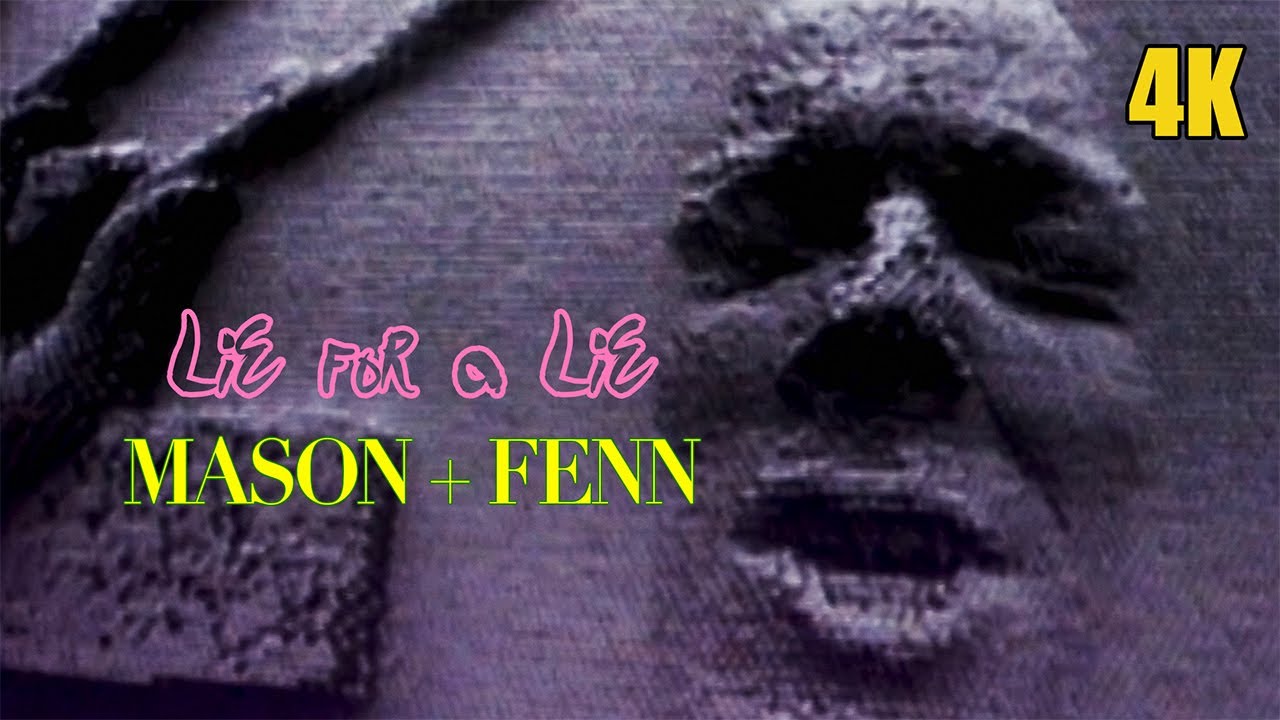
David Gilmour sang on the lead single Lie For A Lie. As a guitar player, you must have been pretty happy about his involvement.
I was so chuffed when he contributed to that song. I didn’t spend much time with him, but I remember shooting the video. Interestingly, Another Brick In The Wall had topped the charts quite recently and Moonlight Shadow – which I did with Mike Oldfield – had done really well too.
I found myself standing at a microphone singing my song next to David Gilmour. It was like this moment where I felt like I’d arrived! It’s similar to what Eric Stewart told me about working with Paul McCartney and Stevie Wonder. We’re talking serious royalty there!
You co-wrote the song Family Man with Mike Oldfield, which became a big hit for you, and then the following year for Hall & Oates.
I was actually the family man in the lyrics. There are a lot of temptations on the road, so they would call me that. I teamed up with Mike in 1983 when he wanted to have a tight band where everybody was in on it. It was a nice time to hook up with him. Our first gig was in Barcelona in front of 600,000 people, which was mad.
Family Man was a riff of mine from a jam session. Though it wasn’t particularly important within the song, it was the thing we all jammed around. It’s very simple; there’s only two chords to it.
Me, Mike, and our keyboard player wrote it, but we shared everything with the band magnanimously. I didn’t even know about the Hall & Oates version until it stormed the American charts and I heard it on the radio. You could say that song has been good to me!
You also recorded with Peter Green at one point. Given his reputation as one of the more elusive and reclusive musicians of his era, how did that work out?
When I was a teenager he was one of my greatest heroes, along with Hendrix, Clapton, and Beck. Peter had such a glorious touch thanks to his wonderful simplicity. But then he went off the rails and became a gravedigger.
I worked with him in 1978 when I got a call from a manager who was trying to drag him out of obscurity. They set him up at a house in London and we jammed daily. But Peter was away with the fairies, cranking the reverb all the way up on his amp.
Dreadlock Holiday was number one around the world. Then Eric had a car accident which cost him an eye, an ear, and a lot of confidence
Little came out of it, but we must have recorded something because parts ended up on an album. I was on Spotify not long ago and found this solo I played. Beck maintained his level of excellence through the years, if not extending it. Peter didn’t manage to hold onto that special thing he had. It was a curious little interlude working with him.
Speaking of Clapton, you also worked with Jack Bruce at one point.
In terms of the people I worshipped back in my school days, Cream were at the top. So it’s bizarre that I ended up playing with Jack Bruce – even though what I did with him was pretty obscure, when he was going into more of a jazz direction. But it was still a wonderful phenomenon.

When I was around 20 my favorite band were Yes. So it’s a curiosity that I ended up playing with Rick Wakeman. And much later, his son Adam [Ozzy Osbourne/Black Sabbath] – who I literally met as a baby – ended up doing some 10cc gigs. My working life has been punctuated by these improbable serendipities.
Then there’s your work with Agnetha Fältskog, Cliff Richard, John Wetton, and more.
I did Agnetha’s eighth solo album, recorded at Polar Studios, where I also taught her how to play chess – that’s one of my distinctions! With Cliff, we worked in the studio a couple of times. John Wetton passing away in 2017 was a tough loss.
So a lot of these collaborations came by pure chance?
10cc were roaring at the end of the '70s, Dreadlock Holiday was number one in the charts around the world, but then Eric Stewart had a shocking car accident which cost him an eye, an ear, and a lot of confidence. We got put on ice for a while and because of the breaks I ended up meeting and playing with other musicians.
Everyone was connected – you’d play with one person and get recommended for something else. There were long periods of inactivity, like most of the '90s, which is when I started composing more. Nick Mason and I had a company making commercials. We did one for the Super Bowl, which was quite a big deal. It launched me into that world.
We’d write these funky commercials for cigarettes, cars, and things that felt cool. By the time I moved to Australia, I was quite burnt out because it’s quite a lonely profession.
Finally, which of your solos would you say captures you at your best?
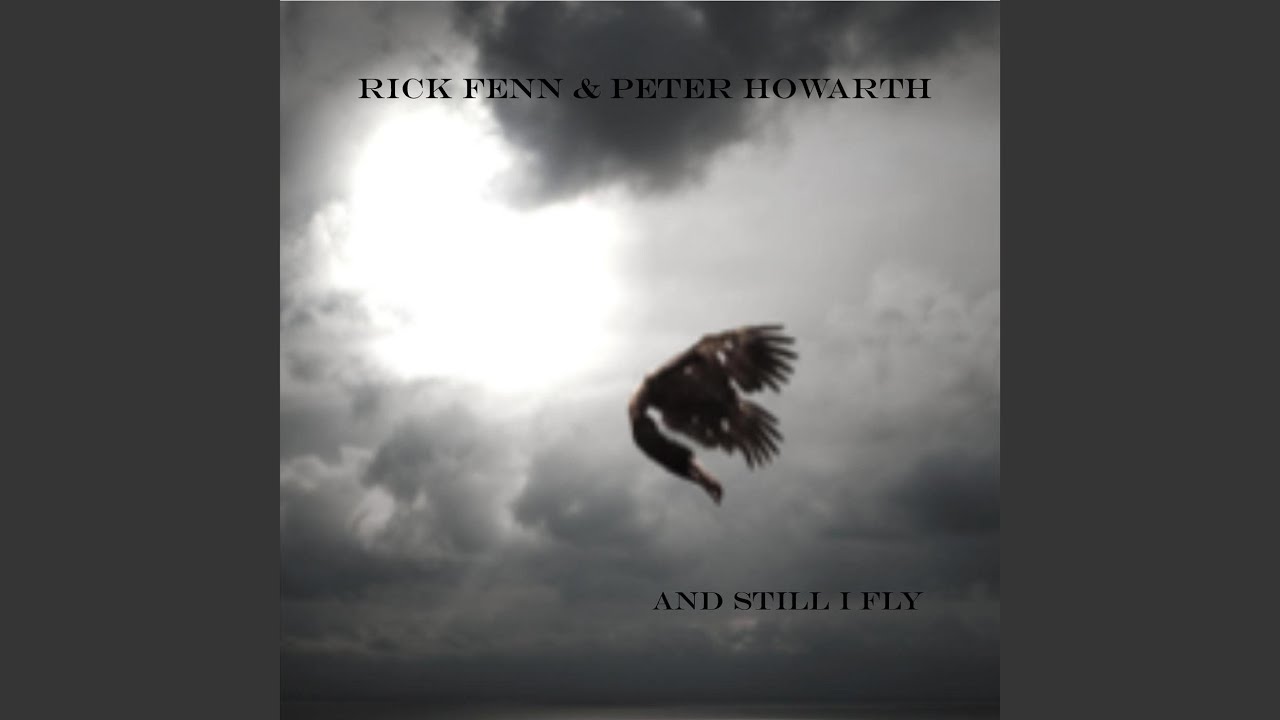
One that often gets mentioned by 10cc fans is the solo from the song Don’t Ask. I remember being happy with how it came out. But my favorite is on an album I did with Pete Howarth from The Hollies. The first song we wrote together was written for and named after a documentary called No Man’s Land. It ended up on the album And Still I Fly. That, for me, was my best moment as a lead guitarist.

