


Some of the most glorious British guitar music of the ’80s was born under the glowering skies of Manchester. And while the Chameleons never matched the commercial heights of city brethren the Smiths and New Order, those who did discover the band’s third album, Strange Times, were forever marked by the experience.
“I’d forgotten how much this album meant to me,” posted Oasis’ Noel Gallagher on Instagram in 2018. “It came out in ’86, when I was 19. I’ve been listening to it every day since and I have to say it’s blown my mind – again. It must have influenced my early years as a songwriter because I can hear me in it everywhere.”
Fronted by the shamanic vocals of Mark Burgess, with Reg Smithies and Dave Fielding handling guitars, the lineup only had a scattering of embryonic song ideas when they loaded into Jacob’s Studio in Surrey for a five-week session.
But the bonhomie – and perhaps some leftover mojo from the studio’s recent residents – fed into an album that is lusher, dreamier and more melodic than their post-punk debut, 1983’s Script of the Bridge, or its obtusely titled follow-up, 1985’s What Does Anything Mean? Basically.
“The Smiths had just been in doing The Queen Is Dead,” Smithies says. “I’ve got a memory of doing backing vocals with Dave and we couldn’t stop laughing. And I remember a bird getting in the control room – it took us ages to get it out!”
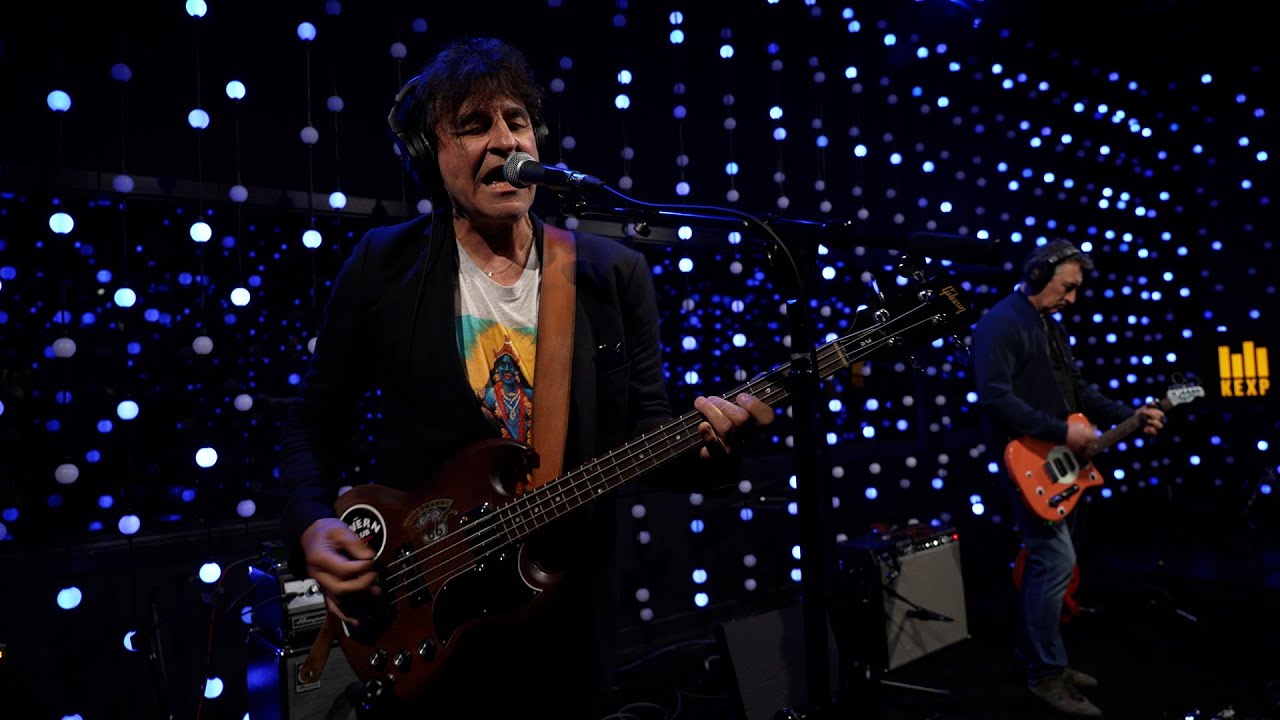
Somewhere amid the merriment, the band – with producer David M. Allen – captured an album that conjures its own unique headspace. While the nuts and bolts have faded in his memory, Smithies believes he used a Gibson SG and a Squier Strat into a rental Mesa/Boogie, with vibes courtesy of Boss delay and chorus pedals, plus the otherworldly repeats of Fielding’s Roland Space Echo.
“We generally wanted the record to have a live feel,” he says. “Dave and I didn’t compete with each other, and it helped that we had different sounds… Dave was and is a much better guitar player than me, but my strength was riffs.”
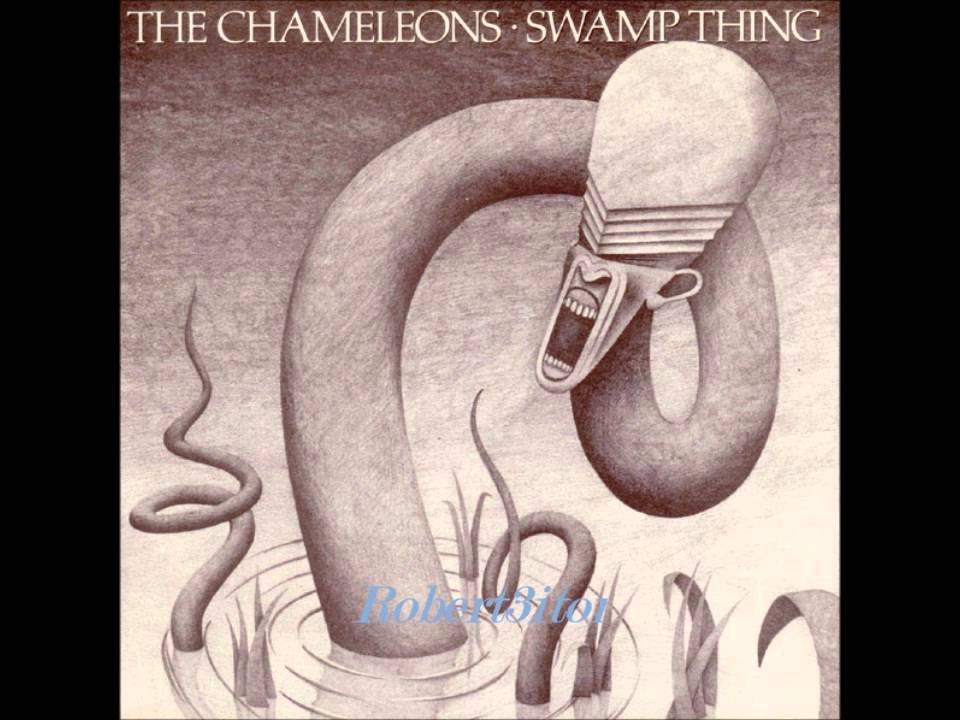
The synergy is obvious on Mad Jack, Caution and Swamp Thing, with the guitarists weaving hypnotic soundscapes decorated by chiming, delay-soaked arpeggios that at times bleed into feedback and foreboding.
“The pop mainstream back then was just catchy love songs, but we related more to the alternative side,” Smithies says. “We were lumped in with the goth thing, but we did what we wanted. My favorite guitar moment on Strange Times? I’ll Remember. We split up not long after, so it’s an apt song to end the record.”
Thanks to that first parting of ’87, the Chameleons missed the mid-’90s Brit-rock boom they had helped inspire.
But the band’s second reunion since 2021 has stuck, and Smithies still enjoys the patronage of A-listers from Interpol to the Smashing Pumpkins, as well as namechecks from younger guns like Alcest frontman Neige (“The Chameleons were just as good as anyone else in the post-punk scene,” he told Louder).
“I’ve never met Noel Gallagher, but I’ve heard he liked Strange Times,” Smithies says. “I met Billy Corgan briefly when we supported the Mission on a recent U.S. tour. He was talking to Wayne Hussey.
“I was about to go onstage and I got a selfie with him to send to my son, Joe, as he’s a big fan. We also did a gig in Seattle not long ago; Krist Novoselic from Nirvana turned up and bought our 2025 record, Arctic Moon.”
- This article first appeared in Guitar World. Subscribe and save.

