

Guitar World Verdict
There's a lot to love about the WA-C1 Mod, from its lush, swirling chorus to its rich, expressive vibrato. Add in the smaller enclosure and the ability to bypass the vintage preamp and you've got a terrific pedal that's loaded with character and a whole lot of fun to play.
Reasons to buy
- +
Warm, lush analog chorus with plenty of depth and movement.
- +
Dedicated vibrato section goes from gentle wobble to wonderfully strange sounds.
- +
Switchable preamp adds vintage colour or gets out of the way.
- +
Hi-Z setting and dual outputs provide useful options for different rigs.
Reasons to avoid
- -
No independent footswitch for changing between chorus and vibrato.
- -
Rear switches can be awkward to reach on a crowded pedalboard.
- -
200mA power requirement is higher than many simple analog modulation pedals.
You can trust Guitar World Our expert reviewers spend hours testing and comparing guitar products so you can choose the best for you. Find out more about how we test.
What is it?
The Boss CE-1 Chorus Ensemble arrived in the 1970s and helped put that lush, swirling analog chorus sound on the map. It also featured a separate vibrato mode and an analogue preamp that became part of its unmistakable character.
Original units are big, bulky and command collector prices, but their influence lives on in countless chorus pedals.
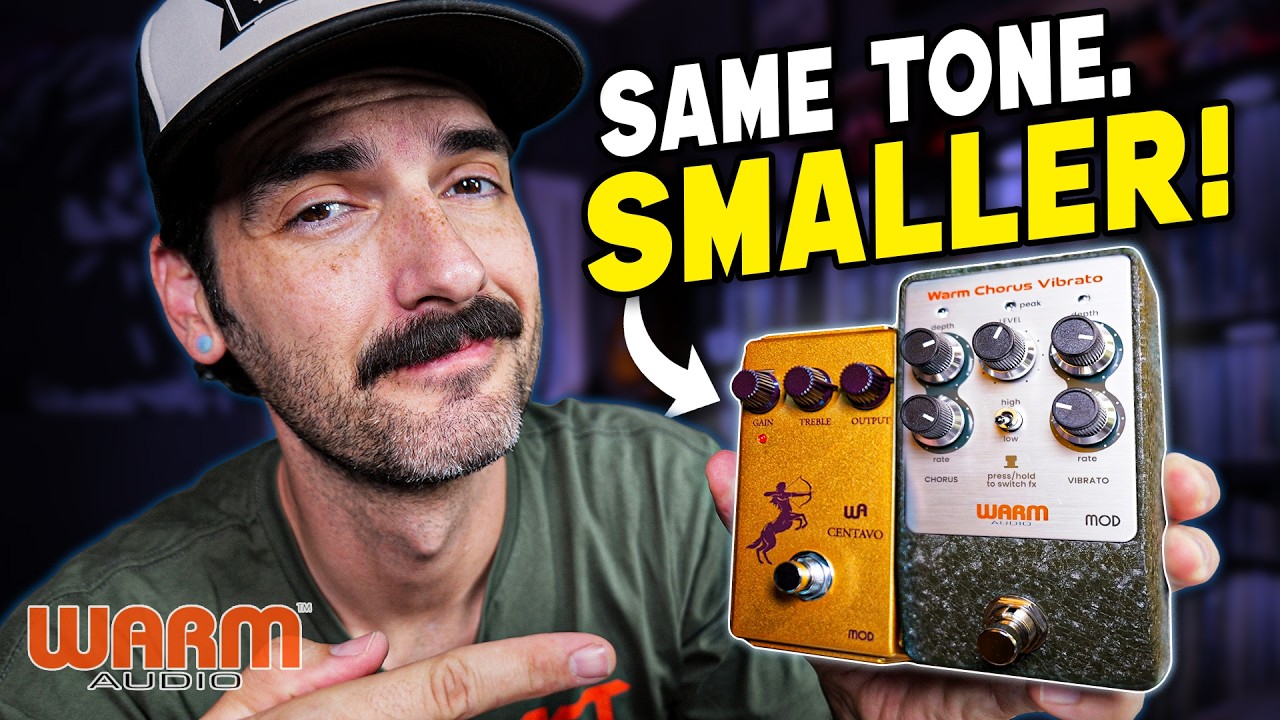
Warm Audio's original WA-C1 recreates much of that vintage magic, right down to its oversized enclosure and distinctive appearance. The new WA-C1 Mod takes the same basic approach but puts it into a smaller, more pedalboard-friendly package. It's an all-analogue chorus and vibrato pedal that aims to capture the character of the legendary CE-1 while introducing a few modern conveniences, including greater flexibility over the preamp.
With so many chorus pedals available today, the WA-C1 Mod is aimed at guitarists who appreciate the warmth and character of vintage analog modulation but need something that fits more comfortably into a modern pedalboard setup.
Specs

- Launch price: $199 | £199 | €229
- Type: All-analog chorus and vibrato
- Controls: Preamp Level; Chorus Depth and Rate; Vibrato Depth and Rate; High/Low sensitivity; single footswitch with press-and-hold Chorus/Vibrato switching; rear Hi-Z and Vintage/Modern switches
- Features: Analog preamp with optional bypass; LED modulation-rate indication; selectable 50k-ohm / 1.1M-ohm input impedance
- Connectivity: One 1/4-inch input; two 1/4-inch outputs (mono and stereo)
- Bypass: Vintage mode retains preamp when effect is off; Modern mode bypasses preamp
- Power: 9V DC pedal adapter; 200mA current requirement
- Dimensions: 71 × 61 × 114 mm (W × H × D)
- Weight: 16 oz / 0.45 kg
- Contact: Warm Audio
Build quality
Build quality rating: ★★★★½
The original WA-C1 was a pretty big pedal, so the smaller Mod enclosure is a welcome change. It retains the distinctive wedge-shaped design and textured finish of the original, giving it that unmistakable vintage look. The metal enclosure feels solid and substantial, with a reassuring heft that makes it feel like a serious piece of gear rather than just another stomp box.
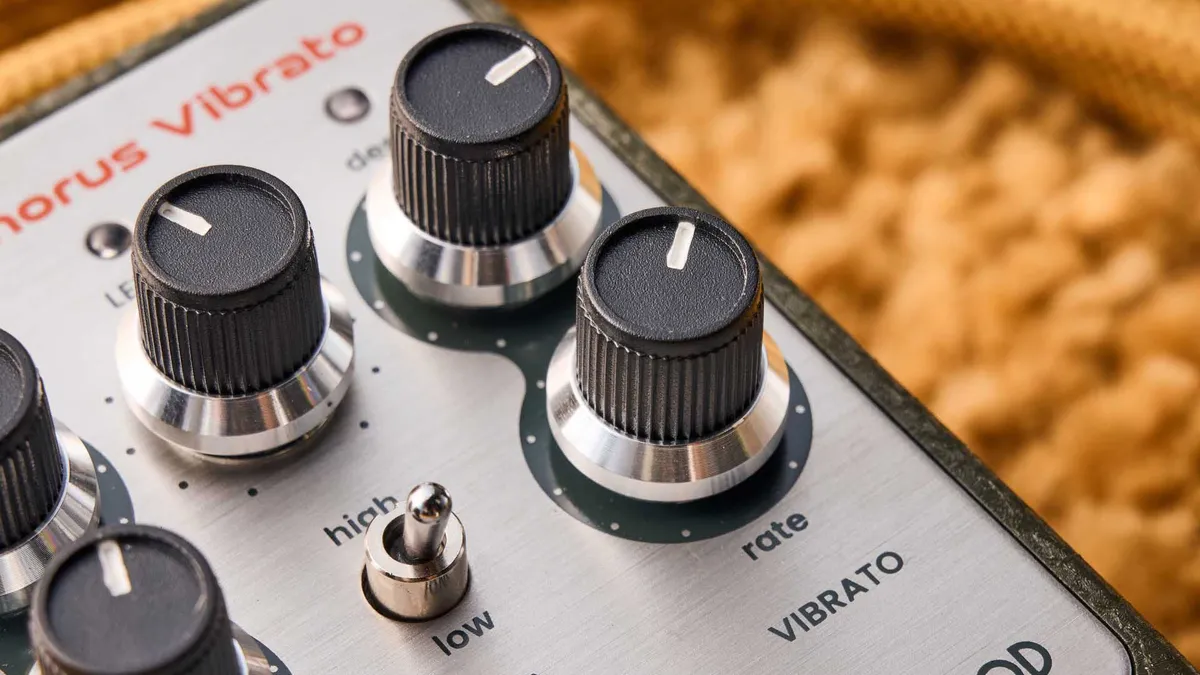
The vintage-style knobs are a nice touch, adding plenty of character that complements the pedal’s retro appearance. They're easy to grip and turn smoothly, with just the right amount of resistance for making precise adjustments. The heavy-duty toggle switch is another nice touch, with a firm, distinctive click that adds to the pedal's substantial feel.
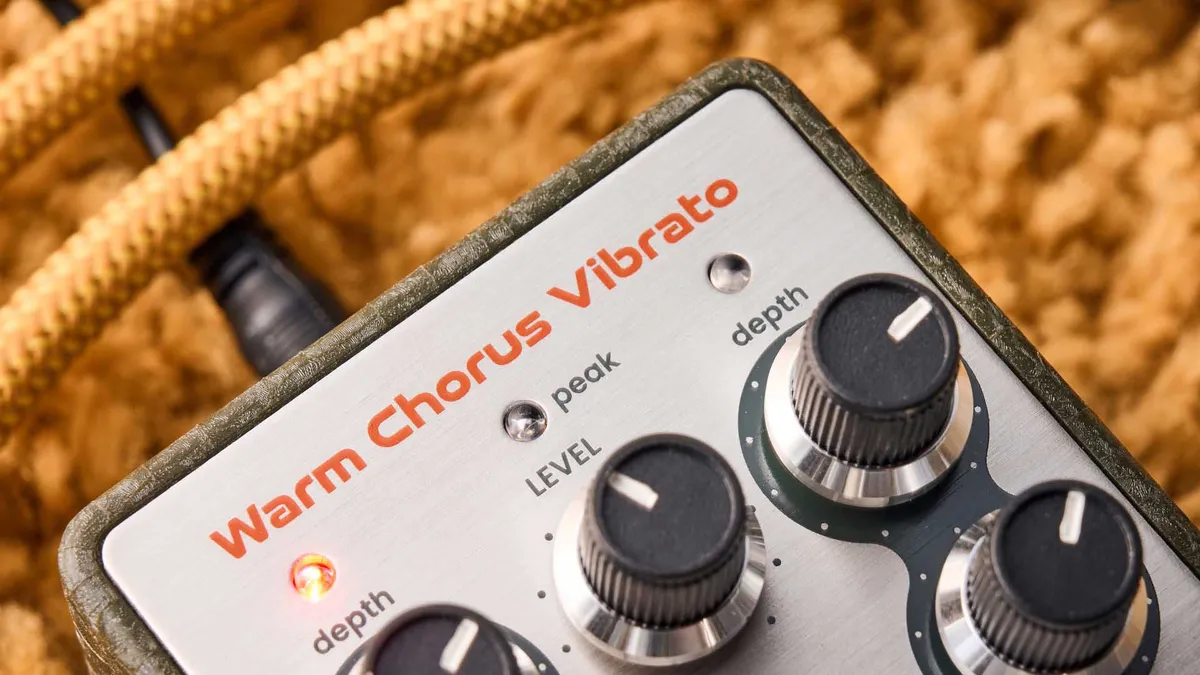
The footswitch feels equally solid with a smooth, positive click of its own and the top-mounted connections help keep everything neat and tidy.
Despite having quite a few controls packed into a smaller space, nothing feels cramped or awkwardly placed. Overall, it's a handsome, well built pedal that looks and feels ready to gig.
Usability and features

Usability and features rating: ★★★★½
The Hi-Z switch adds another dimension, particularly when using passive pickups
The controls are pretty straightforward once you get familiar with them. Chorus and Vibrato each have their own Depth and Rate knobs, so there's no need to readjust everything when switching between effects.
A quick tap of the footswitch turns the modulation on or off, while pressing and holding it switches between chorus and vibrato. It's a clever design that lets one footswitch do the work of two, rather than the separate footswitches found on the original WA-C1. It takes a little getting used to but becomes second nature with a little practice.
Then there's the preamp, and that's where things get interesting. The Level knob adjusts its output, while the High/Low sensitivity toggle on the front determines how hard your guitar's signal drives it. Low provides more headroom, while High pushes the preamp harder.
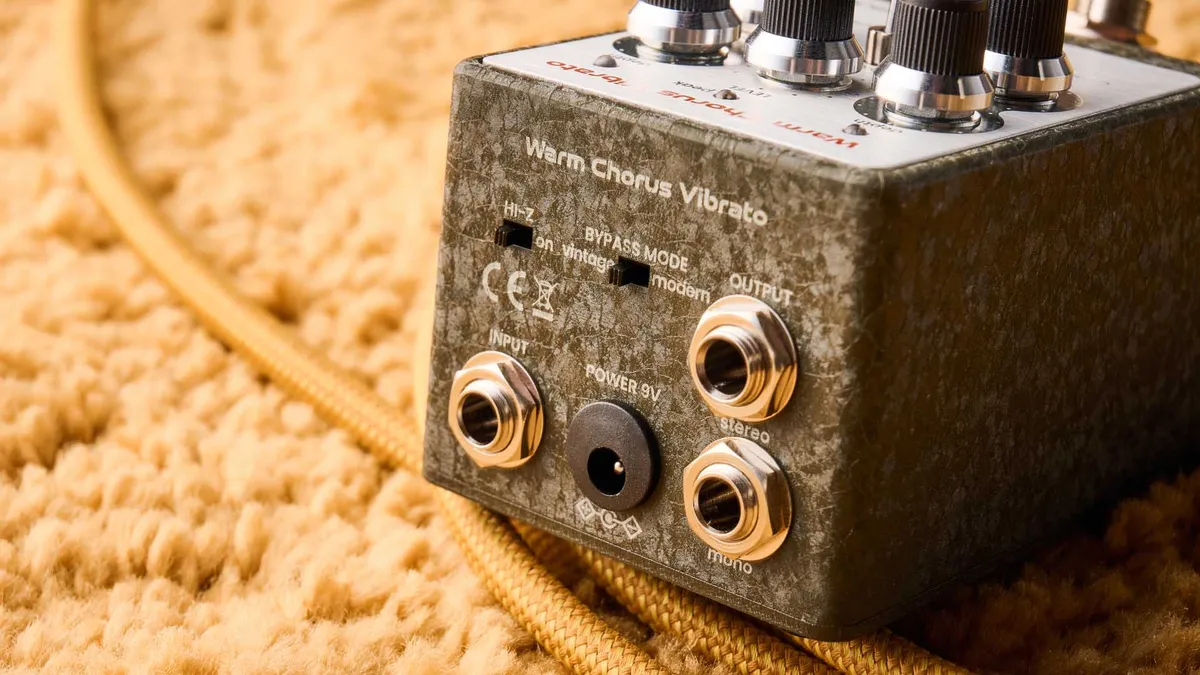
Around back, the Vintage/Modern switch gives you another option. Vintage keeps the preamp in the signal path even when the modulation is switched off, while Modern bypasses it when the effect is disengaged. It's a handy feature, especially if you want to use the preamp independently of the chorus or vibrato.
The rear Hi-Z switch is also worth checking out, particularly if you're using passive pickups like those in my Les Paul and Strat. It lets you choose between the original CE-1-style input impedance and a higher-impedance setting better suited to modern guitar setups.
There's a single input on one side of the pedal and two outputs on the other, allowing you to run it in mono or connect two amps for stereo operation. There's plenty to explore here, but none of it feels complicated once you spend a little time with the controls.
Sounds

Sounds rating: ★★★★½
With a Supro Blues King 12 dialed in for a clean to edge-of-breakup tone, I’m running both my Les Paul and Strat through the WA-C1 Mod to get a feel for its character. The first thing I want from a chorus is a little movement without losing the sound of the guitar underneath.
That's where the WA-C1 Mod makes a strong first impression. Setting the Chorus Rate and Depth fairly low produces a warm shimmer that gives open chords and picked passages a little extra width and color. It's great for when a song needs some atmosphere, but the guitar still has to sound like a guitar.
The Strat is a natural fit for the brighter, more chimey side of this effect. With clean arpeggios or lightly picked chords, a low chorus setting adds a lovely sense of movement without blurring every note. Bring the Depth up and the swirl becomes much more obvious, with that thick, liquid character people associate with the old CE-1.

At lower settings, it gives held notes a slightly dreamy, almost tape-like warble
The Les Paul, with the pickup selector in the middle position, brings a different flavor that's warm and round, with a little more body behind sustained chords. I like keeping the Rate slow but making the sweep deeper, so the effect breathes rather than speeds up.
Switch over to vibrato and the mood changes. Instead of making the guitar sound wider, the pitch starts to move. At lower settings, it gives held notes a slightly dreamy, almost tape-like warble.
Turn up the Rate and Depth and things get a little weird with a pulsing, rotary-style feel that's great for bluesy single note lines or funky rhythm parts. There's a lot more fun to be had here than using vibrato as an occasional special effect.
Then there's the preamp and that's where things get interesting. Switching to Vintage mode lets me hear what the preamp brings to the table, even with the modulation turned off. It adds a little extra warmth, punch and compression, giving the guitar a fuller, slightly more driven character. The High/Low sensitivity toggle on the front offers another way to shape the response.

With my Les Paul, switching to High gives the humbuckers a little more muscle, adding bite, grit and a thicker, more aggressive character. The Strat responds nicely too, with a little extra snap and spank that makes clean rhythm playing livelier. Switching back to the Low setting smooths things out, giving both guitars a cleaner, more open response.
While all these extra features are nice, it really comes down to the ultra-rich, warm analog chorus and vibrato that make this pedal so addictive
I like the extra character Vintage mode brings to the sound, but I also appreciate having Modern mode available, which lets me bypass the preamp when the effect is off and hear more of my guitar and amp's natural tone.
The Hi-Z switch adds another dimension, particularly when using passive pickups. Engaging it helps preserve the Strat's sparkle and the Les Paul's attack, while switching it off brings a softer, slightly darker character that's closer to the original CE-1's response.
It's another useful option for fine tuning how the pedal interacts with different guitars. And while all these extra features are nice, it really comes down to the ultra-rich, warm analog chorus and vibrato that make this pedal so addictive.
Verdict

Having the option to keep the preamp's vintage character or bypass it when the effect is off is another nice touch
The WA-C1 Mod brings those rich, old-school chorus and vibrato sounds into a smaller, more practical pedal with the utmost swagger. I love the depth and movement it adds whether using humbuckers or single coil pickups.
Having the option to keep the preamp's vintage character or bypass it when the effect is off is another nice touch and switching between chorus and vibrato with a single footswitch is pretty clever.
There are a few things worth pointing out though. The rear switches aren't the easiest to reach once everything is plugged in and the press-and-hold footswitch takes a little getting used to. You'll also need a 9V power supply capable of delivering 200mA.
But those are small complaints for a pedal that's so much fun to play. At $199, the WA-C1 Mod delivers the kind of lush, musical chorus and vibrato sounds that make you forget about tweaking knobs and just keep playing.
Guitar World verdict: There's a lot to love about the WA-C1 Mod, from its lush, swirling chorus to its rich, expressive vibrato. Add in the smaller enclosure and the ability to bypass the vintage preamp and you've got a terrific pedal that's loaded with character and a whole lot of fun to play.
Test |
Results |
Score |
|---|---|---|
Build quality |
Compact metal housing with well organized controls, although the rear switches can be hard to reach with everything plugged in. |
★★★★½ |
Usability and features |
Independent controls and a switchable preamp offer plenty of versatility, although switching effects with a long press takes a little practice. |
★★★★½ |
Sounds |
Lush, vintage flavored chorus and expressive vibrato, with a preamp that adds another useful layer of warmth and character. |
★★★★½ |
Overall |
Vintage-style chorus and vibrato sounds, a versatile preamp and a smaller footprint make this a welcome update to the original. |
★★★★½ |
Also try

Hands-on videos
Warm Audio

Jack Fossett Guitar
Music For Miles