


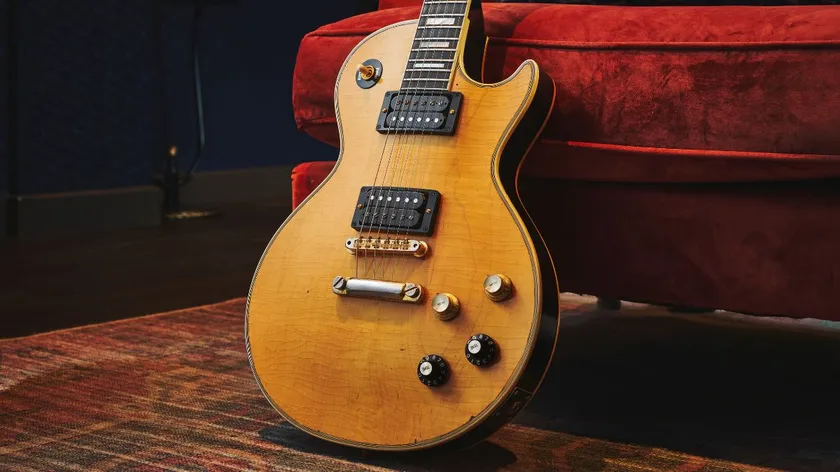


It used to be that $1,000 was the point when a guitar went from beginner to more professional territory, and for many guitarists it was a right of passage to purchase their first guitar at this price point. Unfortunately times have changed, so many of the classic guitars for this price point now cost more than this. Don't worry though if you're looking to buy, I've searched long and hard to bring you the very best electric guitars under $1,000 in 2026.
Nowadays, especially if you're willing to look beyond the big brands like Fender and Epiphone, you can get a lot of spec for your money below the $1,000 price point. I've seen guitars with locking tuners, stainless steel frets, coil split circuits, and compound radius fretboards, all for less than a grand. Of course, if you prefer things traditional, the old-school brands still offer some excellent instruments that are affordable for the vast majority of guitar players.
If you want the best overall though, I'd go for the PRS SE Custom 24. The dual humbuckers are the same found on more expensive USA-made models, and the coil split circuits mean you can cover a lot of sonic ground. If you want a bit of cash leftover from your $1,000, the Yamaha Revstar Standard RSS02T offers super value for money.
If you're buying your first guitar in this price range, then I've put together a how to choose section that leverages my 20+ years of playing experience to help you make the right decision. I've also put together a selection of the most commonly asked questions in a handy FAQ section for you, as well as curating a glossary of key terms to help you navigate the technical terms found in this guide.
Best overall

✅ Buy if you want a versatile guitar with bags of personality: The PRS SE Custom 24 has balanced tone and is comfortable to play
❌ Avoid if you want an axe with a more metal tone: If a singular shred machine is on your shopping list, go for the Ibanez RG550
Build quality rating: ★★★★★
Playability rating: ★★★★★
Sounds rating: ★★★★★
Overall: ★★★★★
Overview
PRS guitars has been responsible for some of the best budget instruments money can buy, and this iteration of the Custom 24 is no different. It's my favorite guitar for less than $1,000, providing awesome value for money and an unforgettable playing experience.
Build quality
The body is made from the tried-and-tested combination of mahogany and maple, which provides a balanced tone full of depth and personality. The PRS-designed hardware is super solid, and I found the tremolo smooth, making worries about playability and tuning stability a thing of the past.
Playability
As the name suggests, this SE has a 24-fret ‘Wide Thin’ maple neck that features PRS’ classic bird inlays. The 25” scale of the SE Custom 24 sits in between most other electric guitars, offering players an ultra-comfortable ride. It might take a bit of getting used to coming from a Fender or Epiphone guitar, but with a small adjustment, you'll find it's an incredibly playable neck profile.
Sounds
Coil splittable 85/15 “S” humbuckers are the SE equivalents of what you’ll find on USA models, and they definitely live up to the hype - capable of sweet clean tones and ridiculous gain, and everything in between. They're incredibly versatile pickups that will cover pretty much any style you can think of, all part and parcel of what makes this guitar such a good all-rounder in that Goldilocks zone of the sub $1,000 price point.

"Perfectly executed with an immaculate builds, the PRS SE Custom 24 is a testament to the good health of the SE project and offers a very serious guitar for the money. I love the 24 for its switching options and tone."
Read more: PRS SE Custom 24 review
Best value

✅ Buy if you want a bit more punch to your playing: The RSS02T sounds the business with midrange harmonics and a tight low-end.
❌ Avoid if you want a lighter guitar: The RSS02T gives you awesome audio, but it’s a hefty thing to play.
Build quality rating: ★★★★½
Playability rating: ★★★★½
Sounds rating: ★★★★★
Overall: ★★★★½
Overview
Yamaha's Revstar series is superb value for money, and for me, the RS502T offers superb value for money for any guitarist looking for an instrument below the $1,000 price point.
Build quality
A quick glance at the spec sheet for the RS502T suggests that the model is heavily influenced by Les Paul designs circa 1955, with a mahogany body and maple top, a set-in mahogany neck with a rosewood fingerboard, 24 3/4–inch scale and 22 frets plus a pair of P-90 inspired, single-coil pickups. As with most Yamaha gear, it's incredibly well put together.
Playability
The back of the neck features a silky smooth satin finish, which makes for an awesome playing experience. The neck feels pretty full in our hand and gets wider as you move further up for lead playing. The shoulders are full, but the back is flatter in feel, which makes it ideal for a variety of playing styles. If you're looking for a super-fast shred neck, however, this isn't the guitar for you.
Sounds
The VP5 single-coil pickups built by Yamaha Guitar Development (YGD) feature alnico V magnets, a German silver baseplate, plain enamel wire, and 8.3k ohms of output. It makes the RSS02T is ballsy and aggressive, like a good P-90-equipped guitar should be, with complex upper midrange harmonics and tight low-end spank, plus impressive resonance and sustain from the floating tailpiece. Engaging the Focus switch takes the pickups towards fat Strat territory but with more body and midrange punch.
Yamaha has made numerous refinements to the designs and also introduced a few impressive innovations. There are master volume and master tone controls, and the master tone control pulls up to engage Yamaha’s passive ‘Focus’ circuit, which boosts low and mid frequencies, giving you more of an overwound pickup sort of sound.
The RSS02T may not reinvent the wheel, but when you strap one on, it’s still going to take you for one hell of a ride.
"One of the sales slogans of the original Revstars was ‘Just Different Enough’, and that’s not been forgotten on these second-generation models. They’re not trying to be ‘better’ versions of a classic design. Instead, they are very much their own thing, underpinned by excellent build quality with a unique feature set."
Read more: Yamaha Revstar Standard RSS02T review
Best for shred

✅ Buy if you want a guitar to shred with: With its playable neck, Floyd Rose locking tremolo, and dual humbuckers, this guitar is perfect for shredding.
❌ Avoid if you want a more classic sound: If rock and metal aren't your thing, then this fast player isn’t an ideal choice.
Build quality rating: ★★★★☆
Playability rating: ★★★★☆
Sounds rating: ★★★★½
Overall: ★★★★☆
Overview
Music trends have changed since the eighties, but fleet-fingered guitarists have always remained, which is why players like Eddie Van Halen remain popular to this day. Being EVH's last attempt to design a guitar, it's no surprise to find the EVH Wolfgang Standard QM is perfect for fast playing. With many of the classic shred guitars from Ibanez, Schecter, and Charvel now above a grand, this is a great option if you've got less than that to spend.
Build quality
Combining a basswood body with a quilted maple top, the Wolfgang QM is available in a host of amazing-looking finishes, from classic amber and sunburst through to some more out there finishes that span the color spectrum. They're incredibly well put-together instruments, with the build quality making it feel like it costs a lot more than it actually does, and the light weight makes it easy to wield on stage or at home.
Playability
As you might expect from a guitar designed by one of the all-time great guitar players, the neck profile here is extremely comfortable. The neck profile is built for speed, giving you an ultra-fast playing platform from which to shred, sweep, and tap to your heart's content. The compound radius fretboard flattens as you get nearer the treble end of the neck, and it's great to see this feature on a guitar at this price point.
Sounds
The dual humbuckers definitely lean towards rock and metal styles, but they're still pretty versatile. When played clean or with crunch they performed really nicely, but they're definitely best utilized played with plenty of overdrive. They're mounted directly to the body of the guitar too, which is a design feature that helps subtly increase sustain.
Best vintage
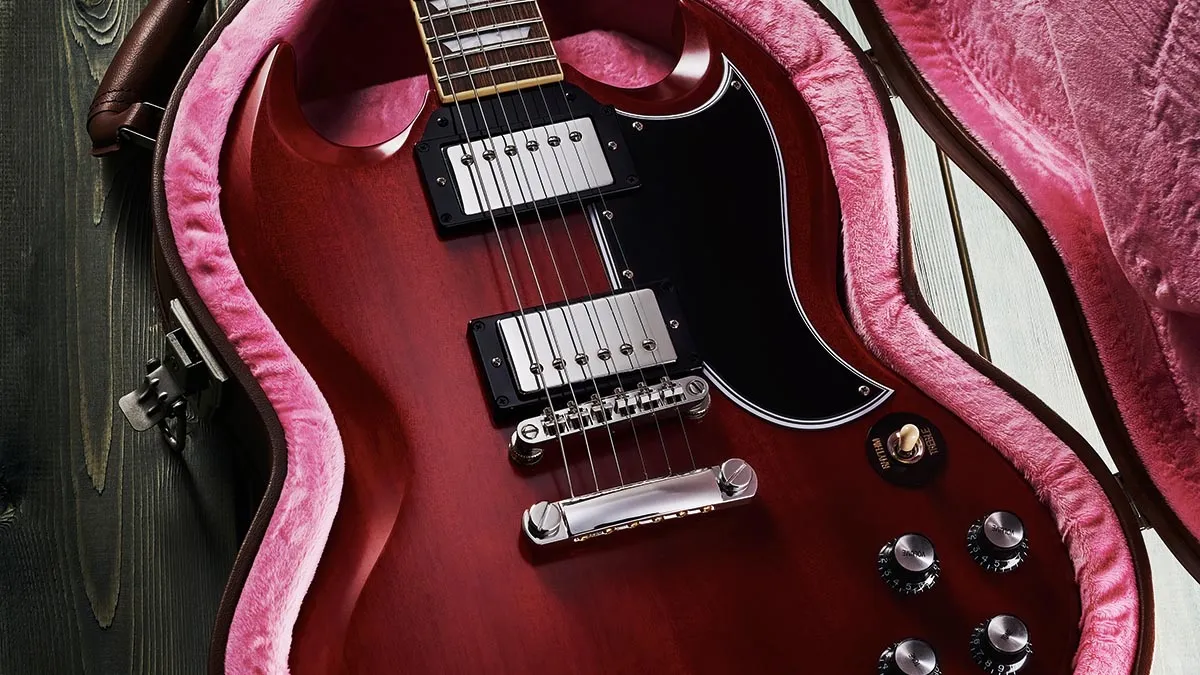
✅ Buy if you want that premium touch: The Epiphany ’61 marries great looks with top-notch sound.
❌ Avoid if you want some change from your purchase: The style and performance here comes with a cost which is at the higher end of the guitars in this list.
Build quality rating: ★★★★ ½
Playability rating: ★★★★ ½
Sounds rating: ★★★★ ½
Overall: ★★★★ ½
Overview
There’s no denying that the Epiphone 1961 Les Paul SG Standard sits at more of the premium end of Epiphone’s price range, but it’s completely kitted out with neat features, and it’s dripping with vintage mojo, making it ideal for players who want a vintage-style guitar without the price point.
Build quality
Our review model features a two-piece mahogany body and a one-piece mahogany set neck, a classic combo that has been on Gibson guitars for decades now. It's well put together and comes with an Indian laurel neck rather than rosewood, which is reserved for more expensive instruments. The laurel looks great though, with a nice dark color that could well be mistaken for something more expensive.
Playability
You’ll see Gibson SGs in the hands of everyone from jazz players to metalheads, and their playability is one of the reasons why. This model features a comfortable Slim Taper C neck profile and solid hardware, including a Graph Tech nut that keeps tuning stability and intonation in check no matter what you play on it.
Sounds
Made in collaboration with the Gibson Custom Shop, the Epiphone 1961 Les Paul SG Standard even features a pair of Gibson Burstbucker pickups that deliver dynamic, rich, complex tones. They cover a massive range of musical styles too – this SG can do it all; from twangy country licks to doom metal riffs. The SG is one of the most timeless designs, and here’s a great version of it for less than $1000.

"Another budget guitar from Epiphone that gives Custom Shop Gibsons a run for their money."
Read more: Epiphone 1961 Les Paul SG Standard review
Best modern

✅ Buy if you want a modern guitar: The Kaizen 6 was designed alongside Tosin Abasi to deliver the most forward-thinking guitar design possible.
❌ Avoid if you prefer a vintage look: This guitar looks decidedly more futuristic than a classic Strat, so look elsewhere if you prefer your guitars more traditional.
Build quality rating: ★★★★★
Playability rating: ★★★★ ½
Sounds rating: ★★★★ ½
Overall: ★★★★ ½
Overview
Looking like it came straight out of Cloud City on Bespin, the Sterling by Music Man Kaizen eschews tradition entirely, opting to put ergonomics at the forefront of everything. It certainly doesn't look anything like any of the other guitar on this list, and that extends well beyond its incredibly unique looks.
Build quality
The Kaizen 6 is incredibly well put together, with a lightweight Nyatoh body thats paired with a roasted maple neck. The rosewood fretboard is really nicely made, with zero sharp fret ends and an excellent finish across the neck. There were a couple of tiny finish flaws but nothing bad enough that I'd want to send it back.
Playability
Part of what makes this guitar so playable is the lightweight, ergonomically shaped body. When hung on a strap it feels like you're wearing nothing at all, nothing at all... It's incredibly fun to wield, and the contours of the body make it super comfortable whether playing standing or sitting. It's an incredibly well-balanced guitar overall.
The neck radius is very flat as you might imagine, which encourages rapid fire playing similar to that of the man himself. I found the vibrato to be really stable paired with the Steinberger gearless tuners, and it held its tune very well even when I leaned quite heavily on it.
Sounds
The dual ceramic humbuckers are really articulate, with a nice midrange bite that makes them well suited to the more aggressive sound I imagine guitarists will want to pair with this guitar. It's not just another metal guitar though, it does clean sounds really well too, holding up very well when paired with arpeggiated chords and a healthy dose of reverb and delay.
Best versatility

✅ Buy if you want a robust gigging Fender: It’s well made and is extremely comfortable to play and worth a look if you’re after a Fender
❌ Avoid if you want something a little more contemporary: Fenders and their traditional looks aren’t for everyone, so if you’re not a Fender fan, this won’t convert you.
Build quality rating: ★★★★★
Playability rating: ★★★★½
Sounds rating: ★★★★★
Overall: ★★★★½
Overview
Fender upped the ante of their Player Series guitars with the introduction of the Player II series. Boasting improved hardware, slab rosewood fingerboards, and more, these represent great value for money and a solid choice for amateurs and pros alike. The Player II series lean towards vintage specs, but this guitar feels more modern due to the humbucker in the bridge position.
Build quality
It’s all put together in a well-made instrument that’s going to perform night after night, hold its tuning well, and feel comfortable in your hands. We did come across some small finish flaws in the models we tested, but nothing that would worry us when it comes to the long-term viability of the instruments.
Playability
The neck feel of Fender's Modern 'C' profile is simply sublime. It gives a great all-around feel, whether you want to play slow blues bends, hard riffs, or just strum open chords. The medium jumbo frets offer a similar middle ground, making the guitar feel very playable without leaning too far towards modern or vintage styles.
Sounds
The HSS Strat really is a do-it-all guitar. You’ve got the chunk and heft of the humbucker in the bridge position that can take care of all of your rock and metal needs, but you’ve still got the chime, quack, and warmth of the middle and neck single coils. If you’re looking for a good quality, versatile guitar but don’t quite know where to start, this really is the perfect place.
Also consider
How to choose

If you're looking to buy a guitar for less than $1,000, it can be very difficult to decide what to go for. There are a lot of guitars in this price range, and for me, $1,000 is the sweet spot where you can get a guitar that will be a proper workhorse instrument for gigging and recording. I've been playing guitar for over 20 years now, so here's what I suggest you consider before you buy an instrument in this price range.
1. Neck profile
You can trust Guitar World Our expert reviewers spend hours testing and comparing guitar products so you can choose the best for you. Find out more about how we test.
Neck profile is, for me, the most important thing when it comes to bonding with a guitar. The neck is where all the action happens, where you coax the sound out of the instrument, so if this doesn't feel right, you'll never get along. At this price point, you'll tend to find that more work goes into the neck shape and fretwork, which typically leads to a better playing experience.
If you already own a guitar that you're comfortable with, then getting something with a similar profile is a good idea. You don't want to push the boat out and end up with something you don't gel with, so sticking with what you know is a good shout if you want to ensure you gel with your new guitar.
2. Brand loyalty
If you're willing to look beyond big brands like Fender and Epiphone, there's a hell of a lot of guitar out there at this price point. Brands like Yamaha, Schecter, Charvel, Sterling by Music Man, Sire, and many more are available these days and typically, you'll get a lot more for your money buying from one of these brands.
That said, guitars from Fender and Epiphone tend to hold onto their value and will be easier to resell later down the line. If you think you're likely to want to sell your instrument at some point, then stick with the bigger brands.
3. Hardware
At this price point you'll start to unlock better hardware, with things like locking tremolos and locking tuners becoming available on guitars. The main consideration here is whether or not you want to go for a guitar with a vibrato or a hardtail instrument.
Instruments with vibratos allow for more expressive playing, but come at the cost of reduced tuning stability. A hardtail guitar is less flexible in terms of playability, but will put up much better with bending and aggressive playing.
4. Pickups
The pickup configuration of any guitar can really determine what sounds it's capable of. This really comes down to personal preference, as only you will know what pickups you like the sound of. Again, you might want to stick with what you know here, so if your current guitar has single coils and you enjoy the sounds you get, you'll be better off sticking with those when you upgrade rather than taking a punt on something different.
FAQ
Should I buy a new guitar under $1,000 or get something higher end used?
There's no denying you can get a lot more for your money if you shop used. You could probably find a USA-made guitar for below the $1,000 if you're lucky, but you need to be careful buying an instrument off someone you don't know. You've got no idea how well it's been looked after, or whether they're trying to have you on with a guitar that's actually a partscaster.
If you must buy used, then I would suggest you only buy a guitar once you've tried it in person. You wouldn't buy a used car without driving it first and giving it a good once-over, so treat your guitars in the same manner, particularly if you're forking out $1,000 for one.
What’s the difference between import and USA-made instruments?
It used to be that USA-made instruments were far superior to those from factories in the Far East, but that's all changed in the last ten years. You can quite easily get an import the guitar that's the match of a USA-made instrument nowadays, but instead of focusing on where the guitar is from, I'd focus on the QC reputation of the brand. Searching online will quickly bring up if a manufacturer has a variable quality control, and these days you can absolutely get a dud from brands that make their guitars in the USA.
What specs should I expect at this price point?
It depends a lot on the brand, but expect to find stainless steel frets, locking tuners, locking tremolos, compound radius fretboards, maple tops, and much more when buying a guitar at this price range. Generally speaking you'll get more for your money buying from one of the less traditional brands like Fender and Epiphone, so have a look at Yamaha, EVH, Sterling by Music Man, and PRS SE guitars if you want your money to go further.
Can I mod a cheaper guitar to get it to sound like a $1,000 guitar?
You could theoretically get a cheaper instrument and put some expensive pickups in it, pay for a good setup, and for a thousand pounds you could have yourself quite a nice guitar. It's a fair bit of work, and the resale value won't be anywhere near the money you put into it, but if you want something very specific from your instrument, this can be a great way to get a guitar that's custom spec'd to your needs without spending loads.
Will a $1,000 guitar hold its value?
It depends on the brand. For guitars under $1,000, don't expect to recoup the full amount if you decide to sell it on a few years later. How much it might depreciate really depends on a variety of factors, but typically guitars from bigger brands like Fender and Epiphone will hold their value better than those from lesser known brands.
Key terms
- Action: The distance between the strings and the fretboard.
- Active pickups: A type of pickup that requires additional power in the form of a 9V battery, which means they have a higher output than traditional, passive pickups.
- Alnico: An acronym for Aluminium, Nickel, and Cobalt, which are the types of magnets used in pickup manufacturing.
- Body contours: Carves in the guitar body designed to make it more comfortable to play.
- Coil-split/coil-tap: A type of circuit that allows you to split a humbucker down to a single coil for more tones.
- Fretboard (fingerboard): The piece of wood on the front of the neck that houses the frets.
- Gain: Technically, the amount of input signal applied to a sound, but often used by guitarists to describe varying amounts of distortion.
- Humbucker: A pickup that has two single coils together to provide a fatter sound and get rid of hum.
- P-90: A type of pickup that sonically sits between a single coil and a humbucker.
- Push-pull knob: A type of knob you can push down or pull up to engage additional circuits or features.
- Scale length: The distance between the bridge and nut, which determines various factors like the space between the frets and the amount of string tension a guitar has.
- Semi-hollow: A type of guitar body with a partially hollow portion for extra resonance.
- Single-coil: A type of pickup with one coil, known for a brighter, thinner guitar tone.
- Tremolo: A type of bridge pioneered by Fender that allows you to bend the strings with a metal bar.
- Workhorse: A colloquialism for a guitar that's very durable, versatile, and good for gigging.
How we test
At Guitar World, our team of experts has extensive experience playing and testing various guitar products, including a wide range of electric guitars that can be purchased for under $1,000. As passionate guitar enthusiasts, we understand the importance of achieving the right sound and tone, and we leverage our expertise gained from using these products in live performances, recording sessions, and rehearsals to identify the best products for our guides.
To compile this list of electric guitars, we use a combination of practical experience, user feedback, and in-depth discussions with our editorial team to reach a consensus. We take into account factors such as pricing, playability, sound quality, versatility, and build quality to ensure that we showcase the very best guitars available on the market for under $1,000.
As guitar players ourselves, we appreciate the value of having the right equipment to create the perfect sound. Therefore, we are committed to providing reliable and knowledgeable recommendations to help guitar players find the ideal electric guitar to suit their specific needs and preferences. Our ultimate aim is to assist guitar players in unlocking their full potential by elevating their sound with the best guitar gear out there.
Read more about how we test products and services and how we make our recommendations.
Why you can trust Guitar World
☑️ A global audience of 3.8 million guitarists monthly
☑️ Over 40,000 reviews on GuitarWorld.com
☑️ 30+ years of product testing at Guitar World
Guitar World has more than 44 years of expertise and stands as the authority on all things guitar-related. The Guitar World website and magazine feature gear round-ups and top-quality, authoritative reviews penned by a team of highly experienced industry professionals.
Guitar World's inaugural print issue hit the shelves in July 1980, and ever since, it has been captivating players and enthusiasts with engaging lessons, insightful interviews with the biggest guitar heroes, and priceless buying advice for newbie players.
The website continues this legacy online and serves as the hub of the world's foremost authorities on guitar playing. The site not only hosts content from Guitar World but also showcases articles from respected publications such as Guitarist, Total Guitar, Guitar Techniques, and Bass Player.
With a reach extending to 3.8 million players each month, GuitarWorld.com is a go-to destination for guitar fanatics globally.
Meet the experts

Matt is a Junior Deals Writer here at Guitar World. He regularly tests and reviews music gear with a focus on guitars, amps, pedals, modelers, and pretty much anything else guitar-related. Responsible for over 60 buying guides, a large part of his role is helping guitarists find the best deals on gear. Matt worked in music retail for 5 years at Dawsons Music and Northwest Guitars and has written for various music sites, including MusicRadar, Guitar Player, Guitar.com, Ultimate Guitar, and Thomann’s t.blog.

After spending a decade in music retail, Richard is now a freelance writer for MusicRadar, Guitar Player, Guitar World and Reverb, specialising in electric and acoustic guitars, bass, and almost anything else you can make a tune with. When his head’s not buried in the best of modern and vintage gear, Richard runs a small company helping musicians with songwriting, production and performance, and plays bass in an alt-rock band. Otherwise, you'll probably find him out walking the dog!
Latest updates
16/03/26: The guide has been given a top-to-bottom rewrite, with products costing over $1,000 removed and new ones added in their place. Two new products have made the top spots with the EVH Wolfgang and the Kaizen 6. The How to choose section has been completely rewritten, as well as the FAQs section, and a new 'key terms' section has been added to help readers understand technical terms.
20/03/25: The guide has received four new products: Epiphone ’61 SG, Yamaha RSS02T, Guild Polara Deluxe, and the Fender Player II HSS Strat. The FAQ section has been expanded. All 8 guitars are also featured in a new Quick Links section at the top of the guide for ease of navigation. A section detailing why you can trust the Guitar World team has been added, and there's also now a "meet our experts" section.
