


You can find suspended (sus) chords in guitar music of all genres. They’re lush, ambiguous, and harmonically enticing. Used by many top players, they build movement, mystery, and color into rhythm parts, arpeggio passages and lead lines.
However, despite their pleasant sound and countless uses, sus chords often escape the understanding of guitarists. If you’ve seen sus chords show up in songs you’ve learned but aren't sure where they come from or how to use them together, this article is for you.
So, what is a sus chord? In simple terms, a suspended chord replaces the tonality defining third of a major or minor chord with either the second (sus2) or the fourth (sus4) scale degree.
For example, a regular C major chord includes the notes C – E – G. Replace the E with a D and you get Csus2 (C - D - G). Replace it with an F, and you’ve got Csus4 (C - F - G). The result is an unresolved consonant chord.
This is a unique quality. Most unresolved harmony is dissonant, using notes from outside the musical key or unstable intervals like the tritone or altered 2nd. Sus chords are in a class of their own. When the typical third is gone, the harmonic character of the chord floats in suspense. That’s where the name comes from: a note is “suspended” before typically resolving back to its home base.
In classical music, one voice would often hold a note over into the next chord for smoother voice leading, creating tension until it resolved to the third. For example, when moving from a G to a C chord, one singer might hang onto the G chord's D note while the rest of the chorus transitions to the notes in the C chord.
The singer holding the D note is suspending the resolution from G to C, creating a brief Csus2 chord in the process. It may seem a small thing but it greatly enriches the music.
In modern playing and songwriting, sus chords aren’t always resolved. In fact, many artists have built entire progressions from sus chords without ever involving the third. This creates an emotional tone that's open to interpretation – perfect for pop, new wave, ambient, and alt rock.
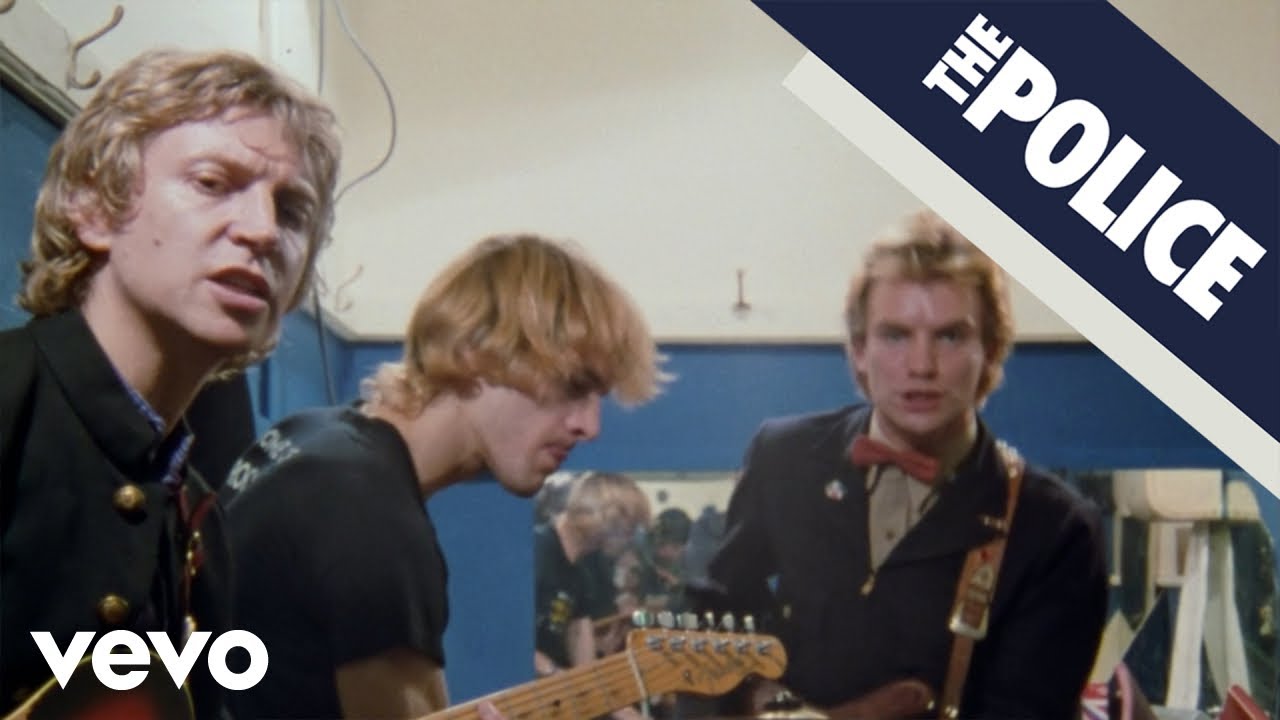
Two great sus2 loaded songs are The Police's Message In The Bottle and Edie Brickell and New Bohemians' What I Am. The use of the sus2 chords in each song does create a notion of a home key (C# minor and B minor, respectively) but not from any one single chord.
This article explores nine essential sus chord applications: open chords, barre shapes, sus2 and sus4 contexts, and even 7sus combinations. Each example is accompanied by slow and at-tempo playthroughs, tab, and backing tracks so you can absorb and apply the sound of suspended harmony in your own music.
Whether you’re into jangly rhythms or ambient layering, sus chords are your path to adding sophistication without complication.
Open position sus4 chords (Esus4, Asus4, Dsus4)
Let’s get started with the bread-and-butter sus4 shapes. Below are the common open sus4 chords in the open position: Esus4, Asus4, Dsus4, Csus4, and Gsus4.
They’re very popular and immediately recognizable. You might actually already know a few of these. The open Dsus4 (third chord along) is a particular go-to: check out classic tracks like Free Fallin’, Hide Your Love Away and Crazy Little Thing Called Love.


Barre shape sus4 chords (Gsus4, Csus4)
Sus chords can also be played as barre chords all over the fretboard. Typically, you can use the E and A shapes from the CAGED system: the sus4 shape with the root on the fifth string is a favorite of players like Eddie Van Halen and Keith Richards.
However, the sus4 shape with the root on the low sixth string can be impractical. It uses all your fretting hand fingers so doesn’t allow for fast resolution to a major or minor and doesn't allow for melodic embellishments.
Instead, it's common to use the thumb to fret the sixth string and avoid the fifth string: Pete Townshend did this on the strummed intro for The Who's Pinball Wizard. Or, avoid both the bottom two strings and simply play the chord with the root on the fourth string, D. This provides a clean sus4 chord shape that can easily resolve back to the major triad.

Example 1. Sus4 chords in a musical context (5:36 in the video)
Here, you can combine sus4 chords into an exciting progression. This demonstrates how suspensions can build tension and delay resolution, making a simple progression feel emotionally dynamic.
First, you'll play Gsus4 to G with the root on the fourth string. The second bar outlines a Csus4 chord with a legato embellishment, before shifting down by a whole step for a Bbsus4 chord in a bar of 2/4. This chord is borrowed from another key, but the transition flows well, thanks to the suspension, as the melody descends chromatically from E, to Eb, to D.
Finally, a classic Dsus4 to D move followed by resolution to the tonic chord G. The final chord plays Gsus4 for a half beat before resolving the G chord using a quick pull-off, bringing the progression home and demonstrating another cool way we can use suspensions in passing.

Open position sus2 chords (Esus2, Asus2, Csus2, Dsus2)
Next, here are some open sus2 shapes. These chords have a shimmering, open quality, due to the distance between the 2nd and 5th intervals. These voicings are rampant throughout every decade of pop music, from songs like the Beatles’ Ticket to Ride and Every Breath You Take by the Police.
Again, you're covering the chords in the CAGED system, with the F thrown in as well. The open third string allows for a hybrid open/closed position Fsus2 chord beginning on the 3rd fret.


Barre shape sus2 chords (Csus2, Fsus2)
Barre sus2 chords are a bit trickier but incredibly useful. These include a five-string barre for the A shape chords. You’ll need to properly barre with the first finger across five strings, which can be a bit tough starting out. If you need some pointers, check out my 10 Guitar Tips article, which covers useful barre chord hacks.

Example 2 – Sus2 chords in a musical context (8:37 in the video)
Now you can explore a longer example with sus2 chords. What differences do you hear in the tonality of the sus4 progression versus the sus2 progression? This example includes the first sus to minor third resolution, as the F# in the Esus2 chord resolves to the minor third (G) in bar 3.
Sus2 chords can sound better resolving to minor chords than sus4 chords, which typically sound best resolving to the major third.
You’ll also notice the final two chords, Csus2 and Gsus2 never resolve to their respective thirds. This demonstrates the parallel suspension concept we discussed earlier, where the suspension is carried from chord to chord without ever resolving to a clear major or minor tonality.

Adding 7ths to sus chords
Finally, you can add a b7 flavour to both sus chord varieties to unlock new tonal colors. As the b7 is harmonically versatile (it's used in both dom7 and m7 chords) it pairs beautifully with the equally ambiguous suspended tones of the 2nd or 4th.
Just like sus2 and sus4 triads resolving to a major/minor triad built on the same root note, 7sus chords (eg G7sus4) can resolve to the standard dominant 7th chord built on the same root note.
You can turn any of the sus chords you’ve worked on here into 7sus chords: below are seven chords to start you off.


Example 3 – Putting it all together (11:32 in the video)
This final piece is a combination of everything you’ve covered; sus2, sus4, and 7sus chords, all in a nine-bar mini piece that is designed for practicing transitions and chord changes in a musical way.
You start with funky strumming, using dead notes and sus4 chords on A and G, and then transition to a Beatles-esque 7sus picking section. Notice how some of the notes in the arpeggio carry into the first beat of the next bar. This is a cool trick the Beatles often used during the Revolver era to add to their psychedelic sound.
Bar 6 demonstrates how you can pivot around sus2 and sus4 voicings at the same time, enclosing the major third of the D7 chord by dancing around it with both suspensions.
Start adding these chords into your practice routine, songwriting, and riffing. Consistency will help integrate them into your vocabulary and enrich your tonal palette for the long haul. Enjoy!


