


“The desert is where mirage and myth are created, and so is Hollywood,” Eagles founding member Don Henley tells Guitar World. “We are just as susceptible, now, to illusion as the pioneers were – if not more so.”
That mirage, myth and illusion was immortalized on Hotel California, the Eagles’ big American dream-come-true. “Hotel California was obviously our creative peak,” Henley says. “Every band, every artist, has one.” Released 50 years ago – on December 8, 1976 – it’s not only their personal best, but the third-best-selling album of all time, at 32 million copies and counting (the Eagles’ Their Greatest Hits (1971–1975) is Number 1).
The epic title track inspired a thematic album about the toll of dreams, touching on fame (New Kid in Town), the high life (Life in the Fast Lane), relationships (Victim of Love) and westward expansion (The Last Resort). The message throughout was that dreams often look different up close and have a way of vanishing in thin air.
“We were always keenly aware of the transitory nature of fame and fortune,” Henley says. “The entire Desperado album was basically about that. We had witnessed all the wreckage alongside the Yellow Brick Road. Pop culture, for lack of a better term – and which might be an oxymoron – is all about the new.
“You grind away for seven or eight or 10 years, and suddenly, boom, you’re on the radio; your face stares out from a billboard on Sunset Boulevard. Then your sophomore album flops, your record label drops you, and you’re right back to square one – ‘Please drive through.’”
While square one wasn’t part of the Eagles story, chasing the new was. And the turmoil and pressure to keep outdoing themselves led to substance-fueled power struggles that turned once-close friends into rivals and led to a breakup three years after Hotel California. As Glenn Frey once said, “We made it, and it ate us.”

Significantly, the mythic desert passage is one that all five band members on the album had made respectively in the late ’60s and early ’70s. It was a more innocent time, as they relocated from the South and Midwest with hopes of being part of the burgeoning hippie country scene in and around Laurel Canyon and nightclubs like the Troubadour.
Opening for Jethro Tull and Yes was odd because it was such a mismatch, musically, but it did have the effect of toughening us up
Don Henley
The spot where everyone from Kris Kristofferson to Carole King made their debut is where Henley first joined Glenn Frey for a beer, starting a friendship and the creative nucleus for the Eagles. Back then, the two would ride around L.A. in Frey’s ’55 Chevy, nicknamed Gladys, “plotting and planning.”
It took a while for things to take shape. Both were already in groups signed to the same indie label. Henley’s Shiloh made one album, produced by Kenny Rogers. Frey’s Longbranch Pennywhistle (with J.D. Souther, a key collaborator on Hotel California) did one that included Wrecking Crew cats James Burton and Larry Knechtel. Neither record troubled the charts.
The duo joined Linda Ronstadt’s touring band in 1971, which soon added bassist Randy Meisner of Ricky Nelson’s Stone Canyon Band and guitarist Bernie Leadon of the Flying Burrito Brothers. The proto-Eagles quartet played together only once, during Ronstadt’s engagement at Disneyland, on the Coca-Cola Terrace in Tomorrowland. It was a prophetic spot for the birth of a band that would become as ubiquitous – and successful – as America’s favorite soda.

Within two months, thanks to help from Jackson Browne, they’d signed to David Geffen’s Asylum Records. Their first two albums – Eagles and Desperado – produced by Glyn Johns, were released in 1972-73, inside 10 months. And thanks to Take It Easy and Peaceful Easy Feeling, the group quickly climbed to the top of the country-rock heap. But they craved a bigger heap, especially when they found themselves on the bill with arena rock acts.
“Opening for Jethro Tull and Yes was odd because it was such a mismatch, musically, but it did have the effect of toughening us up,” Henley says.
“But our main problem was that we didn’t have a repertoire. We had released only one album, and Take It Easy was our only hit song at that point. But somehow we survived. Glenn was right saying so-called country rock had its limitations in terms of commerciality, but I think we defied those limitations as we expanded our stylistic perimeters to include more different veins of music. Ronstadt did that, too.”
In the studio, the toughening up got a boost from a new producer. “My first thought was, ‘I don’t want to do a cowboy band!’” Hotel California producer Bill Szymczyk tells Guitar World.
“But they wanted to rock. They’d started their third album with Glyn, who was one of my heroes. But they weren’t happy. Glyn was a taskmaster and had rules about no drink or drugs in the studio. Meanwhile, the guys had heard The Smoker You Drink, The Player You Get, which I did with Joe Walsh [in 1973], and said, ‘Who produced this?’”

“Bill was – and is – a lover of rock ’n’ roll, blues and funk music,” Henley says. “He had produced Edgar Winter and B.B. King, among others. After a long day of grinding away on our own material, Bill would put an Ohio Players or a Parliament album up on the big playback speakers in the studio, and we’d kick back and listen. It was fun. The great thing about Bill was that he was willing to let us follow our own instincts, which, at that time, were leaning more toward rock and R&B.”
Szymczyk called Johns to get permission to take over the album. “The answer was, ‘Better you than me, mate!’” A week later, they cut Already Gone, a rousing rocker that gave Frey a chance to bust loose with some razor-tooth lead guitar. Suddenly, the band was getting the edge they wanted.
“It was the beginning of a great marriage,” Szymczyk says, “with each album doing better than the one before, and then Hotel California, which was the high point of their career – and mine.”
![Eagles - Lyin' Eyes (Live 1977) (Official Video) [4K] - YouTube](https://img.youtube.com/vi/PqccEpqvwPY/maxresdefault.jpg)
For 1974’s On the Border, they added hotshot guitarist Don Felder, who’d been touring with David Blue and Crosby & Nash. Bernie Leadon, who’d played with Felder in high school bands, said, “Felder was a really great guitar player, but when he joined, I could see the writing on the wall for me. I thought, if I’m going to leave, better that a friend of mine gets the gig.”
Leadon stayed for 1975’s One of These Nights, which further upped the ante on extended solos (the title track and the underrated Visions were both six-string showcases). “We were balls to the wall on that album,” Szymczyk says. “They wanted to rock, and we proceeded to damn-sure rock.”
With each album came more fame, more pressure to outdo themselves and more substances. In the mid-’70s rock world, cocaine was the drug of choice. “It was a writing tool, but one that brought out the worst in everyone,” Frey once said. But even without drugs in the mix, there was always creative friction between Henley and Frey.

“It was the Lennon and McCartney thing,” Szymczyk says. “Don writes this way, Glenn writes that way, but together they write better than they do separately. There was always a lot of competition. Frey was competitive in everything! Darts, shooting pool, you name it. He wanted to win. Henley wasn’t as up front about it, but he knew very well what he had, talent-wise. We called him Golden Throat.”
Since the days of cruising around in Gladys, there was one thing the two leaders did agree on; they wanted their band to be the biggest on the planet. And that meant pushing the rock sound to the limit. As Leadon predicted, that put him in their crosshairs. The guitarist had played lead on Take It Easy and Tequila Sunrise. He’d co-written Witchy Woman. His background with the Flying Burrito Brothers had imbued the Eagles with country-rock cred.
For all that, his relationship with them was never easy. Exhaustive touring (he’d already logged five years of roadwork before he joined) and the drug use (he’d kicked those habits) only deepened his discontent. “None of it sat well with Bernie,” Szymczyk says. “The further we went into rock, the less he liked it.”
He remembers asking the guitarist what he thought of a take of One of These Nights with Leadon replying, “I think I’m going to go surfing.” Things came to a head one night in 1975, backstage at the Orange Bowl. As Frey was rallying the band, Leadon poured a beer over Frey’s head and walked out.

Enter Joe Walsh. Late of the James Gang, Walsh was three albums into a successful solo career in 1975. He was already friendly with the Eagles from crossing paths on the road. When they approached him, his response was, “Being part of a group would take a whole lot of weight off my shoulders.”
But it’s easy to forget what a mismatch it seemed. Walsh recalled in The Guitar Greats, “I think 80 percent of people said, ‘That’s stupid – there’s no way it’s going to work.’”
Not only did it work, it changed the band’s energy level. “For starters, things got louder,” Henley says. “Joe, being a bona fide rock ’n’ roll guitar slinger, was the perfect foil for Don Felder. They propelled one another in a friendly-but-competitive sort of way. We had upped our horsepower. This is not to take anything away from Bernie, who was – and still is – a highly skilled musician.”
“As we got into Hotel California, it was like, ‘This is a match made in heaven,’” Szymczyk says. “The friction with Bernie was gone, and it was replaced with somebody that could just blister with a forceful edge.”
![Eagles - One of These Nights (Live 1977) (Official Video) [4K] - YouTube](https://img.youtube.com/vi/Tszq-LVyuN8/maxresdefault.jpg)
Speaking of forceful edge, in Walsh, the Eagles now also had a resident bad boy and gleeful wrecker of hotel rooms. His instrument of choice was a chainsaw. Dressers, chairs, tables got sliced, diced and tossed from windows.
“Keith Moon and Joe were good buddies, and that, of course, led to some mischief,” Henley says. “It was amusing for a little while, but it eventually became a very expensive hobby, and we were beginning to get barred from some of the hotels we liked to stay in. So, after a while, the chainsaws got locked away in storage and other kinds of dramas replaced the ‘remodeling’ of rooms and hallways.”
He adds, “But, at least Joe got a hit song out of it,” referencing 1978’s Life’s Been Good.
In 1976, the Eagles played 68 shows worldwide, from Tucson to Tokyo. For most bands, that would not be a year to make a new album. But the Eagles did, grabbing studio time whenever and wherever they could.
![Eagles - Take It To The Limit (Live 1977) (Official Video) [4K] - YouTube](https://img.youtube.com/vi/MxQXKO194XM/maxresdefault.jpg)
“The demands of touring definitely made it more difficult for us to stay in a creative space, particularly in terms of songwriting,” Henley says. “But, because we were young – and driven – we managed to learn how to juggle. Did the work suffer? Probably, but we did the best we could, given the circumstances we were in. It’s a demanding job, feeding the machine. The machine is always hungry.
Record companies had come to expect an album or two every year. But the Beatles had been able to stop touring and focus solely on recording. Touring was a necessity for us so that we could pay for rent and gas
Don Henley
“But momentum is important,” he continues. “Once you’re on a hot streak, it’s wise to try to maintain it. Otherwise, you get forgotten or replaced pretty quickly. Back in the ’60s, the Beatles had set an impossibly high bar, both in terms of quality and quantity. So record companies had come to expect an album or two every year. But the Beatles had been able to stop touring and focus solely on recording. Touring was a necessity for us so that we could pay for rent and gas.”
The first sessions for Hotel California were in March at Studio C, the coveted big room at the Record Plant in Los Angeles, with Szymczyk back behind the board. “We’d do two or three weeks, then the band would go back on the road,” he says, recalling they had only one finished song – Meisner’s Try and Love Again. Beyond that, just a “handful of fragments, licks and phrases.”
As Walsh said in Buzz Me In, “We took all of that, put it on a table and said, ‘Okay, let’s pretend this is a jigsaw puzzle,’ and we started piecing things together.”
The jigsaw puzzles could be complex. On the surface, the album’s first single, New Kid in Town, is a soft-rock sigh. But structurally and harmonically, it’s one of the most-involved Eagles songs. Henley says, “That one was mostly J.D., with some essential input from Glenn in terms of words, melody and arrangement, and a few lyrical contributions from me. It’s a great piece of work.”

Modulations, shifting choruses, meticulous ornamentation from Felder on electric and Meisner on the guitarrón Mexicano, wrapped in a harmony cascade that earned a Grammy for Best Vocal Arrangement (“It had parts out the wazoo,” Szymczyk says). How did those beautifully complex arrangements get written?
“Well, nobody ‘wrote’ anything; it wasn’t that formal,” Henley says. “We did everything intuitively, including vocal harmony arrangements. First, we’d decide who was going to sing the lead vocal and then assign harmony parts around that, depending on the key of the song and where the melody sat within the chord progression.”
In the studio, they worked from “2 to 2, with a dinner break at 7,” usually at Dan Tana’s, a favorite red-boothed old Hollywood eatery, next door to the Troubadour. Though friends dropped by the studio, mostly it was the band and Szymczyk, who they nicknamed “Coach.”
“They said I was the Don Shula of rock ’n’ roll,” he says, referencing the Miami Dolphins’ legendary honcho (who was at the helm for their perfect 1972 season). “I was a player’s coach more than Shula,” says Szymczyk with a laugh.
He kept a keen eye and ear on the sessions and was a wizard with a tape-editing razor. And on Hotel California, he had to lay down what he called “the six o’clock rule” to make sure recreational activities didn’t derail progress, including his own.
Everything was getting a little out of hand by three in the afternoon, so I was like, ‘Okay, enough of that. No beer, no blow, no reefer, no nothing until six’
Bill Szymczyk
“Everything was getting a little out of hand by three in the afternoon, so I was like, ‘Okay, enough of that. No beer, no blow, no reefer, no nothing until six.”
That worked for a few weeks; then the grumbling started. Szymczyk says, “I’d be changing reels in the control room, and I’d hear them muttering, ‘Is it six yet?’ followed by ‘It had better be.’”
On the initial pressings of the album, “It is six o’clock yet?” was etched into the runout groove of Side A.
On Side B, the etched phrase was, “VOL is five-piece live.”
“That’s because we were proud that we got that song, Victim of Love, in one take without any edits,” Szymczyk says. The rocker began with a Don Felder guitar instrumental that he passed to Henley and Frey. They brought in J.D. Souther again, who came up with the concept – that having a broken heart is like being a victim of a car crash. In that scenario, all three were frequent car crashers, burning through relationships. “Dudes on a rampage” was how Henley described it.
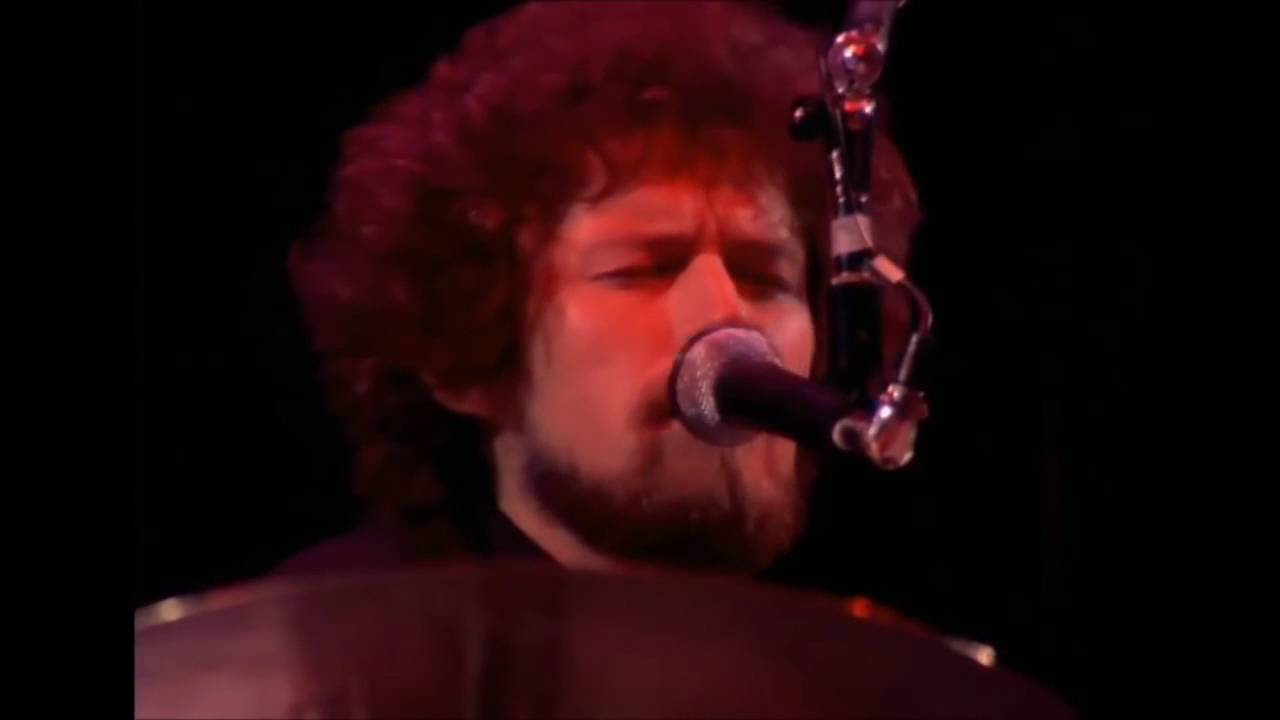
When it came time to do an album, he and Frey would usually move in together. Before Hotel California, they were briefly ensconced in a Beverly Hills house that once belonged to actress Dorothy Lamour. With panoramic 360-degree views, it was nicknamed “the Eagles’ nest.”
They were an odd couple – Henley the tidy one, Frey the lovable slob, leaving mountains of cigarette ash everywhere. The togetherness might not have helped their friendship, but it was great for songwriting.
Victim of Love’s tale of betrayal and disillusionment was paired with a stuttering, crunchy groove. Felder had assumed he would sing lead, but after a week’s worth of takes, his vocal was deemed “not up to band standards.” Henley recorded the lead while manager Irving Azoff took Felder out to lunch to break the bad news.
![Eagles - The Best of My Love (Live 1977) (Official Video) [4K] - YouTube](https://img.youtube.com/vi/7VDuTGJ_ZQI/maxresdefault.jpg)
In the summer, Szymczyk moved the sessions to Criteria Studios in Miami. “The guys were actually quite happy to be out of L.A. and away from all the partying and the hangers-on,” he says. The only challenge in Miami was the occasional ear-splitting squall coming from the studio next door, where Black Sabbath were recording their 1976 album Technical Ecstasy.
Meanwhile, in the world outside the studio, the United States was basking in its bicentennial. On the surface, the country’s 200th birthday was all stars and stripes, but that was tainted by a Watergate hangover and relentless dark stories in the news.
“The ‘peace and love’ idealism of the ’60s had faded by the beginning of the decade,” Henley says. “The so-called counterculture, due in part to its own excesses, had disintegrated. The U.S. was trying hard to focus on the bicentennial, but the Cold War continued and the Boomer generation had slowly realized that the same corporate forces that had always been in charge were still, in fact, in charge, and there was an air of capitulation.
“There were now the realities of jobs and families to consider. Gone was the dream of a new kind of America; gone was the appetite for rebellion. ‘We haven’t had that spirit here since 1969.’”
One of the album’s standout tracks was both a celebration and critique of L.A.’s decadence and the band’s own excesses – Life in the Fast Lane could’ve been subtitled Nervous, Edgy Feeling.
“There are a great many of our songs that could be retitled Note to Self,” Henley says. “Excess – too much of a bad thing or a good thing – was a subject we examined, both from a personal perspective and an American cultural standpoint.”
Excess – too much of a bad thing or a good thing – was a subject we examined, both from a personal perspective and an American cultural standpoint
Don Henley
The song’s classic riff began as what Walsh called his “coordination drill.”
“I had this lick that I played that I would warm up for a show with,” he told Paul Shaffer on Plus One. “It’s an exercise between your right and left hand, faster and faster. I was just playing, warming up for the show, and Glenn comes busting in my dressing room and says, ‘What the hell’s that?’ ‘I don’t know, it’s just this lick I warm up with.‘ He said, ‘No, that‘s an Eagles song, dude!’”
On In the Studio with Redbeard, Frey said the title came one day after a crazy car ride with a drug dealer nicknamed The Count. Going 90mph, Frey asked the dealer to slow down, and the answer came – “It’s life in the fast lane!” With that title, he and Henley wrote the lyrics and melody together.
“We knew it was going to be the most rock ’n’ roll thing the Eagles had attempted so far,” Walsh said. “They turned me loose on that one.”

And what guitar was he using? “That’s a Strat,” Walsh told Total Guitar, “and the amplifier was probably this little orange Roland Cube I was using a lot back then. I found it to be a pretty darn good little amp for recording with a Strat, by turning it up pretty good to make it work.”
The killer riff doubled with guitar and bass, cliff-hanging power chords and trademark four-part harmonies on the chorus. This was a classic Eagles record, yet one that sounded like nothing they’d ever done. And as sonic icing, Szymczyk employed a Jimi Hendrix trick – the “Electric Ladyland two-track flange technique” – to add a whooshing sound to the song’s off-ramp exit.
“When I suggested phasing at the end of the song, Henley and Frey were skeptical,” he says. They thought it might sound too much like the Small Faces’ Itchycoo Park, which Szymczyk says was the inspiration. “I just wanted listeners to feel the rush of the wind in their hair!”
An ocean breeze was in Don Felder’s hair the afternoon he got the idea that would become Hotel California. In his Malibu beach house, noodling on a 12-string Martin acoustic, he hit on a Spanish-sounding chord progression. He put it down on a reel-to-reel four-track, then layered on syncopated electric guitars and a samba beat from a Rhythm Ace drum machine.
He sent it off to Henley and Frey on a cassette with another dozen snippets. They liked what they called “the matador in Mexico” vibe of it and experimented with lyrical and melody ideas.
Henley took the cassette in the car, his favorite place to write. He says, “I think it has something to do with movement and a constantly changing view. Just sitting in a room and trying to find inspiration can be stifling; it’s a static situation. Driving, if you’re not in heavy traffic, creates a feeling of flow that can free the imagination and call up memories and images while the music’s playing.”
After a week or two, the song took shape. “The hotel concept came first, and then the melody,” Henley says. “Sometime in May of ’76, Glenn and I had gone to see Neil Simon’s play California Suite in Los Angeles. But that was after we had come up with the hotel concept; seeing the play was a ‘field research’ trip, just to see if it would help us to flesh out our initial idea. But it wasn’t very helpful; it wasn’t dark and spooky enough for what we were after.”
![Eagles - Desperado (Live from Melbourne) (Official Video) [4K] - YouTube](https://img.youtube.com/vi/FiPqUjLMuA8/maxresdefault.jpg)
Or maybe the title influenced them, because their spooky inn became the Hotel California, and in turn, a metaphor for everything from the myth-making of the American Dream to an artist’s search for the muse and spiritual meaning.
The recording of the song took some searching, too. “We cut the track several times, first at Criteria Studios, shortly after Felder had given me the demo,” Henley says.
“The Miami recording was a rough arrangement with the working title ‘Mexican Reggae.’ The second time we cut it was at the Record Plant in L.A., after Glenn and I had come up with some ideas for lyrics and melody, but that recording turned out to be in the wrong key, at least for singing.
“There was often a schism between what key was best for the guitars and what key was best for the lead vocal. At the end of the day, though, the vocal has to take precedence. There are workarounds on the guitar – tunings, capos, etc – but you can’t capo a voice. Or at least you couldn’t then. So we ended up cutting the final track in Miami in the key of B minor with the choruses going to G major.”
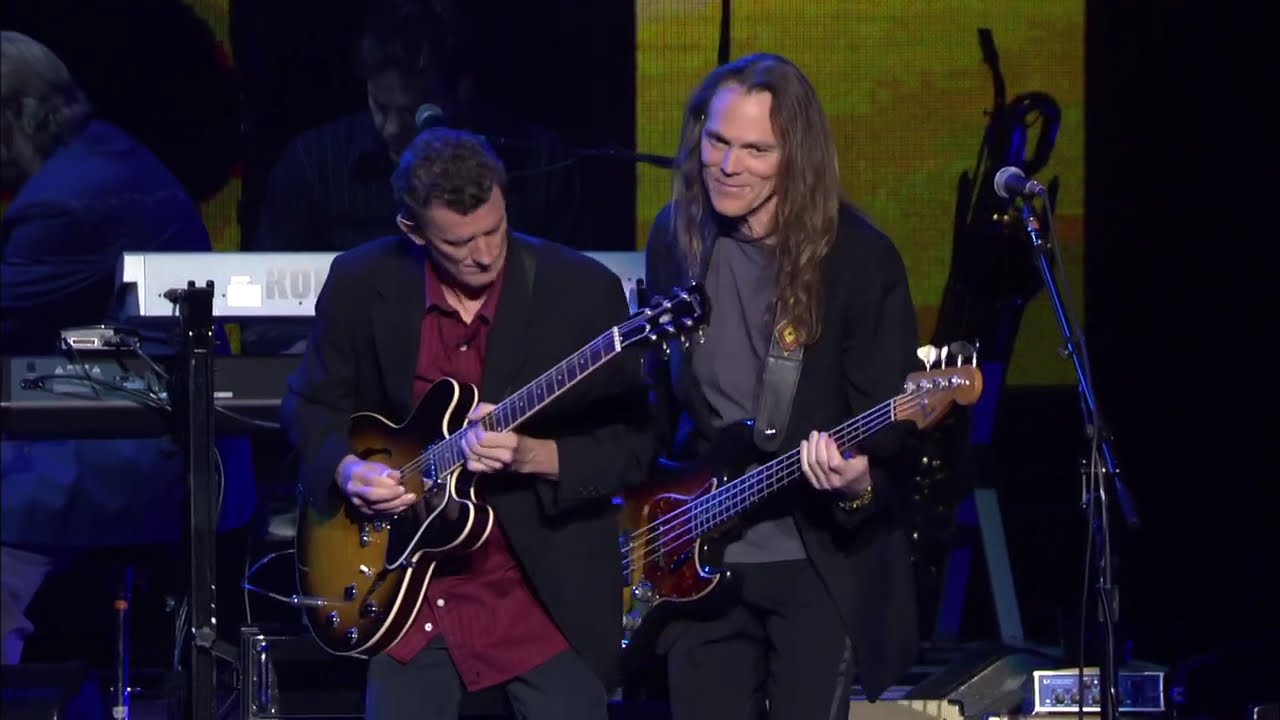
Szymczyk recalls that the final version consisted of “33 separate tape edits from five different takes.”
There are at least half a dozen guitar tracks on the original recording
Don Henley
Aside from being the album’s thematic centerpiece and the Eagles’ best song, it also rode out on one of rock’s most iconic guitar duels, with Felder and Walsh trading sizzle and sting, one-upping each other, then finally merging in triumphant two-part harmony.
“We worked really well together,” Walsh told Guitar World while promoting Analog Man in 2012. “It was competitive. We brought out the best in each other. We liked to kick each other in the butt! He would play something, and I’d get an attitude, like, ‘Oh yeah? Listen to this.’ And he’d go, ‘Wow, listen to this!’”
“For two days, we workshopped the hell out of that,” Szymczyk says. “We had amps out in the studio, but Felder and Walsh were in the control room with me, one to the right, one to the left, like gunfighters! Felder was the ultimate technician, always a tad on top of the beat. And Walsh was the ultimate ‘feel’ guy, always a tad behind it. Together, they were phenomenal. Those two days were one of the high points of my career.”
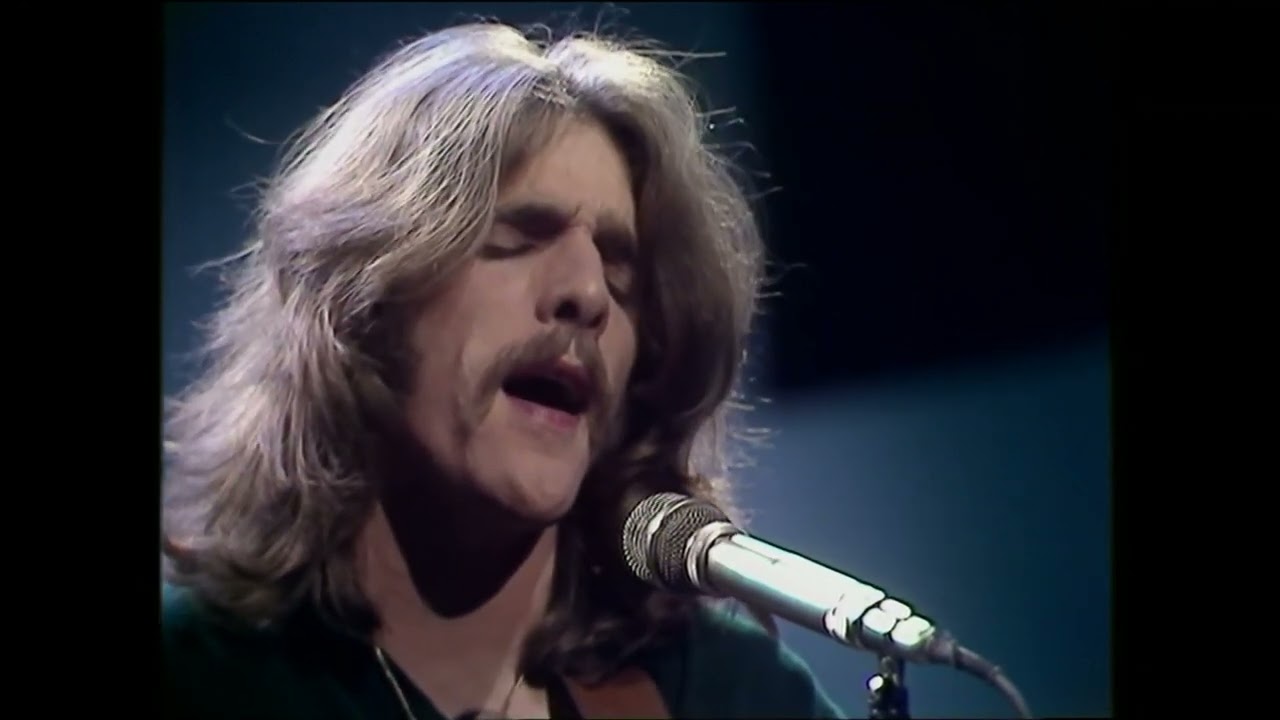
“There are at least half a dozen guitar tracks on the original recording,” Henley says. “In live concert settings, this required Felder to play a double-neck guitar, with the 12-string neck being capo’d on the seventh fret for the intro and the breakdown, and the six-string with no capo for the single-line phrases and the tag solos.
“One of the unique things about the song is that it ends with extended dual guitar solos. Skynyrd had done something like that a couple of years earlier.”
Glenn and I saw ourselves as the leaders, but other people saw us as dictators. You just cannot have five leaders in a band. It doesn’t work
Don Henley
Another thing it shared with Skynyrd’s Free Bird was a length that wasn’t exactly radio friendly – six and a half minutes, to be exact. “The label wanted us to do a single edit, and we all said no way,” Szymczyk says. “Obviously, we were right to.”
After seven months of off-and-on recording, the album wrapped in October.
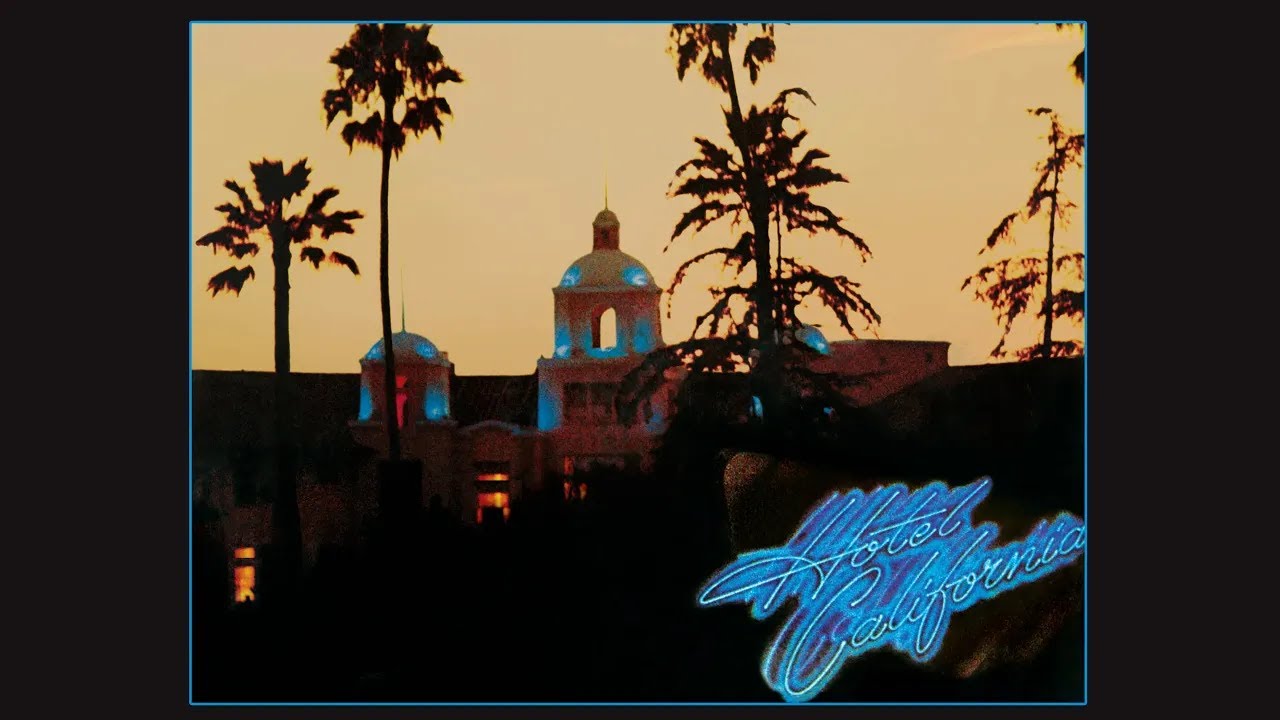
The cover artwork, designed by John Kosh (who also handled Who’s Next and the Beatles’ Abbey Road), featured a photo of the Beverly Hills Hotel taken from a cherry picker 60 feet above Sunset Boulevard at dusk. Built in 1912 in a Mediterranean Revival style, the pink stucco hotel had hosted famous guests from Marilyn Monroe to Frank Sinatra.
A month after the album came out, when the hotel learned that the Eagles had used the image without permission, they threatened a lawsuit, then dropped it when they realized their bookings had tripled because of the record’s success.
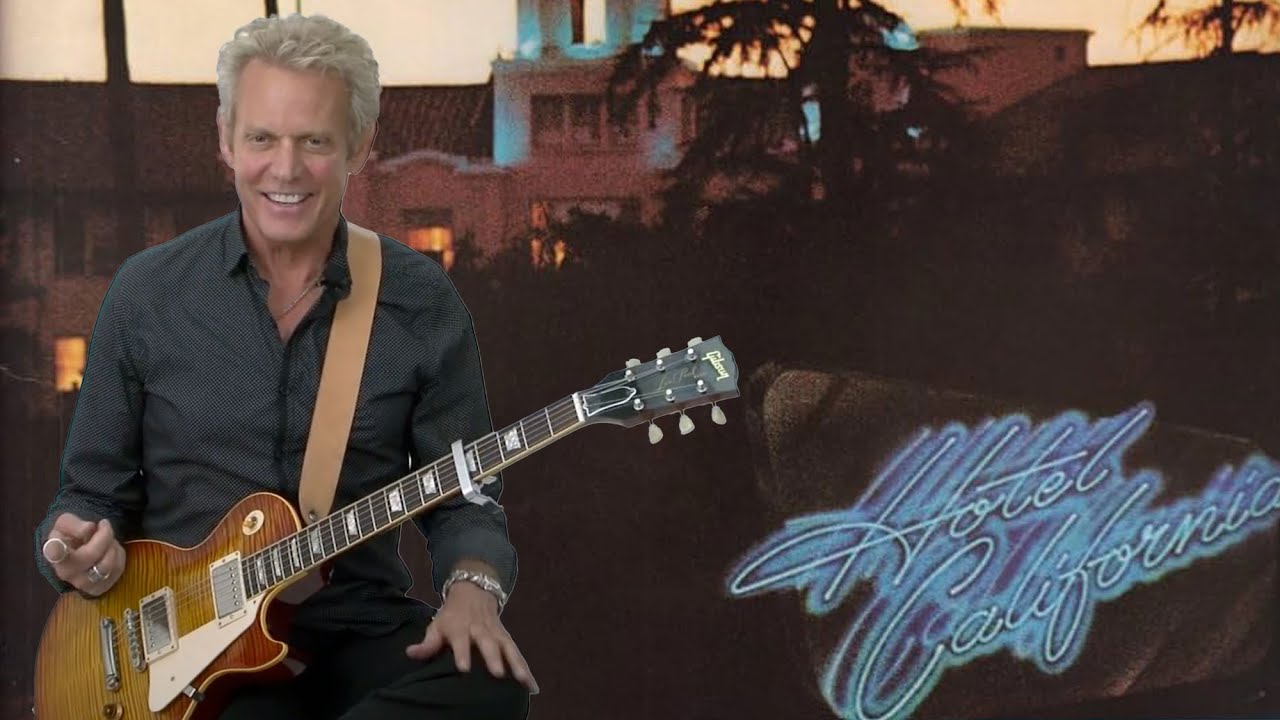
Hotel California was released December 8, 1976, and certified platinum in its first week. It went to Number 1 on the Billboard 200, where it stayed for eight weeks. Reviews were glowing. Creem said there were “no weak tracks; the music flows majestically every step of the way.”
Phonograph Record praised its “peerless harmonies" and said it was “pretty and punchy, as the best albums of fellow troubled hedonists Steely Dan and the Beach Boys are.” NME said, “There’s no laurels-resting, and a lot has gone into its meticulous crafting.”
The political chicanery, the national delusion, the undoing of decades of environmental progress, the rebirth of the military-industrial complex. I’ve lived long enough to see that we go around in circles
Don Henley
While Szymczyk calls the record a “quantum leap forward,” Henley’s estimation is more modest. “I don’t know if I’d call it a ‘quantum leap,’” he says. “One of These Nights had three big hits on it. But, in terms of growth and consistency and range, I’d agree that Hotel California was an improvement.”
But the 10-month, 72-date world tour that followed was grueling, so much so that the band’s road crew nicknamed it “The Prison California.” Everyone traveled with their own little entourage. Walsh and Felder had their faction, briefly entertaining the idea of forming their own band.
In History of the Eagles, Henley said, “Glenn and I saw ourselves as the leaders, but other people saw us as dictators. You just cannot have five leaders in a band. It doesn’t work.” But according to To the Limit: The Untold Story of the Eagles, even the two leaders had stopped talking and would only communicate through second parties.
There were also cocaine-induced physical ailments. Stomach ulcers all around. Henley suffered back pain. Frey’s nasal lining was shot (he’d have two surgeries before getting his nose repaired with teflon). By the end of the tour, Meisner had become persona non grata after refusing to sing Take It to the Limit at one show; he left the band shortly after.
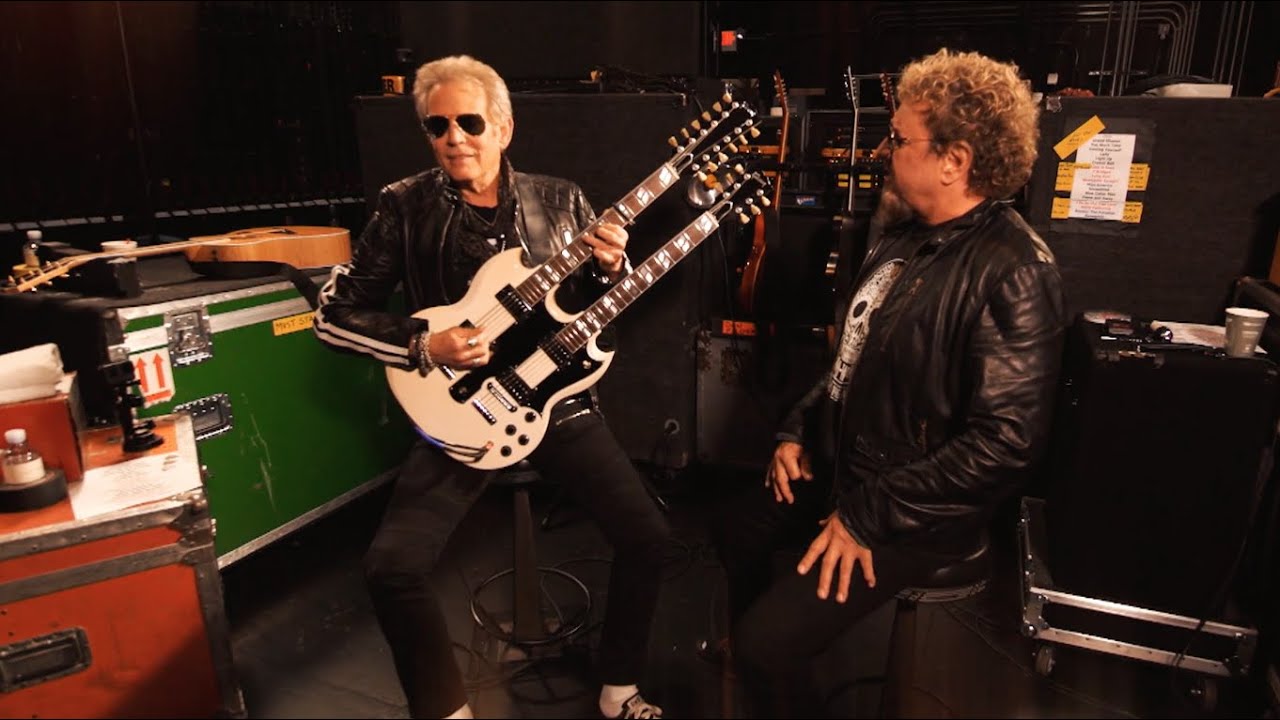
The Eagles managed one more album, 1979’s difficult The Long Run (“We called it ‘The Long One,’” Szymczyk says) then broke up after a benefit concert where Frey and Felder openly threatened to fight each other on stage during the performance. It would be 14 years before they reunited.
Despite one album of new material in 2007, the Eagles have become a heritage act, playing the hits – albeit one of the highest-grossing ones on the circuit. After Glenn Frey died in 2016 at age 67, they soldiered on with his son Deacon and Vince Gill taking his place. And so it’s gone over the past decade.
Meanwhile, there are at least 10 high-profile Eagles tribute bands who are on the road as much as the Eagles were in their ’70s heyday. And though classic rock radio has mostly disappeared, subscription services have kept the music playing. Hotel California alone passed two billion streams on Spotify in October 2025.
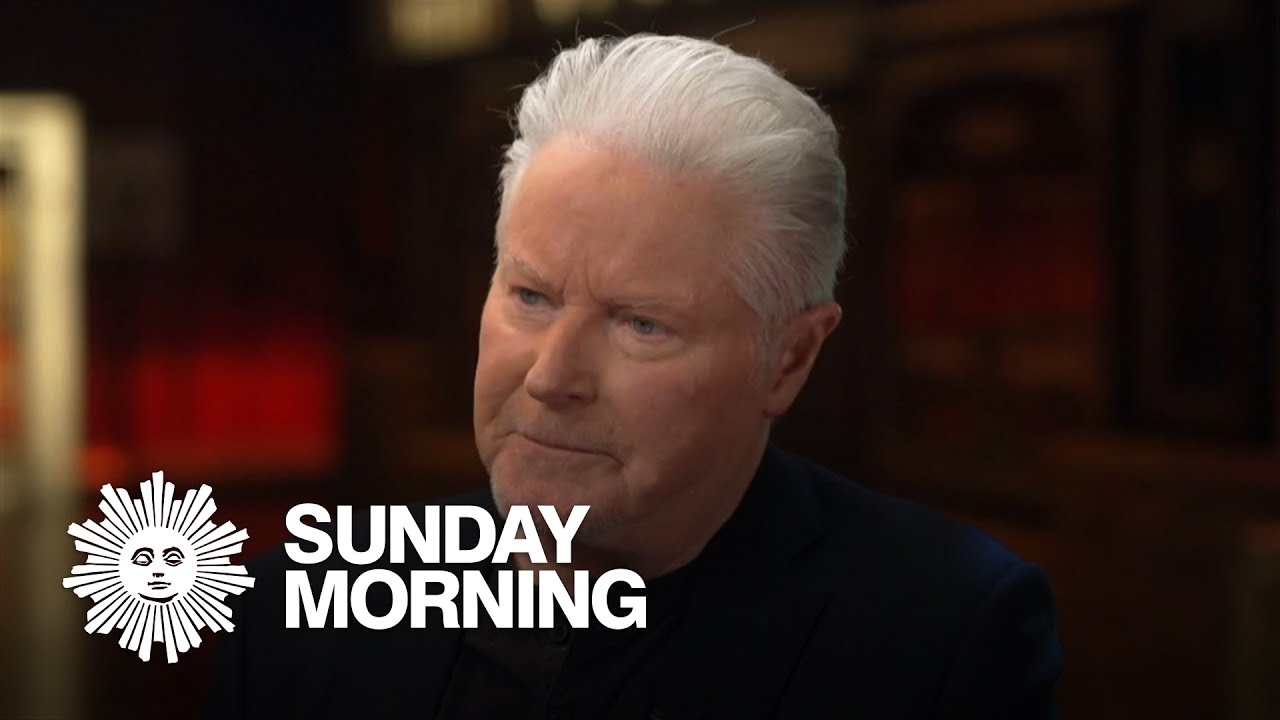
During the Eagles’ 2026 residency at Las Vegas’ Sphere, Henley confided to CBS Sunday Morning that “This year will probably be it. I’ve said things like that before, but I feel like we’re getting toward the end.”
Meanwhile, their Sphere setlist contains the three key tracks from Hotel California – New Kid in Town, Life in the Fast Lane and the title song. With sold-out audiences singing along to every word and guitar lick, this is music that is now an indelible part of musical culture. It’s a reminder of how the world felt and sounded in the mid-’70s, and also how the American Dream continues to roll along that desert highway, toward the light, but surrounded by the dark.
It makes the album sound just as relevant as it did 50 years ago. “I could make a case for it,” Henley says. “The political chicanery, the national delusion, the undoing of decades of environmental progress, the rebirth of the military-industrial complex. I’ve lived long enough to see that we go around in circles. I think it was Mark Twain who said, ‘History doesn’t repeat itself, but it often rhymes.’”
- This article first appeared in Guitar World. Subscribe and save.

