

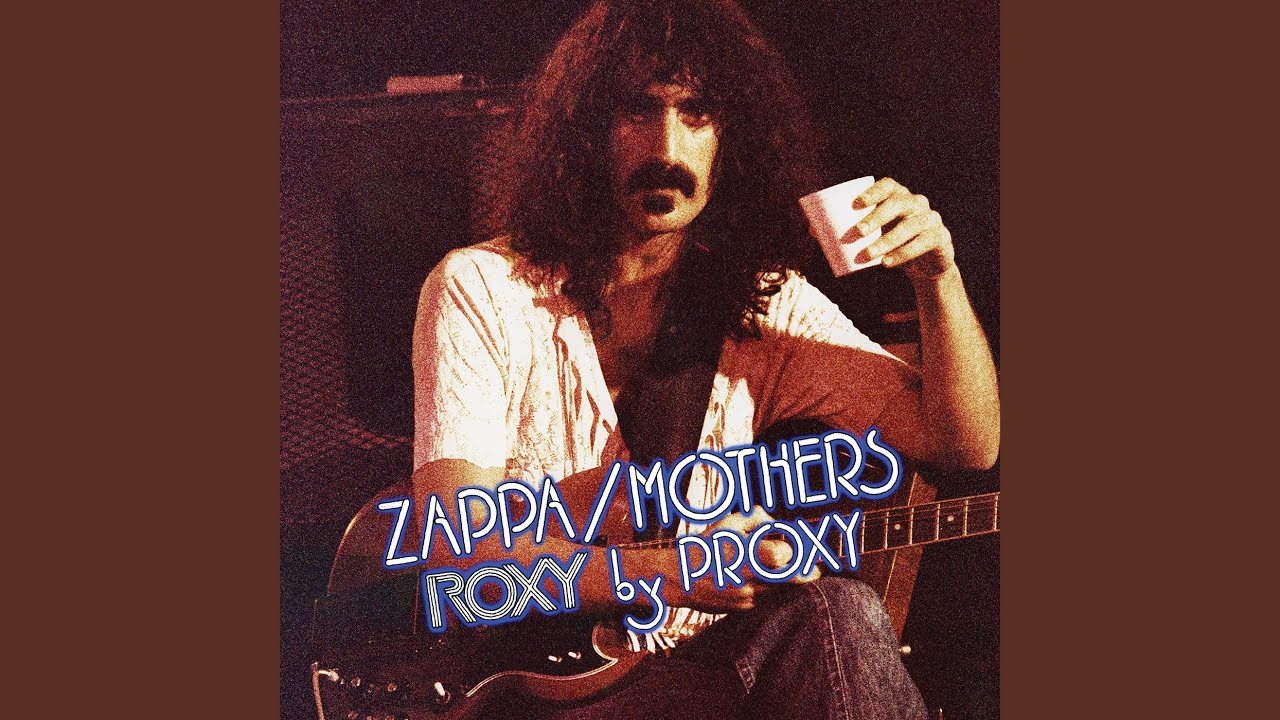
On December 4, 1993, the music world lost one of its most colourful and original characters when Frank Zappa lost his battle with prostate cancer at the premature age of 52.
During a career that lasted a little over 30 years, Zappa managed to release a staggering 64 albums that effortlessly genre-hopped from hard rock to doo-wop to jazz to orchestral and anywhere else he so desired.
Always eccentric, often controversial and constantly misunderstood, Zappa was an innovator in the true sense of the word.
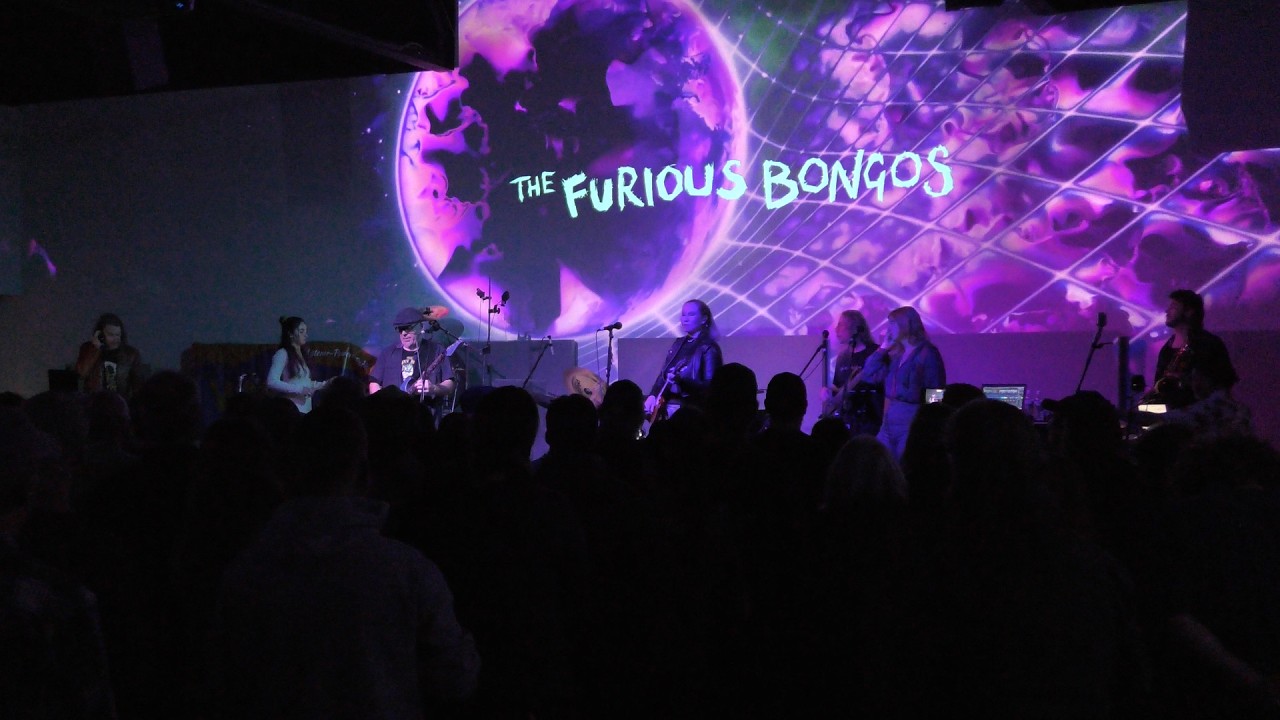
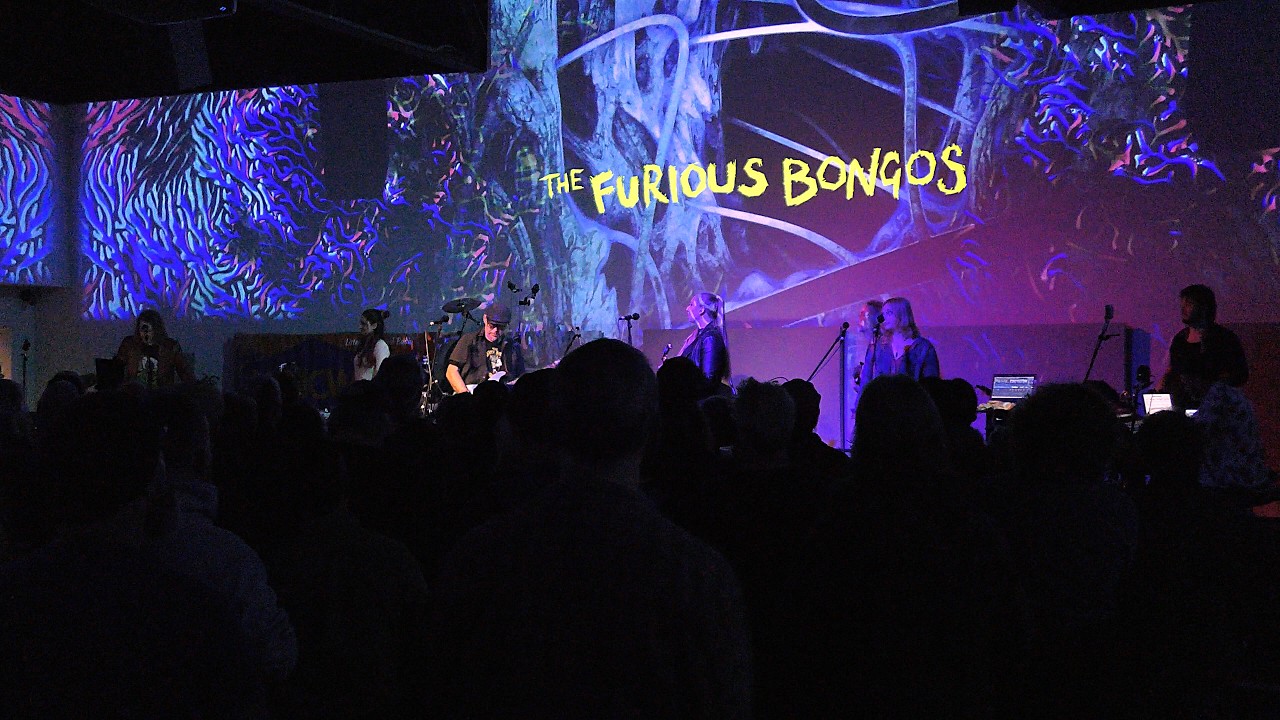
“You have to put him in the same league as Lennon and McCartney,” says Conrad St. Clair, bassist and music director for acclaimed Zappa tribute band The Furious Bongos. “He was an extraordinary songwriter.
“Think about the Beatles’ output during that incredible two-year period when they released so much essential material. Frank maintained that level of productivity for 20 or 25 years. It’s incredible.”

Zappa amassed a cult fanbase that would follow him on his journeys across many different musical boundaries. But although his influence was felt far and wide, after his death, the possibility of his music disappearing from the public consciousness was very real.
St. Clair found himself in a position to do something about it.
“Around 2012 or 2013, I came across this treasure trove of transcriptions of Frank Zappa’s basslines from the 1988 tours. I’d grown up listening to Zappa, but I’d never really learned much of his music.
“Once you become a working musician, you don’t necessarily have the time to sit down and learn songs like Penguin in Bondage by ear. Nobody’s calling for that stuff on a gig! So I’d never really got into it.
“But I found these charts and I started working on the material, and eventually the idea developed into, ‘Why don’t we see if we can put a Zappa show together?’ So it began as a challenge: could we actually play this music?”
St. Clair’s route to becoming a bass player was itself far from conventional. Before taking up the low-end, he studied at Juilliard, setting his sights on a career in classical music. But the pull of rock ’n’ roll eventually proved too strong.
“I started out as a flautist. I was on the path to becoming a classical musician, but I decided that being a bass player in a rock band was more fun.”
Did you feel under any pressure when you put The Furious Bongos together?
Dweezil Zappa’s show is built around recreating Frank’s music with incredible attention to the original arrangements, but we deliberately went in a different direction. That distinction took away a lot of the pressure.
Obviously, certain things need to be played correctly, but beyond that, we just go onstage and be ourselves. It isn’t a nostalgia show. In fact, Frank hated nostalgia. There are plenty of quotes where he talks about that.
What’s been the biggest challenge?
Once I started diving into the material, I realized that although people make a big deal about how complicated Frank’s music is – and some of it really is incredibly complicated – the real challenge is having musicians who can convincingly play all those different styles.
And it has to come naturally. You can’t fake it, because it won’t sound right. So you need people who can play reggae like a reggae musician, blues like a blues musician and jazz like a jazz musician. You need a really wide musical palette.
How closely have you studied Zappa’s backing bands?
I actually studied arranging with Arthur Barrow, who played bass with Frank in the late 1970s and also served as his rehearsal director. One thing I took away from Arthur, and from the other people I’ve met who actually worked with Frank, is that Frank didn’t hire musicians simply because they were good players.

Chad Wackerman told me about his audition. At one point, Frank asked him, ‘Okay, what can you do that’s amazing?’ He didn’t just want another great player; he wanted somebody who brought something unique to the table.
Look at Scott Thunes, for example. Frank chose him over Jeff Berlin. Jeff is physically capable of playing basslines Scott might not, but Scott had a particular flavour that Frank wanted for his music.
How hard is it to play those basslines?
I went through my Billy Sheehan and Jeff Berlin phase early on, so I had already developed some physical technique that the bass players working with Frank didn’t necessarily have, but he was never writing for that kind of playing.
Interestingly, Frank rarely wrote particularly demanding bass parts. There are plenty of difficult passages in his music, but the bass guitar doesn’t usually get the most technically challenging material.
There are only a couple of pieces I can think of that are genuinely demanding from a physical standpoint. In both cases, Frank wrote basslines that his bass players didn’t actually play as written because they couldn’t quite manage them.
Can you give me an example?
In my opinion, the two physically hardest things Frank ever wrote for bass are in a tune called Drowning Witch [listen carefully at 04:08 and 05:43 in the video above]. Scott Thunes never played them live, and they slowed the tape down in the studio for Arthur Barrow to track the album version.
The first section of that song involves improvised cues, and you have to be able to move through straight jazz, different rhythmic feels and other stylistic territory. Then you get to the second half, which becomes this bizarre, avant-garde classical piece. It’s by far the most difficult piece in our repertoire.
Do you have any other favorites from the set?
Within that enormous catalog are these little gems, such as Sharleena. If Marvin Gaye had released that song, it could easily have been a Top 40 hit.
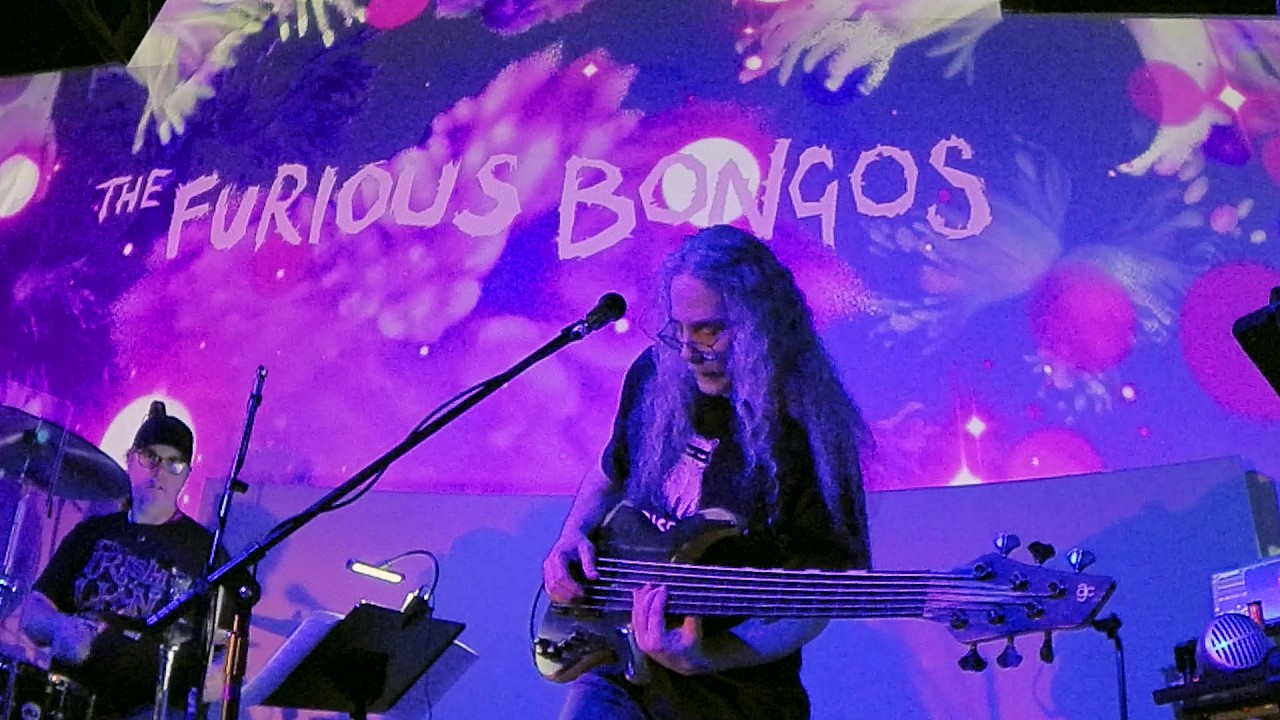
Let’s Move to Cleveland is another favorite. I get to solo on that track, but the way the solo develops is really important.
I play and then trade with the drummer. After that, I go around the band and give each person a little melodic cell – a short musical idea for them to play back to me. Then I come back over the top and develop the whole thing further.
That’s the most enjoyable part of that bass solo for me. It’s the moment when you realise we’ve created an entirely new texture over the underlying chord changes – something that’s different every night.
In a nine-piece band, you have to think like an arranger. That awareness of what’s happening around you is essential.
You play a fretless six-string bass. Does that add another level of difficulty?
I suppose it does. There are some songs where I might switch to a fretted bass if the ‘clank’ of the frets works for that particular song, but we play a different set every night, and a lot of the songs flow straight into each other without breaks. Sometimes I don’t have time to grab another bass, so I do everything on fretless.
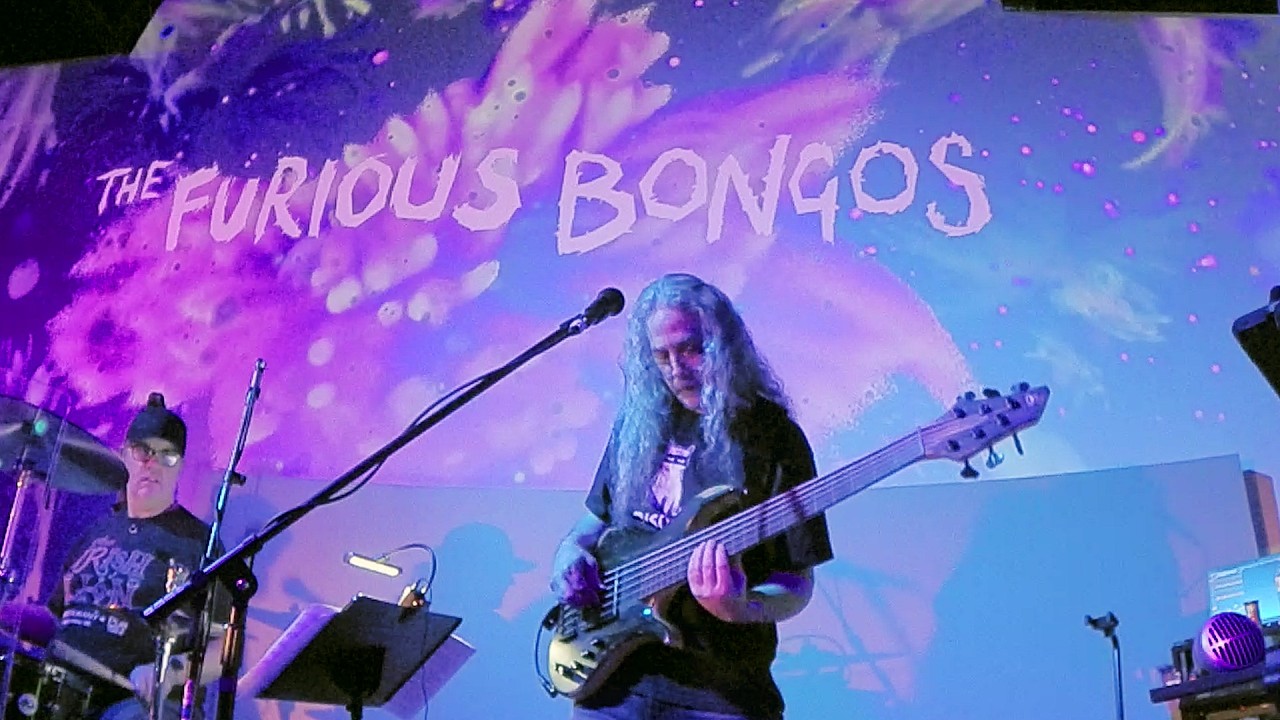
What bass are you playing?
I play an ACG bass by a maker called Alan Cringean. I’ve got two of his basses and would like to get a third.
Who are your favorite bass players?
I’ve always been more drawn to players such as Pino Palladino than to people whose primary focus is technical virtuosity. For me, musicality is the fun part.
You’ve also worked with B.B. King.
I was chief engineer at the Overture Center for the Arts in Madison, Wisconsin, for about 12 years. One of my first shows there was with B.B. King.
I remember sitting at the mixing desk while the band was soundchecking. B.B. was doing his thing, the musical director was taking them through some tunes, and I was waiting for their front-of-house engineer to show up, but B.B. didn’t travel with a front-of-house engineer at the time.

Eventually, I thought I should at least start setting some gain levels. As we approached the end of the soundcheck, I went onstage and asked B.B.’s assistant, ‘Hey, man, when is your guy getting here?’
He just looked at me and said, ‘You’re here.’ I thought, ‘Oh, okay!’ So I ended up mixing B.B. King in a 2,000-seat theater without a proper soundcheck.
Seeing as I’d been waiting for somebody else to arrive, I had to get the mix together quickly. Fortunately, they were happy with what I did, and I ended up mixing a string of shows whenever B.B. came through the Midwest.
Luckily he always had a great band. I’d turn everything on, get the levels right, make sure the room sounded good, and the musicians took care of the rest themselves. It was a wonderful experience. B.B. King was musical royalty.

