


“I don’t play bass,” claimed Rick Danko in his December 1976 Guitar Player interview. “I just fill space.”
While Danko’s declaration is puzzling at the surface, he went on to clarify: “It's not really what you play, but what you leave out, that counts. When you leave space, it’s easier to hear everybody; if everyone is just up there churning, it's going to sound like buttermilk.”
Born December 29, 1942 in rural Ontario, Danko got an early start in music. He was still in his teen years when he was hired – first, as a rhythm guitarist – for rockabilly singer Ronnie Hawkins’ backing band, the Hawks.
Together with guitarist Robbie Robertson, drummer Levon Helm, pianist Richard Manuel, and organist/saxman Garth Hudson, Danko and the Hawks built their reputation as a powerful live act in the early ‘60s, earning an invitation by Bob Dylan to tour as his backing band in 1965.
The group, now known as The Band, settled down in Saugerties, New York in 1967, and hit a creative mainline in the basement studio of Big Pink, the house Danko shared with Hudson and Manuel.

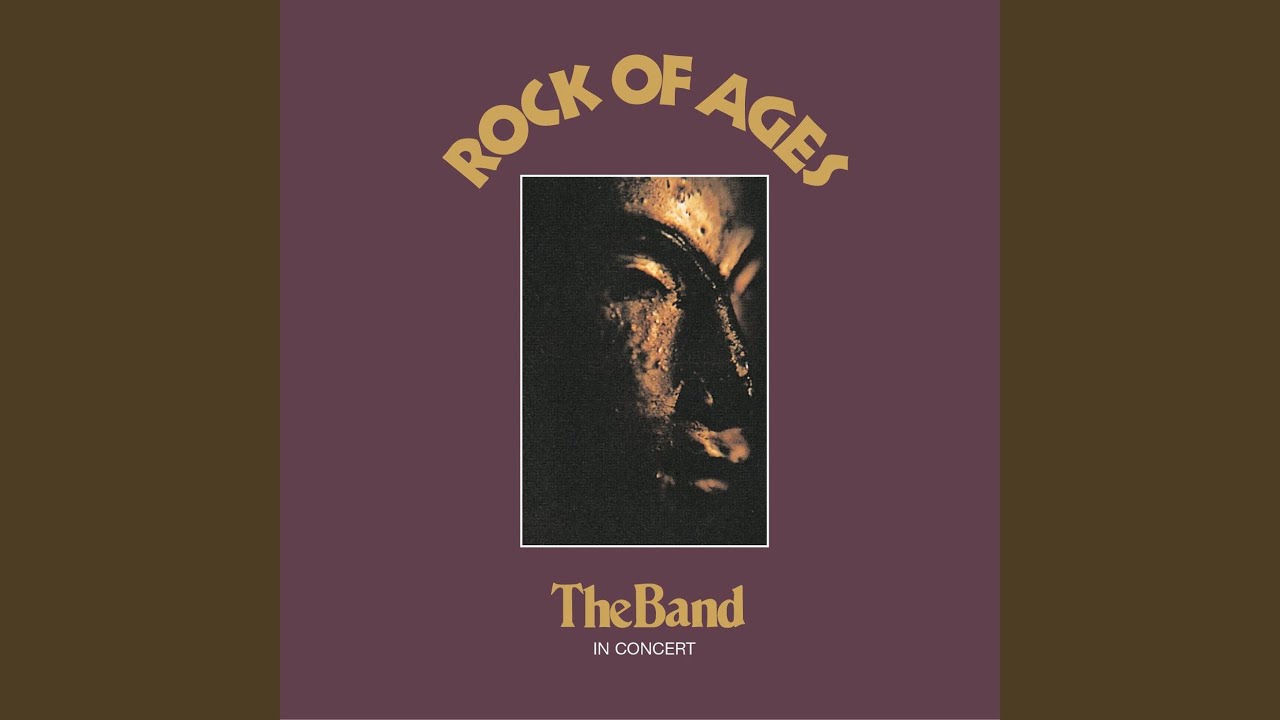
In 1971, The Band booked a week-long residency at New York's Academy of Music. Released the following year as the live double album Rock of Ages, recordings from those performances capture some of Danko’s best bass work.
“Rick showed something during this period that I still don't understand,” wrote Robbie Robertson in the liner notes to Live at the Academy of Music 1971, a 2014 box set that features outtakes from Rock of Ages. “While singing like a bird, he played a fretless bass in an unorthodox style that worked against reason.”
Adds New Orleans R&B legend Allen Toussaint, who arranged the horns for the Academy shows, “His approach – there's nothing like it.”
“Some people, you can tell what school of thought they come from on the bass or the guitar. I don't know where Rick Danko comes from. I don't know his source of reference on the bass. I couldn't put my finger on anything there. It just was his very own thing, and I think it was perfect.”
Manning a fretless Ampeg AUB-1, Danko’s focus on intonation and groove was laser-sharp on the December 30, 1971 performance of The Weight.
Along with Bill Wyman of the Rolling Stones and Boz Burrell of Bad Company, he was one of the earliest players to take fretless bass guitar into the mainstream.
“I was infatuated with the sound of the slide guitar, and I also played the violin,” Danko told Guitar Player in 1995, four years before passing from heart failure.
“I'd use a comparable motion on my Ampeg fretless bass by sliding up to the note and then muting at the bridge. Edgar Willis’ work on the acoustic bass with Ray Charles also influenced my fretless playing. It was another way of making me really listen. It forced me to concentrate on the pitch and being in tune.”
As for his Ampeg AUB-1, as the world’s first production fretless only about 1,100 of these crazy basses were ever built, with the newest now over 50 years old.
A bizarre pickup system permitted the bass to be played with gut strings; this was pure snobbism on the part of Ampeg, who assumed that these so-called newfangled ‘frets’ would die out before too long and players would return to playing their instruments like ‘real’ double basses (hence the scroll headstock).

They were wrong, but they did create these pioneering instruments, so we’ll let them off with a warning this time.
