


For most bands, life on the road is a carefully choreographed operation: soundchecks, hotels, venues, tour buses and the occasional late-night scramble to find something resembling dinner.
For The Last Dinner Party, however, the reality has often been somewhat more chaotic – and bassist Georgia Davies wouldn’t have it any other way.
Since the band’s rapid ascent to fame, Davies and her bandmates have found themselves navigating sold-out shows, international tours and the strange logistics of keeping five musicians functioning on the road.
Along the way, she’s taken on roles that extend well beyond playing bass guitar, from unofficial “food and vibe technician” to participant in the band’s “Roadie Friday” tradition.
And then there was Kansas when a hospital stay offered a stark reminder that even the most glamorous rock ’n’ roll adventures can sometimes go sideways.

“Touring asks a lot of you – physically and mentally,” says Davies. “Musicians get injured all the time, whether it’s falls, repetitive strain, exhaustion or the psychological toll of constantly being on the road.
“I could have fallen down the bus stairs anywhere, but the fact it happened halfway through a huge American tour and I ended up in hospital in Kansas somehow feels symbolic.
“Emily [Roberts], our guitarist, was amazed I was happy to get back on a tour bus so soon afterwards. She said if it had happened to her, she’d never have stepped on one again. I was just desperate to get back out there. Looking back, though, it is a reminder of how much of yourself you give to this job.
“It’s an all-consuming way to live. But I'd still choose it every time because I absolutely love it.”
So much so, in fact, that Davies turned her experiences into The Hunger and the Road, her own Substack chronicling the food, travel, chaos and camaraderie that come with life in a touring band.

“Everyone expects stories about getting signed or making records, but the blog is about the in-between moments that nobody ever sees.
“People imagine you disappear backstage and materialize in another city the next day. They don't think about the reality of living on a tour bus, wandering around motorway services in your pyjamas, buying bottled water and whatever food you can find before climbing back on for another eight-hour drive.
How did the band meet?
We all met at university, so in the early days it was the classic routine of studying, working jobs, rehearsing with barely any gear, and playing gigs around London’s independent venues.
Then everything changed thanks to Lou Smith, who documents unsigned bands. He shot a video of us that somehow made its way around the industry, and suddenly we were getting emails from managers, labels… and, weirdly, lawyers.
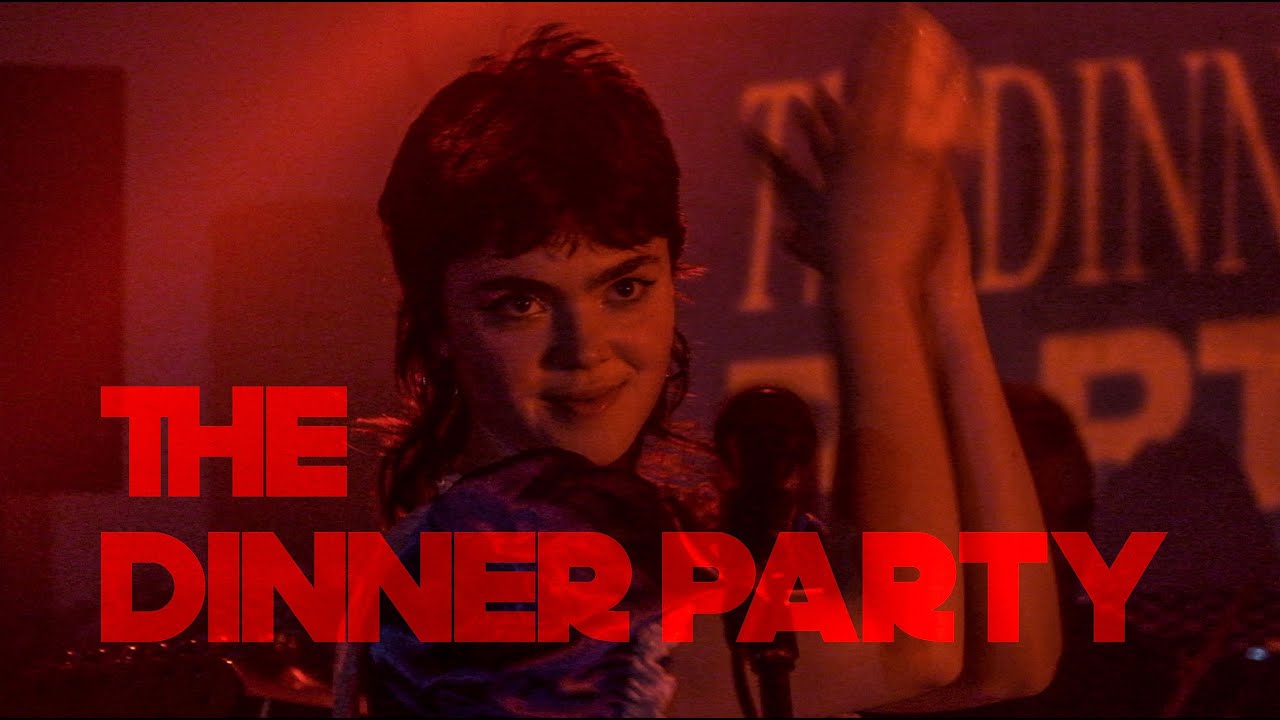
Our reaction was, ‘We're just a rock band. Why do we need a lawyer?’ As it turns out, we definitely needed one!
From there, things moved incredibly quickly. We found ourselves in the middle of a label bidding war, which was surreal. We got to meet everyone, hear what they had to offer and, admittedly, enjoy a few very fancy dinners.
About a year later, our debut album came out, and roughly 18 months after that we released the second. So while it hasn’t been a long career in terms of years, we’ve packed a huge amount into that time.
Going from playing clubs to having lawyers knocking on your door sounds exciting, but also pretty intimidating.
The funny thing is that lawyers seem to be the first people who approach a band. You’d expect it to be labels or managers, but it wasn’t. Before we'd even decided to pursue this professionally, we had three different lawyers asking if we needed representation.

What was your goal when you started out?
We came up through the London scene when post-punk was everywhere. There were so many brilliant, dark, atmospheric bands, and we wanted to be part of that world because they were the coolest people in London. But we also realised pretty quickly that we were complete nerds.
We weren't very good at pretending not to care. Plenty of bands have that effortless, ‘we just threw this together’ energy, but we were the opposite. We cared about every detail, and we embraced that.
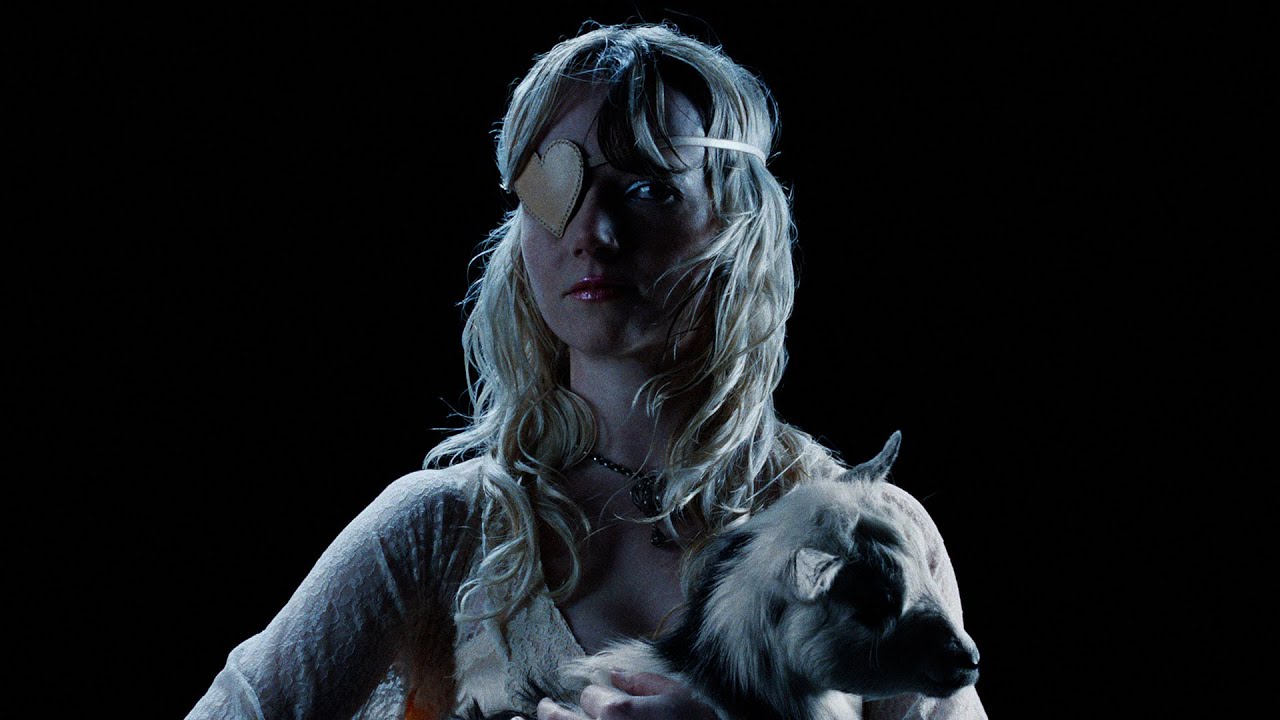
Before we'd even rehearsed properly, we'd already imagined this little universe built around ideas of decadence, euphoria and excess. We wanted everything to feel huge – visually and musically.
On the first record it was almost a running joke. If someone asked, ‘Should we add more strings?’ the answer was always yes.
Where did that mindset come from?
Looking back, I think it was probably a reaction to coming out of COVID. We’d all lived through this period of restriction, isolation and constant caution. Once that was over, our instinct was just to throw ourselves into everything.
How would you describe your approach to bass?
I've always loved melodic bass players like Peter Hook – people whose basslines have real character. I think it was on the second record that I really started to hear my own voice coming through.
On the first album I was still figuring out how the bass could fit into these really busy arrangements. In a funny way, being a less experienced bass player actually helped. I wasn't trying to show off – I was trying to make the songs work. Now I feel like the basslines I write actually sound like me.

What's your current bass rig?
My main bass for years has been a red Fender Mustang that I bought when I was 18. More recently I've been playing an Epiphone Jack Casady hollow-body with flatwound strings, which has become a real favorite. It's probably the bass people comment on most because it looks so distinctive, but I also used it quite a bit in the studio and it sounds fantastic.
Do you get attached to particular instruments?
Absolutely. My red Mustang is named Cassandra after Cassandra Wong from Wayne’s World. My parents showed me Wayne's World when I was pretty young, and I remember thinking, ‘That’s the coolest person I've ever seen. I want to do that.’ She was a huge influence, so my bass became Cassandra.
Recently the electronics started playing up and Fender very kindly sent me two replacement Mustangs, one gold and one cream. But I wasn't interested. I just kept saying, ‘No – we’re fixing Casandra. I'm not playing the cream one.’
![The Last Dinner Party - This Town Ain’t Big Enough For Both Of Us [On The Road] - YouTube](https://img.youtube.com/vi/MVW5h7ZGRRI/maxresdefault.jpg)
Some instruments just become part of who you are. Once you’ve built that relationship, replacing them isn't really an option.
I wanted to ask about your Substack post titled Service Stations of the World.
I've spent far too much time hungover in service stations, and they can be bleak. When you're exhausted, and you've got another eight hours on the bus, stopping somewhere genuinely nice can completely change your day. Those little stops become a much bigger part of tour life than people probably realize.
Another post to look out for is titled Hangover Inferno. Can you explain Roadie Friday?
Roadie Friday is the day before a day off – whatever day of the week that happens to be. For most people, Friday has that feeling of, ‘Work's over, let's go out.’ On tour, that feeling could happen on a Monday, a Thursday or whenever you’ve got a rare day off coming up. The final show before that break instantly becomes Roadie Friday.
‘Should we go out? Should we do shots? Should we stay out until four in the morning? Well... it’s Roadie Friday!’ It’s completely ridiculous – but also brilliant.

You also mention a drink called The Hammer?
My tour manager – who is genuinely excellent, despite what I'm about to say – came up with that after we'd had this chaotic crew dinner in America.
We’d spent forever trying to split the bill, everyone got increasingly drunk, and eventually he announced that I needed a Hammer. It turned out to be a double gin and tonic poured into a pint of lager.
Another thing I loved from the blog was discovering that you're effectively the band’s food coordinator. How seriously do you take that responsibility?
Far more seriously than I probably should! I’ve basically become the band’s food and vibe technician. Before every trip I’ll research the hotel, look up the best restaurants nearby, ask fans on Instagram for recommendations and then build a shared Google Maps list for the whole band. By the time we arrive in a city, everyone has this carefully curated guide to the best places to eat.

Your Substack posts also talk about the strange feeling of coming off tour.
For me, it takes at least 24 hours while my brain adjusts. Even if I haven't seen my fiancée for months, I’ll be unbelievably excited to see him... but I’ll also need a bit of space.
One thing I realised while writing the blog is that cooking has become my way of reclaiming a bit of control after tour. On the road, everything is scheduled for you – when you wake up, when you eat, when catering opens, when you leave. Cooking a few dinners at home is my way of resetting. After that, I’m usually fit for human interaction again.
Is it the same within the band?
Completely. At the airport we’re all hugging each other, saying, ‘That was the best tour ever – I love you all.’ Then nobody hears from anyone for about a week.
It’s not personal. We all understand that’s just part of the process. Everyone needs a little cooling-off period before we remember how to be normal people again. Then we’re ready to start talking about the next thing.
What advice would you give to aspiring musicians?
The biggest mistake people make is convincing themselves they can’t do it before they’ve even tried. They think they need more lessons, another qualification, a music degree or years more experience before they're allowed to join a band.
But some of the most interesting musicians I know came at their instrument from completely unconventional backgrounds. They developed their own voice precisely because they weren’t following a rulebook.
If I’d listened to that voice telling me I wasn’t good enough, I never would’ve joined a band – even though it was all I wanted to do.
So my advice is simple: just do it. Start a band. Go to as many gigs as you possibly can. Immerse yourself in music and learn by doing. That’s how I did it.
- To read more from The Hunger and The Road head to Georgia Davies’ Substack.

