


Leland Sklar is one of the most recorded musicians in the history of popular music. After more than 30 years as a first-call session bassist, the artists who have benefited from his melodic yet rock-solid approach include James Taylor, Linda Ronstadt, Jackson Browne, Phil Collins, Billy Cobham, Lee Ritenour, Barbra Streisand, Hall & Oates, and many others.
Sklar has reportedly played on over 2,500 albums – not bad for someone who claims, “I never had any intention of becoming a studio player” – and is still doing sessions with a huge roster of artists.
“I find it fascinating that I get to do so many different things,” Sklar told Bass Player in 2014. “Every time I turn around, I get to play with a whole new group of people. I feel very lucky, and I wouldn't give it up for anything.”
Sklar was born in Milwaukee in 1947; his family moved to Los Angeles when he was four. At the age of five, he began studying piano after watching Liberace's variety show on TV and proceeded to win the Outstanding Musician Of The Year award at the Hollywood Bowl.
Upon entering junior high school, Sklar found there were too many piano players in the music program and switched to upright bass.
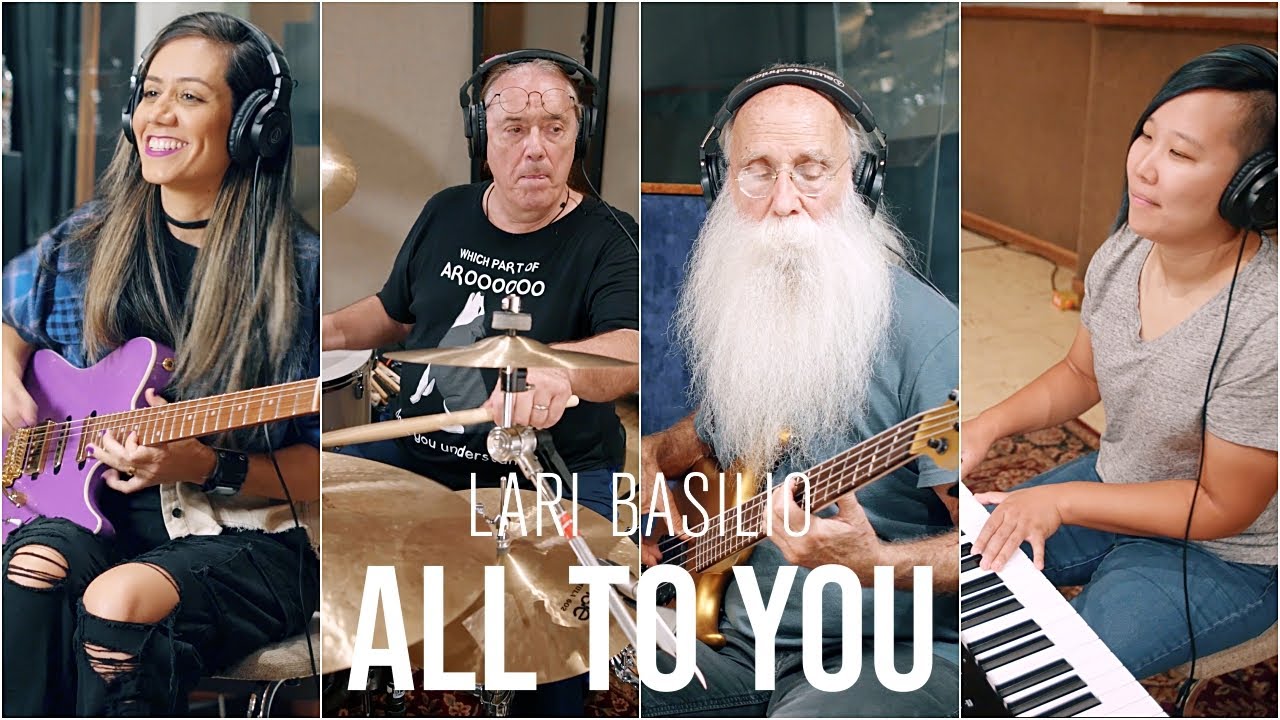
“I fell in love with the whole attitude of the bass. I liked the timbre of it and the potential for musical anonymity. Bass is a background instrument, but it's so fundamentally important that music is very shallow without it.”
Sklar’s preference for time and tone over speed and virtuosity has resulted in an identifiable bass sound that’s almost instantly recognisable.
“Content has to come first – it's fine to become a technical monster, but if you can't come up with one good bassline, it's useless. Anything that enhances your playing or allows you to express yourself in different ways is good, but a lot of times I hear players who have sacrificed musical substance for technique.”

What bass players inspired or influenced you?
Paul McCartney, Jack Bruce, Bob Mosley from Moby Grape, Tim Bogert with Vanilla Fudge, Larry Graham – those were the people I liked.
I was influenced by the whole music scene in the ’60s; I'd go to see Cold Blood, the Sons Of Champlin, Tower Of Power, Chicago; all those guys were monsters! I also loved the old Elton John stuff with Dee Murray.
What kinds of things did you practice when you first started?
What I enjoyed doing the most was playing along with records: the Beatles, James Brown, the Righteous Brothers. I would take 33⅓ RPM albums and learn the changes, and then play them at 45. When I had mastered them at that tempo, I would go back to 33⅓ – and there would be all this space in the music. That's how most of my practicing was done.
Do you remember the first studio session you did?
The first legit thing I got called for was a session for Brian Hyland; he was the guy who did Itsy Bitsy Teenie Weenie Yellow Polka Dot Bikini. Del Shannon was the producer. That was around 1970. Other than that, I have no memory of any of it; I was pretty much in awe of everything that was going on around me. Before that, I had done some demos with a band called Wolfgang.

How did you meet James Taylor?
When I was in Wolfgang, James used to come and hang out at our rehearsals. One time he played us some of his songs, and we did a Zeppelin version of Country Road (which Taylor later recorded on Sweet Baby James). Later on, he called me up and asked if I would do a gig with him.
Your basslines on Taylor's early records sound almost like lead bass. How did you develop that style?
It wasn't a conscious effort. There were no parts dictated, so I just did what I did. James's songs are so lyrical and the structures are so well defined that the bass parts were almost there; it was a question of finding something else to do. He allowed me to express myself the way I wanted to, especially on the early stuff. It's amazing how much I got away with!
Are there any sessions that stand out as particularly memorable or creative?
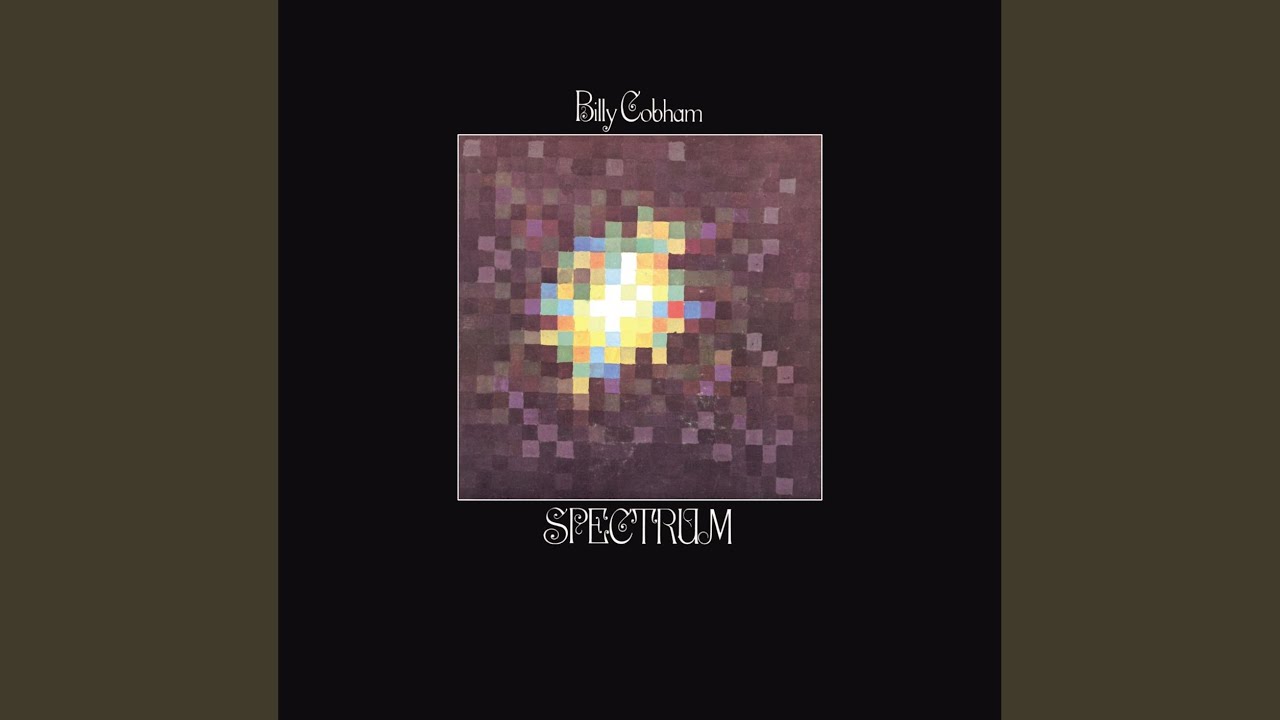
Recording Spectrum with Billy Cobham was memorable. For the most part, we did one take of each song; we were in and out in two days.
And I'm still somewhat starstruck when I do a session with someone I've only heard about. I did a Barbra Streisand record called Butterfly with an 80-piece-orchestra. I put on the headphones, and there was this big voice and this big orchestra sound – it was mind-boggling to hear that much music at one time.
Of course, there have been some great moments working with James – especially making Flag, which is one of my favorite records of his.
Running on Empty with Jackson Browne was enjoyable because it was really a live album; Jackson didn't doctor it to death with overdubs. Same thing with Phil Collins' Serious Hits... Live. It's pretty much a record of the way the performance went down, mistakes and all. I like that because it's human.
How did you come to work for Phil Collins?
Phil called me in '81 to do his first solo tour. I said yes, but I explained it was contingent on not conflicting with James, who was my first priority.
As it turned out, James did have a tour coming up, so I couldn't go – but I asked Phil not to forget about me in the future. Later, he and I both worked on a Lee Ritenour album; that was the first time we played together.
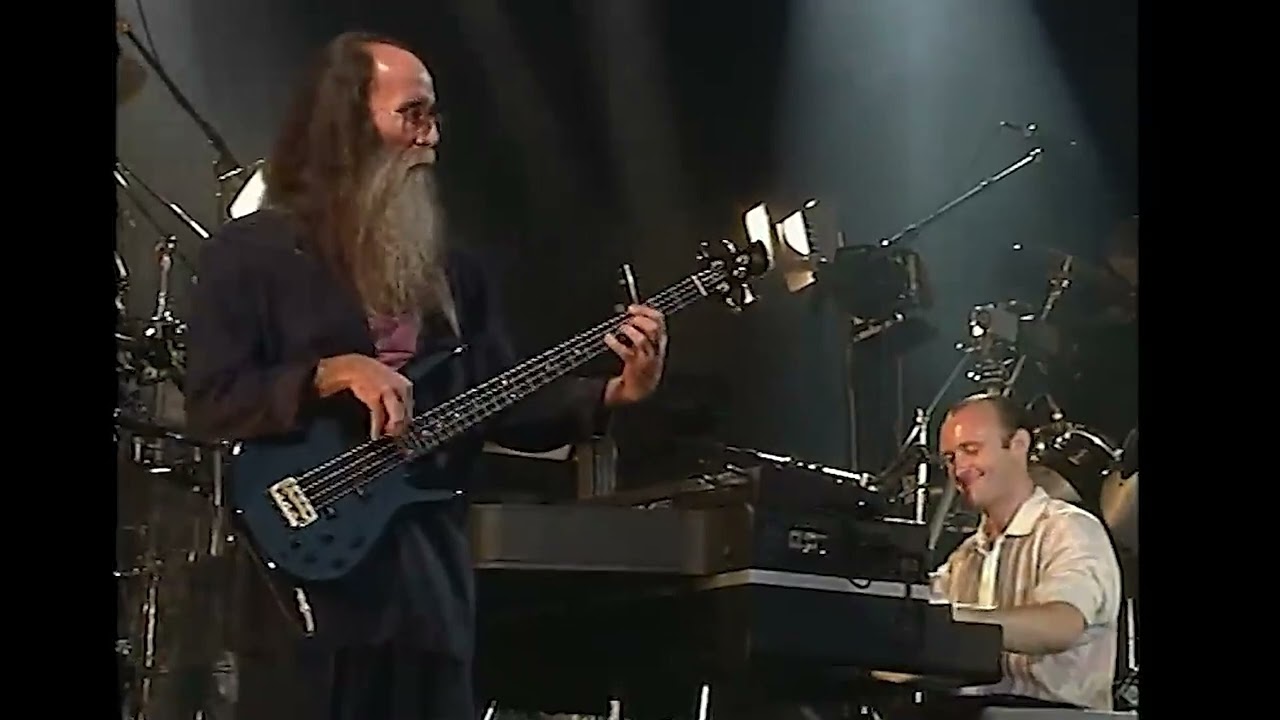
Phil called again in '84 and asked if I could do the No Jacket Required album, so I made time for that and the tour that followed.
If there's one downside, it's that he doesn't play drums often enough in his live performances. I love his energy, the way he approaches things, and also his pop sensibility – he understands the medium, and he uses it to his best advantage.
Phil also works harder than anyone I've ever seen: there are long days of rehearsing for the tours, an extensive soundcheck every night, and lots of interviews. He's very diligent about his career.
What do you look for in a drummer?
I look for players who feel the center of the beat where I do. I'm not exactly sure where that is, but I can tell when the drummer and I are feeling it in the same place.
I love drummers who come up with great fills and go for it every step of the way – they're the most fun and usually the most creative. The drums can do more than anything else to create the mood of the song.

How do you record your bass?
It depends on the engineer, but I would say 90 percent of the time it's straight into the board. If it's something more rock 'n' roll oriented, I like to use an amp; my basses are so clean, it's nice to be able to get a little distortion happening. One thing I always ask is that they don't compress or limit me to death – I want to take care of the dynamics myself.
Has anyone ever asked you to edit your part?
Sure, it happens all the time. I always tell people to speak up if there's something they want me to do – or not to do. Nothing I've ever played is etched in granite. When you're working with writers and singers, they have to be happy. I do a record and move on, but the artist has to live with it for a long time.
Do you get nervous before sessions and shows?
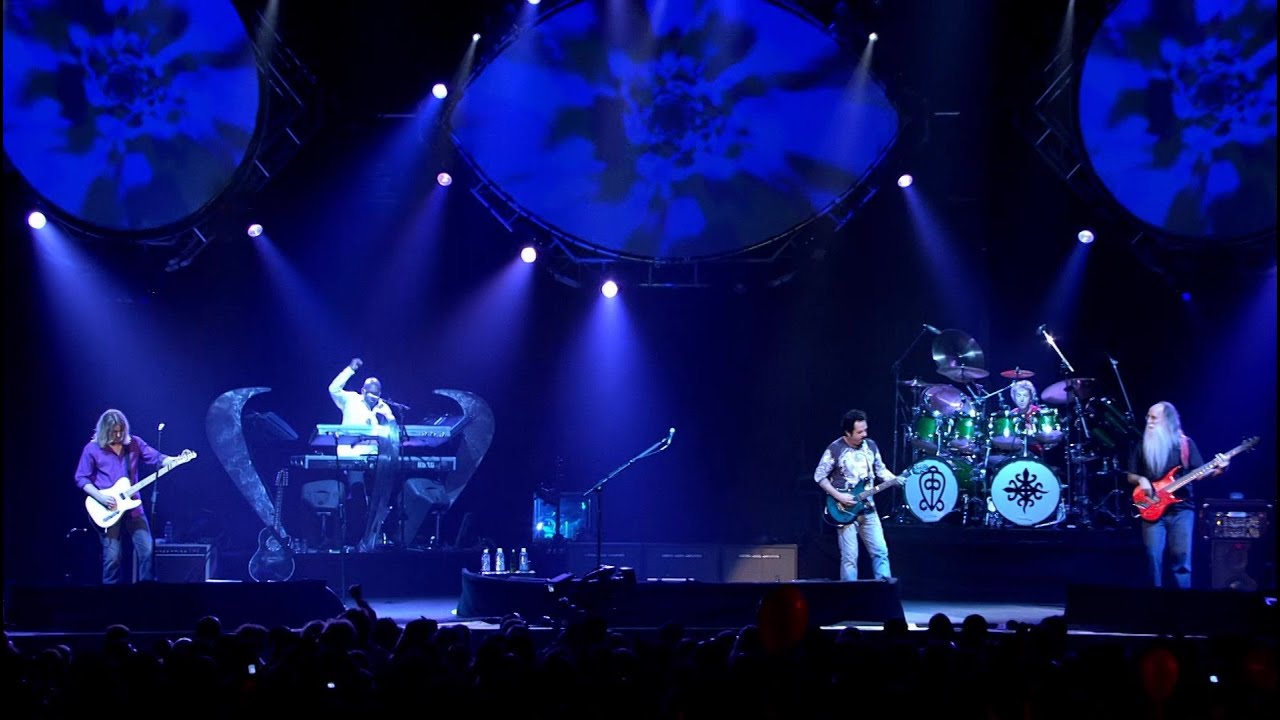
Before a session, I get nervous; before a show, I get anxious. There's a big difference. When I'm out on the road, I know the music well, so it's more a feeling of excitement. Before sessions, I often don't have any idea what I'm going to be doing, and that makes me nervous.
Do you have any advice for players starting out?
The most important thing is to enjoy music as much as possible. I can't be too optimistic about the business end, due to all the computers and machinery, but I wouldn't want that to discourage anyone from becoming involved in music.
I would also advise a young musician to play in a band rather than pursue studio work; there simply isn't the volume of work there once was. Ultimately, though, playing music is the best thing in the world.
