

“I always liked Jaco, and I felt that if I'd known him better, I could have helped him out. I recorded him once, but he was sideways.”
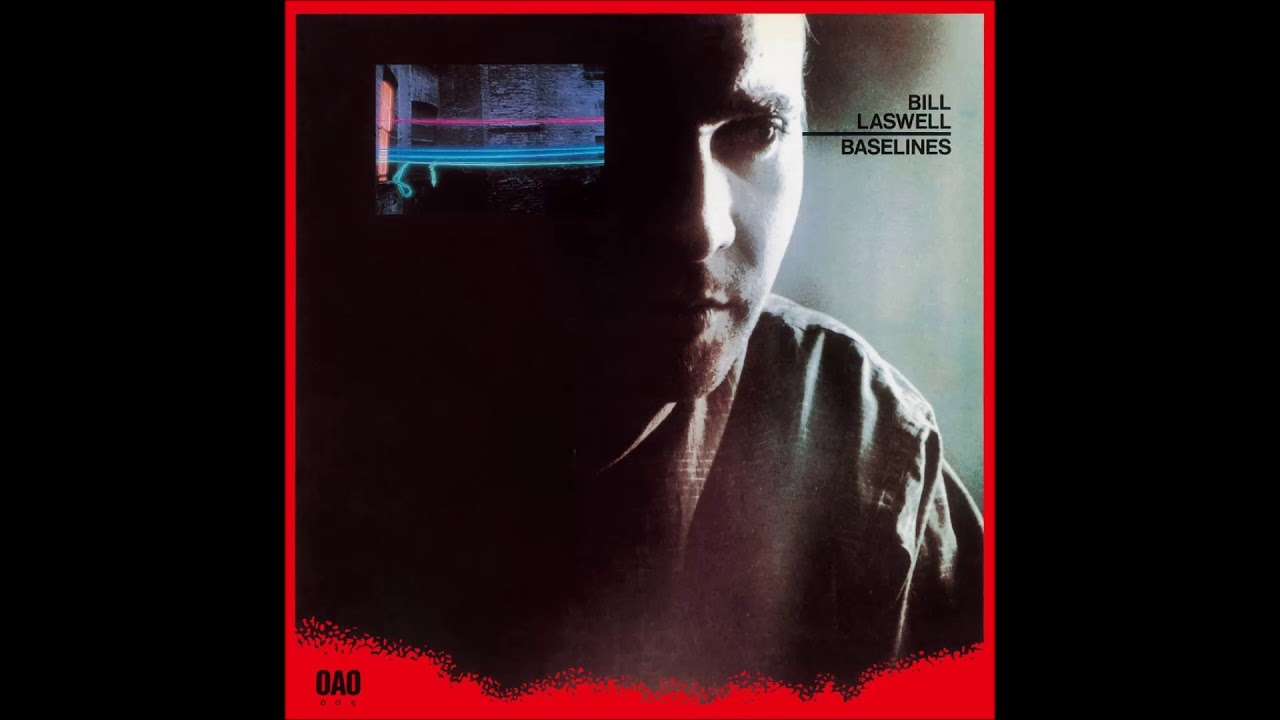
One of the many prophetic and profound statements made by Bill Laswell, renowned bassist for the renegade groups Material, Deadline, and Painkiller, and producer of such cutting-edge bands as Public Image Ltd, Motörhead, Iggy Pop, and the Lambomaniacs
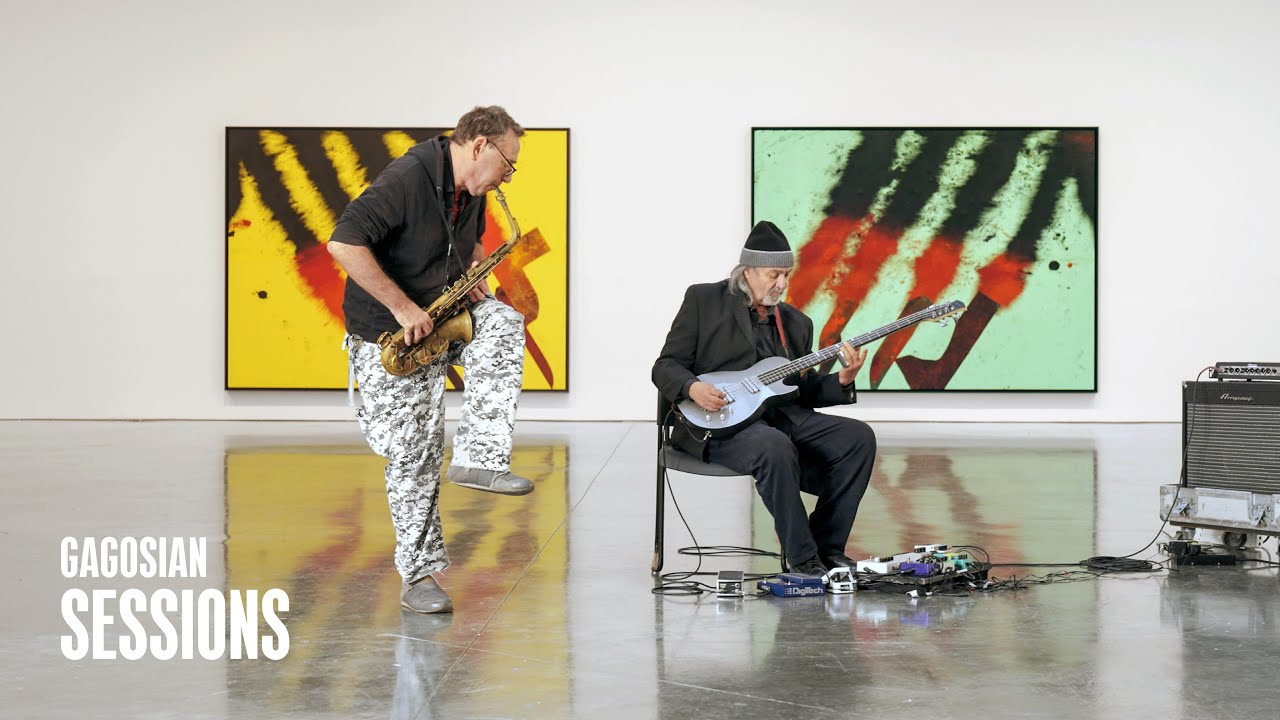
Channelling jazz, dub, punk, and hip hop influences, Laswell remains an enigma of bass-playing history and has blazed a trail in creating his own unique style.
“All I ever wanted was for a good drummer to say, ‘He’s bad. I wanna play with him,’” said Laswell in a rare Bass Player interview from January 1992. “There are guys beating up the bass and getting a bunch of notes out of it, but no one really plays great basslines anymore.
“What I value about the bass is the way the sound and the feel relate to an environment. There's an incredible amount of technique involved in just touching the strings, and very few people are aware of that.”
Laswell scored his first commercial triumph as bassist and producer with Herbie Hancock's 1983 album, Future Shock, which included the hit single Rockit.
After that, offers started to pour in, including Mick Jagger's She's the Boss and Laurie Anderson's Mister Heartbreak, as well as projects for Iggy Pop, Féla Kuti, Sly & Robbie, Motörhead and many others.

When asked about his aforementioned encounter with Jaco Pastorius, Laswell replied: “I was making a record with Deadline, Phillip Wilson's project for Celluloid Records in 1984, and Phillip ran over to the old Lone Star to get Paul Butterfield. Jaco was there, and he tagged along. We let him play for about three minutes at the end of Makossa Rock, but it wasn't happening.
“I saw Jaco play live in his early days, when he first came out. He had a voice – it wasn't even bass guitar, it was just this unique voice. The stuff he did with Joni Mitchell was great, but then he lost it.
“He made a great contribution, but what came after him was all these idiots trying to sound like him. That's why bass players today are so fucking lame. To me, bass is some serious shit. It's like a religion or a good Western; it's beyond music – it's about character.”

Is there anything you're especially proud of in your work as a bass player?
What I'm sort of happy about is the way I sound like a lot of different people – it doesn't sound as if I'm just rescheduling the same events. Also, the way I use a lot of different instruments implies a different approach, but it's got more to do with playing than it does equipment.
I don't talk much about instruments, and I don’t have huge respect for them. They're just tools; you use them to get ideas across and put music together.
What's your attitude toward the bass?
As a bass player, I'm more influenced by religious writers like Gurdjieff or Aleister Crowley than I am by some jerks who play fusion music. And the magazines that glorify these people are just a total waste. I'm not talking about one person in particular, I’m talking about 99.9% of that shit.
There are very few bass players I can listen to; I hear a lot of people with incredible technique doing exercises on the instrument. But as far as playing great lines, playing with a great sound, incorporating it into the music, knowing how to make music really work – I hear very little of that. People are getting around more on the instrument, but that's not interesting to me at all.
Are there any exceptions to that?
Jonas Hellborg is an exception. And Bootsy Collins is a great bassist; he has a limited style, but it's real. What he plays is coming from great experience and a real devotion to a certain style, but these people doing all these acrobatics, tapping and whatever, don't play what I value: good lines and creative ideas about how to juxtapose rhythms with drummers. The feel is what's important.
You must admire James Jamerson.
Everybody likes Jamerson. He played with a natural feel, he had a sound, he had a style. I admired Jamerson when I was a teenager; I heard a lot of great bass players when I was growing up in Detroit.
Do you use both your fingers and a pick?
Yeah, but I stopped playing with my thumb because I felt that style was being exploited without being understood. When Larry Graham did it, it sounded good. And Bootsy has his own style, which is not like Larry's at all.
There was a guy named Doug Rauch who played with Santana; he had a real original style of playing with his thumb. Outside of those three people, I don't think there's anyone else I would bother listening to in that style.

As far as playing with a pick, I'm not really an authority, but it's another technique that works for different kinds of music. It's good if you're going for some kind of conviction and intensity.
Guitarist Bob Quine once said you were the best bass player he ever played with, because you listen and react so well.
Well, Quine never could stand people just dicking around on their instruments. To be honest, I'm not a fan of Quine, but I'd rather hear his stuff than some of this other shit that people are passing off as guitar playing. It sounds like typing.
Have you seen any bands live that impressed you?
I don't go to concerts; I can't concentrate for more than a few minutes on one style of music. That's why I liked what John Zorn is doing with his band, because he jumps from one thing to the next. All the events are squashed down to precise statements – shorter and shorter. I think that's really clever.
You also worked with Motörhead?
They're not that versatile, but they had a commitment to what they do, probably more than most bands. Lemmy’s really into the shit that he's doing. He’s really committed to being in a band. I’m sort of the opposite of that; I have no interest in it, but I can see why it really suited him.
What do you think of thrash bands like Slayer?
I guess in principle I like them. I'm not real excited about that music, but I don't have a problem with it. I'd rather hear that than 90% of the shit that's selling.
Has your interest in Middle Eastern, Asian, and Indian music affected your approach to the bass?
It has, but in a gradual, indirect way; I can't really pinpoint it. I've been working on a kind of North African music called gnawa music. There's a three-stringed instrument called a sintir, which has a very low register – it sounds a lot like a bass. To hear that instrument played is really an experience, and I suppose that has influenced me – to some degree.
What did you think of Paul Simon using Olodum on The Rhythm of the Saints album?
I thought the sound was nice, but I'm not a Paul Simon fan ever, under any circumstances, at all. Neither is Olodum. All the rhythm stuff on his album was well played and everything; it's just that when he put his voice and the rest of that shit on top of it, it's like, ‘Why?’
Do you feel that people at record companies are opening up to more challenging music?
I don't think the people at most record companies would know challenging music if it was right in their faces. I've been hearing challenging music since I started listening; I've heard it in the streets, in the Middle East, in Africa, in India, in Asia. The shit's been there the whole time.
Is there a particular bass you're using these days?
It depends on what I'm doing. I've got a lot of different instruments, and I use them for different areas of music.
All these magazines that talk about equipment – I think it's a waste of paper. All it does is promote equipment; it doesn't explain why people are interested in music or how they got to where they are.

Do you favor a particular method for recording your bass?
The question is: what's the music and how does the bass fit in? Sometimes I'll use a really close delay just to project the thing. Sometimes tons of pedals; other times, straight into the amp.
I use a lot of different amps: Marshalls, mostly, but sometimes SVTs for warmer stuff or a combination of different amps. You should leave yourself open to random things occurring – a blown speaker might be exactly what you need.