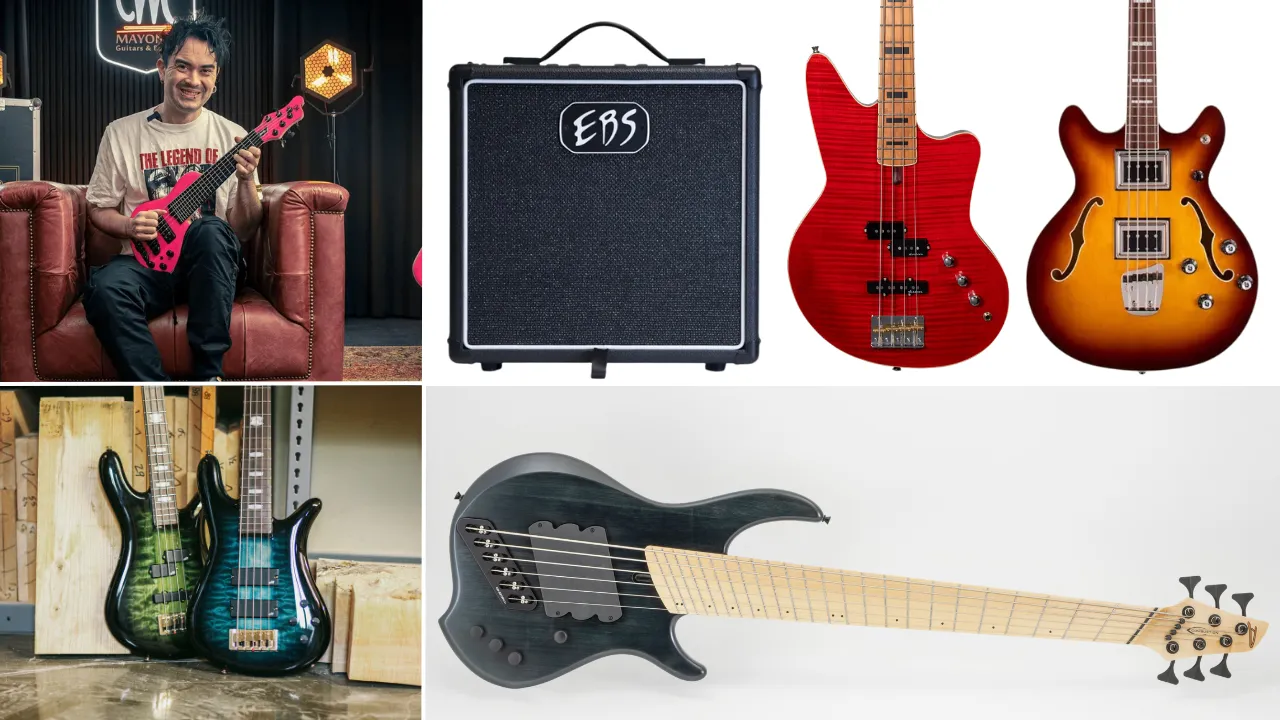
Liv Thompson may not be a household name in some corners of the bass guitar world, yet Little Mix, Zara Larsson, Cat Burns, Raye and many other names among the pop world’s elite have called upon her services as a touring musician.
“Most of the time I can’t believe it’s real,” says Thompson. “From playing Tiny Desk Concerts and the Pyramid Stage at Glastonbury to SNL and the Grammys – I’d still love to play Red Rocks, so I’m keeping my fingers crossed for that one!”
For many of us, taking that step into the seemingly cut-throat session world is a step too far, often incurring both job insecurity and financial risk, though for Thompson the rewards have been plentiful.
“I’m from a small town in East Yorkshire, England, and I wasn’t sure what to expect when I went to music college. I just knew I wanted to play bass in any capacity I could. To be fortunate enough to play at the Grammys is above and beyond anything I imagined.
“My first TV show was something I’ll always remember. That was Strictly Come Dancing [the UK equivalent of Dancing with the Stars] with Little Mix, but playing the Grammys with Raye was truly wild.
“Raye’s such an incredible musician and songwriter, so playing with her is always a lot of fun. Her music moves from one genre to the next – be it jazz, funk, rave, or ballads – and it really has everything, always keeping you on your toes.”
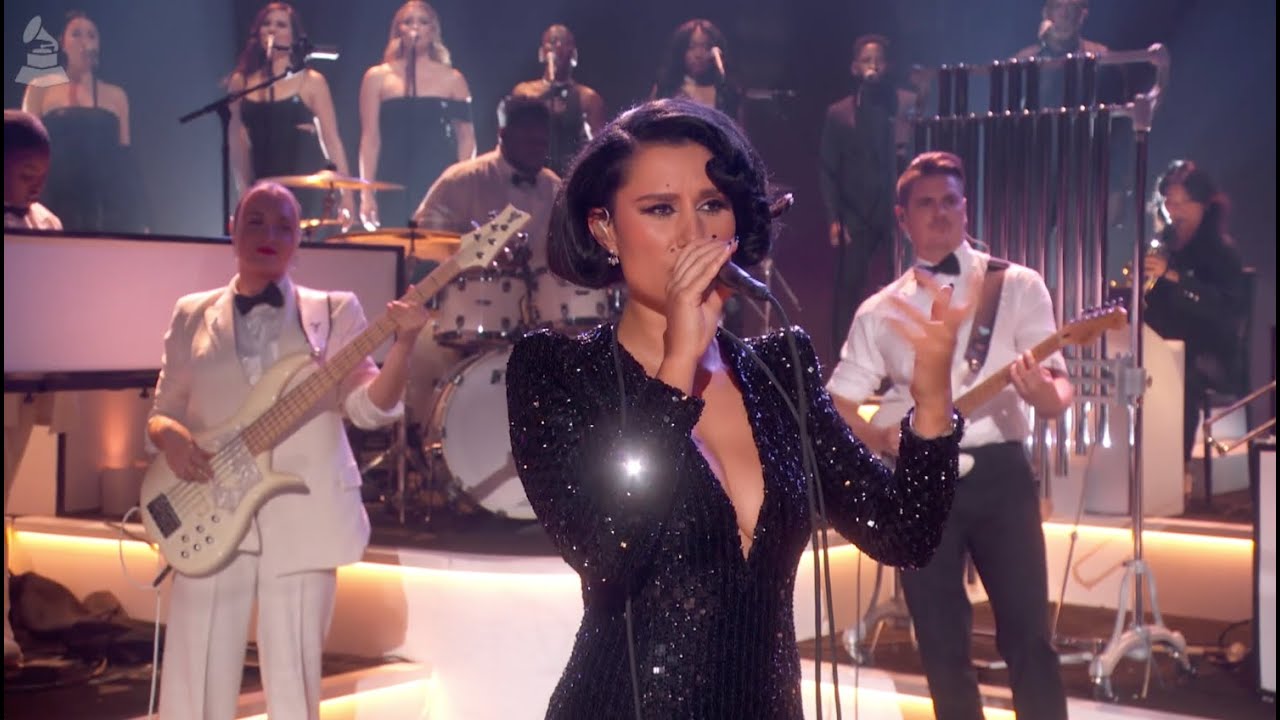
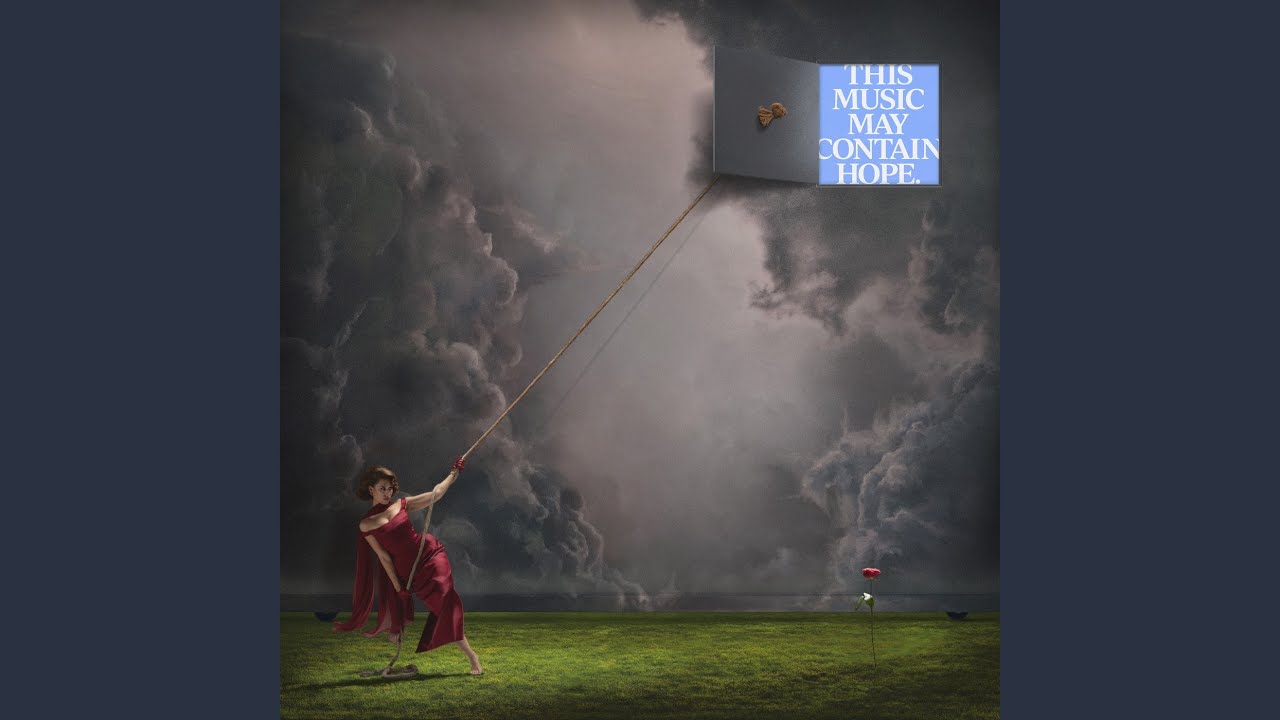
The bass playing on Raye’s latest album, This Music May Contain Hope, is nothing short of creative and well executed – a refreshing change in an age of programmed basslines and chopped-up samples.
Thompson also contributed to some of the album’s low-end magic and can be heard on tracks such as Fields, Goodbye Henry and Happier Times Ahead.
In Thompson’s case, it’s an awareness of what it takes to make a situation work, together with an impulse to keep things simple, that has proved essential.
“I’ve attended seminars with Michael League and Sharay Reed. I’ve been given priceless advice by some great bass players – but be careful whose advice you take. The most powerful advice I’ve been given is to play with consistency.
“The bass is the foundation, so power, intention, and consistency really are key. As a young musician, there are so many people giving you advice, but what works for them might not work for you. There’s no blueprint for this industry.”
If you’ve already caught Raye on tour, you will have seen Thompson taking to the stage with a full arsenal of basses, including her Fender Precision, a Duesenberg Starbass, and a F Bass BN5.
“I bought the F Bass in my second year of music college. I saved up my function-band money until I finally had enough to buy it. I have an amazing guitar tech when I tour with Raye, who looks after most of my basses on the road, but I keep my F Bass with me at all times! That’s really my go-to, along with a Fender Precision ‘57 Reissue. I also tour with a Moog Sub37 synth bass.
“For Raye specifically, I find my Fender P-Bass is the one that really cuts through the mix. I’ve worked a lot with the front-of-house engineer, trying out different basses, but the P-Bass just works. I’m also very lucky to be placed really far forward onstage, which, as a bass player, took some getting used to!”

What’s your pedalboard setup?
I’ll tailor my board to the requirements of the gig, but I try to keep things as concise as possible when touring. My setup at the moment is a Noble DI, a Boss GT-1000 Core for multi-FX, as well as a Boss OC-5 and a Billy Sheehan Drive.
I’ve found that having a high-quality multi-FX unit is often the best route, especially for session work. You can create any sound quickly, and the board footprint is small, without the hassle of sorting out a million patch cables.
How did you land your first pop gig?
I was on a summer break from my second year at music college, so I didn’t have much going on. Suddenly, I had a DM on Instagram asking if I would be interested in a gig with Little Mix. Two weeks later, I was in rehearsals!
I met drummer and MD Donovan Hepburn on that gig. He took a chance on me and gave me my first experience of a high-profile session gig.

Do you ever re-watch live performances?
I re-watch every live performance. Listening back to myself is really essential for me, so after every show that’s televised or broadcast live, I always listen back – not only to enjoy it, but also to critique anything that might need changing.
Do you ever get stage-fright?
I think stage fright is something that most musicians face at some point. I’ve learned to deal with it better over time, but it’s something you have to work with rather than try to avoid. There’s no getting around the fact that some shows can be scary, but the stress tends to go away the second I start playing.
How is your mindset different when playing live compared to rehearsals?
I’m more focused on the sonics in rehearsals, so I might be sitting down with the drummer and trying to connect with what they’re doing. When I’m playing live, the parts are locked in, so it’s more about performing and projecting the sound.

Do you have any pre-show rituals?
Before the show, I’ll spend a few hours getting ready, listening to music, and warming up so I’m not rushed at all. That’s really important to me. I like to take the time to get in the zone and feel ready and relaxed before stage call.
Do you have any favorite tracks to play live?
When I was touring with singer Barny Fletcher, he has a song called Christ Flow, and that has a super fun bassline. Woman Like Me by Little Mix was another really nice song to play live.
When I play with Cat Burns, my favourite bassline is from her song Free. It’s really beautiful and expressive. With Raye, I think if I had to choose, it would be Beware the South London Lover Boy or The Thrill Is Gone.

Is there a famous bassline that you wish you’d written?
Never Too Much by Luther Vandross. The fact that Marcus Miller came up with that bassline at 19 is absolutely insane! When I auditioned for the RNCM, I played Phantom of the Opera by Iron Maiden. That’s also a masterpiece.
You studied at the Royal Northern College of Music?
I was there for four years. It was a really crucial time for networking, practising, and gigging locally. When it came time to leave, I felt ready to take on the industry. I feel like music college doesn’t necessarily hand anything to you, but it can give you the time to figure out which route you want to take.
Who is your all-time favourite bassist?
Pino Palladino. He’s pioneered whole movements of bass playing. Whether it’s on Voodoo or his fretless playing, his tone and vibe really appeal to me.
I also have to mention Kevin Baird from Two Door Cinema Club. That band really made me want to pursue music professionally – I was so into indie as a teenager.

What bassline would you play if you wanted to impress someone?
It depends on who I’m trying to impress! There are songs that I need to keep on top of if I ever want to play them, so I’d pick YYZ by Rush, Dean Town or Skymall by Vulfpeck, What Is Hip? by Tower of Power, or Teen Town by Jaco Pastorius.
If you had some lasting advice for other bass players, what would it be?
Listen to other bass players as much as possible and try to recreate whatever you’re hearing – whether it’s transcribing lines or achieving a tone you hear on a record. It’s really important to be able to replicate things like that.
I would also say to have a rig that’s as versatile as possible in terms of tone, and be open to learning and adapting to different situations. Having a presence on social media is also important. Gigs really can come out of nowhere.