


Even though he’s lent a hand to Sheryl Crow, The Wallflowers, Bonnie Raitt, Lucinda Williams, and Jackson Browne, Val McCallum doesn’t see himself as an in-demand session musician.
He’s downright humble, if not self-deprecating, recalling a moment early on where he failed. “My mom offered to buy me a car if I’d just learn to read music,” he tells Guitar World. “I didn’t get the car!”
He found himself in the right rooms with the right people when he was as young as 19, but that didn’t make him sure of himself. “I really had no idea what I was doing,” he admits. “It took me a while to calm down and relax, just do my thing and be confident.”
He continues: “It can be quite stressful when you work with artists like Randy Newman or Jackson Browne for the first time. You need to appear really confident and comfortable – whether you feel that way or not. Bluff it if you have to. Block out the voices in your head that say, ‘Who do you think you are? What are you doing here?’”
McCallum is working on his solo career and with his band, Jackshit, while maintaining his position as touring guitarist for Browne. He no longer has doubts – at least not like he used to.
“You realize you’re there because you’re supposed to be. You actually do know what you’re doing. Trust your instincts, speak up, help solve problems, and be confident. Artists respond great to it.”
What was your first job in a recording studio?
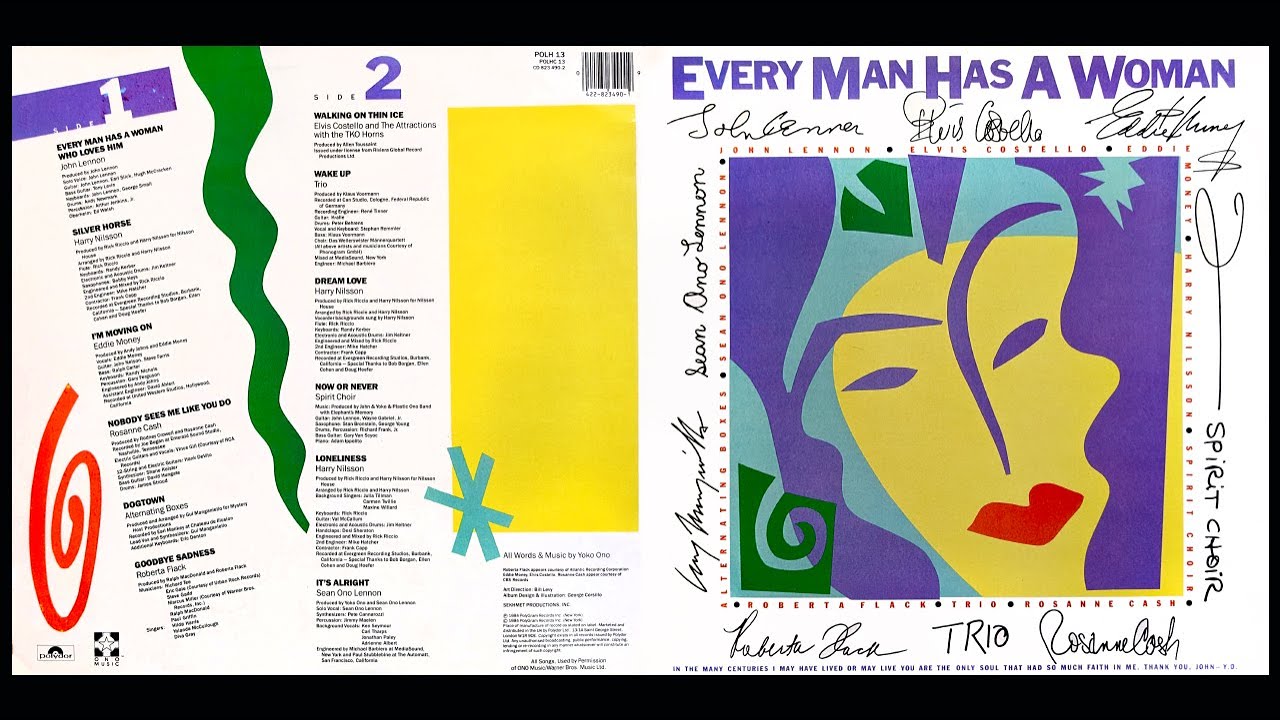
A friend’s father was lawyer for Ringo Starr and Harry Nilsson. I was over there one day when my friend’s mother said, “Harry, you gotta hear Val play the guitar!” Nilsson said, “Don’t make me do that to the kid!” But I ran out to the car, grabbed my guitar, and played for him on the couch.
He asked me, “What are you doing next Wednesday?” He invited me to come down to the studio and record with him for a Yoko Ono compilation album. That session had Jim Keltner on drums and some other wonderful musicians. That was my first proper session. I was 19 years old.
After that, Harry was kind of like a mentor to me. He was a really sweet friend. Then Keltner recommended me for a few things, and that’s when my studio work kind of got going.
Did you want to be a session player?
I’ve done a fair amount of studio work, but I’ve never considered myself a session player like my heroes Tommy Tedesco, Larry Carlton, Louis Shelton, Waddy Wachtel, Michael Landau, and Steve Lukather – guys whose names I read in the liner notes of my favorite records.
They ran around town doing two or three gigs a day, every day. I have never been anywhere near that level. It’s not what I wanted to do. I kind of fell into session work, and I’ve been very lucky to get to keep doing it.
What sort of gear were you working with when you got into sessions?
All I had when I did that Nilsson session was a ‘62 reissue Stratocaster and a Jim Kelly combo amp. I had two pedals in my gig bag: an Ibanez TS9 Tube Screamer and a Boss CE-1 Chorus Ensemble. I still have both of those pedals! I may have had a wah pedal in the bag as well.
A few years later, Bob Bradshaw built me a giant rack, because you needed that to be taken seriously. It had a Soldano preamp and VHT power amp, tri-stereo chorus, stereo delays, and reverbs. It sounded like I was at the bottom of the Grand Canyon – the Jim Kelly amp and the Tube Screamer sounded so much better.

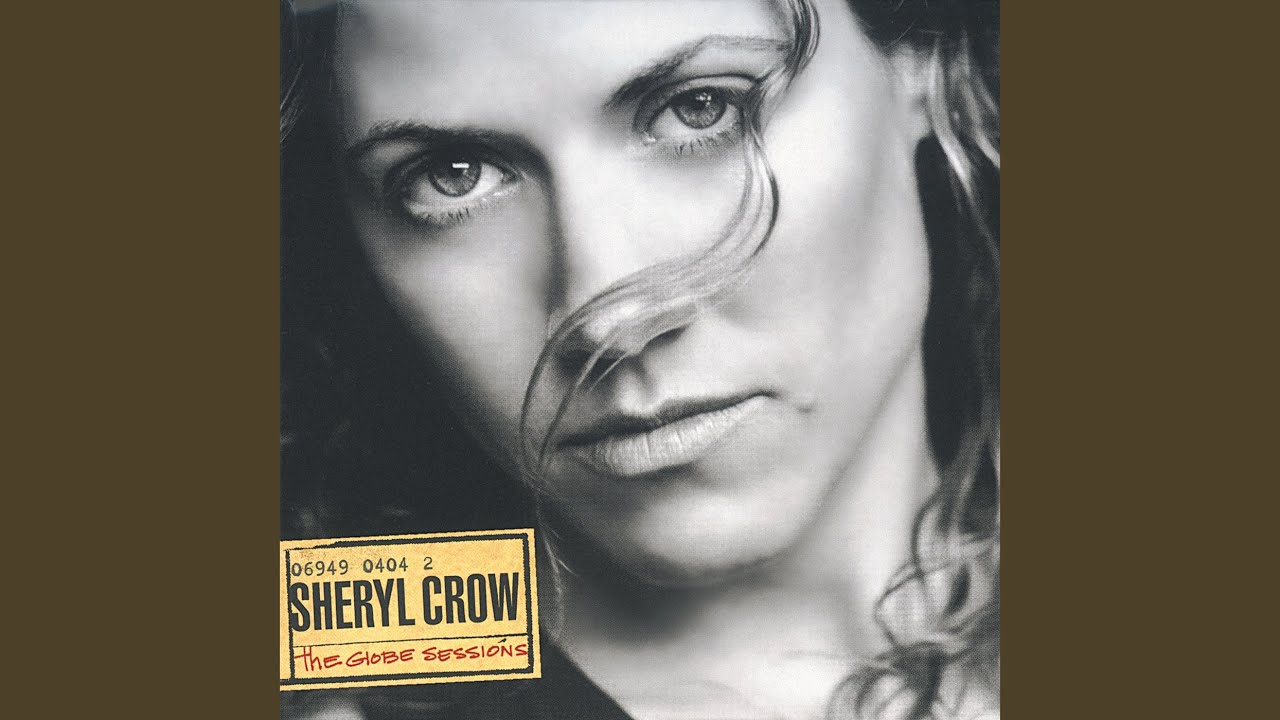
What led to your getting the call to work on Sheryl Crow’s The Globe Sessions?
I met Sheryl when I was playing with Michael Penn at the Roxy in LA. She asked me to join the touring band behind her first record, but I was unable to. A few years later, she called me in for The Globe Sessions.
I really like what I played on the last track, Crash and Burn. I used Sheryl’s vintage Tele Custom through a Matchless Chiefton. Sheryl’s Telecaster was a gift to her from a fan backstage, if I remember correctly – an early ‘60s slab-board Tele Custom with original wiring. It had the mud cap on the front pickup, which makes it sound like the tone control is rolled off.
Lucinda’s music gets recorded live on the studio floor, solos and all. It’s all about feeling everything you play
Normally, I find that sound kind of useless, but on Crash and Burn, it worked really well with the effects I was using – the CAE Freddy Fuzz in particular. I love the sound of that track. Sheryl is obviously an amazing talent and a great producer. I was thrilled to be involved.
You worked with Lucinda Williams for several years. How did you get a gig which had been a revolving door for guitarists?
Lu occasionally sat in with my group, Jackshit, so I was already on her radar. I was thrilled to be invited to do her Blessed record. She’s one of my favorite songwriters of all time, and I love her like a sister.
Were you a fan of Lucinda’s previous guitarists, like Gurf Morlix and Doug Pettibone?
Of course, I love both of those guys. Doug is a good buddy. And I think he’s the perfect guy to play Lu’s music – such a relaxed, tasteful player and so easygoing.
I think I did a good job playing live with Lucinda. There’s a lot of soloing on the gig, so it’s great fun. It was a bit nerve-racking as she has so many songs, and she played a different set every night, and you don’t see the setlist until showtime.
What was it like working with Lucinda on Blessed, Down Where the Spirit Meets the Bone, and The Ghosts of Highway 20; and what gear did you use?
Everything about the way she performs is just so natural, in the studio or on stage. She’s been at it for a long time, and she’s pretty amazing. The music gets recorded live on the studio floor, solos and all. It’s all about feeling everything you play, because that’s the way she does it.
She’s deep inside the song when she sings – her vocals happen live as well. For recording gear, I always use a ‘64 Princeton Reverb as a head through an isolated single 12 cab with a Vintage 30 or a Jensen C12N.

For electric guitars, I’m pretty sure I had my Coodercaster, ‘57 Esquire, ‘63 Gibson Firebird, and a ‘59 Jazzmaster. My main acoustic is a ‘30s Gibson Roy Smeck that was a gift from Jackson Browne, and a ‘30s Gibson L0. I always use a Menatone Red Snapper for overdrive, a Boss GE7 EQ, and a Line 6 DL4 for delay.
How did you get the gig with Jackson Browne?
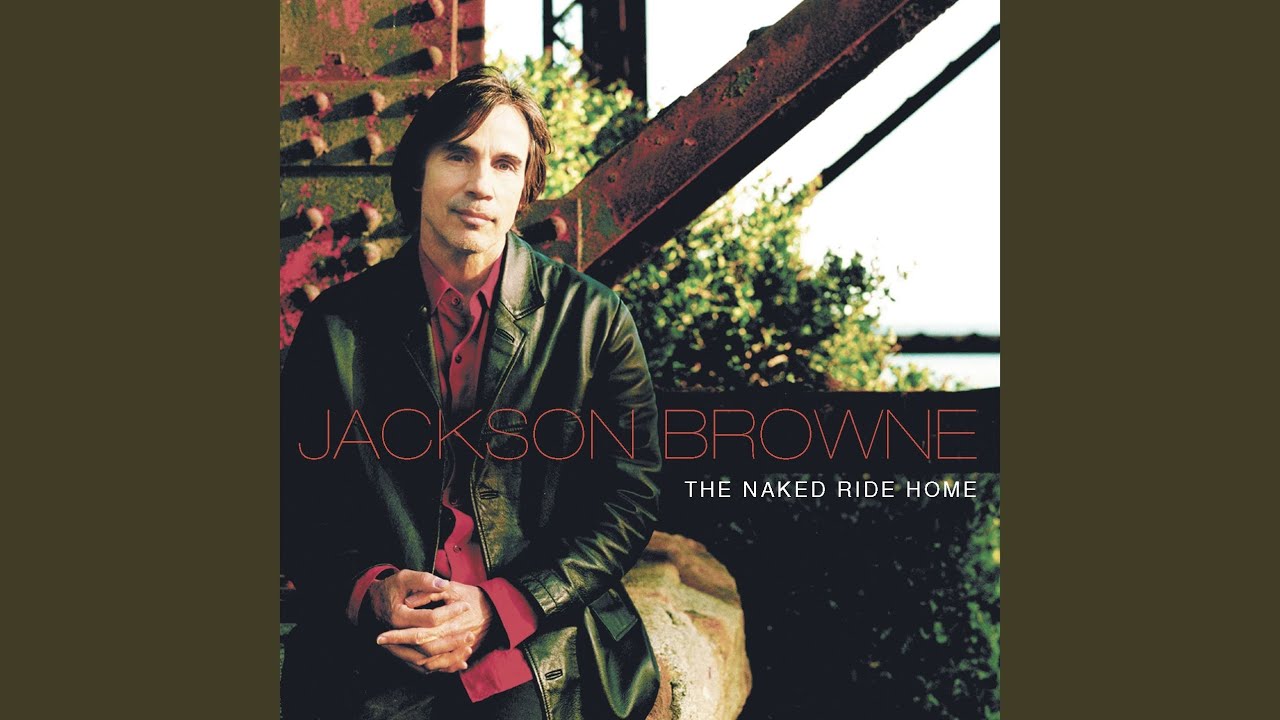
I was playing with Vonda Shepherd, who used to sing in Jackson’s band. He heard me playing with her and asked me to play on a song on his record. The song already had beautiful guitar parts played by Mark Goldenberg and Greg Leisz, but there was still space in the track that he wanted me to fill.
Never think Jackson’s not paying attention, because he always is. He hears everything on the stage
I’ve always loved Jackson’s music and really wanted to do a good job, so I was a bit nervous. I was set up in the control room right next to him. I didn’t realize it then, but it was kind of an audition. The session went great; it was one of those very satisfying moments I’ll never forget. He asked me to join the band after that.
What gear does Jackson prefer you use, and what’s the key to keeping him happy and tackling the classics?
Jackson has great taste in gear. We all like the same stuff: vintage Fender amps and vintage guitars. We’ve all got gear acquisition syndrome! There’s always a lot of beautiful old guitars on that stage.
Jackson likes to hear the parts on the records, but he also likes to hear players do their own thing. It’s a perfect gig in that way. You just have to be prepared and never take the gig for granted – and never think he’s not paying attention, because he always is. He hears everything on the stage.
Greg Leisz is the other guitarist in the band, handling all of the beautiful David Lindley stuff. Honestly, there aren’t too many people who can pull that off properly. Greg does an unbelievable job. I’m in heaven whenever I play music with him.
He’s also one of the most generous musicians I’ve ever met. He’s having a musical conversation with you – all you need to do is pay attention, and magic is going to happen.
What’s the latest on your solo career, and where does your session career stand today?
I just finished my fourth solo album, written with my good friend Rudi Maier from Berlin, Germany. We’re currently mastering it. It should be available in the next few months; it’s titled As If We Didn’t Know. Studio work comes and goes, and I do a fair amount of recording from my home studio.
How has your viewpoint on gear changed since you started?
I’m using the same stuff I’ve used for most of my life: vintage guitars and amplifiers, and I have eight Menatone Red Snapper pedals. As well as vintage guitars, I use these Danocaster guitars. He makes Strats and Telecaster and Jazzmaster-type instruments. They’ve been very good to me.
But ultimately, I’m a fan of simplicity – especially when I’m in the studio, where people are staring at you and want you to come up with something cool quickly. I can’t be fussing with gear in that kind of situation.
What’s the key to staying in demand?
That’s a tough one – I’ve never felt like I’m particularly in demand. I do try to stay on the scene. Don’t say no to things because you think you’re above them. One thing will lead to another if you keep putting yourself out there.

