


When it comes to merging the worlds of composition, technique and feel, Aziz Ibrahim is up there with the best of them. But despite playing with Simply Red, Asia, The Stone Roses, Ian Brown, Paul Weller and Steven Wilson, a hint of ‘what could have been’ remains in his career.
“I was prevented from reaching the US,” he tells Guitarist. “Life and politics always got in the way. But after I stopped touring with Ian Brown, people would ask him, ‘Hey, man, where’s that Asian Jimi Hendrix that plays with you? Why haven’t you brought him with you?’ So I missed out on the US, but putting current politics aside, the US was – and is – one of the places I always wanted to tour.”
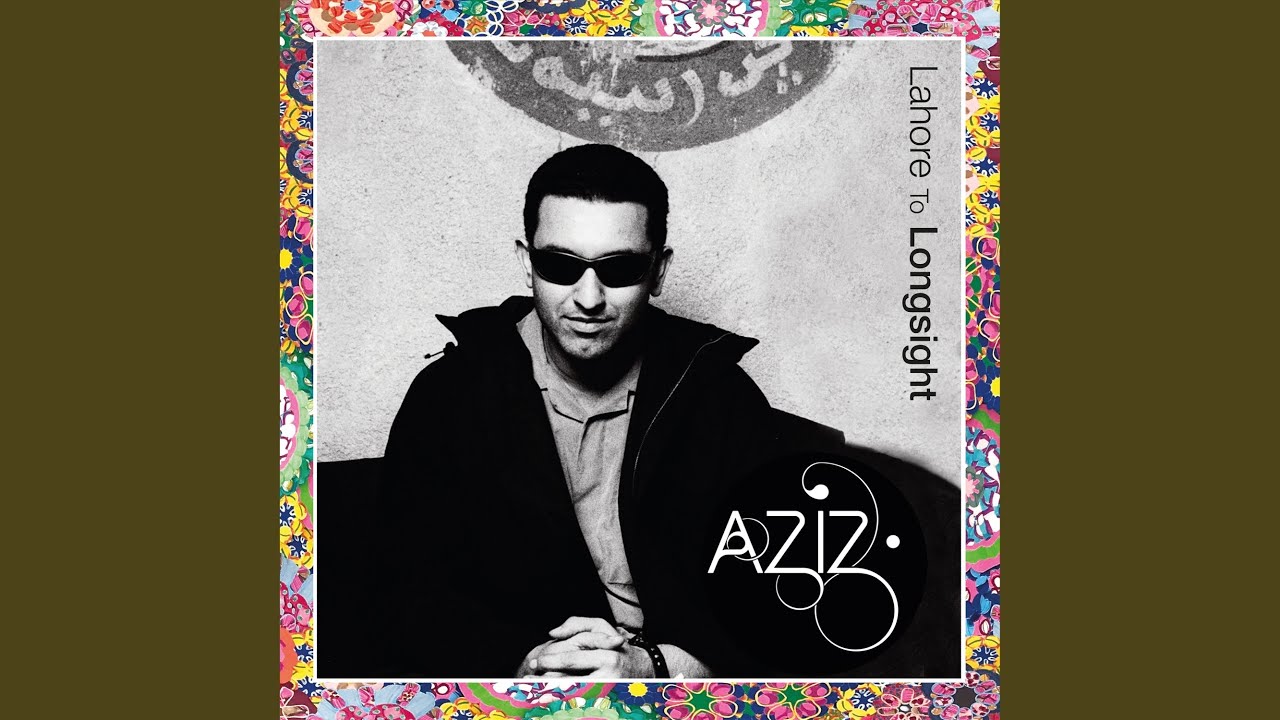
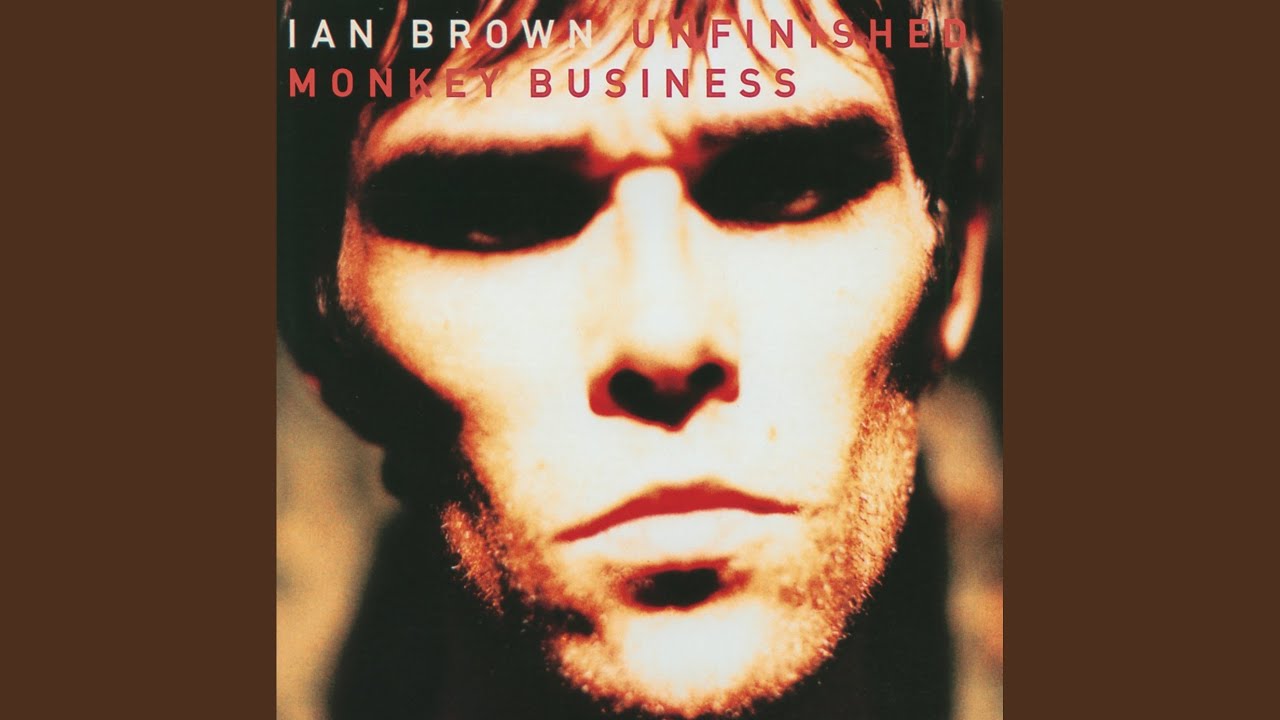
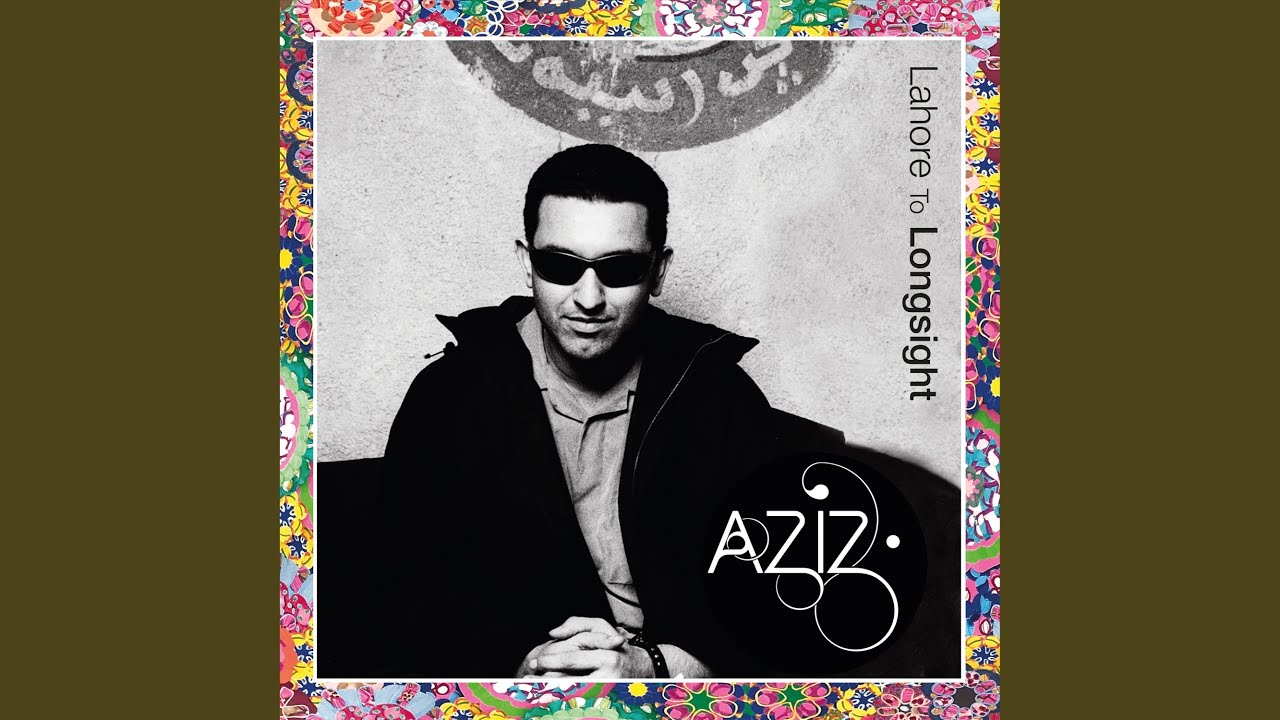
Now 62, Aziz says that people probably “wonder where that great body of work is” when looking back on his career. But the evidence is clear: his playing and songwriting are all over albums such as Asia’s Arena, Ian Brown’s Unfinished Monkey Business, and Paul Weller’s Illumination, not to mention his 2001 solo record, Lahore To Longsight, its title highlighting his Pakistani heritage and the area of Manchester in which he was born.
“I just love the guitar,” Ibrahim says with a shrug. “It doesn’t matter what I’m doing, it’s just great to be playing guitar and playing well. And with each era, there are new styles of playing and new things to discover.”
As for why, in his eyes, he never made it big, Ibraham says: “I wasn’t cut out for being a session musician. I’m too used to the freedom of being in a band and playing within that dynamic. I don’t like to be told what to play, what to wear, or having my sound kept in a box. There’s a science and skill set to that – I’m not one of those players.”
Simply Red and Asia had their moments of that coveted band dynamic, but they couldn’t hold a candle to Ibrahim’s ’90s tenure in The Stone Roses as a replacement for John Squire.
“There were hardships of being accepted,” Ibrahim recalls. “But the sweet part was the education, which was invaluable. I learned so many things. I backed away from the technicalities of playing and concentrated on creating my own sound and my own style of playing.”
And that career-defining gig with the Roses springboarded all that came after.
“I’d never seen anything like it before,” Aziz tells us. “The esteem and how the band was treated… people would go quiet when the band entered. That was a world I didn’t know.
“Before The Stone Roses, it’s not like I was in Guns N’ Roses [laughs]. I didn’t know about the status of a band like the Roses or how people reacted to that. I felt like a sober observer, looking out from the inside. I guess I could be a journalist writing a story of what it’s like to be in the coolest band in the world… with a ’59 Les Paul in my hands [laughs].

What initially got you going on guitar?
Ever since I was eight years old, I was mesmerised by the guitar. It was like a silver-stringed angel. And then, for my birthday, there was a guitar in the window of a hardware store, which was, like, £5, quite a lot of money in those days… that was my first. It was small, like a ukulele, but I’ve never looked back.
How did the Manchester scene you grew up in affect you as a player?
Firstly, I’m self-taught. I can’t read or write music, but I can compose for an orchestra or any artist. But the strange thing about Manchester is that it has a very diverse music scene – people think it’s mostly indie and alternative, but there’s a lot there culturally.
I don’t have a preference and I enjoyed all of it; I just wanted to play music and join a band. I grew up with street culture and was very into dance, but I was hungry to play the guitar, so I got into Santana, Van Halen, Metallica and then Bob Marley and session players like Larry Carlton.
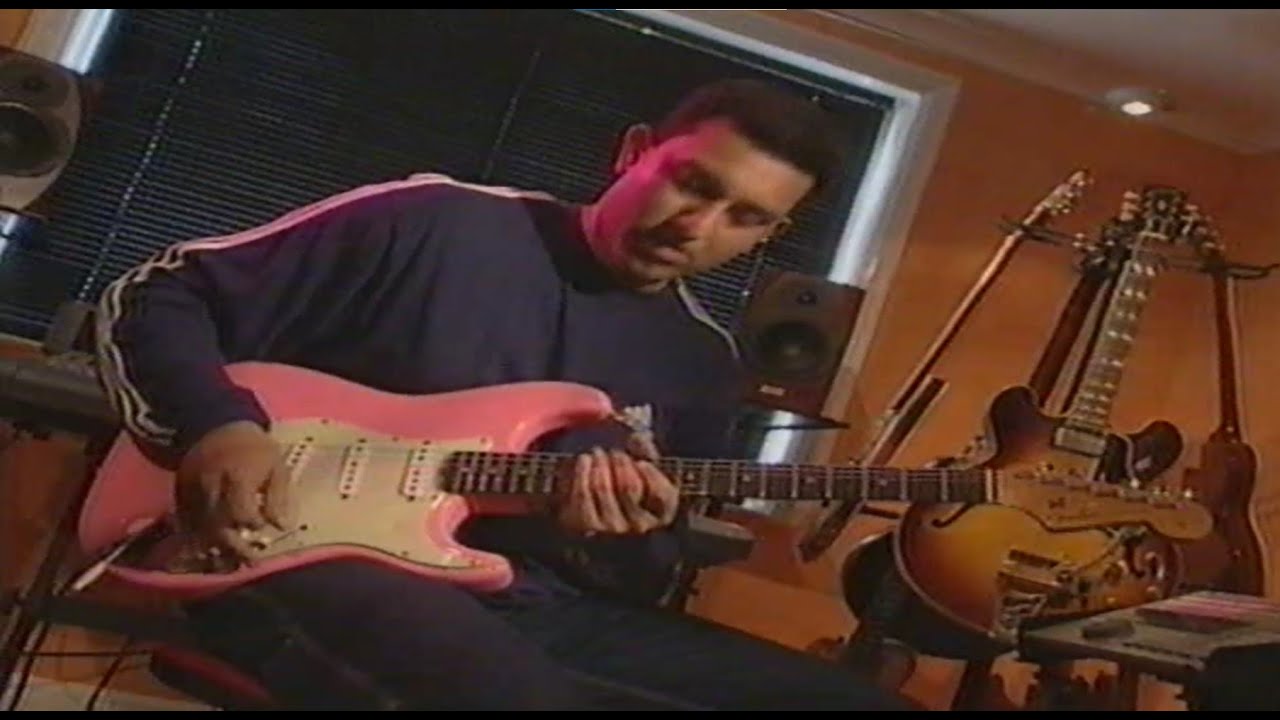
You joined Simply Red in 1987. What was that like?
That was the money period, where it began [laughs]. I had a bigger budget than I’d ever had, but when I joined I had a Marshall stack and an Ibanez Pro Line in Cherry Ice. It had covered pickups, an HSS setup, and it had the new Ibanez headstock that was pointier.
It was a beautiful guitar… but when I joined, I was asked, “Do you like The Rolling Stones and do you like reggae?” [laughs] I knew the disciplines… but they didn’t like the guitar.
I said to them, “Look, I haven’t got the money,” so they bought me a PRS in Emerald Green. And the cabinets I used were 4x12 Marshall Jubilees with Greenbacks. But they didn’t like the Marshall [heads], so they got me a Rivera TBR-1 head, which went into the Jubilee cabinets.

After that, you joined Asia. What gear did you use?
I recorded one album with Asia, Arena. That was different because when I came into the band I was using borrowed equipment. There were 100-watt Peavey heads, which were too heavy for the sounds I wanted to make. I wanted to add the dirt myself and go for a really ballsy, clean sound.
What was it like joining The Stone Roses in 1996, and how did your rig change?
It came as a surprise to me when The Stone Roses asked me to play for them because that was the ultimate rock ’n’ roll gig. And by that, I mean that somebody literally just handed me a 1959 Gibson Les Paul and said, “Yeah, mate, that’s yours to play.” Then they said, “Oh, and so are these…”
I looked at the rest of the collection and it was a 1959 Gibson ES-345, a 1959 Fender Strat, plus a ’62 and a ’64 Strat, a Gibson Hummingbird, and a plethora of beautiful amps. And some vintage pedals… I went from poverty and playing what I could afford one minute, and then the next minute I had the world’s ultimate guitars in my care.

Were you given these guitars, or was this band gear, so to speak?
I didn’t own them, but they were in my care because I was the guitarist in the band. As you can imagine, that blew my mind! But it was also an education because you don’t often get the opportunity to live with those sorts of instruments and appreciate what’s special about them.
How did that change you as a player?
The [guitars] are all beautiful and they’re not all the same. You grow with them… I grew up, shall we say. I grew up in the moment because I was spoiled, but I had the time to actually invest in learning what the qualities of those instruments were.
What were the band’s expectations of you?
It was a dream come true. They didn’t tell me how to be; they just wanted me to be an entity, a unique individual, and to let my personality shine. They wanted that to come out in the music, so it was about identity. I started to understand what being in a band was about, which is about what you have to say, not what you’re told to do.

Was that difficult to do, coming in as a replacement for John Squire?
That was bittersweet. The downside was that I knew you couldn’t replace somebody as loved as John. It was difficult in terms of being accepted, but also with the racism I faced during that period. In those days, people could get your phone number easily and I used to get death threats and all manner of calls.
For that to be related to music was mindblowing. It was difficult psychologically, but, musically, it didn’t take me long to learn. The hardest thing was that John is such a unique individual, so that was an education. That was the beginning of my reverse-engineering the damage in my playing. And when I say ‘damage’, what I’m referring to is the technical playing.
I was geared up to play Steve Vai solos, which needed dexterity, and I was [particular] about pickups, fretboards and fret height. But being in The Stone Roses sent me in a completely different direction. It was now about individuality, tonality and the sense of the song.

So what sort of player were you coming out of The Stone Roses, and how was that reflected in the work you did with Ian Brown on his solo records?
The demise of The Stone Roses was in April ’97. It was kind of a blessing, to tell the truth. I was playing Stone Roses legacy songs, but didn’t have any writing credits. The band was writing and making moves for a third album, and I didn’t really have a say in that, but I played on the tracks they were demoing.
But that demise was where I got to shine because Ian Brown was letting me write music, and if he liked something, he’d pull out a cigarette packet and write some lyrics on it [laughs]. So it was initially a solo album, but eventually became an all-valve-amp, all-analogue solo record for Ian.
What sort of gear and approach did you use once it became an Ian Brown solo record?
I’d gotten really into hip-hop and sampling. I was putting beats together, literally creating break beats, and then I’d loop… Like the first single off Ian’s album [Unfinished Monkey Business] was My Star, where I used a Rickenbacker 12-string, and I wrote the riff and then looped it and stuck it on a virtual track. Then Ian would transfer it to quarter-inch tape. It was a great process and I really came into my own as a songwriter.
I bumped into Paul Weller at a clothing store in Covent Garden and he said to me, “You wrote My Star…” and I was thinking, “Wow, this guy knows what I wrote and played”
You kept working with Ian, but also worked with Paul Weller on his album, Illumination.
Through my work with Ian, Paul took an interest. I bumped into him at a clothing store in Covent Garden and he said to me, “You wrote My Star…” and I was thinking, “Wow, this guy knows what I wrote and played.” But a friendship was built from that point and he invited me to play on his album.
All of this led to you recording your solo record, Lahore To Longsight, in 2001, which featured Paul and members of The Stone Roses and The Smiths.
I’d written the first album with Ian and was co-writing with Paul, and I thought, “I could actually do my own album.” So I wrote that album and all the friends I’d made from being in the Roses onward, and then with Ian, I managed to pull them together.
I had the rhythm section from The Smiths, Mike Joyce and Andy Rourke, and Reni [Alan Wren] and Mani from The Stone Roses, the fantastic vocalist from Primal Scream, Denise Johnson, and then Paul Weller and Steve White, Paul’s drummer. I basically called in all these favours because I didn’t have a band, and we put together this incredible album that encapsulated all these players.
In support of Lahore To Longsight, you put together a proper band with Mike and Andy and were set to tour the US, but it didn’t come to pass. What happened?
I financed the album myself along with my manager at the time. I finished it and was getting ready to tour the US with Andy Rourke and Mike Joyce. I felt like I’d arrived. I had this incredible rhythm section, but what happened was 9/11 hit, the US tour got cancelled and everything fell apart.
I put it down to the fact that I’ve got a Muslim, you know, Arabic name, and the reaction globally and in the US… there was just a lot of stuff going down. There was no way that anyone was interested in releasing an album by Aziz Ibrahim, so I shelved it. I tried releasing it on CD, but I couldn’t do it while working with Ian and Paul.
The good news is that you reissued Lahore To Longsight on vinyl for Record Store Day this year.
Yes! It’s on limited double vinyl, with all the photographs and information as a tribute to Mani, Denise Johnson and Andy Rourke, who have all passed away. This version is limited, but if there’s demand, I’ll take steps to do a deluxe version and find distribution in the US and Japan.
When you look back, you’ve got an incredible body of work…
I’m probably an artist where you wonder where that great body of work is. Global events always seemed to scupper my plans
Well, I’ll stop you there. I can tell you that it wasn’t a great body of work. I’m probably an artist where you wonder where that great body of work is. Global events always seemed to scupper my plans, and I didn’t want to be in the role of being somebody’s player or someone you hire to do tours and play other people’s parts. I always wanted to collaborate.
Why have you always coveted the band dynamic?
When you play for someone else, they don’t have the same backbone as a band does. There’s camaraderie within a band and they stick up for each other. But I’m not naïve… what’s kept happening in my life is that [bad] luck kept putting a stop to progress, shall we say.

That said, do you have any regrets?
No. We all say to ourselves, “If I’d done this, then I wouldn’t have been sacked,” or whatever. What is meant to be has happened. It’s all the lessons that you learn from, you go on making the same mistakes and having the same experience.
So I don’t always think they’re mistakes; I think they’re experiences that you need to move forward and move on [from]. Those experiences taught me a lot and that’s the legacy. If it helps others when you share them… music shouldn’t be a selfish thing. So with music and with experiences, I am always about sharing.
- This article first appeared in Guitarist. Subscribe and save.

