




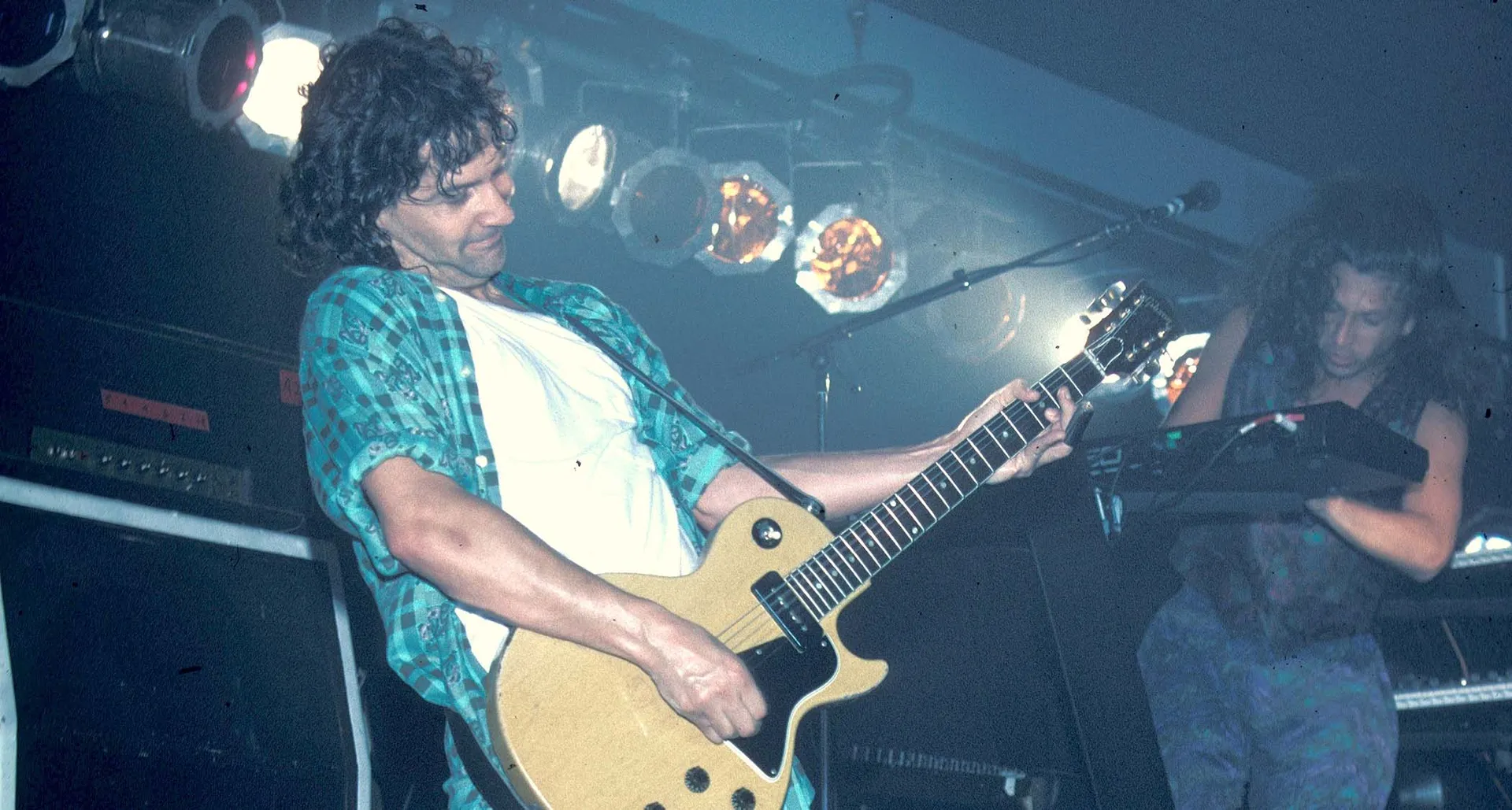
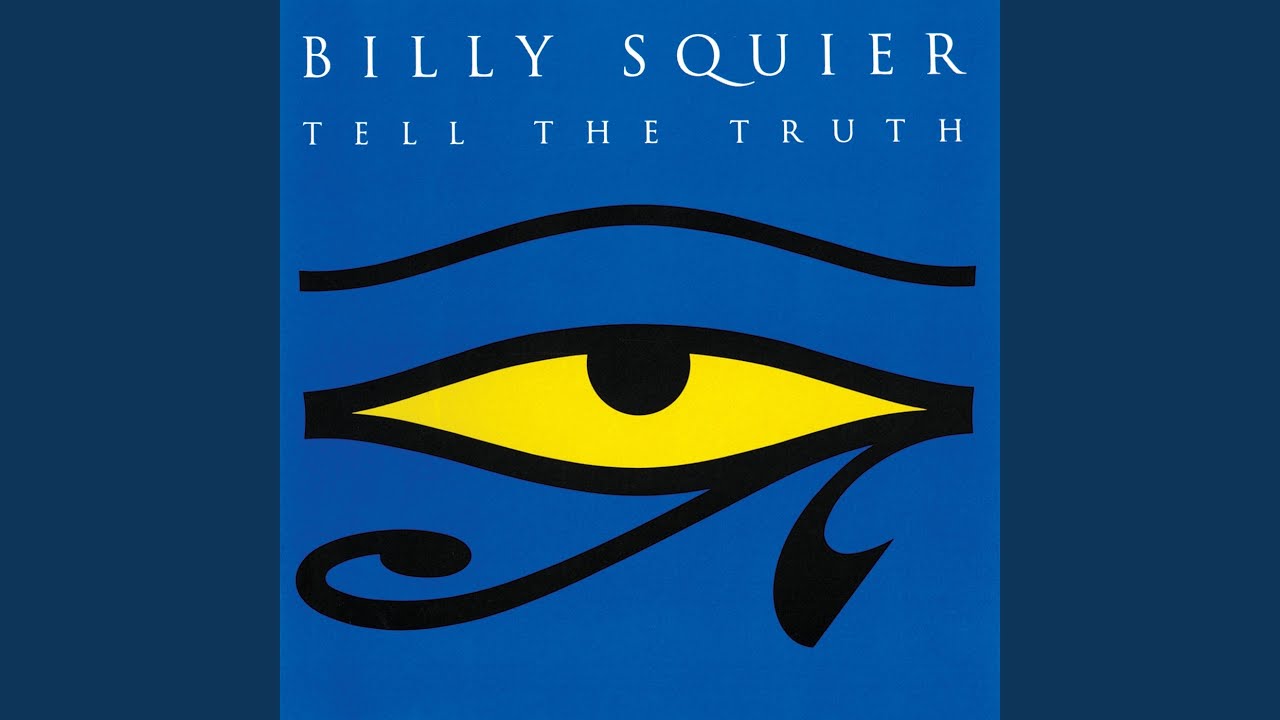
“I call this record ‘the best Billy Squier record you’ve never heard,’ because it’s the record most people haven’t heard,” says Billy Squier, one of the Eighties’ biggest rock stars, from his New York City home. “Capitol did put it out, but they did nothing to promote it, and the president of the label told me they were going to bury it.”
Squier first broke through on a mass scale in 1981 with his second album, Don’t Say No, and its signature track, The Stroke, before going on to enjoy continued success throughout the decade. In the early Nineties, as grunge began infiltrating the musical landscape, Squier’s guitar-driven style of melodic hard rock had seemingly become old hat.
Yet Squier had just handed his label the best record of his career, Tell the Truth, a record that would re-establish his brand of rock as a force to be reckoned within the grunge-soaked climate. Sadly, Capitol Records, Squier’s label at the time, had other ideas.
“I felt what Capitol label head Gary Gersh did was malevolent and almost vindictive,” says Squier today. “If he didn’t want me on the label, there were better ways to go about it. We could have sat down and he might have said, ‘The label’s going in a different direction. What can we do about it?’
“We could have sorted it out in an honorable way, but he couldn’t be bothered. He just fucking kicked me to the curb. I never expected to be sabotaged by the industry I’d come to think of as family, so my gut reaction was, ‘I don’t think this is a place I want to be anymore. I don’t want to be anywhere near this bullshit.’ So I walked.”
In 1993, soon after his showdown with Capitol, Squier exited the music industry for good. Apart from releasing an acoustic blues album in the form of 1998’s Happy Blue and embarking on sporadic live appearances, including two stints in Ringo Starr’s All-Starr Band in the later part of the 2000s, he has mostly remained out of the public eye.
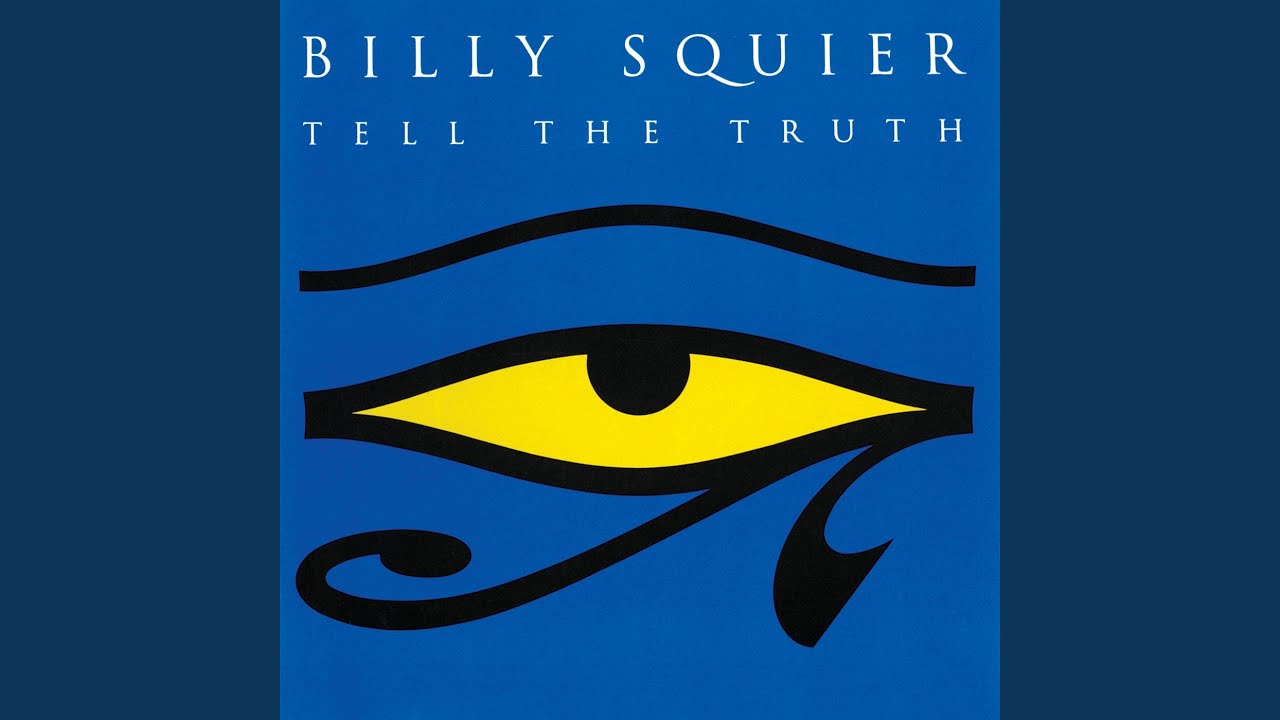
Last year, though, after years of silence, he tested the waters by releasing a new single, Harder on a Woman, and this July sees a reissue of Tell the Truth on vinyl. Finally, fans will get to hear what they weren’t able to hear upon its initial release in 1993.
“I’ve owned Tell the Truth outright ever since leaving Capitol, but I didn’t want to go out and peddle it,” he says.
“I didn’t feel I could simply hop to another label and be accepted with open arms. Capitol had put me in a position where I was suddenly on the outside looking in, where I couldn’t just take the record and go wherever I wanted and put it out and it was going to be great. So I just sat with it for a long while and waited for the right time.
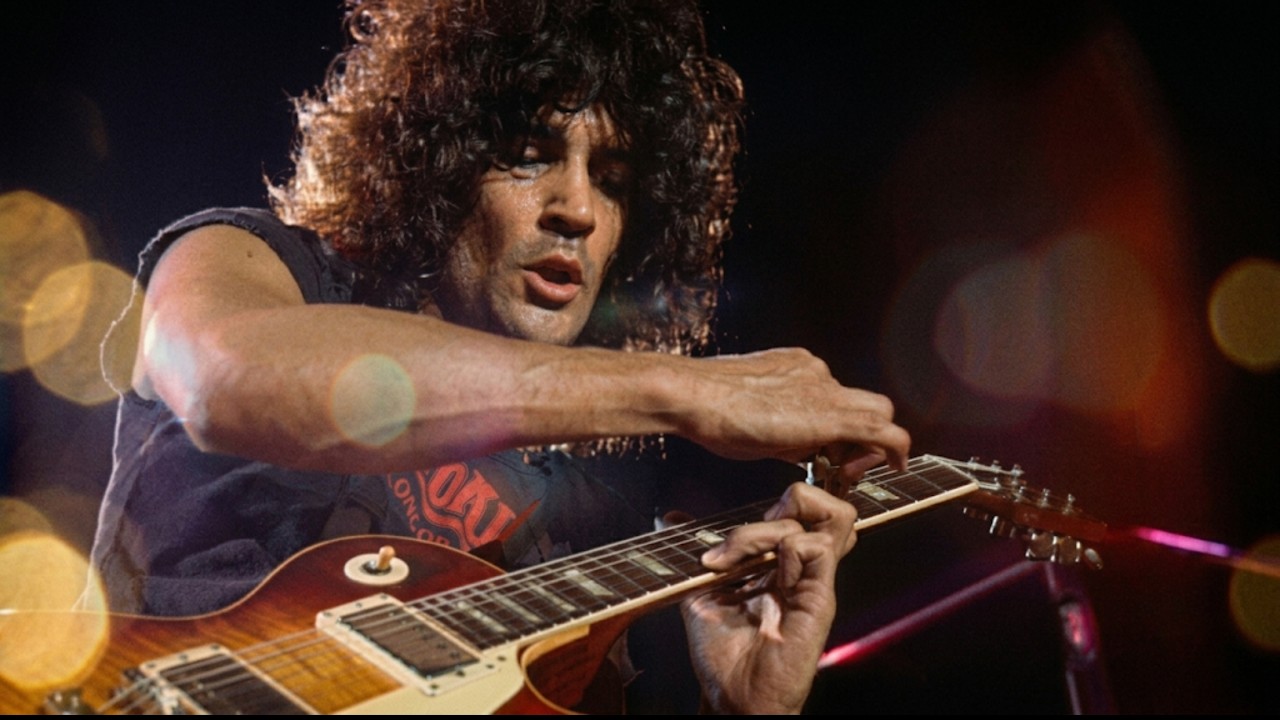
“Then, about a year ago, I got an email from a guy I’d never run into before. He said he worked for a small boutique label and they were really interested in doing a project with me, and was there anything I might want to do? A light went off in my head. I said, ‘I want to do a vinyl release of Tell the Truth.’
“He freaked out when I told him because he worked at Capitol when Truth first came out and he loved the record. He was young and just getting into the business, and he told me no one at The Tower could figure out what the label was doing with the record.”
For Tell the Truth, Squier brought in uber-producer Mike Chapman. “Mike was great to work with,” Squier says. “He came with his own engineer, Kevin Shirley. Between the two of them, they had the production end of it in really good shape. Mike came from a songwriting background, so he was able to comment insightfully on the songs I was bringing in.
“We shared a high level of mutual respect; at one point he actually told me I was the best songwriter he ever worked with, which I took to be a huge compliment.”
To flesh out his core band, Squier wanted to approach the recording of Tell the Truth with a more expansive perspective. “I had this idea of bringing in some of the other players I’d come to know over the years and put together different ensembles for each particular song,” he says.
“That really worked out quite well. The sessions got a lot more exciting; cats were playing together who didn’t normally play together. Everybody was on their toes and there was this aura of discovery. Everything was fresh and exciting.”
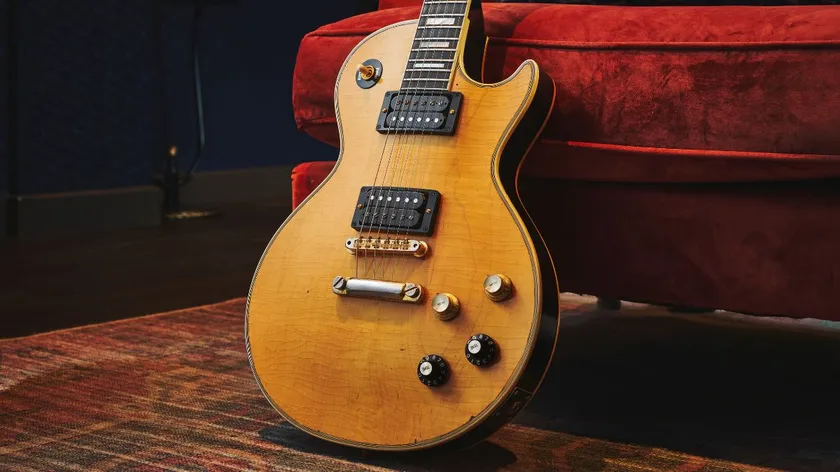
For the record, Squier utilized a number of vintage guitars, depending on what each song required. “Different songs call for different sounds,” Squier says. “I used a ’59 burst and a ’56 Junior, a ’51 Fender Nocaster and a ’62 Strat, a Gretsch White Falcon, a Martin D-18 acoustic, and a ’65 Rick-12. My amp of choice was a Marshall Super Lead 100 half-stack that I hot-wired in the mid-Seventies.”
How does Squier feel about Tell the Truth today? “Much the same as I did about Don’t Say No – you work your whole life to make records like these. I’m very proud of it.”
- This article first appeared in Guitar World. Subscribe and save.

