

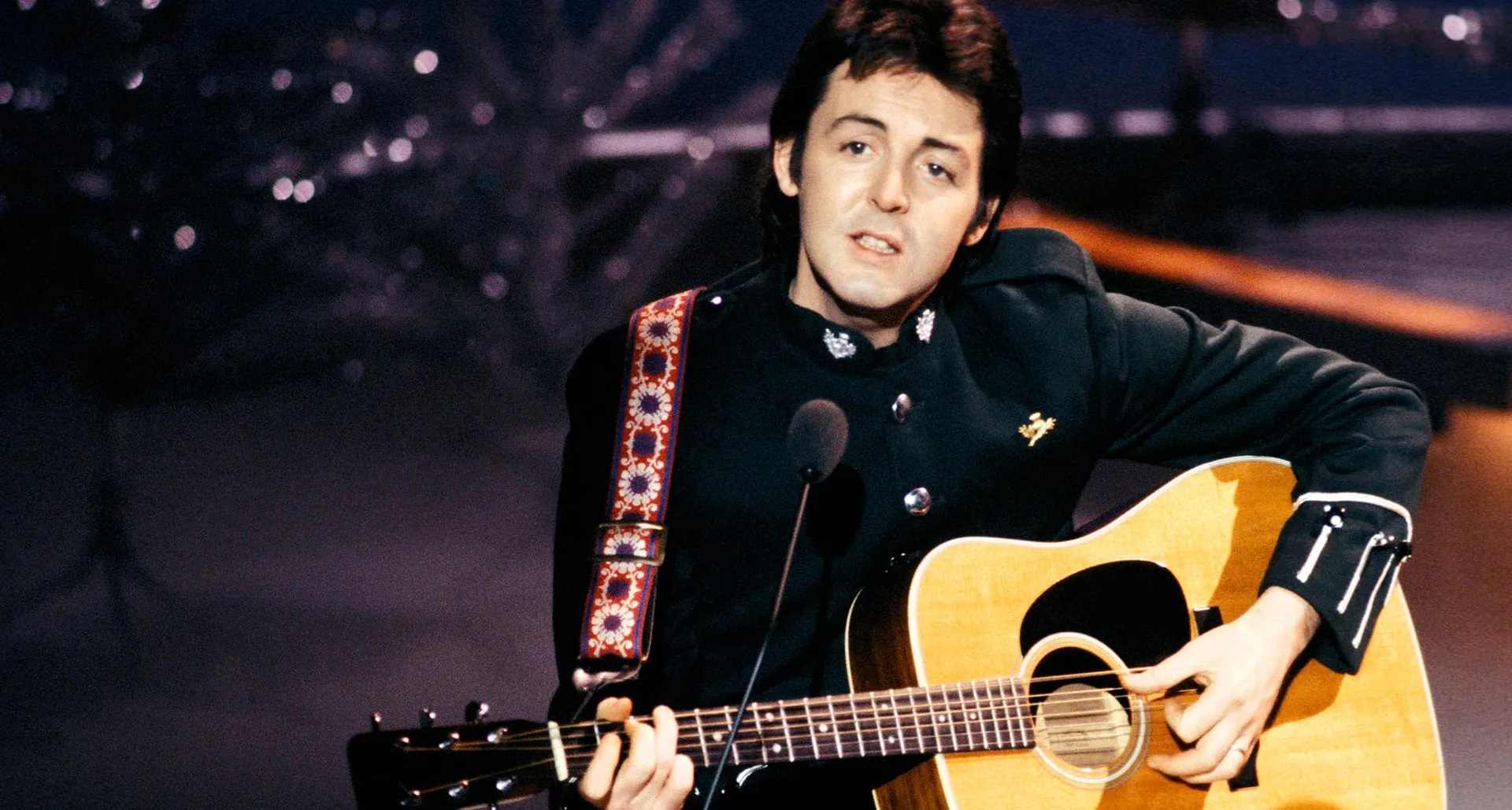
You’d be more likely to see a mosh pit at a Dave Matthews concert than a list of all-time greatest bassists that didn’t include Paul McCartney. With all the recognition McCartney gets for his bass chops – not to mention his songwriting genius – it’s easy to forget that he started his journey with the Beatles as a guitarist.
Only when Stu Sutcliffe stepped down as the band’s bassist in 1961 did the 19-year-old, baby-faced Paul reluctantly trade six strings for four.
Even after switching to bass, McCartney couldn’t keep his hands off the guitar. Try to imagine Beatles tunes like Yesterday, Blackbird or Michelle without his gentle acoustic artistry.
For that matter, try to picture Paperback Writer without his fuzzed-out electric guitar riff, or Ticket to Ride without the melodies he wrenched from his Epiphone Casino, or The End without his sharp, expressive leads, or the intro to Sgt. Pepper’s Lonely Hearts Club Band without the proud six-string proclamations he launched through a Vox Conqueror from his Fender Esquire, or Taxman without his solo’s blotter-art swirl of blues-rock and Indian influences… Shall we go on?
After the Beatles disbanded, the Former Fab leaned in harder, plastering albums like McCartney and McCartney II and Wings’ Band on the Run with his distinctive guitar work. His array of equipment broadened over time, but his Epiphone Casino, Vox amps and go-to acoustics – a Martin D-28 and an Epiphone Texan FT-79 – stayed close to both his heart and his hands.
Realizing that even he can’t play bass and guitar at the same time, McCartney has taken legions of gifted guitarists under his wings (yeah, we said it) throughout his career.
From Wings alumni like Denny Laine, Henry McCullough and Jimmy McCulloch to more recent collaborators such as Robbie McIntosh (no, you don’t have to have a last name starting with “Mc” to play guitar with the Big Mac, but it helps) and current band members Rusty Anderson and Brian Ray, these players have all enriched McCartney’s music with their skill and creativity.
In turn, they’ve learned crucial lessons in musicianship, stage presence, band dynamics and music-biz politics while enrolled at “McCartney University,” as guitarist Laurence Juber calls it.
Juber, who stepped away from a successful career as a studio musician to join Wings in 1978, says he and his bandmates had an abundance of artistic freedom under Paul’s leadership.
“We were encouraged to really think of it as a band,” he says. “There were very few occasions when he gave me something specific to play. That would be when something was written into his concept of a song, whether it was a riff on the live Coming Up single or those figures in [Wings B-side] Daytime Nighttime Suffering.”
We were encouraged to really think of it as a band. There were very few occasions when he gave me something specific to play
Laurence Juber
Trying to spotlight every standout guitar performance in a body of work this vast – especially one so rich in contributions from world-class musicians – is like trying to cram every item in a restaurant into a to-go box.
We’d love to list every deserving candidate, such as Pete Townshend’s feisty leads on Angry from 1986’s Press to Play… or the harmonized solo that closes out Alligator from New (2013), or Jimmy McCulloch’s leads on The Note You Never Wrote (Wings at the Speed of Sound, 1976), or Lloyd Green’s adroit pedal steel quips on the 1974 Junior’s Farm B-side Sally G… Well, hell, if we don’t stop there, the list of honorable mentions is going to be longer than the round-up itself.
With that caveat out of the way, let the rock show begin. Here, in chronological order, are our picks for the guitar highlights from the great Sir Paul’s post-Beatles studio catalog. May they provide newcomers with a six-string-centric entry point to the hallowed halls of Maccademia, and may they inspire longtime fans to go back and listen to what the man played.
Maybe I’m Amazed – McCartney (1970)
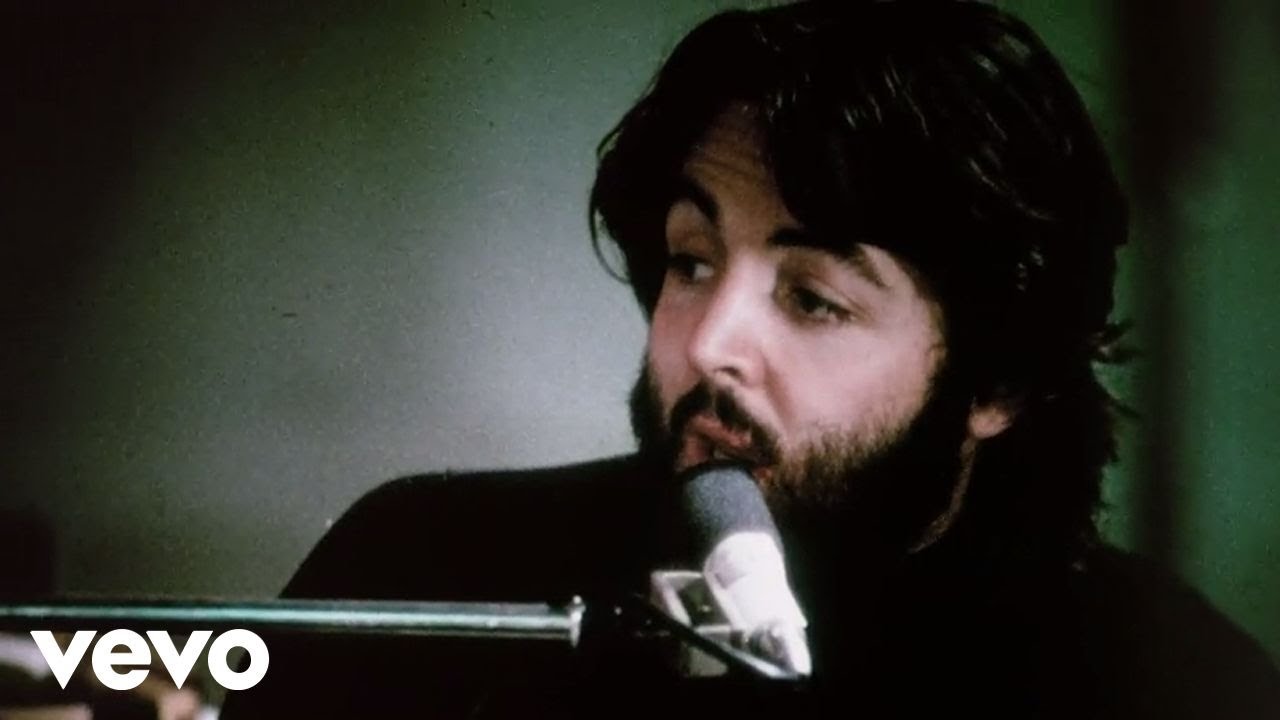
With a little help from Linda on backing vocals, the ever-industrious Mr. McCartney recorded every track of this soaring proto-power ballad in a single day. His rhythm guitar playing is sparse and unobtrusive, accentuating the song’s emotional peaks without crowding his vocal.
Still, there’s a quiet ingenuity at work here; in the latter half of the song, McCartney builds intensity by fretting chords without fully depressing the strings. Combined with palm-muting, this creates a percussive sound with just a whisper of harmony. Paul uses this technique to craft a rhythm not dissimilar to the one his ultimate guitar hero, Jimi Hendrix, played in the intro to Are You Experienced?
Within the context of the song, it sounds like he’s sending a love note to his new bride in Morse code. Also noteworthy are the song’s twin guitar solos – loose variations on the vocal melody that he decorates with slides, hammer-ons and swiftly released ghost bends. While largely alike, the two solos diverge at the last instant.
In the first, McCartney colors outside diatonic lines with childlike glee, but in the second, he stays loyal to conventional tonality. Midway through each solo, he adds an arpeggiated rhythm track much like a passage from the Beatles’ You Never Give Me Your Money, which still bore the scent of fresh paint when Maybe I’m Amazed was released.
Too Many People – Ram (1971)
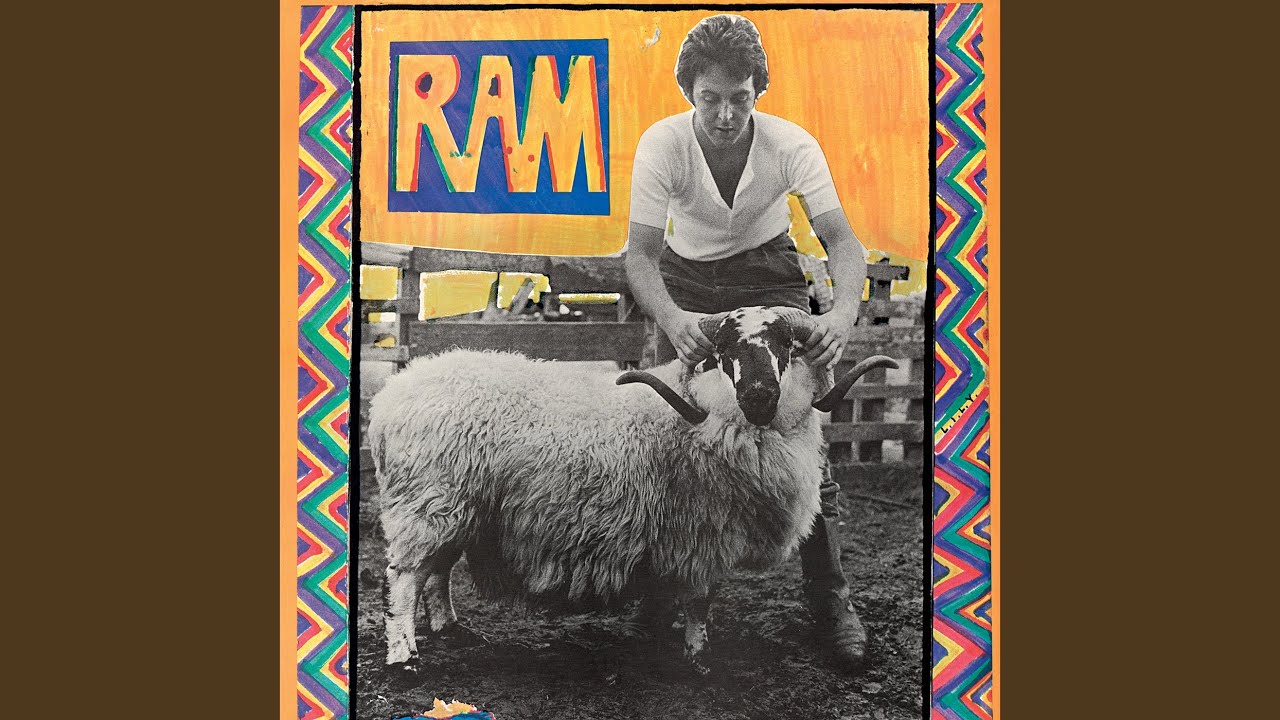
One of McCartney’s finest post-Beatles works, Too Many People cloaks unusually bitter sentiments in a melody sweeter than buttercream. Paul wastes no time setting the hook, driving the intro with insistent downstrokes on an acoustic guitar tuned a whole step south of standard. This detuning allows a droning A string (sounding as G) to underpin a shifting series of dyads on the D and G strings.
After the vocals take hold, the guitar temporarily recedes into the background. Then the guitarist plants a bomb in the bridge: a simple, catchy melody that fills the space between the sung lines.
Mid-song, cowbell and shakers help propel a momentum-building electric solo. In the verse that follows, the cowbell pairs with animalistic guitar wails to foster the pastoral atmosphere suggested by the album’s cover. A second solo bites harder than the first, as if echoing the little jabs at John and Yoko in the song’s lyrics.
Debate persists over whether McCartney or the late session player Hugh McCracken handled at least one of the leads in this song. However, beatlesbible.com credits McCartney with overdubbing both solos in a single take. Either way, the sharp-edged lead guitar at the song’s end hints that a formidable set of fangs lurks beneath this sheep’s clothing.
My Love – Red Rose Speedway (1973)
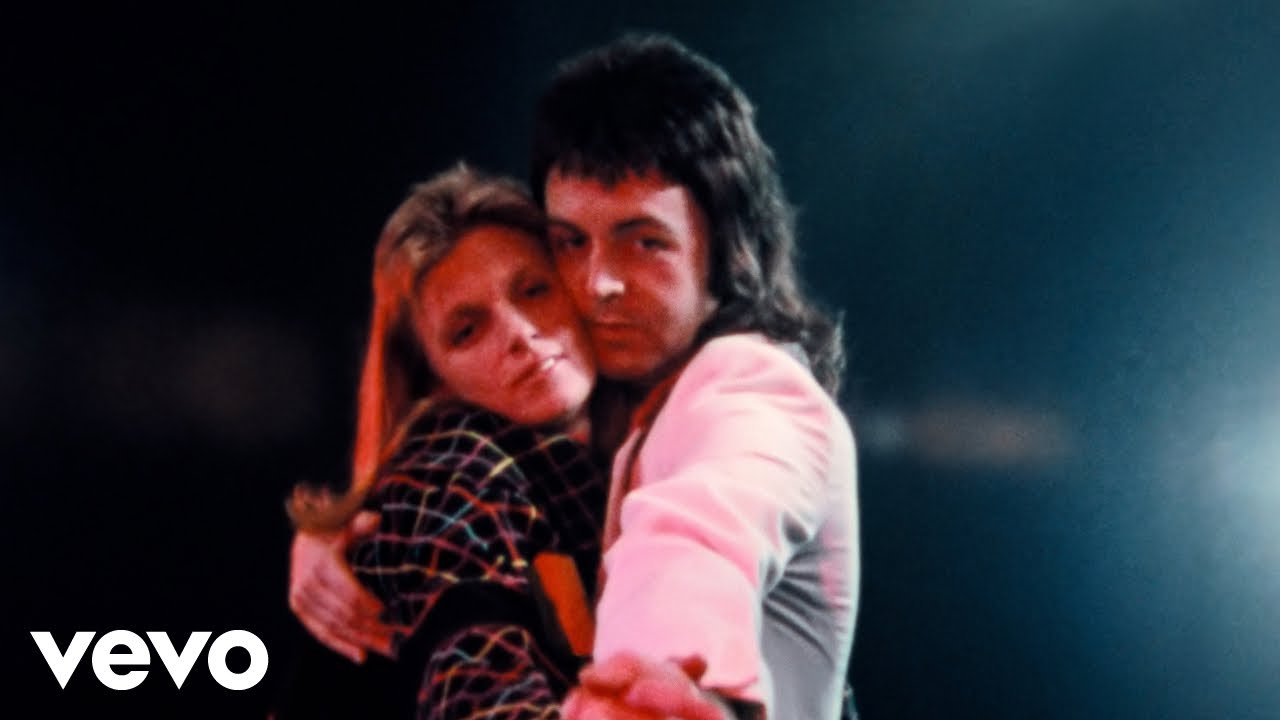
In a statement on former Wings guitarist Henry McCullough’s death in 2016, Paul McCartney described the solo on this recording as “a classic that [McCullough] made up on the spot in front of a live orchestra.”
McCartney, who had initially composed a different solo for the song, tells the origin story of McCullough’s lead in the book Wings: The Story of a Band on the Run: “Just before the session, Henry came over to me, leaned down and whispered in my ear. He said, ‘Do you mind if I try something else on the solo?’... I had to have faith, and boy, was it rewarded.”
In Band on the Run: A History of Paul McCartney and Wings, McCullough claimed this was the first time a member of Wings had challenged the former Beatle. Granted, his nightly improvisations of the My Love solo throughout Wings’ 1972 tour probably gave him the head start he needed to nail his single-take performance at Abbey Road Studios.
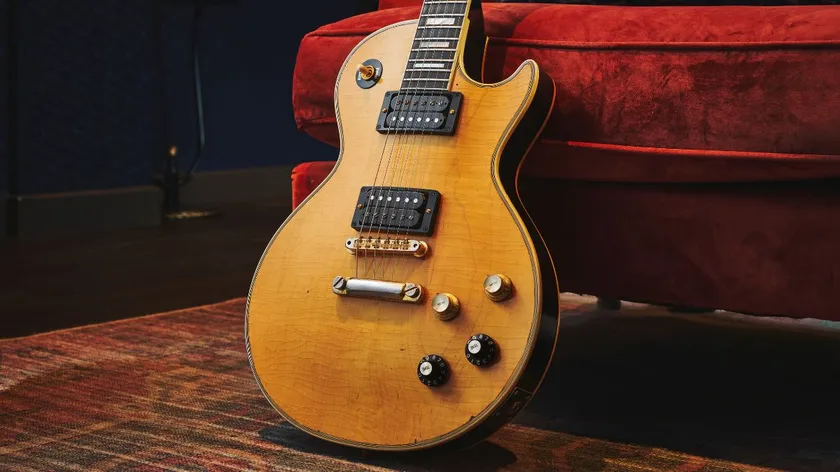
Still, this lead, likely played on a goldtop Les Paul with P90s, is sensitive and unforced, briefly echoing George Harrison’s most tender musical moments without lapsing into imitation. McCartney has named it as McCullough’s finest moment with Wings, and McCullough called it a “one-take wonder” and a “gift from God.”
Junior’s Farm – Non-album single (1974)
With 1966’s And Your Bird Can Sing, Paul McCartney and George Harrison slipped harmonized lead guitar into the rock lexicon through the f-holes of their Epiphone Casinos. By 1974, acts like UFO, the Allman Brothers Band and Queen had embraced this device, bejeweling their songs with gleaming dual-guitar leads.
Toward the end of that year, Paul McCartney & Wings released Junior’s Farm, the band’s final output on Apple Records. The song barrels in with an anthemic guitar line harmonized mostly in thirds, similar in spirit to the triumphant major-key fanfare that would later parade through Thin Lizzy’s The Boys Are Back in Town.
Junior’s Farm also serves as a coming-out party for Scottish guitarist Jimmy McCulloch, the former child prodigy who played on Thunderclap Newman’s U.K. Number 1 hit Something in the Air at age 15. McCartney’s shout of Take me down, Jimmy! is unmistakably reminiscent of Get Back (“Get back, Loretta!”), as is the instrumental break that follows.
However, in contrast to John Lennon’s straightforward lead (yes, Get Back is a rare example of Lennon playing lead guitar on a Beatles tune), McCulloch studs his solo with flashy ostinato runs and a double-stop that he gooses into a screaming dissonance.
He burns through the song with confidence and finesse, then embeds some deceptively simple-sounding arpeggios in the coda, his deft picking camouflaged by the band’s harmonized vocals.
Spin It On / To You – Back to the Egg (1979)
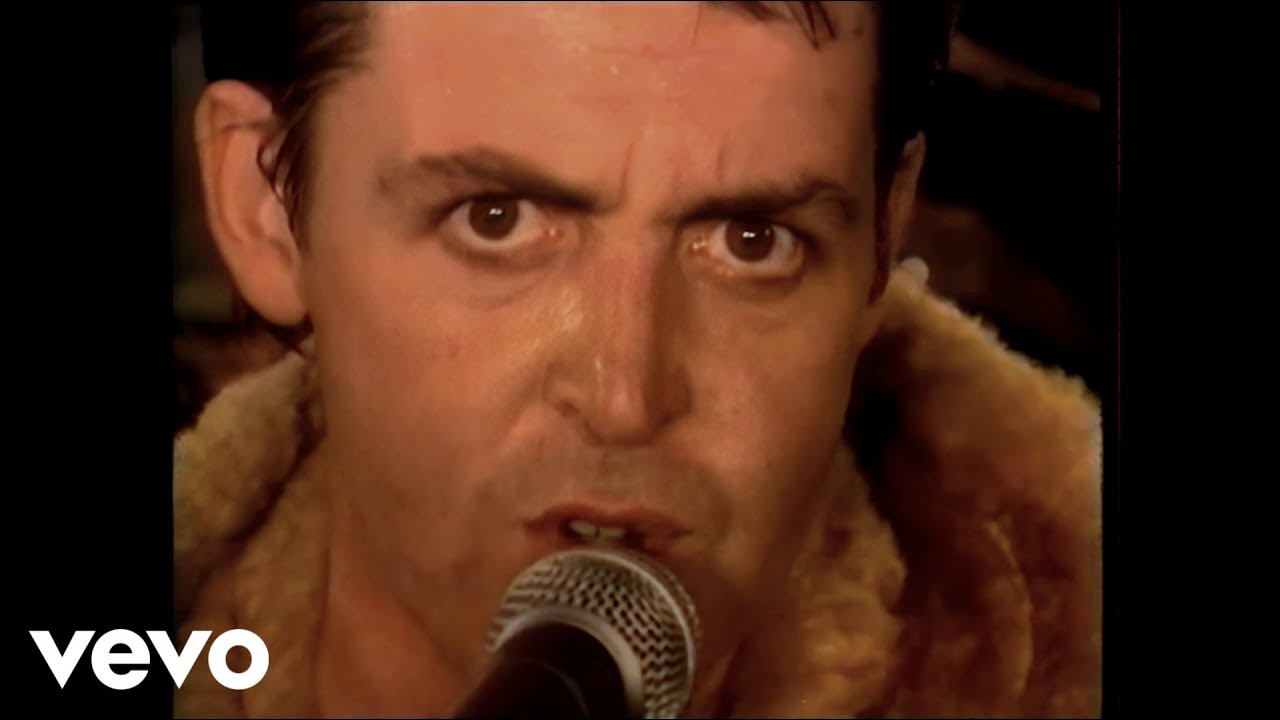
The title of Wings’ final record, Back to the Egg, reflects the back-to-basics ethos that permeated that album’s creation. “We were basically recording in a barn in Scotland, so we didn’t have any of the sophistication of being at Abbey Road or one of the other London studios,” Laurence Juber says.
We were basically recording in a barn in Scotland
Laurence Juber
One of the guitarist’s most prominent memories from those sessions is of working out the leads for the punk/rockabilly-influenced Spin It On, one of the first songs recorded for the album. McCartney sat with him in the control room, encouraging him to come up with licks “that fit the title in terms of the ‘spin’ aspect of things. Paul brought stuff out of me that I didn’t necessarily know that I could do.
When you’re sitting eye-to-eye with a Beatle, one tries to rise to the occasion.” And that Juber did, spinning speedy legato runs and screeching bends that beg for swear words of appreciation. His tone came from a 1963 Stratocaster plugged into a Mesa Boogie Mark II – the same rig he used to far different effect on To You, which finds him plowing straight through the roadblock of the song’s key signature.

“Paul was in the control room manipulating an Eventide Harmonizer while I was improvising, so I was hearing notes in the headphones that were transposed from what I was actually playing,” he says.
“That led me to play outside of the changes.” The result was a harmonized (and disharmonized) solo that stands triumphantly at the junction of consonance and dissonance. Juber calls the effect “weirdly satisfying”; we call it glorious.
In a 2012 interview for the webzine Something Else!, the guitarist described his solo on To You as “a precursor to what Trevor Rabin did on [Yes’] Owner of a Lonely Heart.” Elsewhere on Back to the Egg, Juber used an ARP Avatar guitar synthesizer and, on occasion, an EBow.
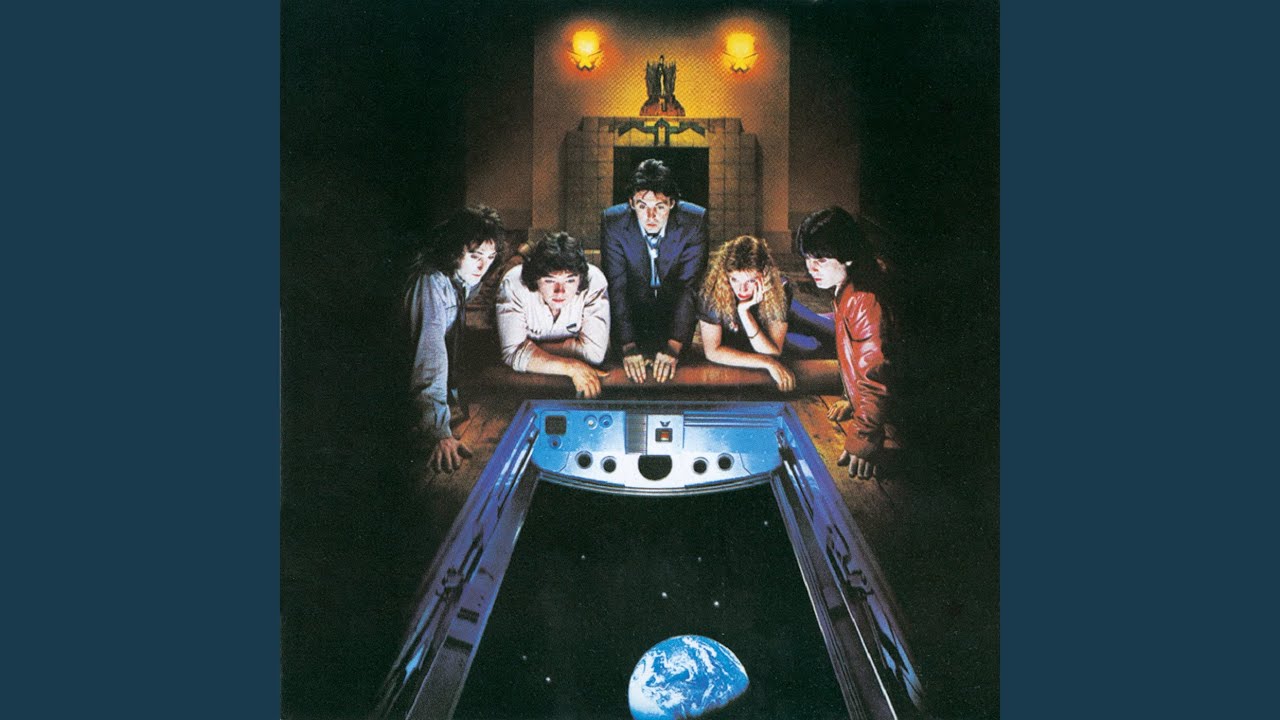
More recently, he recorded One Wing, an album consisting of selections from McCartney’s post-Beatles work. This year saw the release of I’ve Got a Feeling… LJ is Still Playing the Beatles!, Juber’s fifth collection of Fab Four tunes adapted for solo guitar.
No More Lonely Nights – Give My Regards to Broad Street (1984)

Before lighting up No More Lonely Nights with a pair of inspired solos, Pink Floyd’s prodigious axeman, David Gilmour, played on a couple of tunes from Back to the Egg (Rockestra Theme and So Glad to See You Here) as part of a “rockestra” that also included GOATs like Pete Townshend, John Bonham and John Paul Jones.
However, whereas Gilmour blended stealthily with the ensemble on those tracks, he is recognizable from note one of his first solo on Lonely Nights.
Gilmour plays a melody as hummable and lyrical as the song itself. His sustained ending note morphs into a pinch harmonic that stings like a bite of live hornet pizza
Gilmour plays a melody as hummable and lyrical as the song itself. His sustained ending note morphs into a pinch harmonic that stings like a bite of live hornet pizza. At the song’s end, his second solo starts as a reiteration of the first, but an upward modulation seems to bring out the snarl in him. He spray-paints the song’s outro with screaming bent notes, surly double-stops and sneering whammy bar flourishes.
The-paulmccartney-project.com quotes Gilmour as saying, “In one three-hour session with a band, we learnt [No More Lonely Nights] and put it down, and Paul played piano and sang the lead vocal live, and I put the guitar solo down, bang.”
In a 1984 interview for Guitar Player, he said the gear he used for this session was a stripped-down version of his live rig. According to gilmourish.com, that full rig comprised – among other things – an array of Stratocasters, a Mesa Boogie Mark 1 60w head, four MXR Digital Delay effects racks, an assembly of Fender Concert combo amps and a slew of Boss pedals.
Gilmour would go on to contribute characteristically outstanding performances to Paul’s Flowers in the Dirt and Run Devil Run (from 1989 and 1999, respectively) and the song I Love This House, which first appeared on McCartney’s radio show Oobu Joobu in 1995. That said, his work on No More Lonely Nights gets our vote for Best in Show.
Good Times Coming / Feel the Sun – Press to Play (1986)
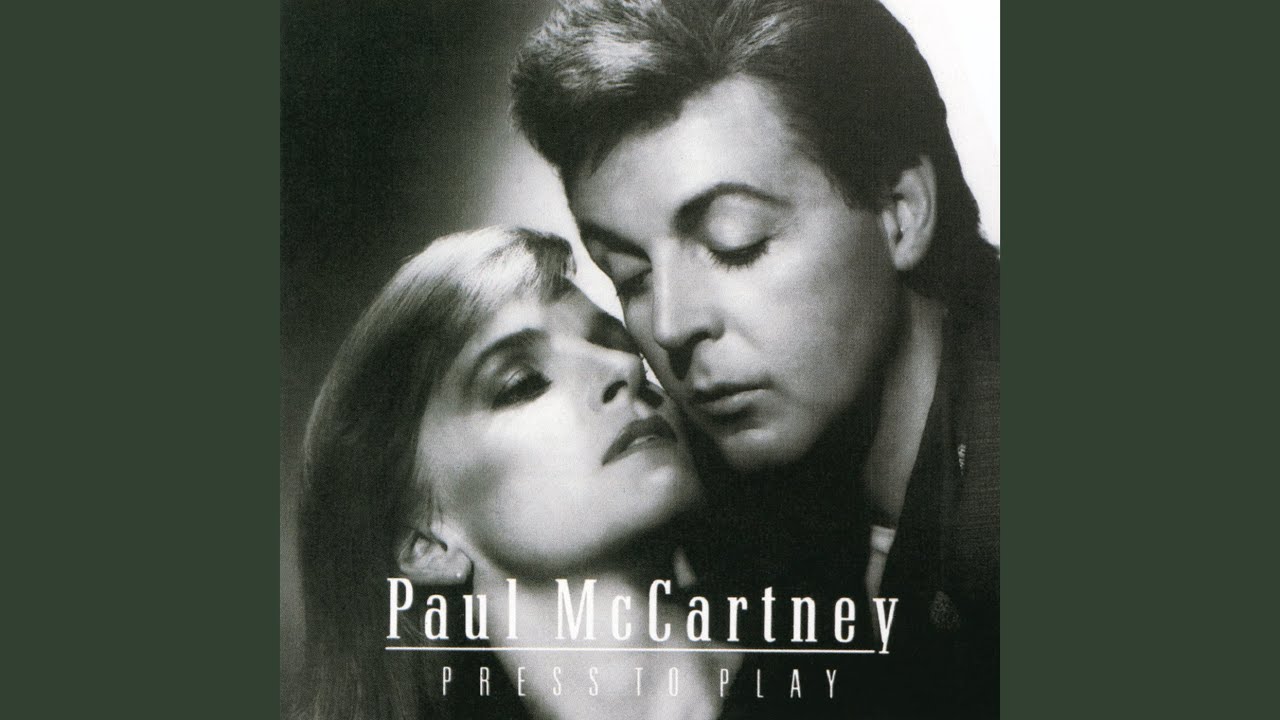
How is it possible for a guitar solo to be simultaneously pleasant and abrasive, stiff and flowing, jagged and smooth, jarring and melodic, mechanical and friendly, angular and sinuous? Somehow Carlos Alomar reconciles these seeming opposites in Good Times Coming.
With its thick, heavily processed tone, abrupt stops and aggressive whammy bar dives, his lead on this song sounds like a PG-13 reboot of Robert Fripp’s R-rated playing on Fashion by David Bowie. While we’re on that subject, Alomar also appeared on Fashion, but he played the clean, funky rhythm part on that track, while former 10cc multi-instrumentalist Eric Stewart fulfilled that role on Good Times Coming.
Stewart’s syncopated chord stabs, nimble fills and muted 32nd-note flurries are worth the price of admission all by themselves. Stick around for the transition to Feel the Sun, which illuminates McCartney’s knack for stitching song scraps together seamlessly. Culminating with a bright guitar melody, this bouncy little piece wouldn’t need its cheerful lyrics to impart the feeling that the sun has just broken through, and the good times have arrived.
Peace in the Neighbourhood – Off the Ground (1993)
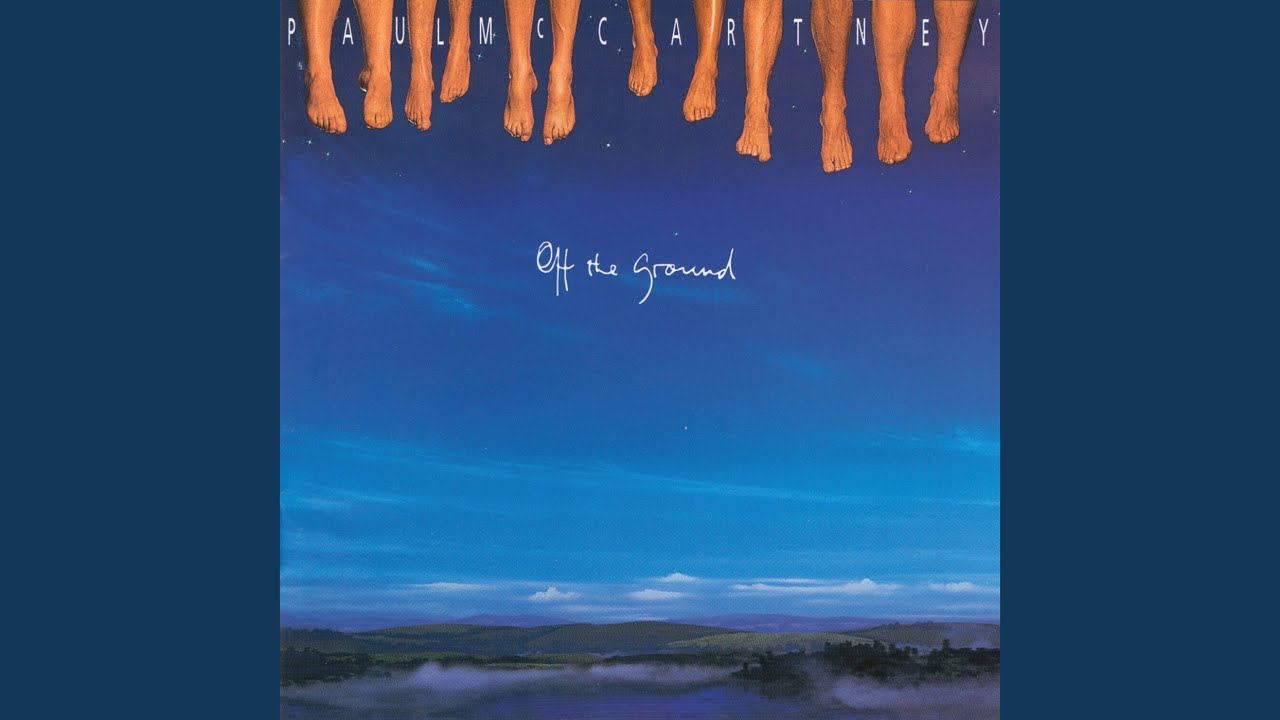
The recording of Peace in the Neighbourhood (yes, that’s the British spelling) that made it to the Off the Ground album was originally intended as a rehearsal take, but the band couldn’t recapture its loose feel on subsequent passes.
“That was a good one for me, that guitar outro,” guitarist Robbie McIntosh commented in the tour book for McCartney’s New World Tour. “We were rehearsing, arsing about, really, so I wasn’t thinking, ‘Woo! I’ve got the chance to show off now!’ It was aimless in a way, and yet it ended up sounding quite nice.”
While not lacking in technique, his solo glides with a relaxed smoothness that only a seasoned player can conjure when he’s not trying overly hard.
McIntosh brings the same verve and professionalism to Off the Ground that he has displayed in his work with artists like the Pretenders, John Mayer, Joe Cocker and Roger Daltrey. Other morsels of guitar goodness on the album: the slide work on Biker Like an Icon and the title track, the solo on Looking for Changes and the honky-tonk blues leads on Get Out of My Way.
House of Wax – Memory Almost Full (2007)
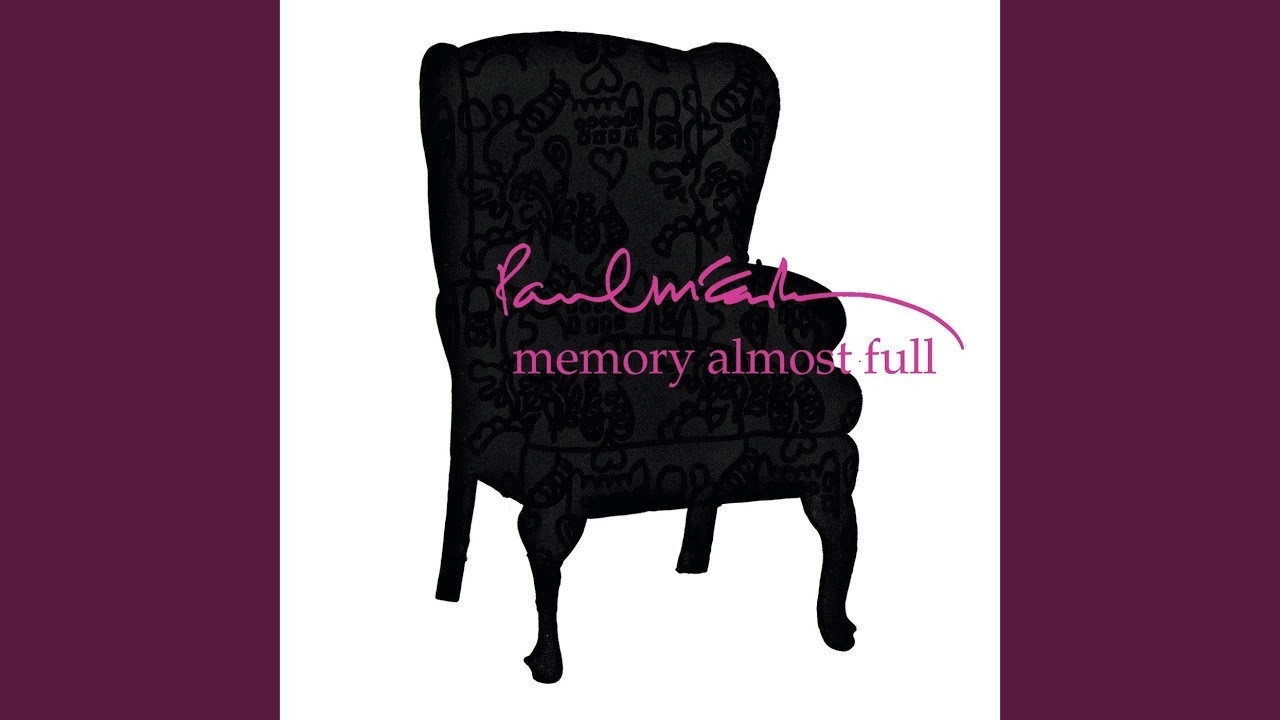
Paul’s dreamlike lyrics on this tune border on the Dylanesque, depicting lightning striking a house of wax, poets spilling out to the street and thunder drowning a trumpet’s blast.
The song reaches its emotional apex during a second solo filled with quick alternate picking, wailing bends and flashy legato licks. In the final moments of House of Wax, the lead guitar seems to portray the lightning in the song’s lyrics as drummer Abe Laboriel Jr. brings the thunder.
Some online sources claim that longtime McCartney guitarist Rusty Anderson is the player who bottled this lightning, but Memory Almost Full’s producer, David Kahne, recalls being in the control room when McCartney improvised the lead: “I had this weird moment, because it reminded me of the solo in ‘Taxman.’ It has that same chaotic, loose, all-over-the-place [feel], almost like the tape wasn’t on, but it works so well and sits in the track perfectly.”
Apparently, these kinds of lightning-bolt moments aren’t uncommon when you’re working with McCartney. “He does something that makes you think, ‘How did he do that? Where did that come from?” Kahne says. To borrow from this song’s lyrics, the answer to that question is “buried deep below a thousand layers.” Whatever its origin, this spontaneous blast of electricity could melt steel, let alone wax.
Long Tailed Winter Bird – McCartney III (2020)
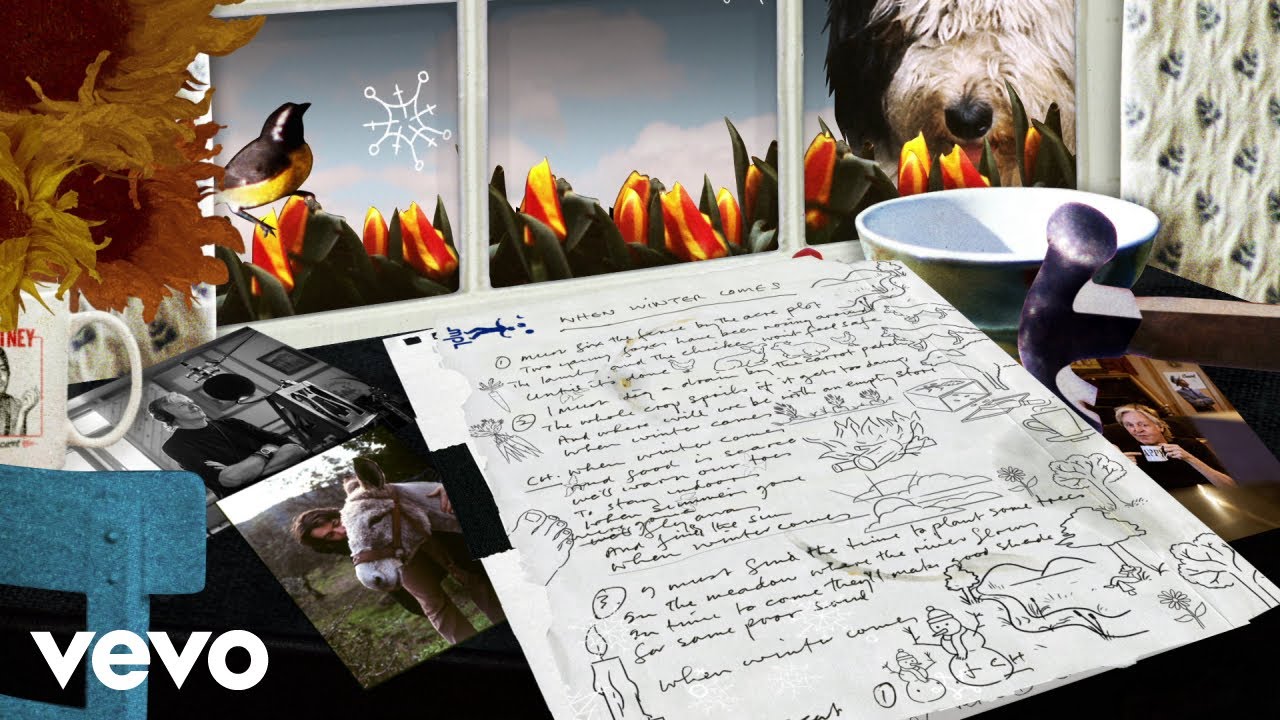
Bluebirds, blackbirds, skylarks and wrens have all winged their way through McCartney’s music over the years. In 2020, he continued that tradition by composing an acoustic guitar-based piece called Winter Bird for an animated short film.
“I liked what I did so much that once I’d finished the film bit, which was less than a minute in length, I then thought, ‘OK, let’s keep going,’” he told NME. McCartney created an elongated version of Winter Bird, adding drums, Höfner bass, vocals, recorder, harmonium and extra layers of guitar.
Winter Bird and its long-tailed counterpart eventually bookended McCartney III, which was recorded during the Covid lockdown. In both tunes, McCartney zigzags between fretted notes and the open E string. At times, the second and seventh notes of the E harmonic minor scale momentarily clash with the root note, creating exotic dissonances.
Is it one of the best guitar licks of 2020? The jury is story out on that one, but it’s a certainly compelling listen, bearing an air of mystery and a badass groove that continues to hum in the listener’s bones after this winter bird has flown.
As You Lie There – The Boys of Dungeon Lane (2026)
62 years after the Beatles struck the famous “May we have your attention, please?” chord that kicked off their A Hard Day’s Night album, Sir Paul used an equally unusual guitar voicing to draw listeners into the first track from this year's The Boys of Dungeon Lane.
The quirky, harmonically jarring arpeggio at the beginning of As You Lie There – either a D13b9 (no 3rd) or a Cm(maj7)/D (no 5th), depending on who you ask – makes a disconcerting first impression. While using his acoustic guitar’s open D string as a recurring pedal tone, McCartney then moves the top note of the arpeggiated chord down a whole step, bringing a shaky sense of relief, as the chord changes to a slightly less dissonant but still restless D7b9.
A shift to a relatively stable-sounding second-inversion G chord, G/D, provides grounding and familiarity, and a revelation that we’re in the key of G, but its open D bass note warns us not to get too cozy.
Capping off the four-bar phrase, a melodic staccato hop down G major pentatonic scale, doubled two octaves lower on bass, outlines the home chord and takes us back to the start of the progression.
For those whose eyes glaze over at the sight of flat symbols and Roman numerals, suffice to say that it’s a cool, offbeat mix of sweet and unsettling sounds, setting the perfect tone for a song that’s equal parts light and shade.
- This article first appeared in Guitar World. Subscribe and save.