


As a young player, the Manchester-born Billy Duffy dreamed relentlessly of being in a rock band. “It’s always been about a love of music,” he tells Guitarist. Early ’70s rock was a clear catalyst, “where the guitar solo would be something you could whistle. I can admire ‘technicians’, but I like players who play from the heart, and not from the head.” And The Cult answered his prayers.
With his long-time partner in crime, the band’s charismatic vocalist Ian Astbury, mega-hits such as She Sells Sanctuary and Fire Woman were created.
“I never wanted to sit in my bedroom doing scales on guitars,” he says. “I wanted to get out and have a good time. In The Cult, we were living it 24 hours a day. I didn’t differentiate between doing a gig, being in rehearsals and being at home because there wasn’t time off. It was just kind of immersive, to use a very modern phrase. We were in it.”
By the late ’80s, The Cult were on top of the world. “We supported Metallica for 60 shows after Sonic Temple [1989],” Duffy says. “We learned how to win over crowds and Metallica loved us – and still do.”
But like many rock acts who lived the high life in the ’80s, grunge toppled The Cult from their perch, leading to a hiatus for the band, followed by a reunion and a period of unevenness into the 2000s.
By 2006, however, the band made a more stable comeback, with four albums, the last being 2022’s Under The Midnight Sun. “We’re lifers, you know? For me and Ian, this is what we wanna do,” Duffy says. “There’s nothing else I wanna be. All my dreams have pretty much come true.”
What initially got you going on guitar?
The mid-’70s were kind of my era. I was born in 1961, so I’d say in ’74 or ’75 I caught the next wave of bands after David Bowie, Alice Cooper and Roxy Music. All we were really into was music and football in grey old England [laughs].
When you’re young and you start off playing guitar, your aspiration is to play the riffs your heroes wrote. So when I left high school in 1977, the punk thing happened in England and I’d literally go see any band that I could sneak out to see in Manchester – if they were a rock band. At first, that was Queen, Rush, Thin Lizzy and Uriah Heep, but when the punk thing happened, I’d go to see the Ramones, Patti Smith, you know, in clubs.
And it was a gang of us, so we’d play football, go to clubs and go to music stores and see if we could borrow anything on a permanent basis [laughs]. And, actually, one of the main guys who was in this little gang was Johnny Marr, who ended up being in The Smiths; he would come to see shows with us.
What was in the water in Manchester that had so many of you picking up guitars and starting bands?
Liverpool dominated the ’60s, and Manchester wasn’t known for a strong music scene until punk came and then [the city] was quick to embrace that. Again, it started in London and also New York, but something just resonated with a whole generation of Mancunians. And those are the people who created the Manchester music scene that was to become legendary.
How did you meet Ian Astbury?
I’d been in a few different bands and I’d moved from Manchester to London. I was hustling, trying to make it in the music business, and ended up in a band called Theatre of Hate, a band that Boy George actually recommended I join [laughs].
We had a hit single called Do You Believe In The Westworld, which got us on TV in England – this was a gargantuan step for me because everybody wanted to get on Top Of The Pops.
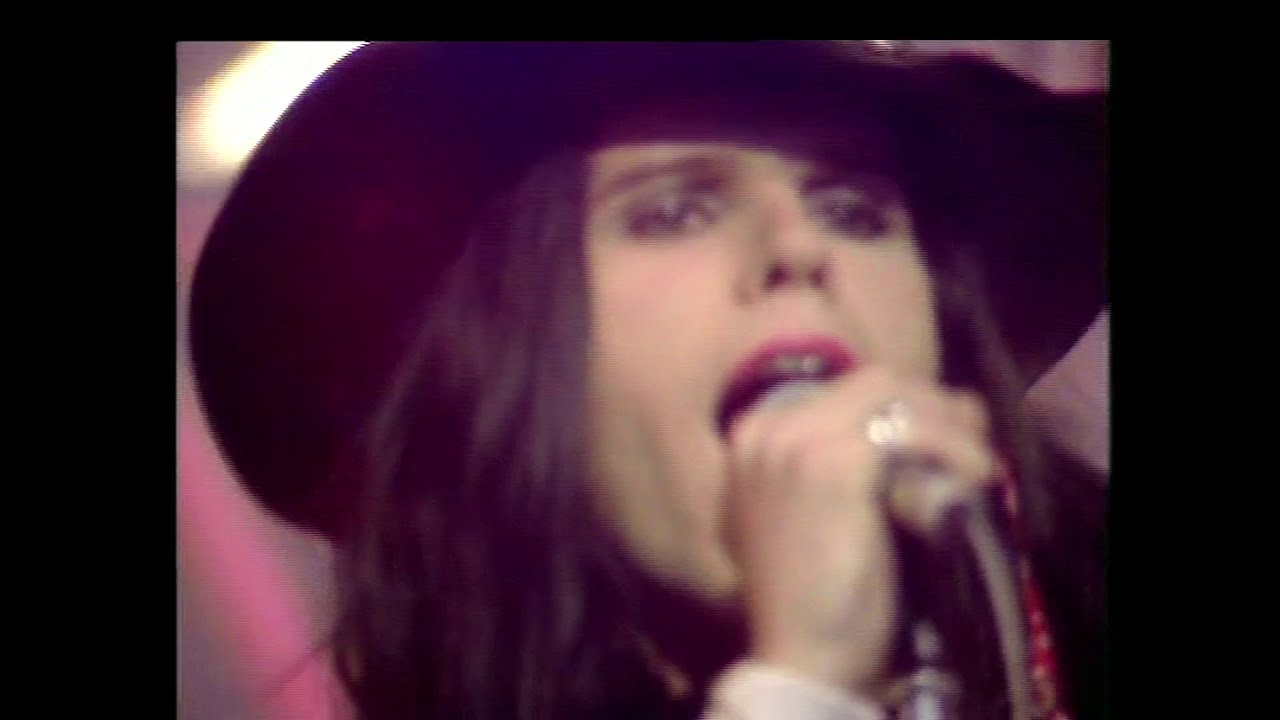
When we toured, the support band was Southern Death Cult and the lead singer was Ian Astbury. I remember the first time I clapped eyes on him and heard him sing, it was quite extraordinary.
We became friends because we were both from the North West of England. Within a year, he was no longer the singer of Southern Death Cult and I was no longer in Theatre of Hate, and he came and found me in London and said, “I like the way you play guitar. I like the cut of your jib. Do you wanna form a band?”
I was like, “Absolutely.” He literally stayed in my apartment in London in Brixton and we spent the weekend writing songs. Then we went to the record company that signed Southern Death Cult and informed them that the band had split up and there was a new band called Death Cult, which later became just The Cult. That’s honestly how it went down.

How did The Cult’s first record, Dreamtime, which featured Spiritwalker, come together?
When we started, it was a very underground movement. It was kind of post-punk and people were calling us gothic, and then there was the New Romantic movement happening. But we were kind of ploughing our own furrow, trying to do rock but make it interesting.
Theatre of Hate were very much into a different arrangement of music, with guitar that was like Ennio Morricone. It wasn’t powerchords but really Spaghetti Western sounds with reverb.
Every song we did [in The Cult] was us trying to improve ourselves. I do remember feeling that we weren’t completely satisfied, like we hadn’t captured our sound yet.

With Spiritwalker, we were almost there… there were hints. But there was a bit of a concern because we hadn’t had a hit, while our contemporaries [had] – Killing Joke and Bauhaus, for example, were in the charts and so were The Psychedelic Furs and Billy Idol, who were doing pop stuff.
And then you released She Sells Sanctuary from 1985’s Love record.
Ian and I were literally into it over our heads for, probably, 12 years. From ’83 until the end of the Ceremony tour in the ’90s, we were in it. We didn’t stop to take a breath. But with the song She Sells Sanctuary, what an incredible journey. And I stuck with my Gretsch because it made me write a certain way.
Once Sanctuary became a big hit, it changed everything for us. We were in a whole different world then and on a whole different level of commerciality.
What led you to use a Gretsch White Falcon, a decidedly unfashionable guitar for the 1980s?
It stems from that early ’80s period of exploration. When you think of certain players, like Charlie Burchill, The Edge or Will Sergeant, we were all trying to find our voices. I wanted mine to be like, “What if Jimi Hendrix plugged a Gretsch in?” or “What if Neil Young had a fuzz and a wah-wah pedal when he was doing Cinnamon Girl?” I was trying to find a voice for the band and it just sort of clicked with Ian.
But that Gretsch kind of ran out of steam in 1987. When we did Electric, we’d [already] done one version of the album and it didn’t seem right, so we went to New York and recorded with Rick [Rubin] – and Rick does what Rick does, which is minimalism.
He put me on the spot and said, “Hey, this is a Les Paul… And this is a Marshall.” So we spent hours cleaning the Marshalls up and they sounded big, vibrant and not oversaturated. We got rid of all that front-end buzz.
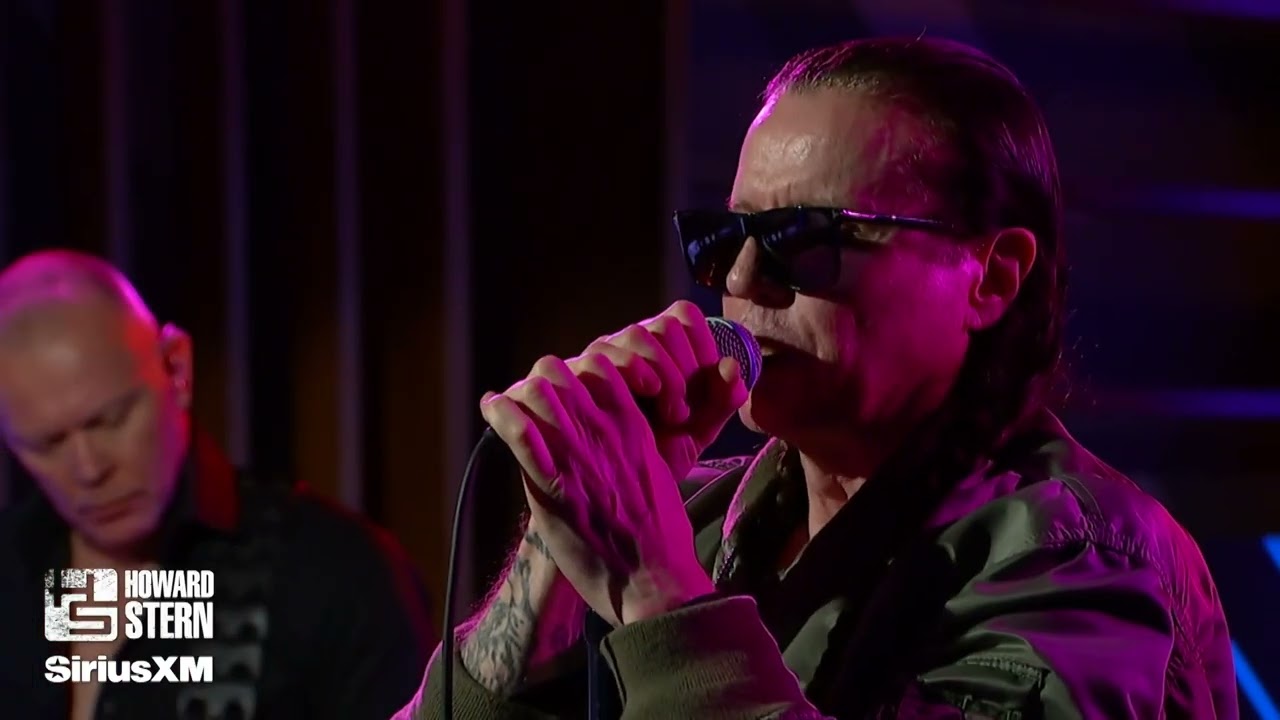
After Electric was released, The Cult toured with Guns N’ Roses. Did this experience lead to the massive Les Paul-driven heavy rock sound on Sonic Temple?
In ’86, when we finally made some money, I went out and bought a whole wall of Marshalls that were brand-new. I flight-cased them all, and these were JCM800s that I used on the Electric tour. Before that, on the Love tour, I had a Marshall, but I also had a Roland JC-120.
It was mostly Gretsch, with bits of Les Pauls in there. But getting into Sonic Temple, after the tour with Guns N’ Roses supporting us, which was kind of crazy, we got a big, muscular American manager and stepped it up. We sorted our business affairs out, and said, “All right, Electric has done really well, but we wanna do better.”
What led you to hire Bob Rock, who was relatively unproven then?
He had produced Kingdom Come[’s self-titled debut], though he was Bruce Fairbairn’s engineer with Bon Jovi and Aerosmith. I didn’t feel Electric showcased all that we were capable of. I’d never heard of Bob Rock, but we hit it off. When we started looking for a producer to do Sonic Temple, something Bob said to me was in my mind.
He said: “I really liked Electric and Love. I think it would be so cool to take elements of both and make the ultimate Cult record that showcases both sides of you, not just one or the other.” That resonated with me. So I put his name forward. And to my everlasting surprise, everybody involved said, “Oh, that’s a good idea. Let’s go for it.”
I thought they’d go, “No, we’ve got to get Ron Nevison or Steve Lillywhite,” or whatever big name you want to mention. [Bob Rock] was cool, but he hadn’t yet become ‘the Buddha’; he hadn’t levitated yet. He was still a mere mortal who ate pizza [laughs].
Anyway, with Bob and Sonic Temple, Ian wanted to make a psychedelic album, like [Cream’s] Disraeli Gears. I did really want to do a hybrid of the stuff on Love and Electric; I wanted to somehow find a way to fuse those elements together and make it cohesive. But it was 1988… In retrospect, we can all agree that it might have been a teeny-weeny bit overproduced.
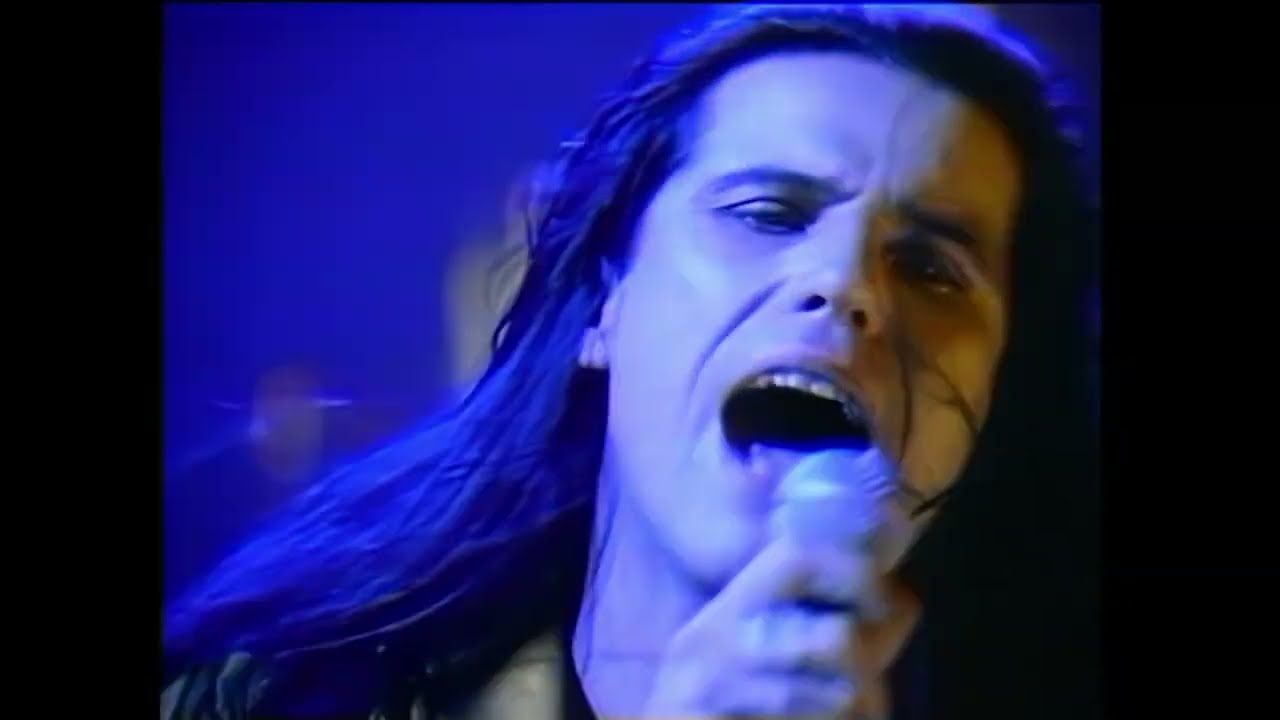
You released Ceremony and The Cult in the early ’90s, but then the band went on hiatus in ’95.
We just want to write music, be in a band and get out and play to people who appreciate it. That’s it. It wasn’t – and isn’t – a complicated manifesto
In retrospect, that was probably necessary. Ian wanted to go in a different direction. I was a bit more conservative and was like, ‘We’ve just had a multi-platinum record. Why would we depart from that?’ But he wanted to change it up and do something looser and more shambolic, like Keith Richards’ band the X-Pensive Winos. I remember being resistant, so we kind of compromised.
Bob Rock was gonna do Ceremony, but he said, ‘Well, I’ve got Metallica. That’s only gonna take a couple of months…’ Well, 13 months later he finished the Metallica record and in the meantime we had to find another producer. And it was just never right. It was okay, but it didn’t really capture what we wanted to do. It’s sad because the guitar sounds [of that era] are probably the best I ever got.
What kept you and Ian coming back to the band?
As you get older, you gain more tolerance for each other’s perceived shortcomings. You just focus more on the positive and the love and the desire, which are the same things from when we got together in Brixton in 1983, when we spent that weekend together writing songs.
We just want to write music, be in a band and get out and play to people who appreciate it. That’s it. That’s what it was then and [is] now. It wasn’t – and isn’t – a complicated manifesto.
How do you hope to be remembered as a guitar player?
I think what I did on Electric, Love and Sonic Temple was interesting. Me taking a Gretsch and putting two overdrives and a wah there, it took Gretsches into another area. I just thought it was kind of cool to try to make this acidy, psychedelic kind of post-punk music – but with a big, solid, chunky rock sound in its foundation.
Somebody once said to me that the guitar player in a band should serve the song. I would imagine that’s another reason why me and Ian get along – neither of our egos get in the way of serving the song. We both think the song is the master.
But it’s a very difficult question to answer. I just think I’d like to be remembered as a guy who kept the values of the ’70s – you know, the good stuff – alive. I helped keep the spirit of Free, Bad Company, Mott The Hoople, Zeppelin, Iggy Pop, Sex Pistols, Sabbath and all that stuff alive. I just wanted to keep the essence of proper rock alive.
- This article first appeared in Guitarist. Subscribe and save.

