




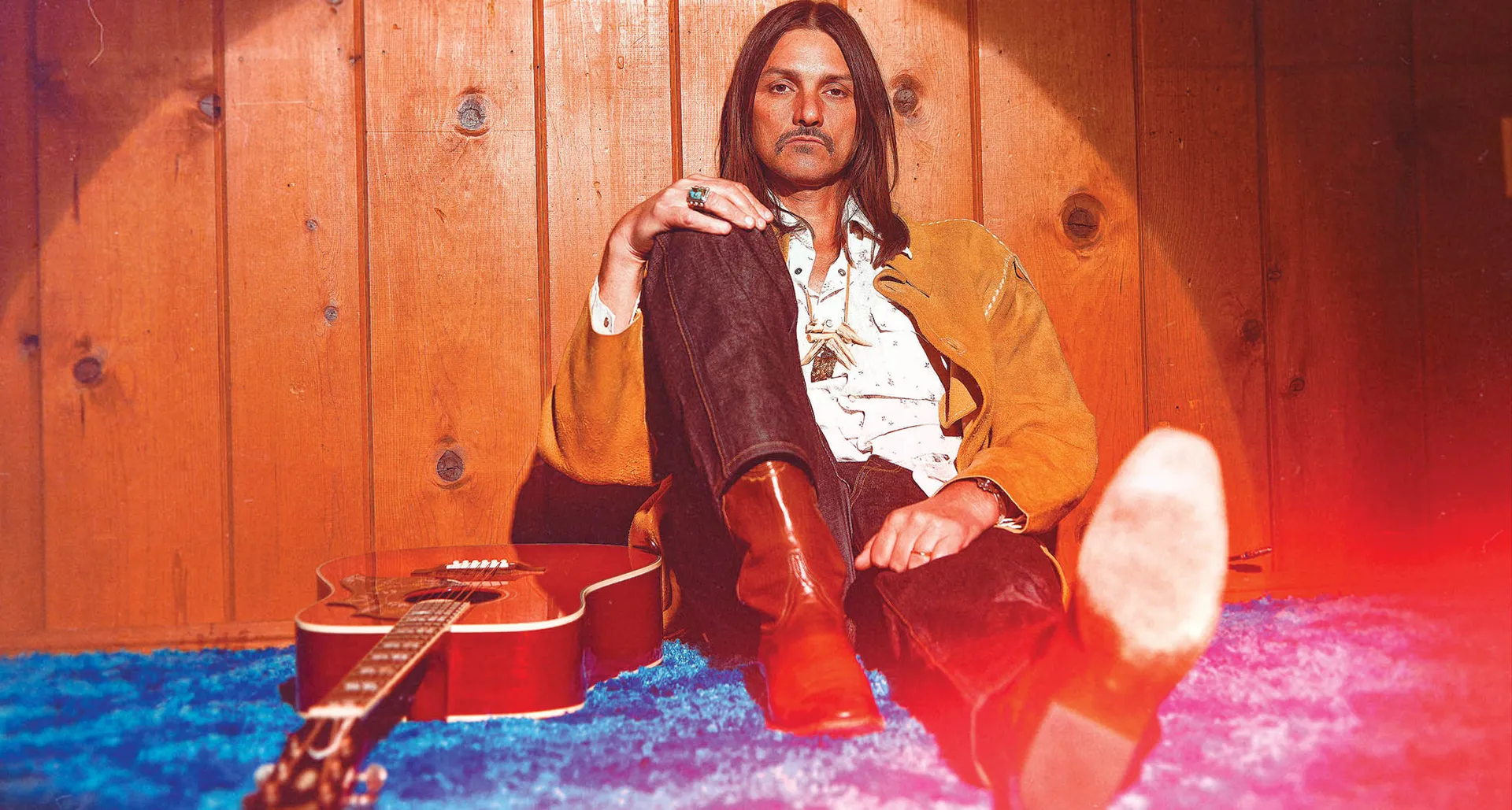
Duane Betts’ new album, Isle of Hope, is his most intimate, personal work to date. After almost a decade as an established solo artist, Betts leans into Americana songwriting on the recording, which is produced by Dave Cobb, known for his work with Sturgill Simpson, John Prine, Marcus King, and many others.
“I wanted to show my life’s experiences,” says Betts, who co-wrote most of the songs. “All that I’ve been through, and that I aspire to be. I want to create music that is a sanctuary for people during anxious times.”
Betts recorded the album shortly after the 2024 death of his father and mentor, Dickey Betts, the melodic genius behind so much of the Allman Brothers Band’s sound. Duane is a terrific lead guitarist, as he has shown throughout his career – touring with his father’s band, Great Southern; performing with Dawes; on his debut solo album, 2023’s Wild & Precious Life; and on multiple albums with the Allman Betts Band, alongside Devon Allman.
On Isle of Hope, however, Betts leans more into the songs, while also sharing the guitar spotlight with Johnny Stachela and J.D. Simo.
“I certainly wanted a few guitar spotlights, but the album isn’t about my playing,” Betts says. “I like the fact there are solos I could have done that could have gone on forever, but don’t. There’s plenty of room to jam live.”
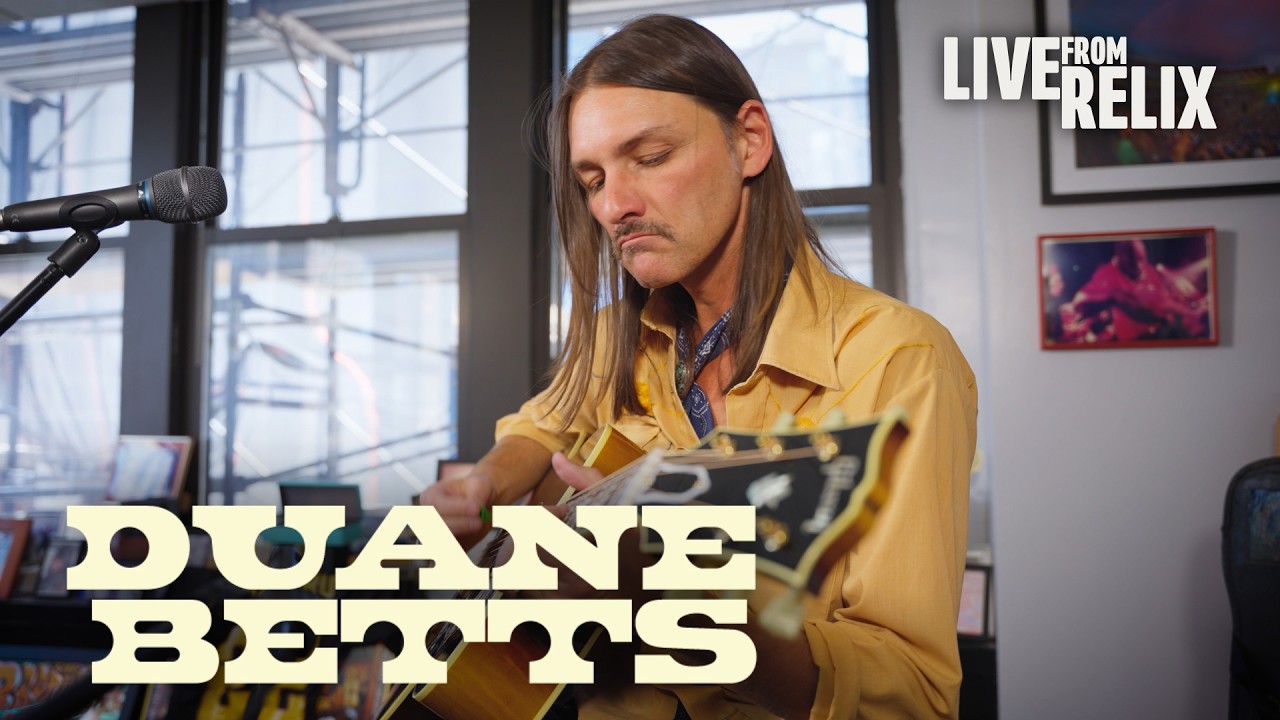
You’ve come a long way in the last decade since you started stepping out as a solo artist, but one constant has been working with Johnny Stachela. What do you value so much about your partnership?
I just really enjoy playing with him. We have been playing together regularly for almost 15 years, and I just think we complement each other very well.
Johnny has good taste, and we share a lot of the same musical and aesthetic interests, we’re good friends, and he’s just a fantastic player. I also like having a right-hand man and somebody that can play slide. I’m not really a slide player and now have no push to work on it because he’s so good.
Last year, you put together a tribute to your father in Macon, Georgia, that included Warren Haynes, Derek Trucks, Oteil Burbridge, Chuck Leavell, Charlie Starr, and others. How do you remember that night?
That event was quite the undertaking. The playing part was stressful, but it was so rewarding. It was deeply personal and it was something that had to be done, and it had to be done by me.
I look back with a lot of pride on what we were able to do that night, and the love showed for my dad and his music both on the stage and in the audience was great. I’m just grateful it went off without a hitch.

Isle of Hope has a different sound than your previous work. How did working with Dave Cobb at his studio in Savannah affect the recording?
Dave had a huge impact. He elevates the material and brings everything to its maximum potential. He makes calls that pushed me to go against some of my ingrained instincts.
Heartbreak was written shortly after dad passed, but I realized it’s not just about him. It’s about some of my friends I’ve lost. It’s about everything
Some of it was as simple as adding a descending line or having more movement in the chord structure, and some was subtraction to make something hit harder by making it simpler. These are things that producers are supposed to do, but he’s so good at it, and has such impeccable taste and great instincts that it’s easy to have faith.
I learned a lot about song structure from him, and some of it went against my instinct to jam. Reckless was the perfect example. I wanted to put the solo in the middle over the chorus structure, then have it go into the chorus.
Dave didn’t want it to go back to those chords until the chorus, which would make it hit harder, then [he wanted to] put the solo at the end with a whole new section. It worked out really well, and I had Johnny play the solo because it just sounded right when he did. Dave’s records have such a style and character, and you can definitely hear that.
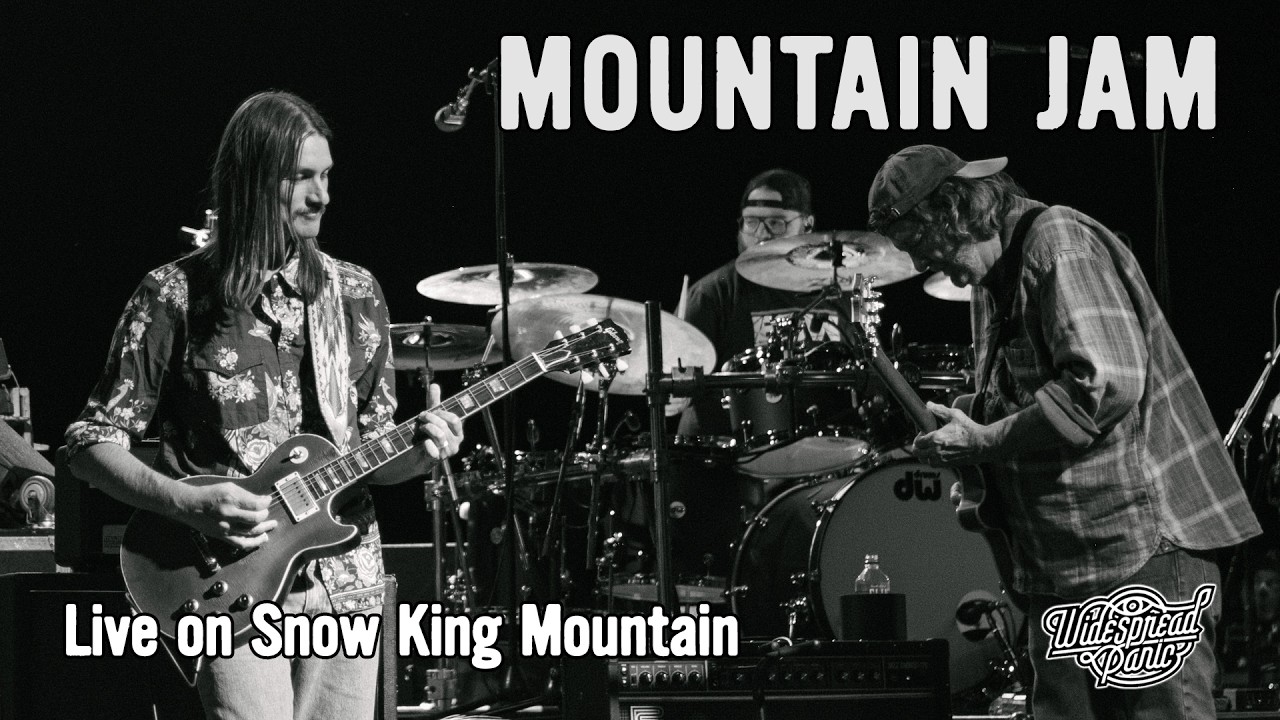
Was it hard to relinquish control of the songs like that, especially since a lot of them seem so personal, starting with Heartache?
No, because what he was doing was making the songs better and helping me deliver them to people. Heartache is my favorite song that I’ve ever been a part of writing. It means so much to me, and I am so excited for other people to hear it.
Losing somebody you love is a universal feeling we can all relate to. It was written shortly after dad passed, but I realized it’s not just about him. It’s about some of my friends I’ve lost. It’s about everything.
In terms of it being the first track, we wanted to commit to that. Before I had even finished the song I had the idea that I wanted to start the record out with a quieter song, not a barn burner. I was thinking about how much I liked how Beck started the Sea Change album with the beautiful, quiet The Golden Age.
Then, once we brought the songs in and started thinking about the track order, Dave was adamant that he wanted Heartache to be the first song, so we were in line, and I am very proud to come out of the gate with something so emotional. It’s hard being that vulnerable, but I’m really proud of the song.

It reminds me of how the Allman Brothers Band started Eat a Peach with Ain’t Wastin’ Time No More, which Gregg wrote after Duane passed away, and it’s Dickey’s first recorded slide part. It’s answering the question, “How are we going to survive without Duane?” on the very first track.
Wow, yeah. That’s such a powerful, soulful song, but you just turned on a light bulb in my head by putting it in that perspective. That was so gutsy. That’s a strong statement and, yes, there’s a common thread between those two conceptually, but it wasn’t conscious and it only occurred to me when you mentioned it!
Has your famous name ever been a challenge to your career as a musician? Your first and last names are so evocative.
I’m so fortunate to be able to play music, do what I love and be part of a beloved, highly respected musical legacy. It’s an honor that my dad named me after Duane. I realize people will always associate me with that lineage – because that is my lineage. It’s who I am. But I just want people to listen to my songs, check what I’m doing now, and consider that maybe there’s more to it.
And most folks do. I just try to create my own art, and if I feel that I’m doing really good work and I’m proud of something, then that usually supersedes any negative feelings that I possibly could have.

The whole point of what we do is to share the art with people and hopefully put a little joy in their lives and give them a reprieve from their daily stresses. My dad used to say that the three hours people come to the show is the little sanctuary we create for them to forget about their daily troubles.
They get to escape with us, and we want to give them a little peace of mind. And that’s what the concept of the record basically is – an isle of hope.
A great metaphor.
The crazy thing is the title is both a metaphor, and a real place. Going to the studio every day I would pass over a little bridge with this sign that said something like “Now entering Isle of Hope.” A couple more turns, and there was the studio.
I mentioned this to my wife Lisa, then to Dave, and everyone agreed it was a great title. I thought it was also appropriate for these times when there’s a lot of anxiety. This is your little place to stand on safe ground. This is your isle of hope.
- Isle of Hope is out now via Sun Records
- This article first appeared in Guitar World. Subscribe and save.

