


When Eric Bell left Thin Lizzy, the group overhauled their guitar department, bringing in both Brian Robertson and Scott Gorham for a soon-to-be-legendary guitar tandem. But Robertson admits that he wasn’t all the convinced by Gorham at the start.
Gary Moore had stepped into the picture after Bell’s departure, with vocalist Phil Lynott later dramatically bolstering the band line-up with twice as much electric guitar firepower.
Robertson was first through the door, then he watched Gorham’s entrance into the band in real time.
“It was Phil’s decision because he liked his look, and he was American,” Robertson says in the new issue of Guitarist. “Brian [Downey, drums] and I didn’t think he was up to it, to be honest. He was perfectly capable of playing the major and minor chords in the right place, but not the lead.
“You’re playing a minor blues, and you’d say, ‘Take a solo,’ but he played it [in] major. That’s what jarred with Brian and I.”
There was also the small matter of Gorham’s Japanese Les Paul copy falling to pieces during his audition. Speaking previously to Guitar World about his audition, Gorham admitted it was a “chaotic” trial by fire. But he did enough to get the gig – something 25 players before him couldn’t manage.
Regardless, Robertson had his reservations.

“He was more of a rhythm player in the beginning,” he says of Gorham. “The solos he did take were meticulously worked out. They weren’t solos, as I understand solos. Even from the early days, I would just say, ‘Run the track, and I’ll just jam.’ We’d do it three or four times, and then edit them, so there’s some spontaneity.”
Gorham preferred the more exacting approach, a contrast to Robertson’s casual flair. Still, their guitar harmonies – which Robertson said he led on – became their trademark, with The Boys are Back in Town quickly becoming a staple hit when it was released in 1976.
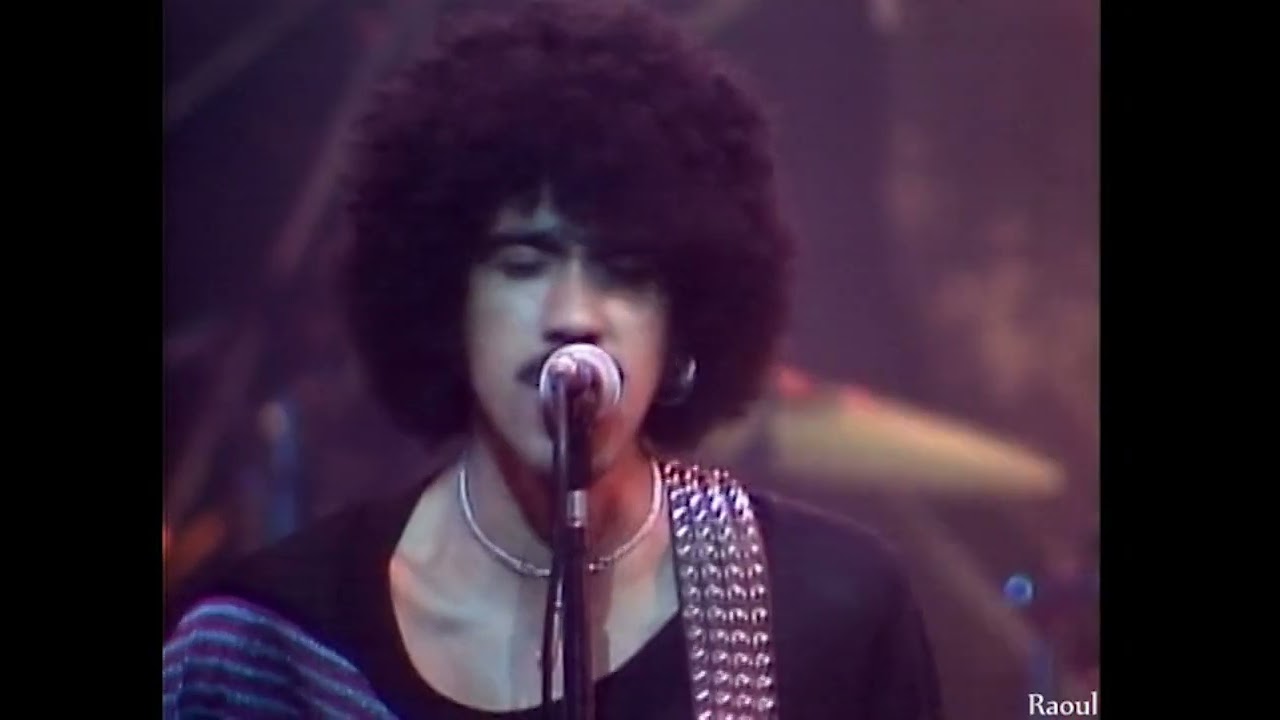
In related news, Robertson also detailed how a guitar swap with Jeff Beck led him to bring a new instrument into the band.
He would eventually leave Lizzy behind, with Gorham partnering with Gary Moore on the 1979 LP, Black Rose: A Rock Legend. He says he knows what the band lost when he stepped down.
Robertson’s full interview features in the new issue of Guitarist. Print and digital copies can be ordered from Magazines Direct.

