

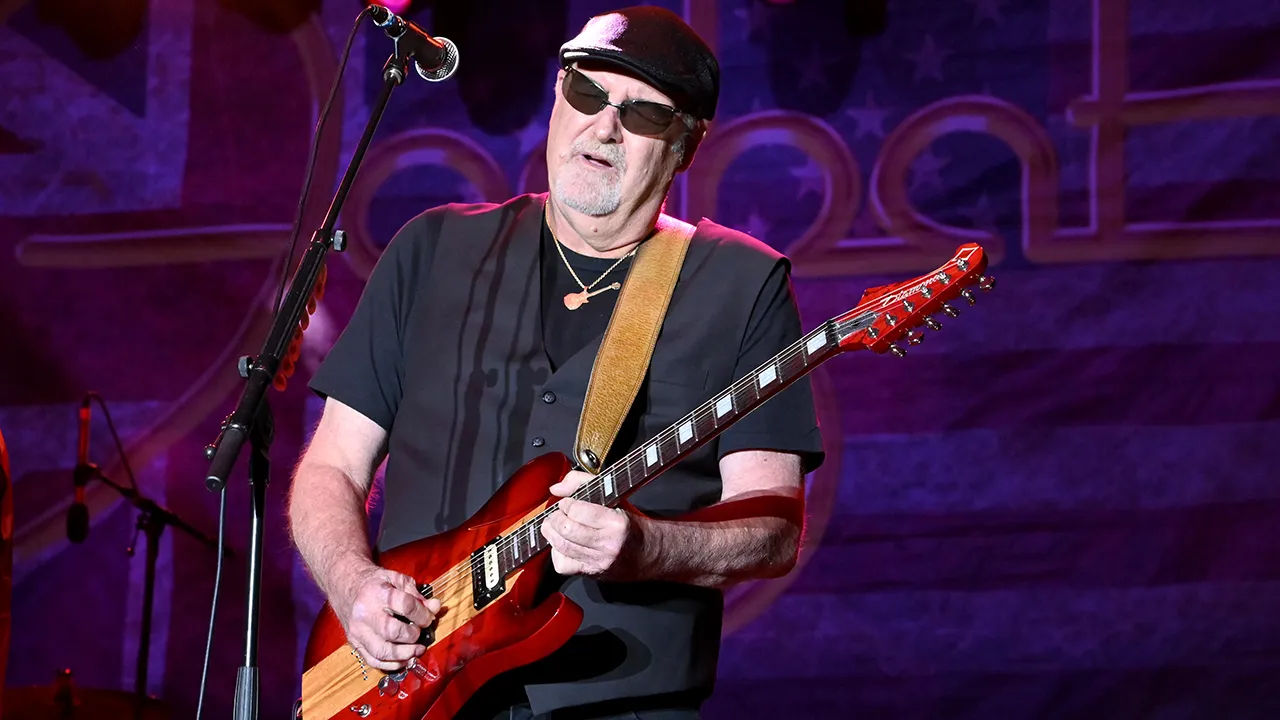
Bryan Bassett’s licks start Wild Cherry’s 1976 funk-rock classic, Play That Funky Music – but the 72-year-old Pittsburgh native doesn’t consider himself a funk guitarist. “I’m a blues-rock player,” he says. “I do have a funky overtone. But Jeff Beck is number one for me. Nobody could play like him.”
Following Bassett’s arena-dominating days with Wild Cherry, he became the lead guitarist for “Lonesome” Dave Peverett’s version of Foghat in 1989. He went on to join Molly Hatchet, and since 1999, he’s been with Foghat proper.
“The club scene in the ’60s and ’70s was a training ground,” he says. “You had to learn a list of new hit songs every couple of weeks. Covering funk by the Commodores, as well as Ritchie Blackmore and Jimmy Page, served me well.”
Foghat are currently on the road. They just released Live & Loud Across the USA, and when the road trip finishes, it’s back to studio for a follow-up to 2023’s Sonic Mojo.
“The fanbase still comes out and sees us, so we honor the songbook,” Bassett says. “Sonic Mojo went to number one on the Billboard Blues charts. That was great for all of us ‘new’ guys – validation for sure.”
How did you cut your teeth on guitar?
I got a real interest in playing in high school. My friends and I would play coffee houses. The club scene was alive then; there were dozens of places playing music every day of the week. In the late ’60s and early ’70s you could make a pretty decent living playing the club circuit.
What led you to turn pro?
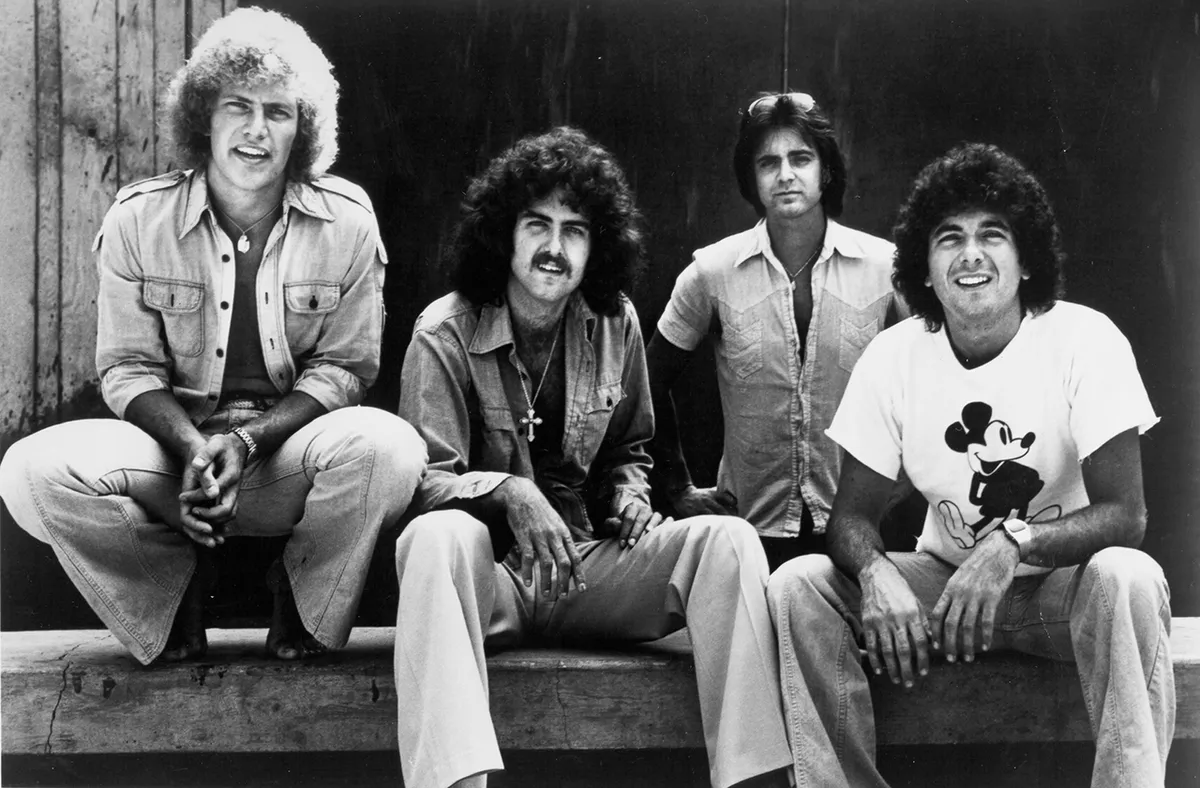
I met Rob Parissi, who had a band called Wild Cherry, but it had disbanded. I always admired him; I said, “If you ever reform your band, give me a buzz.” He did, and we got to work together in Wild Cherry – but we were playing clubs.
What gear were you using?
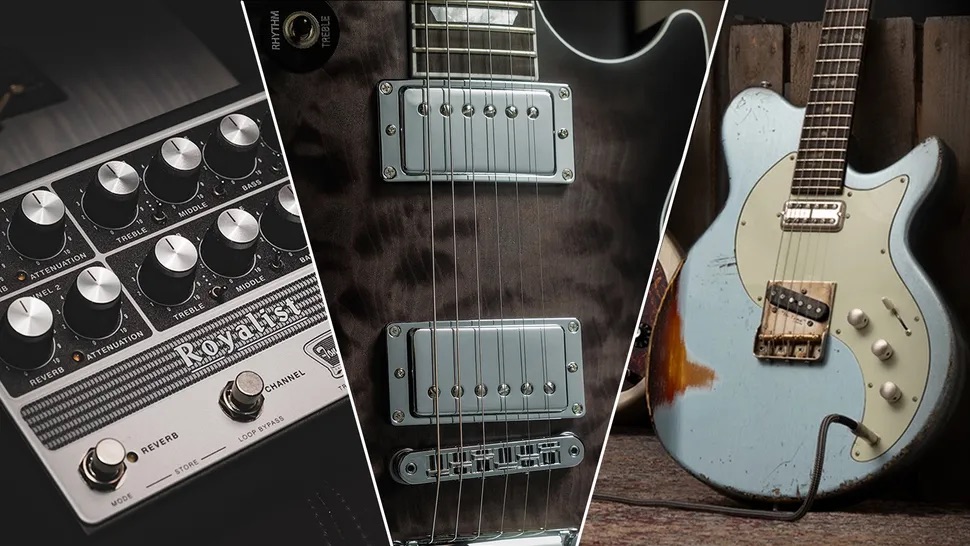
My first great amp was a Hiwatt 50; I loved it. I should have never gotten rid of it, but I couldn’t fit it in my station wagon! I used that and a Fender black[-panel] Super Reverb, which is still one of the best-sounding amps.
I never got into pedals; I always depended on the amplifier. I was using my first great guitar, a ’68 Gibson Les Paul Goldtop with P-90s, and I had another Les Paul from the early ’70s, a Tobacco Sunburst.
Wild Cherry moved up from clubs once Play That Funky Music hit. What did you use for that session?
I borrowed my friend’s blonde maple Fender Strat for that session. It had a black pickguard and it was probably from the early ’70s. I played that through a Music Man 410, which I loved.
How did Funky Music come about?
We loved Zeppelin, Rainbow and ZZ Top, but bands like The Bee Gees, Earth, Wind & Fire and all that were turning up on the club scene. There was this dance-and-R&B vibe. Someone said to our drummer, ‘You better start playing some funky music, white boy!’ We laughed about it in the dressing room, but Rob started writing lyrics then and there.
When we played it live, people would start hitting the dance floor – that was before it was even recorded. Back then jukeboxes were still a big deal, and we wanted to produce a single for those. While we were recording it the A&R guy for a label called Sweet City Records came in and liked what he heard. That’s how we ended up on Epic – Sweet City was a subsidiary.
They released it and we went from clubs to arenas. Within a month or two it went up the charts. It was a mind-blowing time. The recording was very straight-up – done in one or two takes. It was minimal, but it was pretty cool.
Dave was in remission from the big C. Then he passed away. I was glad to have that last year of touring with him
After Wild Cherry broke up in 1979, you got into production work before hooking up with Dave Peverett in his version of Foghat.
Dave had relocated to Orlando from England and he’d been on a hiatus. He was a sort of blues historian, and he came to see a band I was in that did a lot of those songs. We hit it off. We had natural chemistry.
He called and said, “I wanna go back out on tour. Wanna to go with me?” I said, ‘“Of course!” We went out as Lonesome Dave’s Foghat for maybe five years. I think he liked that my playing was immersed in blues and I was familiar with the songbook.

When Foghat’s original lineup got back together, you joined Molly Hatchet.
Yeah, Foghat reformed with the original members at the behest of the record company. I’d just finished a European tour with Dave and we’d been playing with Molly Hatchet. When I got back to the States, they knew I’d be out of a gig, so they said, “Wanna join our band?”
That lasted until 1999, when Rod Price retired from Foghat.
Dave called asked me to rejoin in ’99, and I’ve been here ever since.
Dave was sick with cancer in those final years. What was it like navigating that?
He played pretty much up until he passed away. He’d been undergoing treatments; I’d kept in touch with him while I was in Molly Hatchet. He called and said, “I feel like doing a bit of playing.” I said, “I’ll come over if you want to jam.’ He goes, “No, I want to go back out on tour.”
He was in remission from the big C. We got together in New York, rehearsed, and for a time I was playing in both Molly Hatchet and Foghat. Then Dave passed away. I was glad to have that last year of touring with him.

What’s it like in Foghat today?
It’s a lot of fun. There are signature lines in songs like Stone Blue and Slow Ride, where you want to play the notes on the record because that’s what’s in people’s heads.
What’s the key to nailing Slow Ride?
Rod was a fantastic slide player. I’ve spent the last 20-plus years trying to emulate his style. It’s almost impossible because he had the widest vibrato – and playing slide through a distorted Marshall stack is totally different than playing it clean with a Strat like, say, Bonnie Raitt’s style.
I’ve gotten to the point where I’m fairly satisfied with the way I play slide
It’s a different technique where you’re muting more strings than you’re playing because of the volume and distortion. So the first thing about covering Rod is isolating your notes, and the second is intonation. If I tried his wide vibrato I’d sound out of tune!
He played with such ferocity – he was a very in-your-face, hardcore player. I’m a little more contained, but I’ve finally gotten to the point where I’m fairly satisfied with the way I play slide.
What’s next for you and Foghat?
We like to play, write and record, so we’ll be making another record of new material. It’s a beautiful thing. It’s great that we’re able to carry on the Foghat legacy and that great songbook, and still contribute to it with new material.
- Foghat have shows booked until May. Live & Loud Across the USA is out now.

